Marble has been a primary material in architecture for more than two thousand years. Formed when limestone is transformed by intense heat and pressure deep within the earth, it emerges with interlocking crystalline structure, a characteristic translucency, and veining patterns shaped by the specific minerals present during formation. But marble is not a single thing. It is a broad family of distinct stones, each quarried from a specific region, shaped by its own geology, and defined by a particular coloration and vein character.
Understanding Marble Varieties
Marble encompasses hundreds of distinct varieties quarried across Italy, Greece, Spain, Turkey, and beyond.
Popular marble varieties span a range of visual styles and regional origins, each shaped by distinct geological conditions and quarrying traditions that stretch back millennia. The most widely recognized types come primarily from Italy's Apuan Alps, where marble extraction has defined the landscape and economy since Roman times.
Carrara marble, quarried continuously for over two thousand years, presents a pure white base with subtle grey veining that has made it the foundational choice for classical architecture and sculpture. Calacatta, extracted from a smaller number of quarries within the same mountain range, is distinguished by bold dramatic veining in gold and grey tones that move across a brighter white base. Statuario offers striking grey veins on bright white, named for its historical use in monumental statuary, while Arabescato is characterized by flowing organic patterns that create visual movement across the stone surface.
Darker varieties bring contrast and depth to the marble palette. Nero Marquina from Spain features crisp white veining on a deep black base, quarried in the Basque region since the medieval period. Crema Marfil, also from Spain, offers warm beige tones with subtle veining that work well in transitional design palettes. Emperador Dark presents rich brown coloration with white veining, extracted from quarries near Alicante. Thassos from Greece is prized for its near-pure white surface with minimal veining, sourced from the island of the same name in the Aegean Sea.
Each variety is defined by its quarry location, mineral composition, and the specific geological formation conditions that determined its coloration and vein character. The visual differences between these stones reflect variations in metamorphic pressure, temperature, and the presence of iron oxides, graphite, or other mineral compounds during formation.
These eight types represent the marbles most frequently specified in residential and commercial design across Europe and North America, forming a reference vocabulary for architects, designers, and fabricators when discussing natural stone options.

Ready to Choose Your Types Of Marble?
Everything you need to know about viewing slabs, scheduling consultations, and placing orders.
How do I choose the right marble type?
Our design team can guide you through the selection process based on your project requirements, budget, aesthetic preferences, and maintenance expectations. Schedule a free consultation at any showroom location.
Can I see slabs before purchasing?
Yes. Marble slabs are available for in-person viewing at our showrooms in Reno, Minden, Sacramento, and Fernley. We recommend viewing slabs under natural light to assess color and veining patterns accurately.
What is our return policy?
Natural stone slabs are sold as-is due to their unique character and cut-to-order nature. We encourage clients to view material in person and discuss any concerns with our team before finalizing orders.
Do you coordinate with fabricators?
Yes. Our team can connect you with trusted local fabricators or work directly with your chosen fabricator to ensure proper material specifications and delivery coordination.
How quickly can I get a quote?
Slab quotes are typically provided within one business day of receiving your project details. You can request a quote online or speak with a team member at any showroom location.
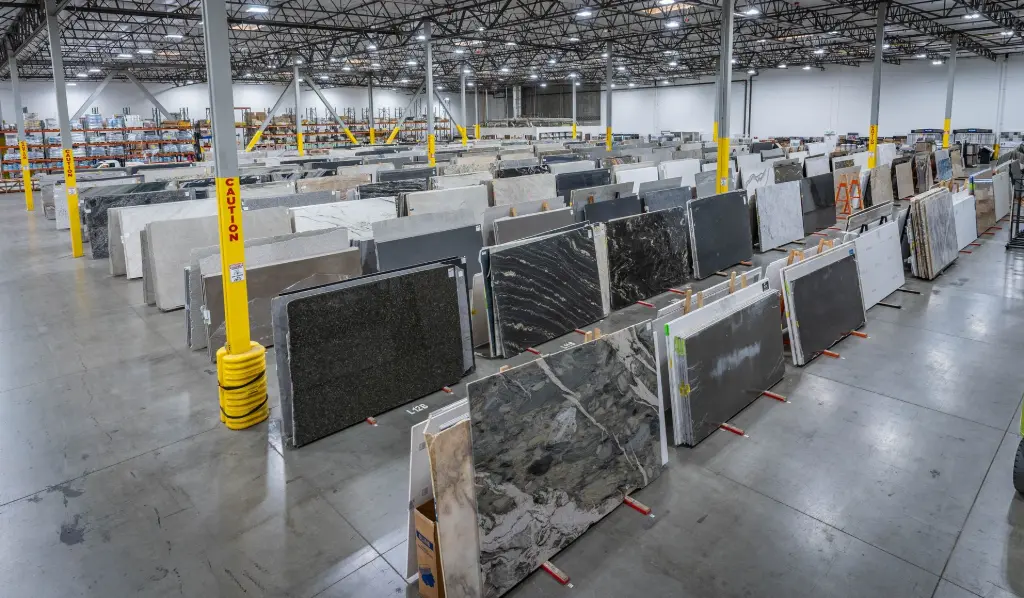
We carry a wide selection of natural marble slabs across our four showrooms in Northern Nevada and Northern California, with new inventory arriving regularly. This guide covers eight of the varieties we stock, including where each stone comes from, what it looks like, and why designers and homeowners continue to reach for it.
Our Reno, Minden, Sacramento, and Fernley locations each maintain rotating slab inventory, with new material arriving regularly. We offer home delivery across Northern Nevada and Northern California, freight shipping to most continental U.S. locations, and free design consultations at all showrooms to assist with material selection, finish recommendations, and fabricator coordination.
Terrazzo Marble: A Surface Born in Venice
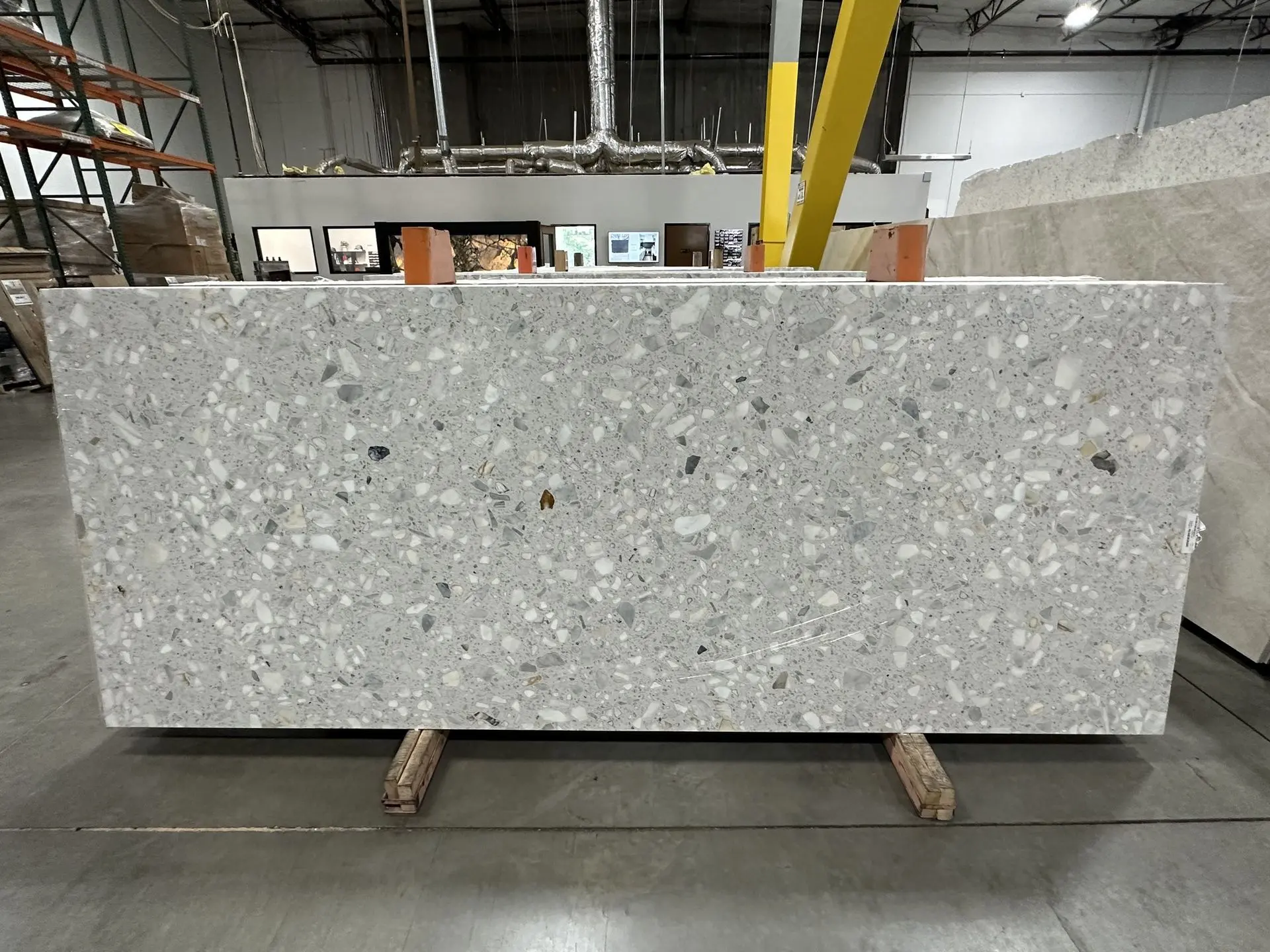
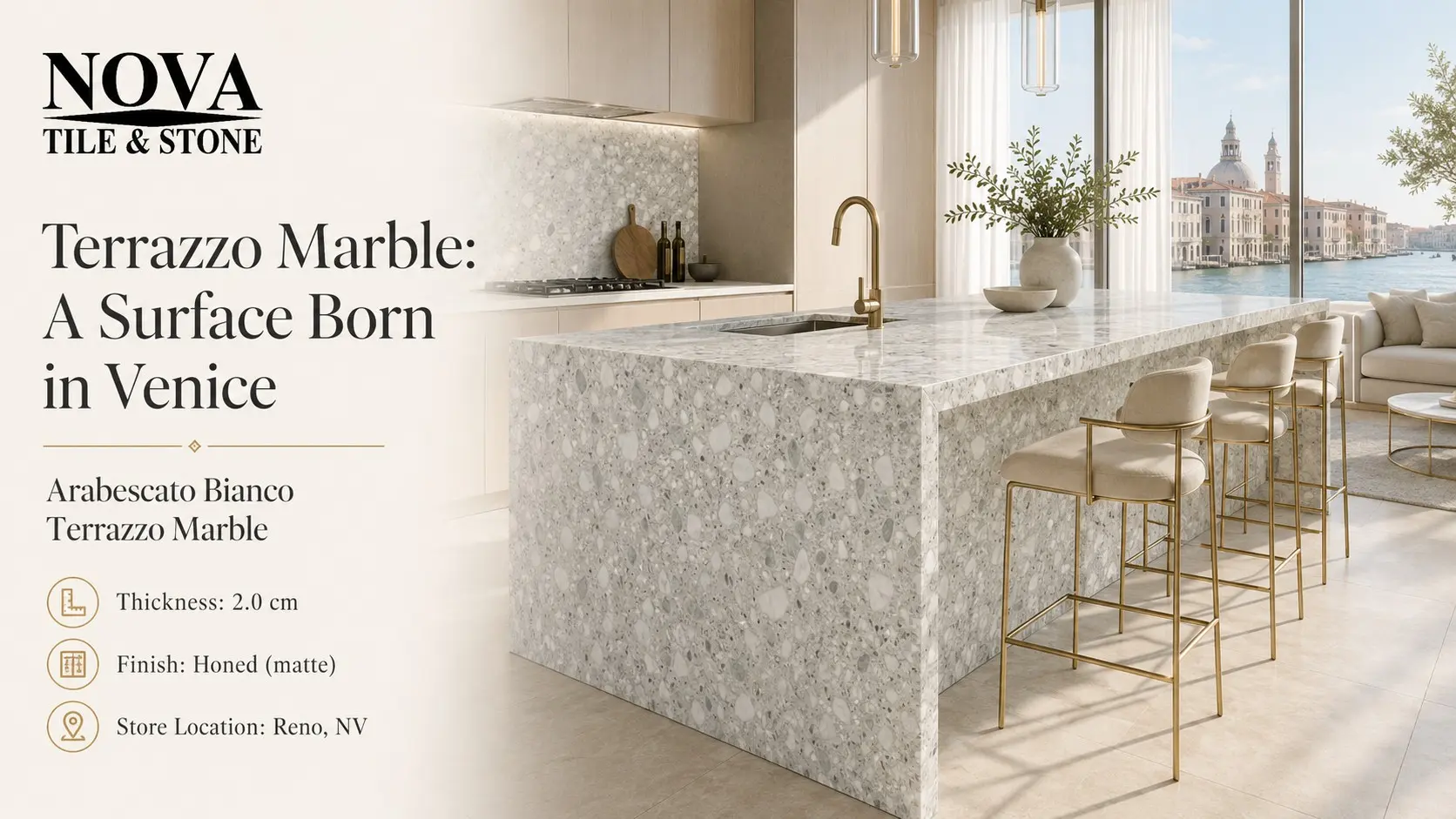
ARABESCATO BIANCO
Terrazzo Marble
Thickness: 2.0 cm
Finish: Honed (matte)
Store Location: Reno, NV
Terrazzo isn't a marble type in the traditional sense, but because it's made from marble aggregates and is frequently considered alongside natural stone slabs, it earns a place in this guide. Terrazzo is one of the oldest surface materials in the world, and one of the few with an origin story rooted in resourcefulness rather than luxury. It was born in 15th-century Venice, when mosaic workers discovered they could repurpose the marble chips left over from high-end construction projects by embedding them into a clay or mortar base, then grinding and polishing the surface smooth. The Italian word terrazzo means terrace, a reference to those early residential surfaces Venetian craftsmen made for themselves with leftover stone. The first sealer they used was goat's milk, which workers noticed brought out the depth and sheen of the marble.
The National Terrazzo and Mosaic Association traces the formal guild history of terrazzo workers in Venice to 1583, when the Venetian Council of Ten granted a group of Friulian craftsmen the right to establish a school dedicated to the trade. The material traveled from Venice to the rest of Europe and eventually to the United States, where Italian immigrant craftsmen introduced it in the 1890s. The invention of the electric grinder in 1924 transformed terrazzo production, allowing for finer finishes and lower costs. Within a decade it had become the flooring of choice for American modernism, appearing in Radio City Music Hall, the Solomon R. Guggenheim Museum, and the Space Needle in Seattle.
Modern terrazzo slabs are composed of marble aggregates set in a resin or cementitious binder, then ground and polished to reveal the cross-sections of the stone chips. The result is a surface unlike any other: each slab contains chips of marble suspended in a field of color that can range from neutral grey to warm cream to deep charcoal. The aggregate composition and binder color vary by slab, so the surface pattern is never uniform across pieces. For countertops, feature walls, and flooring where material origin and surface character are part of the design intent, terrazzo is worth considering alongside natural stone slabs.
Bianco Marble: Italy's Classic White Stone
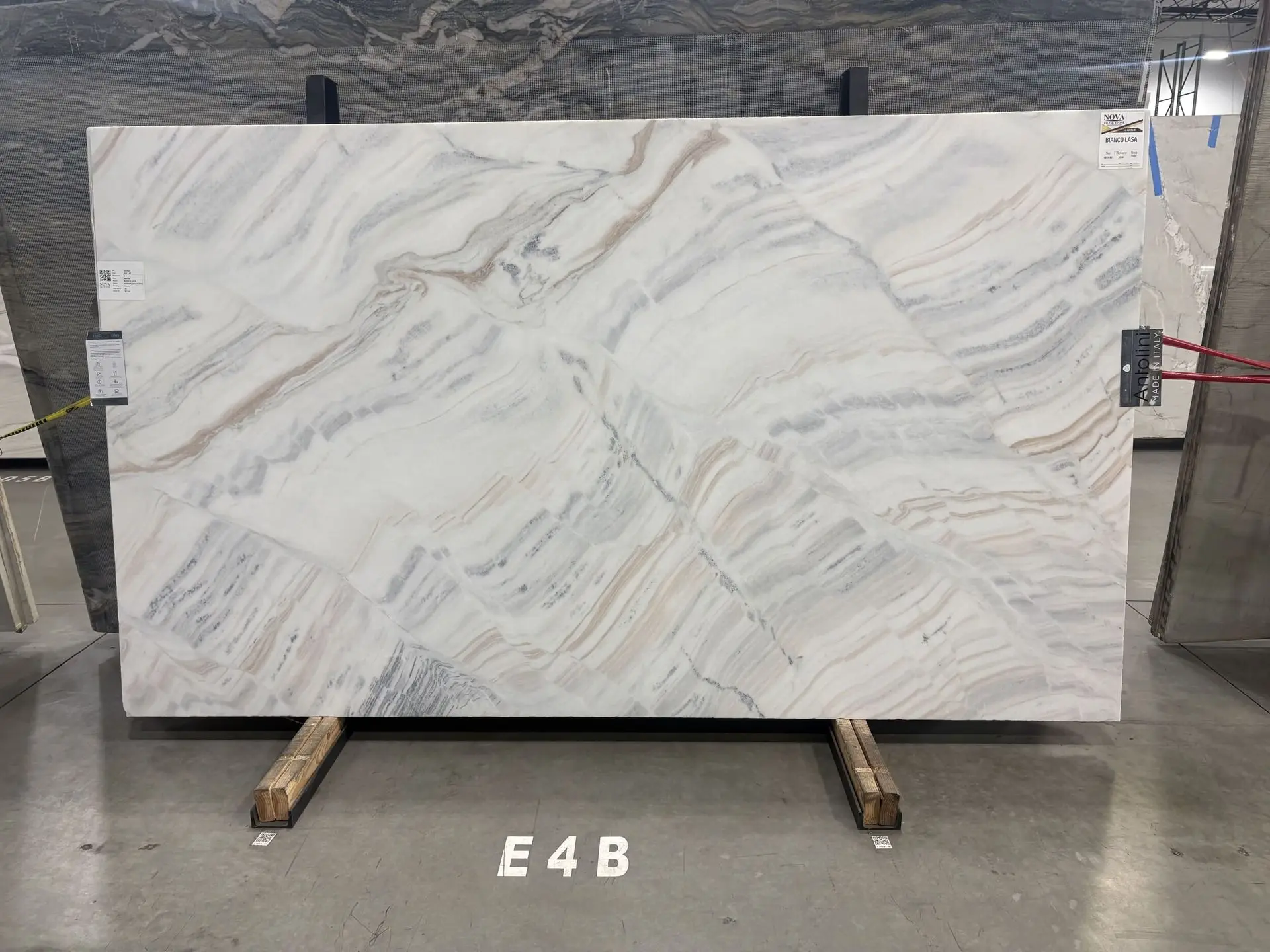
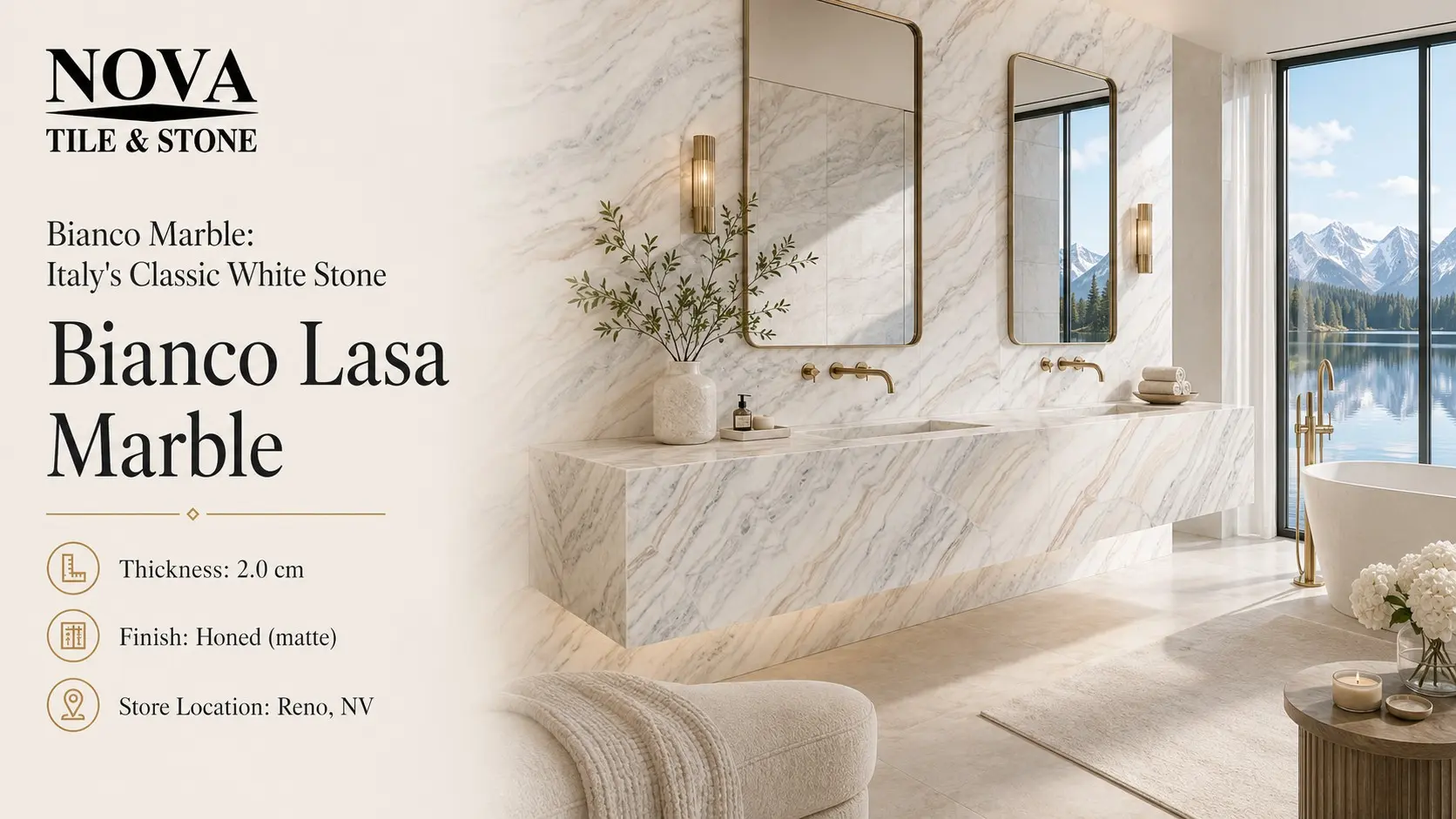
BIANCO LASA
Marble
Thickness: 2.0 cm
Finish: Honed (matte)
Store Location: Reno, NV
Bianco is the foundational white marble, the stone that architects, sculptors, and builders have returned to for more than two thousand years. Quarried in the Apuan Alps of northern Tuscany, it is formally classified among the white marbles of the Carrara region, distinguished from the grey and veined varieties by its near-pure, fine-grained white base with minimal additional coloration. A University of Siena study commissioned by the Tuscany regional government identified Bianco as one of the three primary white marble categories extracted from the Carrara quarries, alongside Statuario and the ordinary white grades.
The ancient Romans knew it as marmor lunense, marble of Luni, after the port from which it was exported. It surfaced the Pantheon, the Temple of Concord, Trajan's Column, and many of the most celebrated structures of the Roman Empire. Centuries later, Renaissance sculptors selected the purest blocks from the same quarries for monumental work. Michelangelo made numerous trips to the Carrara quarries over the course of his career, selecting material block by block for the Pietà, the David, and the Moses. His first documented visit dates to autumn 1497, and records of his presence in the quarries continue through 1525.
Bianco is a practical choice for designers who want a white stone that reads as continuous and luminous across large surfaces. It amplifies natural light without introducing strong pattern or color, and holds a consistent character across flooring, shower walls, and vanity applications. It is suited to both minimalist and classical interiors because its surface character is understated.
Calacatta Marble: Bold Veining from the Apuan Alps
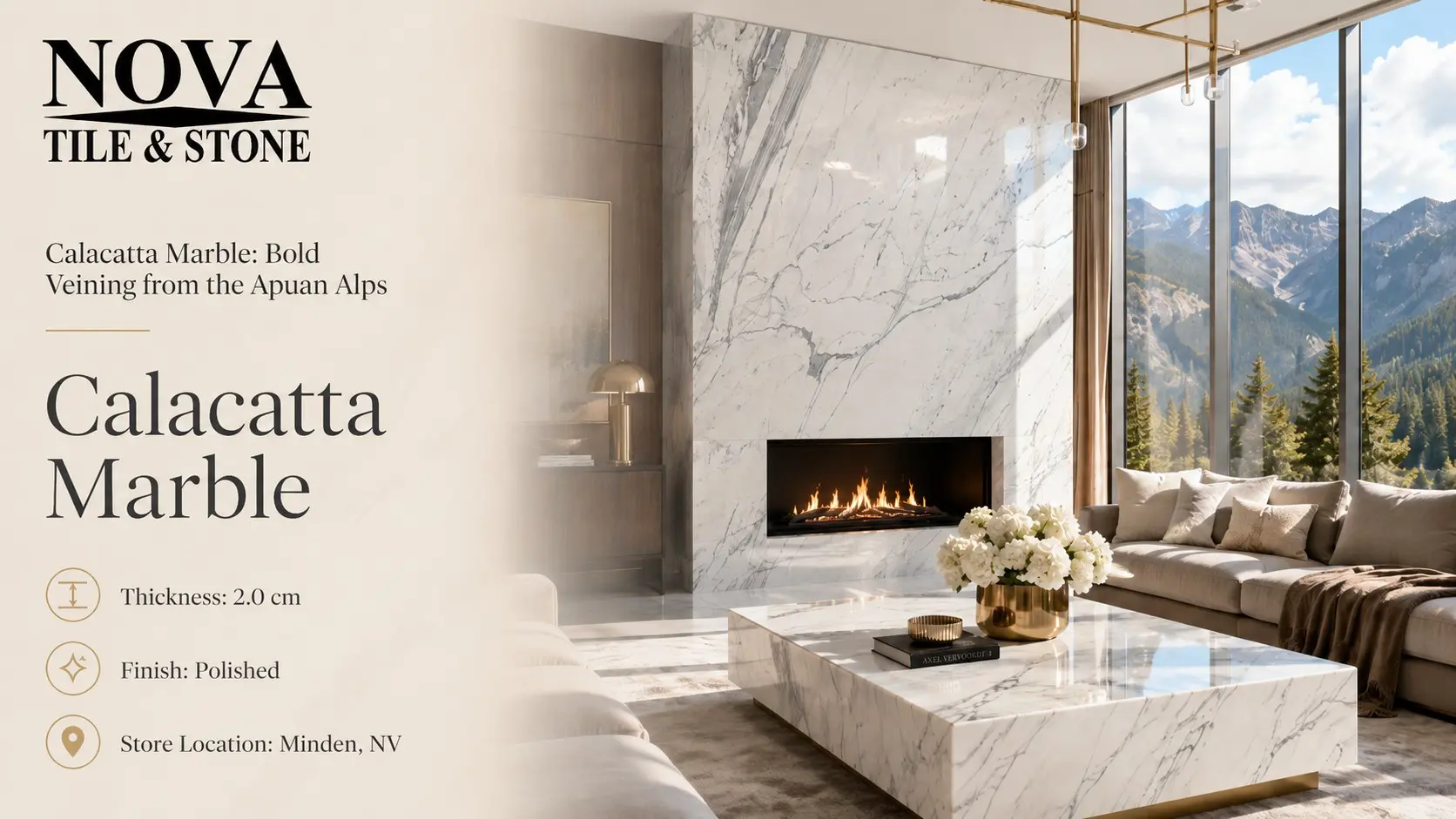
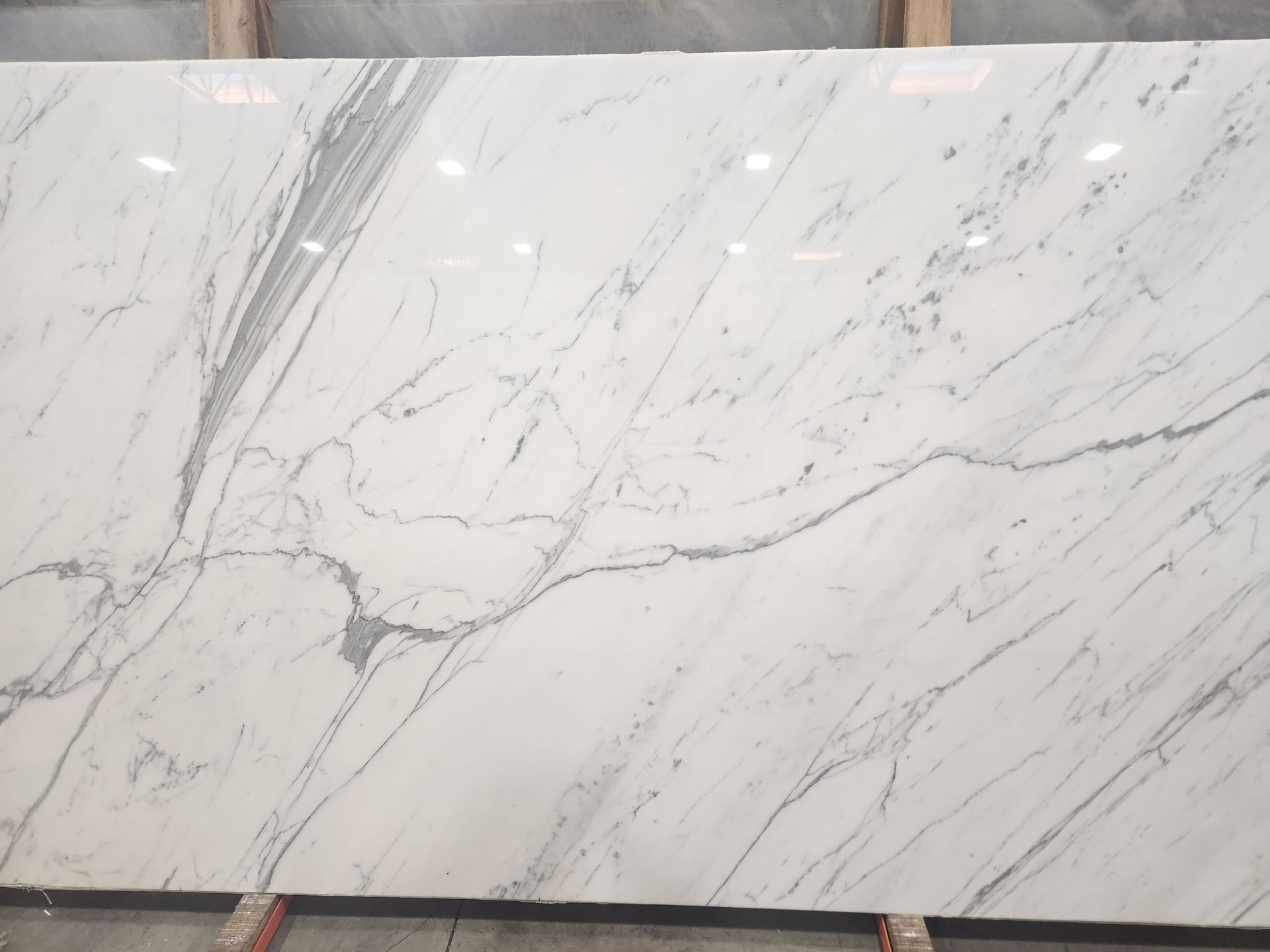
CALACATTA
Marble
Thickness: 2.0 cm
Finish: Polished
Store Location: Minden, NV
Calacatta occupies a different tier from most white marbles. It comes from the same mountain range as Bianco, the Apuan Alps of northern Italy, but from a far smaller number of quarries, many of which operate as gallery quarries carved into the interior of the mountain rather than extracted from open faces. Output is restricted by comparison, and the stone itself is visually bolder, with a brighter white base and veining that is thicker, more dramatic, and more varied in color. Where Bianco is understated, Calacatta is expressive.
The veining in Calacatta is wider and more expressive than in Bianco, and frequently warmer in tone, running from grey to taupe to gold depending on the specific slab and quarry. Because adjacent slabs cut from the same block mirror each other, they can be bookmatched to create symmetrical compositions across an island or wall.
Calacatta marble has appeared in palaces and cathedrals across Europe for centuries. In contemporary design it is commonly specified for kitchen islands, bathroom feature walls, and fireplace surrounds where a high-contrast white stone is part of the design brief.
Graphite Marble: Deep Grey with Classical Roots
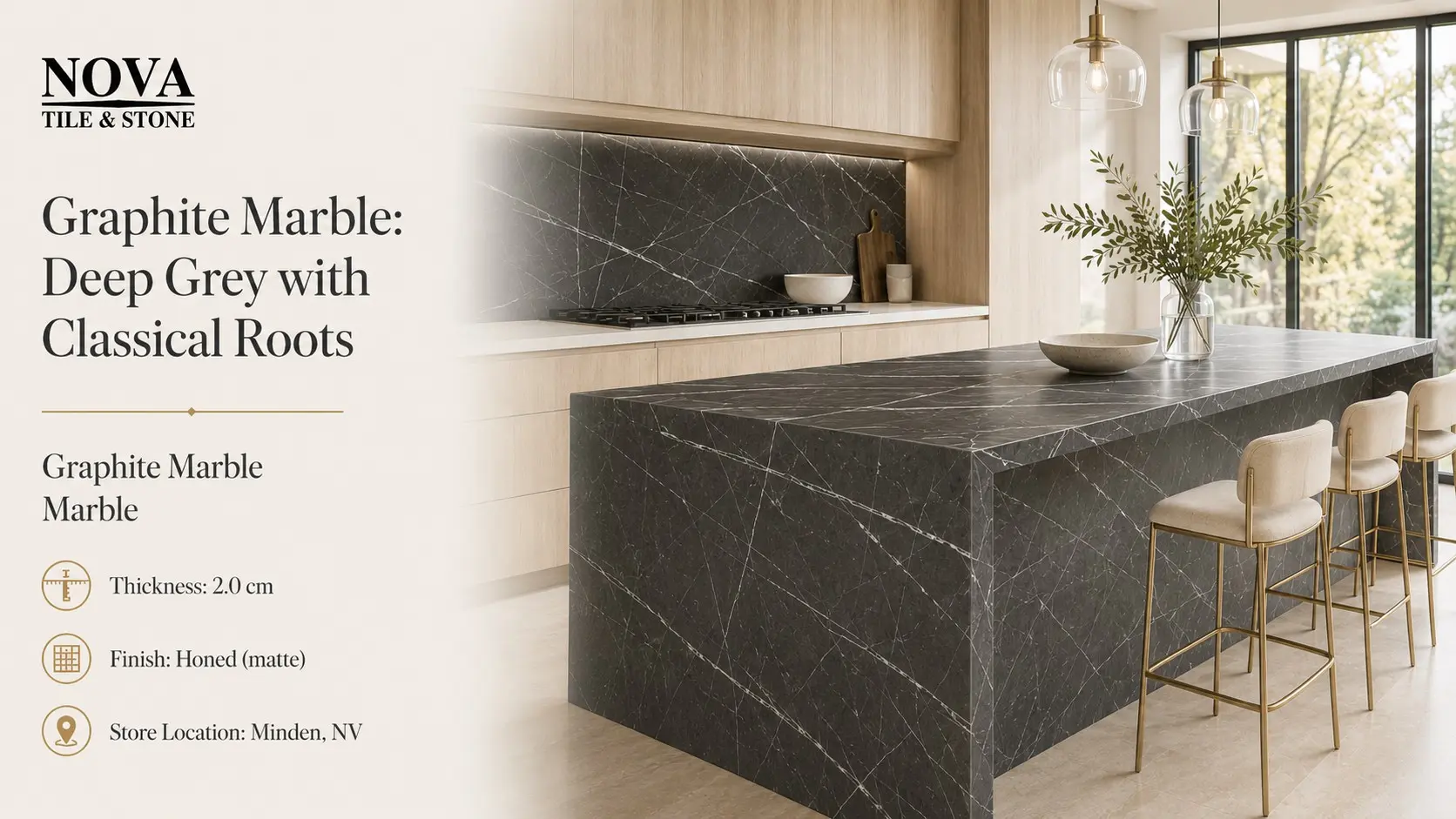
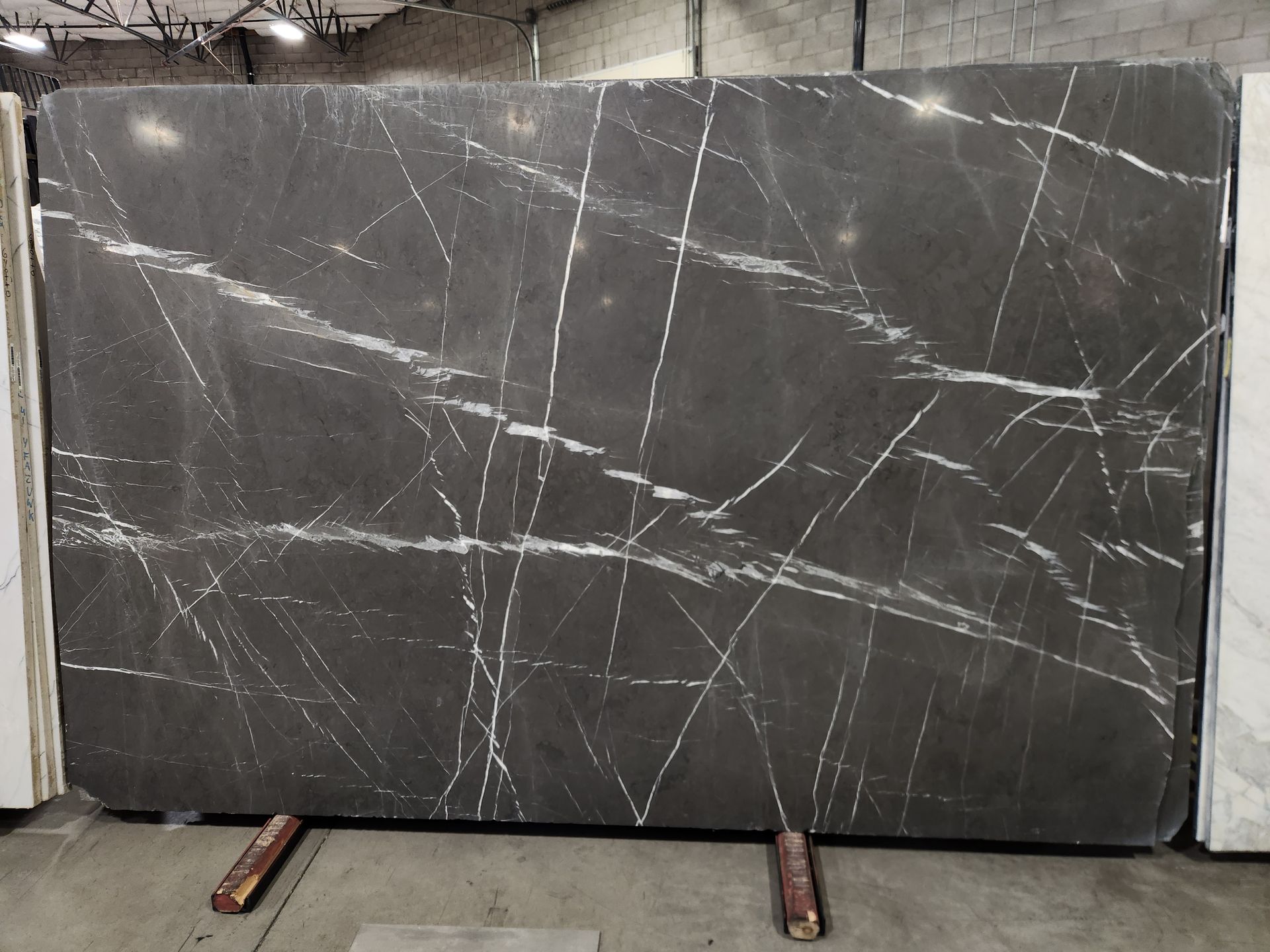
GRAPHITE MARBLE
Marble
Thickness: 2.0 cm
Finish: Honed (matte)
Store Location: Minden, NV
Graphite marble takes its name from its coloration rather than its mineral content. The deep grey tone that defines it is the result of carbonaceous material, including graphite and organic carbon compounds, present in the original limestone before metamorphism. As heat and pressure transformed the stone, those carbon compounds were distributed through the calcite matrix, producing a dense, cool-toned grey that sits somewhere between silver and charcoal depending on the finish and the light.
The Romans were among the first to exploit grey and dark marbles for their visual contrast against white stone. In the centuries that followed, the tradition of using darker marbles as a foil to light-colored surfaces became a defining feature of Italian palazzo interiors, where grey stone floors and wall panels gave monumental rooms their sense of gravitas.
As a countertop, Graphite pairs naturally with white cabinetry, brushed metal fixtures, and warm wood tones. Unlike black marble, which can overwhelm a space if used broadly, Graphite is versatile enough to work across entire kitchens, bathrooms, and feature walls without demanding constant visual attention.
Nero Portoro Marble: Black and Gold from the Gulf of Poets
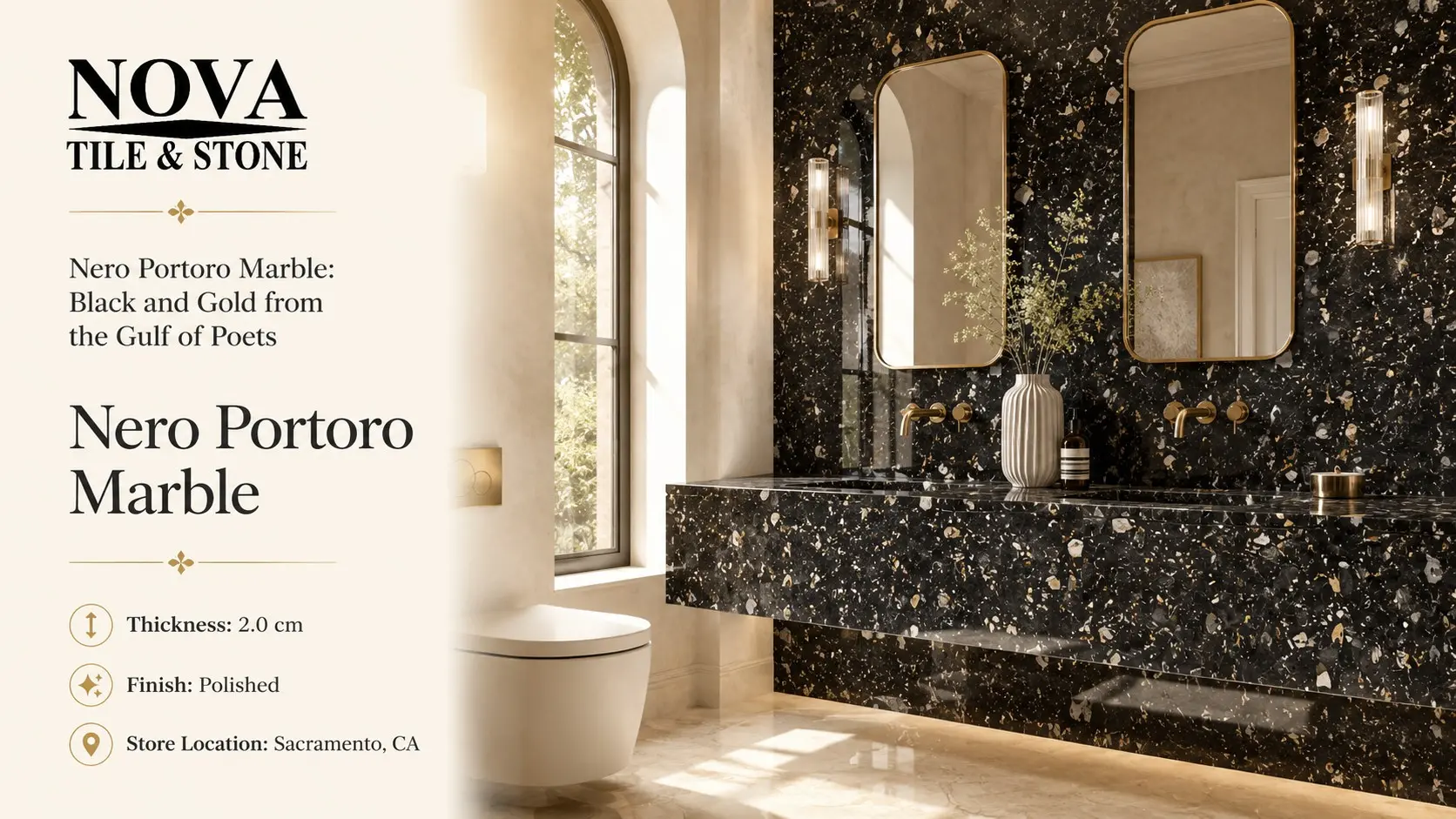
NERO PORTORO
Marble
Thickness: 2.0 cm
Finish: Polished
Store Location: Sacramento, CA
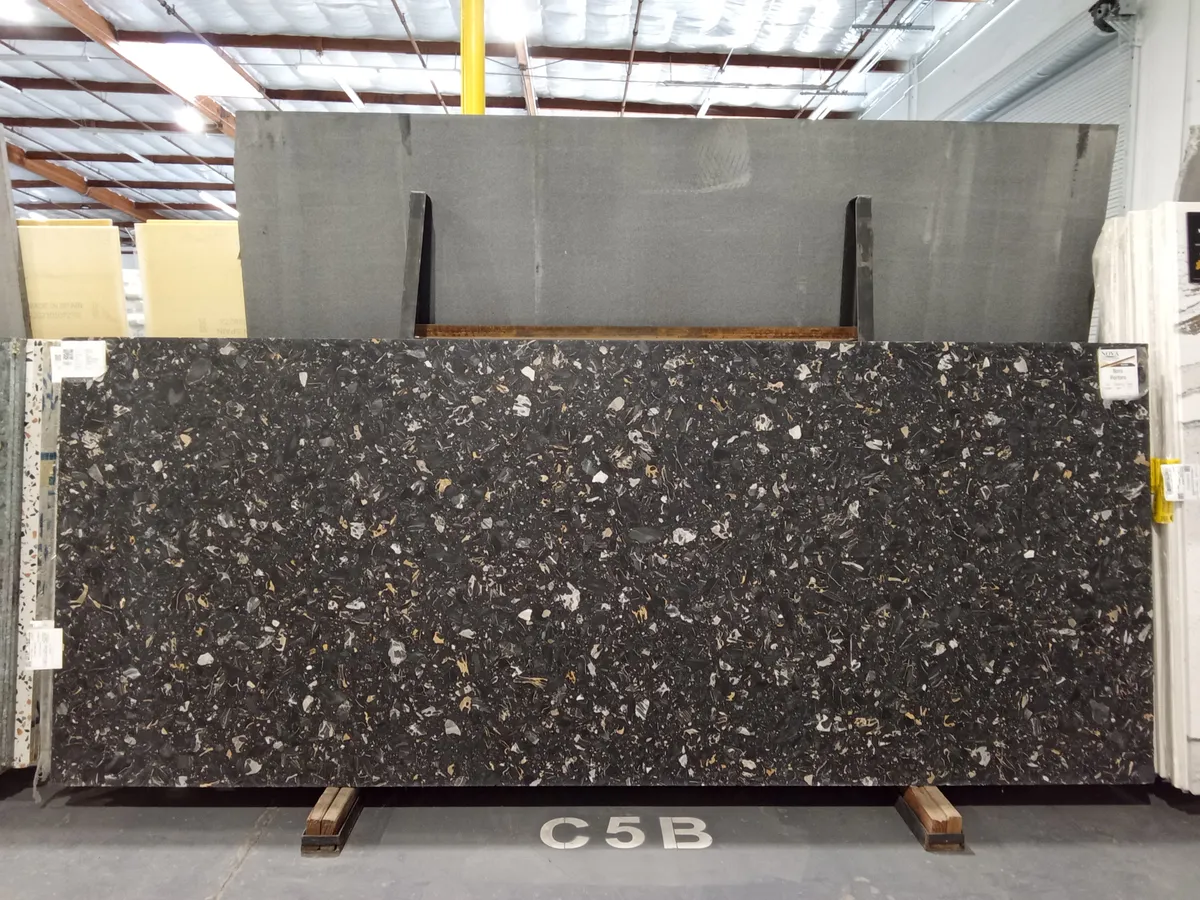
Nero Portoro is a black Italian marble quarried from the promontory of Portovenere on the Ligurian coast of Italy, just south of La Spezia in the coastal area known as the Gulf of Poets. Its black base is crossed by veins of flowing gold that derive from limonite and ocher minerals that oxidized within the organic-rich marine sediment from which the stone formed approximately 200 million years ago.
The name derives from the French porte d'or, meaning golden door, a name given during the period of French occupation in the region. Since the Middle Ages, Portoro has been used throughout the churches and palaces of Genoa. By the 17th century it had spread to religious buildings across Italy, appearing in St. Mark's Basilica in Venice. In the 19th century it reached the palaces and estates of Switzerland, Belgium, and France, including the Halls of Versailles.
Today, Nero Portoro is most often used in interior applications where the stone's pattern is the primary visual element. Common applications include kitchen islands, fireplace surrounds, and vanity walls. Because of its strong coloration and vein movement, it is typically used as a feature surface rather than across broad areas.
Palazzo Marble: Warm Tones Rooted in Italian Palace Design
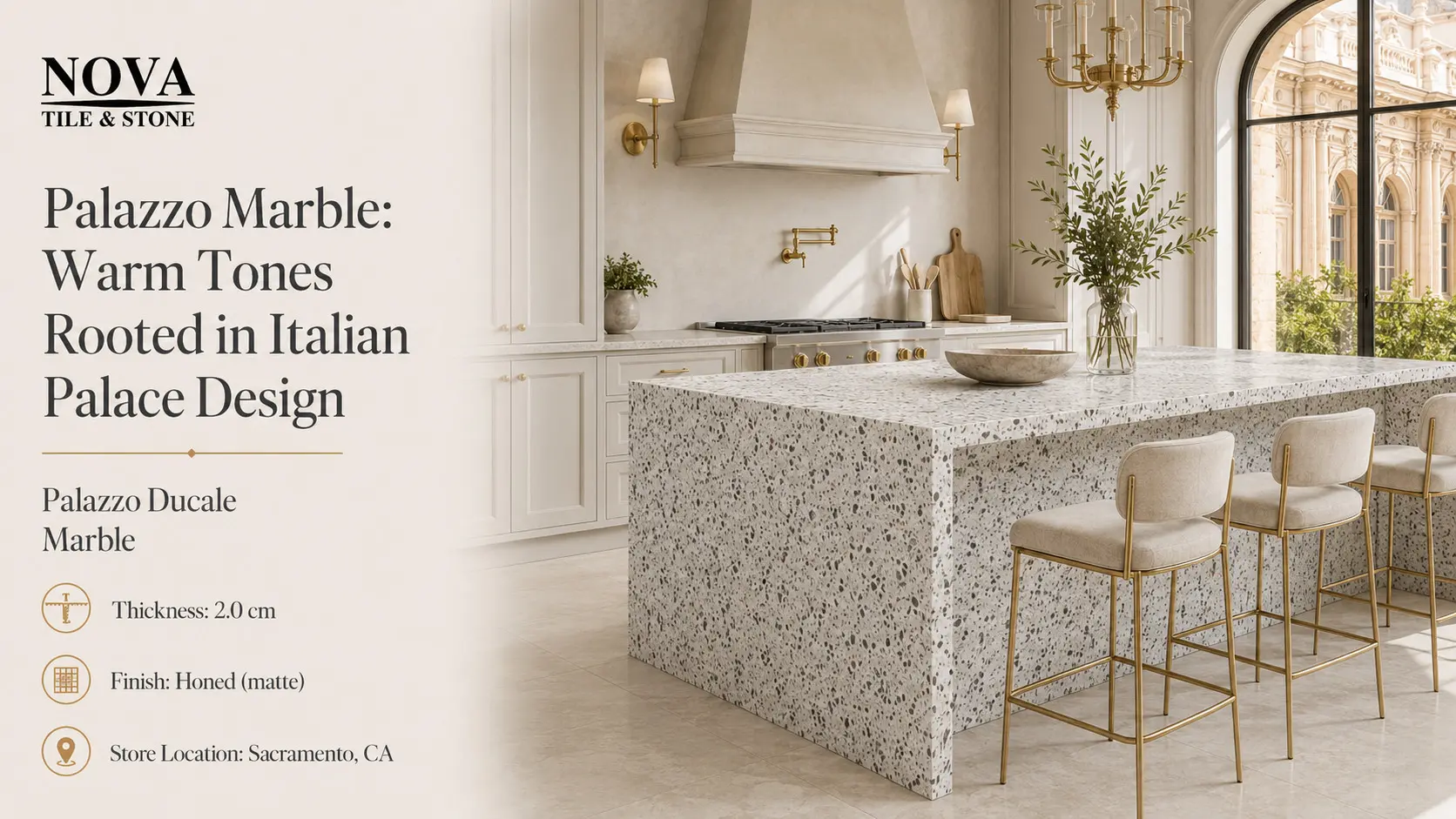
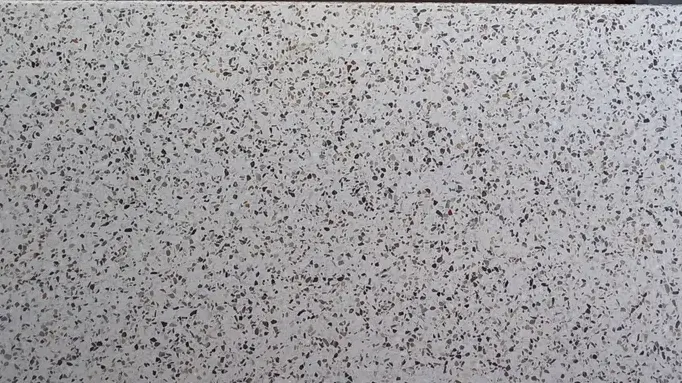
PALAZZO DUCALE
Marble
Thickness: 2.0 cm
Finish: Honed (matte)
Store Location: Sacramento, CA
The word palazzo is Italian for palace, and that heritage is reflected in the character of the stone. Palazzo marble presents a warm, composed surface, typically a creamy white to soft beige base with grey veining that moves across the slab in a measured way. It is a marble that references the interiors of Italy's great Renaissance and Baroque palaces, where stone surfaces were selected for their neutral warmth and the way they aged within a space alongside wood paneling, painted ceilings, and gilded detail.
The warm base of Palazzo sits between pure white and obviously colored, which makes it adaptable across a range of design palettes. It works alongside both warm and cool finishes, pairs naturally with brushed brass and matte black hardware, and holds its character across countertops, bathroom walls, and island applications.
Marble has been a consistent material in palace interiors across Italy and Europe for centuries, chosen by builders who prioritized stone for its durability and the way it aged within a space. Palazzo marble fits that same approach in contemporary applications, suited to projects where the stone is expected to remain in place for an extended period.
Palladio Marble: Classical Proportion in Stone
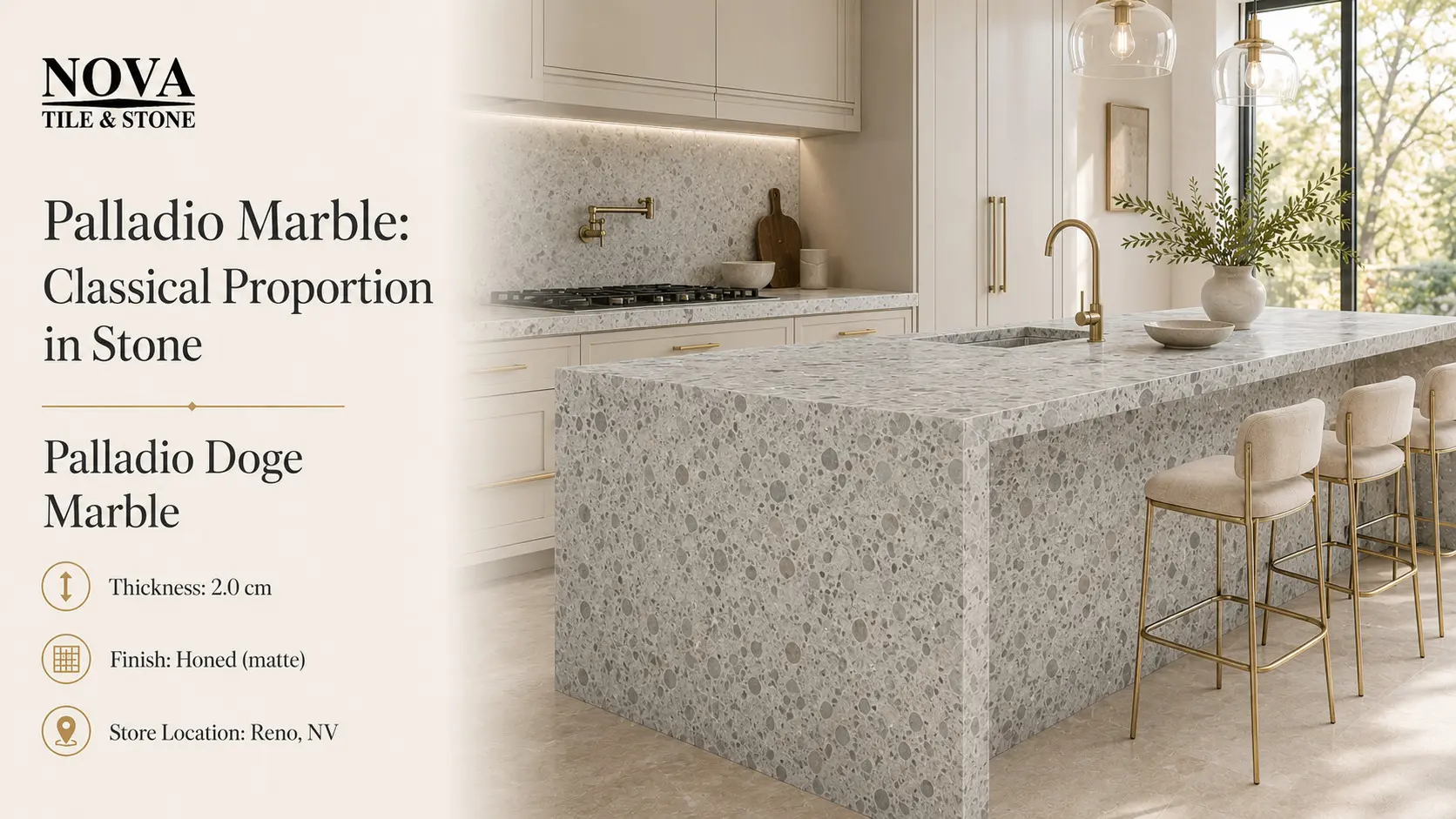
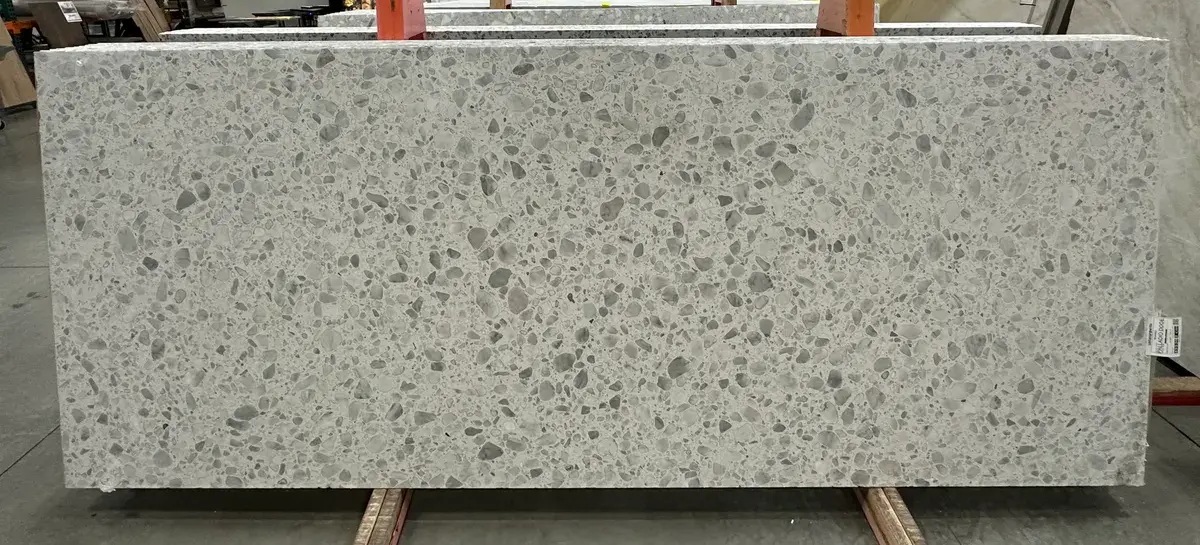
PALLADIO DOGE
Marble
Thickness: 2.0 cm
Finish: Honed (matte)
Store Location: Reno, NV
The name Palladio honors one of the most influential figures in the history of architecture. Andrea Palladio, born in Padua in 1508, spent his career studying the ruins of ancient Rome and translating classical principles of proportion, symmetry, and order into a new architectural language. His villas and public buildings across the Veneto, including the Villa Rotonda and the Basilica Palladiana in Vicenza, established a visual standard that shaped Western architecture for the next three centuries. Palladianism reached England, then North America, and eventually influenced the design of government buildings, universities, and country houses across the world.
The marble that carries his name reflects those same values. Palladio presents a refined surface, typically grey and white in tone, with veining that is structured rather than expressive. It is suited to classical and transitional interiors where a consistent, measured pattern is preferable to the contrast of a high-impact stone.
Where Calacatta is expressive, Palladio is organized. The two stones represent different approaches to how a material can function within a space, and both are valid depending on the design goals of the project.
Zebrino Bianco Marble: A Rare Striped Stone from Carrara
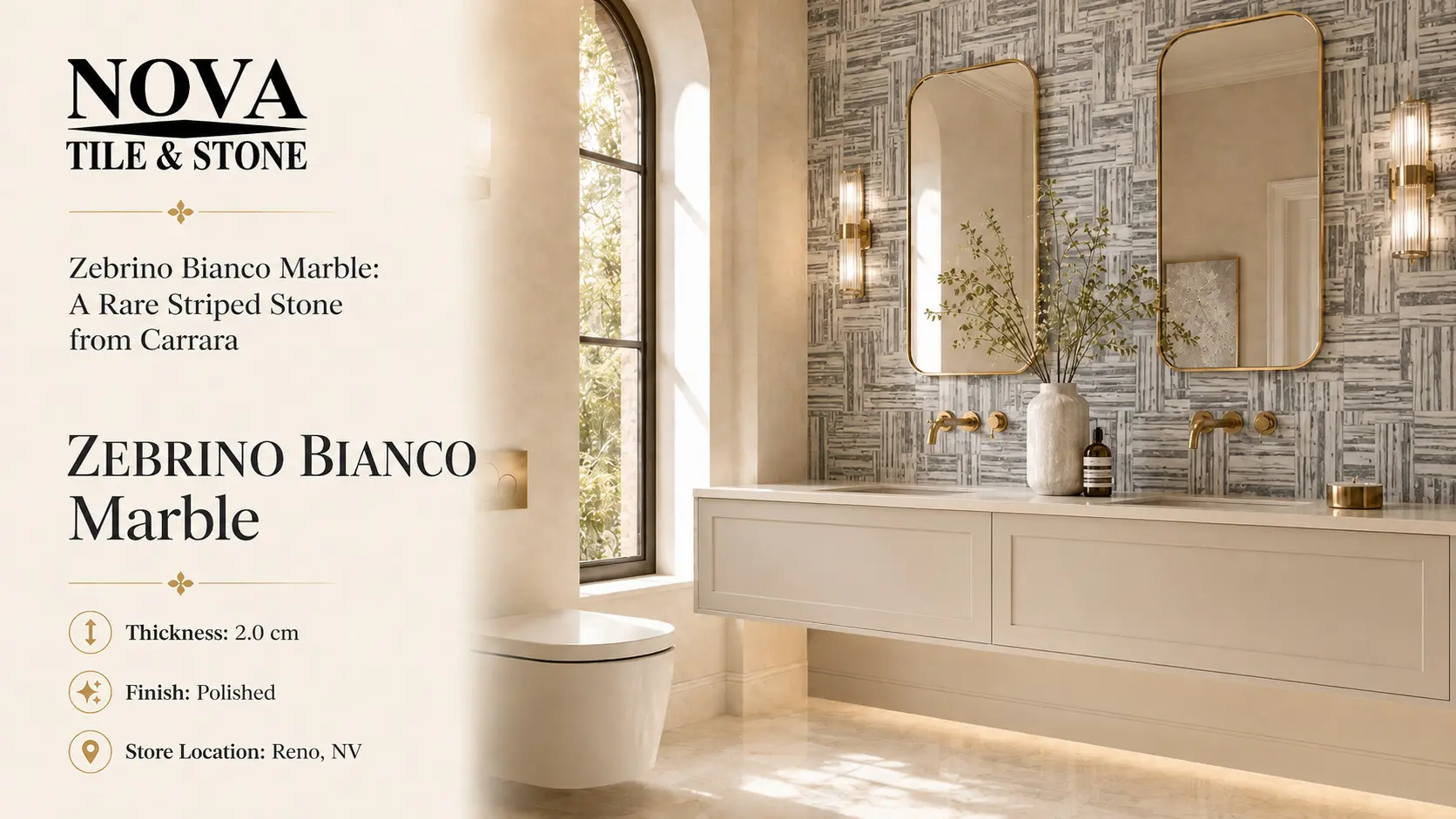
ZEBRINO BIANCO
Marble
Thickness: 2.0 cm
Finish: Polished
Store Location: Reno, NV
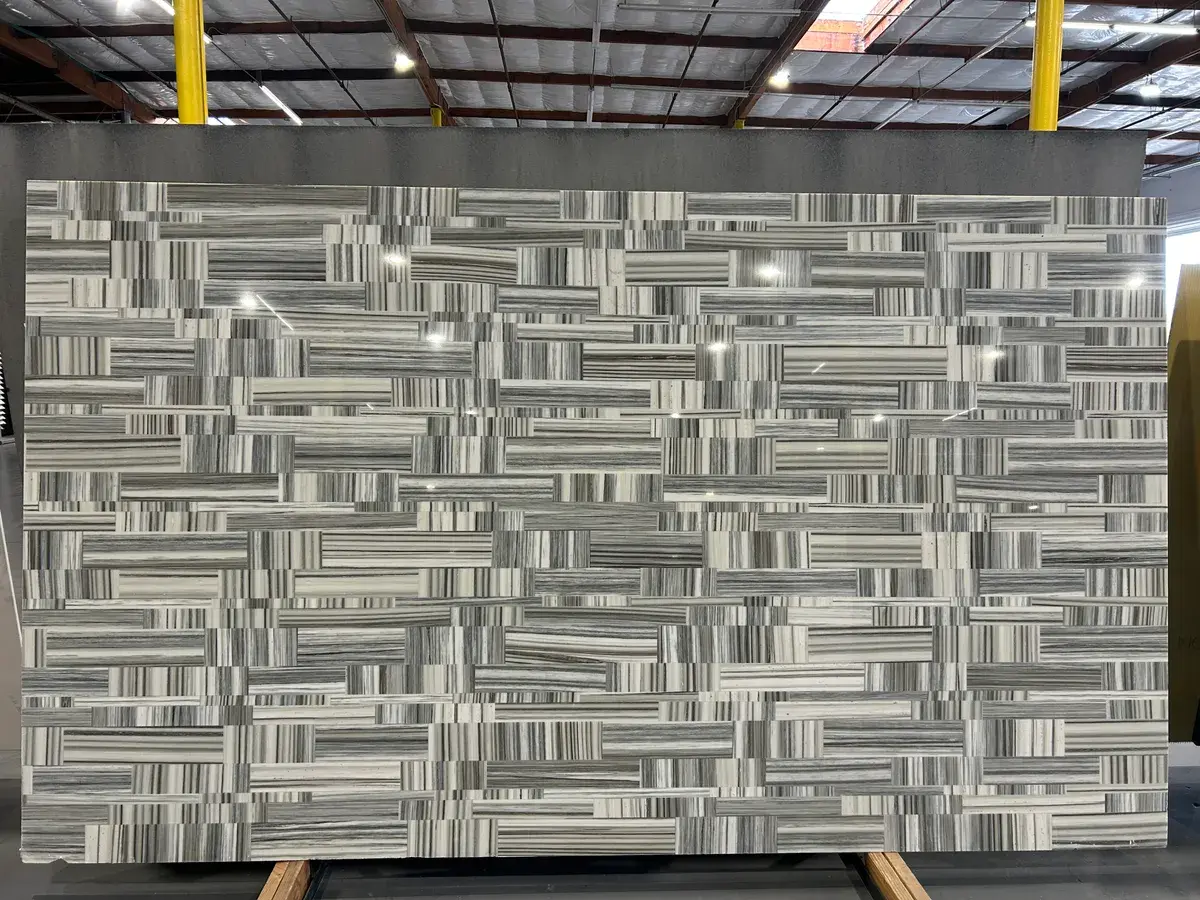
Zebrino Bianco is among the rarest marbles extracted from the Carrara region. Its name is self-explanatory: a white or light grey base crossed by long, horizontal bands of dark grey or near-black that recall the coat of a zebra. The Carrara Marble Tour, which documents the typologies of Carrara marble based on a regional study commissioned by the Tuscany government, classifies Zebrino among the grey and veined marbles, defined by its fine grain and its distinctive, broad horizontal veins. Production has always been extremely limited, and availability today remains scarce.
What distinguishes Zebrino Bianco from other veined marbles is the graphic quality of the veining itself. The bands do not branch or scatter the way most marble veins do. They run in parallel, creating a surface with strong directional energy and an almost architectural rhythm. Installed vertically, the dark bands seem to extend in a continuous pattern, giving walls a visual depth that few other materials can produce. Installed horizontally, the pattern reads as a layered surface, like a cross-section of geological strata.
Because of its rarity and the intensity of its patterning, Zebrino Bianco is most often used in feature applications rather than across broad surfaces. A full-height shower wall, a single slab island, a vanity top chosen specifically for its surface character. Internationally, architects have specified it for focused installations where the stone is given space to read clearly.
See Every Slab in Person
Marble type described here can be viewed in person across our showroom locations. We carry a rotating inventory of natural stone slabs sourced directly from quarries, and our design team is available for free consultations at any location. Whether you are drawn to the clarity of Bianco, the contrast of Nero Portoro, or the graphic character of Zebrino Bianco, browsing the Nova Tile and Stone slab inventory is a useful first step before committing to a material.
To see slabs in context and get guidance on finish, thickness, and application, find a showroom near you or schedule a free design consultation with one of our stone specialists. If you already have a project in mind, you can also request a slab quote and a member of our team will follow up.
Contractors, designers, and architects working on residential or commercial projects are welcome to apply for a trade account for dedicated project support.
For fabricators and trade professionals evaluating material options, the CDC and NIOSH have published guidance on engineered stone and silica exposure that may be relevant when advising clients on natural versus engineered stone selections.
Note: Some images on this page may be conceptual renderings created to illustrate design possibilities and may not depict actual installations.
Frequently Asked Questions
What types of marble does Nova Tile and Stone carry?
We carry eight marble varieties in our slab inventory: Terrazzo, Bianco, Calacatta, Graphite, Nero Portoro, Palazzo, Palladio, and Zebrino Bianco, alongside a broader selection of natural stone slabs available across our four showroom locations.
What is the difference between Bianco and Calacatta marble?
Both originate from the Apuan Alps in northern Italy, but Bianco features a fine-grained, near-pure white base with subtle grey veining, while Calacatta has a brighter white base and bolder, more expressive veining in grey or gold tones. Calacatta comes from a smaller number of quarries and is the rarer and more visually dramatic of the two.
What is Zebrino Bianco marble?
Zebrino Bianco is a rare Italian marble from the Carrara region with a white or light grey base crossed by long, horizontal dark grey bands that resemble the striped coat of a zebra. It is classified among the grey and veined Carrara marbles and is one of the most limited-production varieties extracted from the Apuan Alps.
What is Nero Portoro marble?
Nero Portoro is a black Italian marble quarried near Portovenere on the Ligurian coast. Its black base is crossed by flowing veins of gold and white, the result of limonite and ocher minerals that formed within the stone over approximately 200 million years. It has been used in Italian churches, European palaces, and luxury interiors since the Middle Ages.
Which marble type is best for kitchen countertops?
The right choice depends on the design goals of the space. Calacatta and Bianco are widely used in kitchen applications and pair well with a range of cabinetry finishes. Graphite and Palazzo work well in kitchens where a warmer or darker palette is preferred. All natural marble countertops require periodic sealing and prompt spill cleanup to maintain their appearance over time.