What Makes Travertine One of the Best Natural Stone Slabs Available Today?
Few building materials carry the warmth, depth, and timeless character that travertine brings to a space. Whether you are reimagining your kitchen, refreshing a covered patio, or cladding an exterior wall, this stone delivers effortless beauty in every setting. As one of the most versatile natural stone slabs on the market, travertine bridges the gap between classic elegance and real-world performance.
Travertine is a calcium carbonate stone formed from mineral-rich spring deposits, prized for its warm tones and natural texture. It works across floors, patios, pool decks, and exterior walls, making it one of the most adaptable options in natural stone. With the right finish and proper sealing, it performs well in both interior and outdoor environments.
In this guide, you will explore the core benefits of travertine, learn how it applies across different project types, and get practical tips for choosing the slab that fits your vision. By the end, you will have the knowledge to move forward with confidence.
Why Travertine Outperforms Expectations on Floors, Patios, and Beyond
Travertine has earned its place in architecture for centuries, and for very good reason. Formed through natural mineral deposits, each slab carries a surface that no manufacturing process can replicate. The natural pits, veins, and tonal shifts are part of its identity, not imperfections.
Beyond its visual appeal, travertine offers measurable performance advantages for both interior and exterior use. Its natural density handles heavy foot traffic without degrading quickly. Its surface temperature stays noticeably cooler than concrete or dark porcelain under direct sun, a quality that matters significantly on patios and pool decks.
Selecting travertine also opens the door to more sustainable sourcing choices. Buyers looking to verify environmental performance can review environmental product labels for natural stone before committing to a supplier.
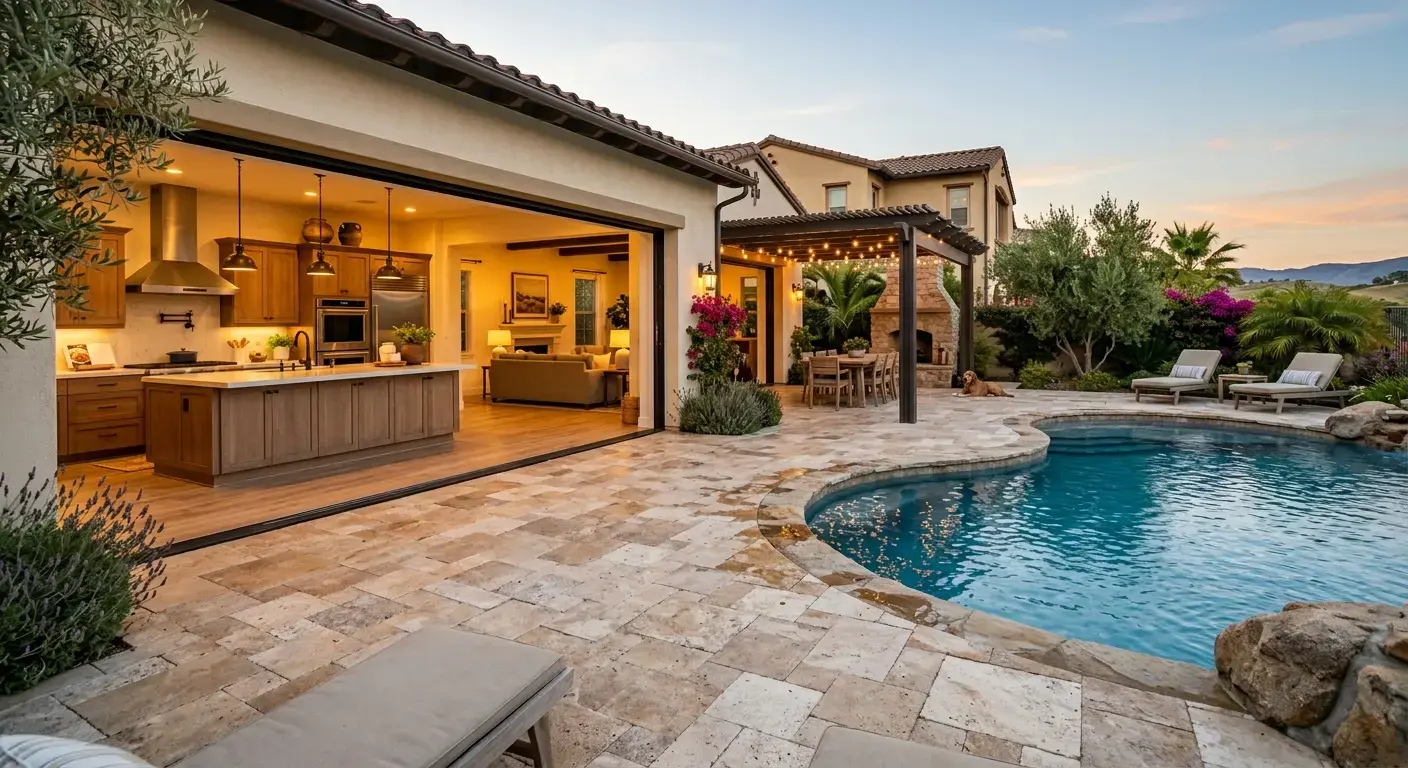
Key advantages travertine brings to any project:
- Long-lasting durability suited for floors, exterior walls, and high-use outdoor surfaces
- Natural slip resistance in tumbled or brushed finishes, ideal for patios and pool decks
- Cooler surface temperature in sun-exposed areas compared to manufactured alternatives
- Compatibility with radiant floor heating systems for climate-controlled interiors
- Timeless aesthetic that supports strong property resale value
- Broad range of finishes from polished to split-face, covering nearly every design direction
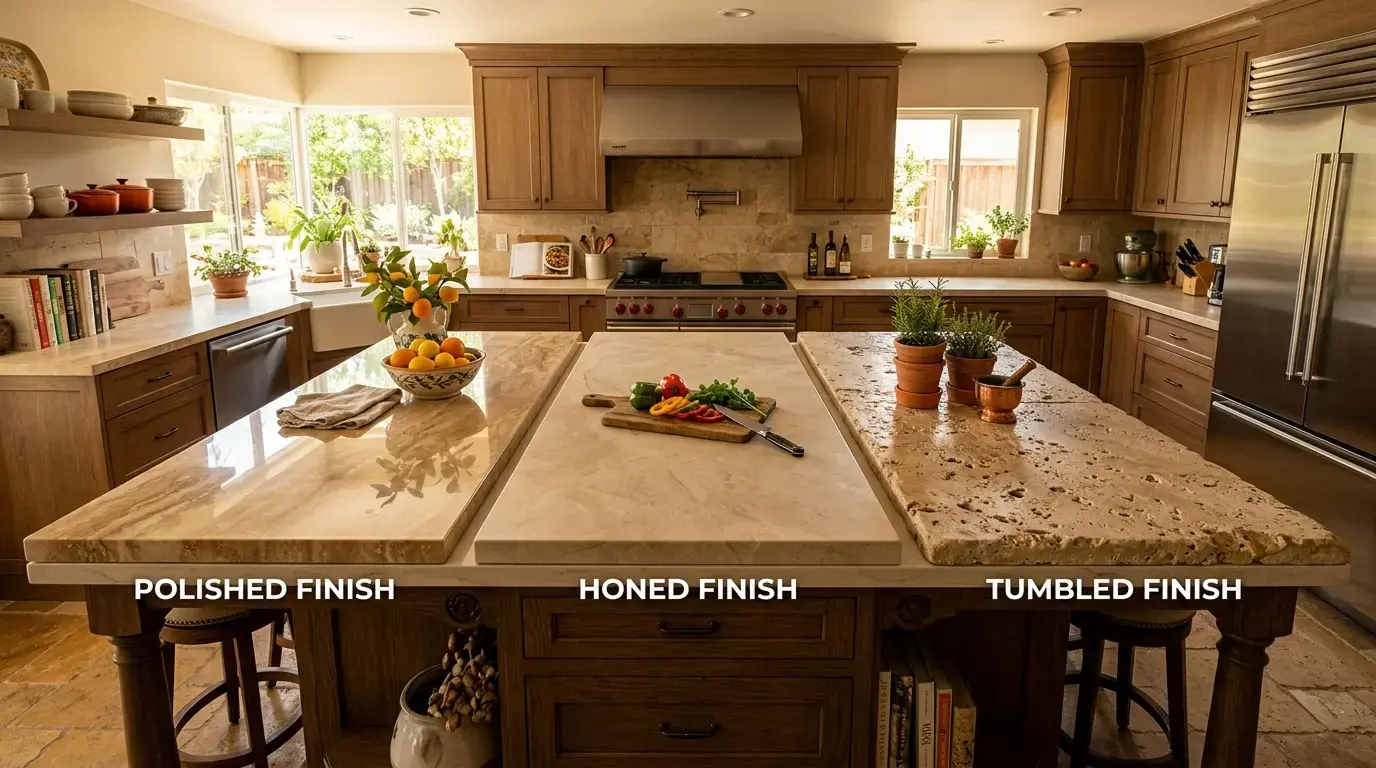
Practical tip: Always confirm the finish before placing an order. Polished travertine suits interior floors and accent walls. Honed or tumbled finishes are better suited for outdoor surfaces where traction and moisture management are priorities.
Travertine vs. Other Natural Stone: A Side-by-Side Comparison
| Feature | Travertine | Marble | Limestone |
| Durability | High | Moderate | Moderate |
| Heat Resistance | Excellent | Good | Good |
| Slip Resistance (textured finish) | Excellent | Fair | Good |
| Maintenance Level | Moderate | High | Moderate |
| Cost Range | Mid to High | High | Low to Mid |
| Best Suited For | Floors, Patios, Pool Decks, Walls | Interior Floors, Walls | Accent Features |
Creative Design Ideas: Indoor Floors to Outdoor Exterior Walls
Travertine adapts to a wide range of design contexts, which explains its enduring popularity across residential and commercial projects alike. Whether you are going for a warm Mediterranean courtyard feel or a clean contemporary interior, there is a travertine cut, tone, and finish to suit your direction.
Floors That Set the Tone for Every Room
Travertine floors create an immediate sense of substance and warmth. Large-format slabs work beautifully in open-plan kitchens and living areas. Smaller cuts suit bathrooms, entryways, and transitional spaces where intricate layout patterns work well. A filled-and-honed finish remains the most popular interior choice because it delivers a smooth surface without the high-gloss shine that polished stone produces.
Keeping travertine floors in excellent shape over time comes down to consistent maintenance. Following the care protocols outlined in the stone care guidelines provided by the Natural Stone Institute helps preserve both the finish and structural integrity of interior installations.
Patios and Pool Decks Designed for Outdoor Living
Few materials compete with travertine's suitability for patios and pool decks. Its natural porosity allows for slight water absorption, which keeps the surface temperature lower and reduces slipping hazards after rain or splashing. Tumbled travertine, in particular, is a leading choice for pool surrounds because the rounded edges and uneven surface texture are gentler underfoot.
Travertine patios also age with dignity. Light weathering adds visual character over time rather than diminishing the surface, which makes it a smart long-term investment for high-use outdoor spaces.
Exterior Walls With Natural Depth and Architectural Character
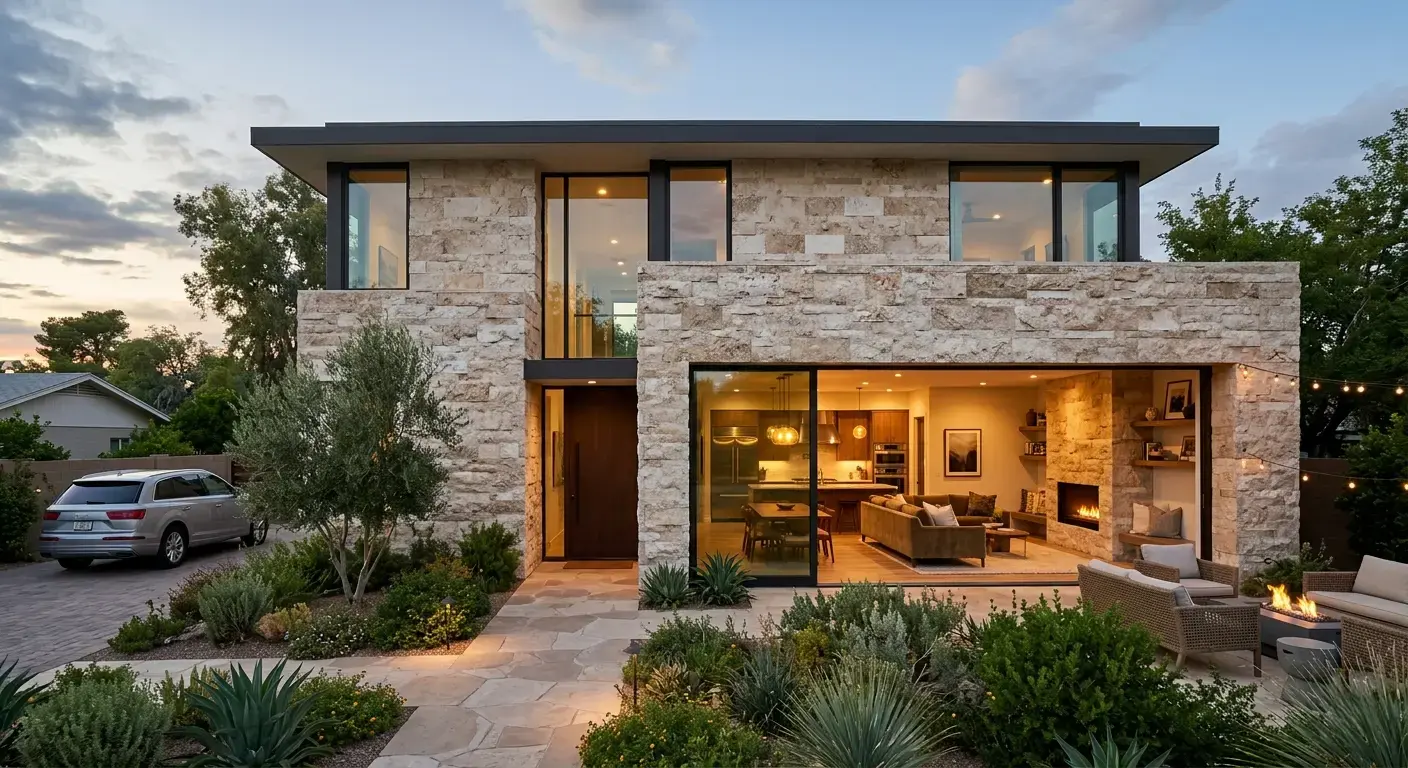
Travertine cladding on exterior walls adds a level of dimensional richness that painted surfaces simply cannot replicate. Split-face panels create a sculptural, textured appearance with strong shadow lines that shift throughout the day. Cut-to-size panels deliver a cleaner, more refined profile suited to contemporary architecture.
When installed correctly in accordance with established tile certification standards, travertine wall cladding holds up reliably across varied climates. Proper waterproofing membranes and compatible adhesives are critical for exterior applications to prevent long-term moisture intrusion.
How to Select the Right Travertine Slab: A Step-by-Step Guide
Choosing travertine becomes far more manageable with a structured approach. Here is a practical process to follow before purchasing:
- Define the application. Identify whether the travertine will be used on interior floors, interior walls, patios, pool decks, or exterior wall cladding. Each application calls for a different finish, thickness, and edge treatment.
- Choose the right finish. Polished suits interior accent walls and low-traffic floors. Honed works well for high-traffic interiors. Tumbled or brushed finishes are the preferred choice for wet outdoor areas and heavily used patios.
- Evaluate samples in the actual space. Travertine shifts in tone and warmth depending on the lighting conditions. Always review physical samples under the light present at the installation location.
- Calculate quantity with a buffer. Measure the total square footage carefully and add at least 10 to 15 percent to account for cuts, waste, and potential future repairs.
- Consult a stone specialist before ordering. A knowledgeable supplier can match your project requirements to the correct product, helping you avoid expensive selection mistakes.
Travertine Slabs: Pros and Cons at a Glance
Pros:
- Rich, natural aesthetic that adds genuine character to indoor and outdoor spaces
- Performs well across floors, patios, pool decks, and exterior walls
- Cooler to the touch than most manufactured alternatives in outdoor heat
- Compatible with rustic, Mediterranean, and contemporary design styles
- Supports strong long-term property resale value
Cons:
- Requires periodic sealing to resist staining and moisture absorption
- Natural pits in unfilled travertine need grouting for smooth interior use
- Greater weight than porcelain adds complexity to installation planning
- Batch-to-batch color variation can affect large projects requiring matched lots
Finding Premium Travertine Through a Reliable Stone Supplier
The quality of your travertine project depends significantly on the quality of the supplier behind it. Access to a wide selection, accurate product information, and knowledgeable staff makes the difference between a smooth process and a frustrating one.
Browse the full collection online to explore a curated range of travertine and other natural materials suited for every project scale. You can also review the complete slab inventory in advance to narrow your options before speaking with a specialist.
For buyers who prefer to see materials in person, showroom locations are available across Northern Nevada and Northern California. You can visit the Reno showroom, the Minden location, the Fernley showroom, or the Sacramento store to compare slabs side by side. If you want to connect with a nearby expert quickly, you can also shop local and find the most convenient location for your area.
Free samples are available, making it easy to test travertine options in your actual space before committing to a full order. Expert guidance covers everything from finish selection for a pool deck to sourcing consistent lots for a large exterior wall project.
Conclusion
Travertine earns its reputation as one of the most versatile and enduring choices in natural stone. Its warmth suits interior floors and accent walls just as naturally as it suits outdoor patios, pool decks, and exterior cladding. Whether you are drawn to its visual character, practical durability, or broad design compatibility, travertine natural stone slabs deliver on every level.
Define your project scope clearly, match the finish to the application, and partner with a supplier who brings genuine expertise to the process. Visit us today and explore your options with a trusted stone team and take the first step toward a space that reflects your taste and stands up to daily life.
Frequently Asked Questions
Is travertine a suitable choice for high-traffic floor areas?
Yes. When sealed properly and maintained with regular cleaning, travertine performs well in high-traffic floors. A honed or filled finish is recommended for areas that see frequent use.
Can travertine be used for pool decks?
Absolutely. Tumbled or brushed travertine is a top choice for pool decks because it stays cooler underfoot, offers natural traction, and resists heat absorption even in direct sunlight.
How frequently does travertine need to be sealed?
For most interior floors, sealing once every one to two years is sufficient. Exterior surfaces like patios and pool decks may require more frequent sealing depending on weather exposure and foot traffic levels.
Is travertine appropriate for exterior wall cladding?
Yes, when installed with proper waterproofing and compatible exterior adhesives. Both split-face panels and cut-to-size travertine are widely used for exterior wall cladding applications.
How does travertine compare to porcelain for outdoor use?
Travertine offers a warmer, more organic appearance and stays cooler in the sun, but requires periodic sealing. Porcelain is lower maintenance but lacks the natural texture and depth that travertine provides.