Modern kitchens have evolved beyond functionality to become statement spaces that reflect personal style and design sophistication. In 2026, natural stone slabs are revolutionizing kitchen design with unprecedented patterns, textures, and applications that blend timeless elegance with contemporary aesthetics.
Homeowners seeking durable yet beautiful surfaces are discovering how these geological masterpieces transform ordinary cooking areas into breathtaking culinary sanctuaries. From dramatic veining patterns to innovative finishes, the latest stone trends offer endless possibilities for customization. This comprehensive guide explores seven cutting-edge trends that are reshaping modern kitchen design and how you can incorporate them into your space.
Why Natural Stone Slabs Elevate Kitchen Design
The resurgence of natural materials in interior design reflects a growing desire for authenticity and connection to the earth. Stone surfaces bring unmatched character that manufactured alternatives simply cannot replicate, with each slab telling its own geological story through unique patterns.
Beyond aesthetics, these materials deliver exceptional performance that justifies their investment, particularly for high-traffic areas like kitchen backsplashes and countertops. The benefits extend from practical durability to environmental sustainability, making stone an intelligent choice for conscious homeowners.
Key advantages of natural stone in modern kitchens:
- Heat resistance withstands hot cookware without damage or discoloration
- Timeless appeal increases property value significantly over time
- Low maintenance requires minimal upkeep with proper sealing
- Unique patterns ensure no two installations look identical
- Sustainability represents an eco-conscious choice with centuries-long lifespan
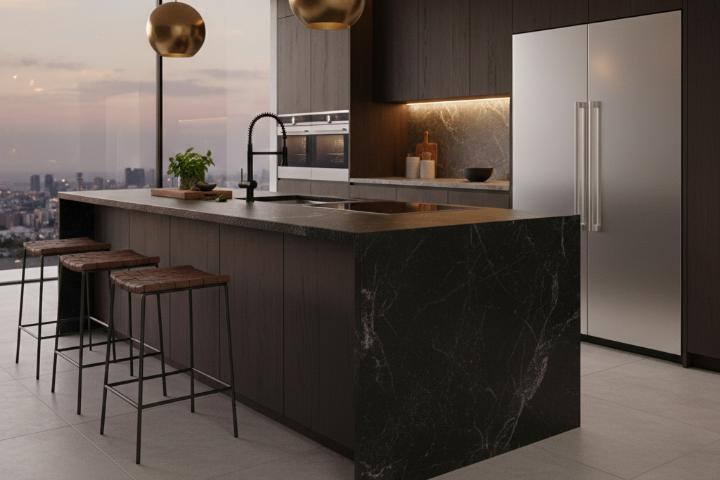
7 Trending Natural Stone Applications For Contemporary Spaces
Designers are pushing boundaries by using natural stone slabs in innovative ways that maximize visual impact while maintaining functionality.
Bold Veined Quartzite For Dramatic Impact
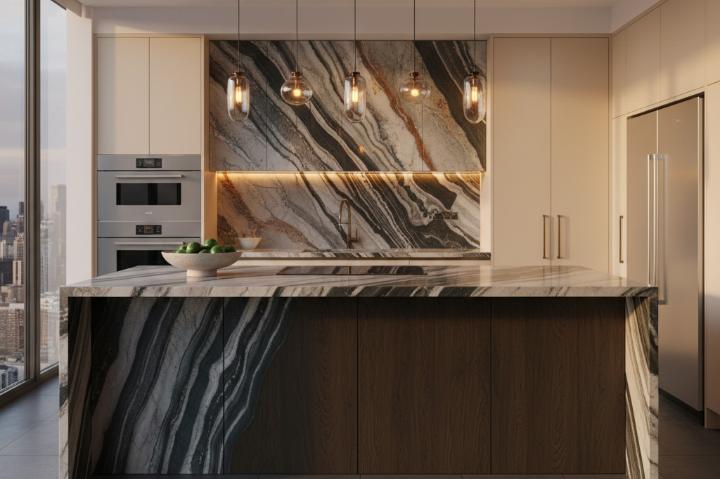
Quartzite featuring dramatic veining has emerged as the preferred alternative to marble for homeowners wanting luxury without maintenance concerns. These slabs showcase sweeping rivers of color that create stunning focal points on kitchen islands and feature walls.
Unlike marble, quartzite offers superior hardness rated seven on the Mohs scale, making it resistant to scratching and etching. Designers often book-match slabs to create mirror-image patterns that amplify the natural drama and create symmetrical beauty. For tips on maintaining natural stone surfaces, visit the Natural Stone Institute’s care guide.
Leathered Granite Finishes Add Tactile Dimension
Moving beyond traditional polished surfaces, leathered finishes preserve the stone's natural texture while reducing glare and hiding fingerprints effectively. This matte treatment creates depth by highlighting the mineral composition and grain patterns inherent to granite varieties.
Kitchen countertops treated with leather finishes combine sophisticated aesthetics with practical benefits, particularly for busy cooking environments. The subtle texture provides slip resistance and warmth that polished surfaces lack, creating a more inviting workspace.
Waterfall Edge Kitchen Islands Command Attention
Continuous stone that flows from countertop to floor creates architectural elegance unmatched by conventional installations. Waterfall designs showcase the slab's full beauty across vertical surfaces, transforming kitchen islands into sculptural centerpieces.
This application works particularly well with book-matched quartzite or granite featuring bold movement and color variation. The unbroken visual flow creates seamless sophistication while protecting cabinetry from wear and damage.
Mixed Materials Create Layered Visual Interest
Combining different stone types within one kitchen elevates design complexity and allows functional zoning of work areas. Pairing a dramatic quartzite island with subtle soapstone perimeter counters balances visual weight throughout the space.
Kitchen backsplashes executed in contrasting stone add another layer of texture without overwhelming the overall composition. This approach lets homeowners optimize each surface for its specific purpose while maintaining cohesive aesthetic harmony. For guidance on how different finishes influence both function and style, see Selecting the Ideal Stone Finish.
Honed Marble Delivers Understated Elegance
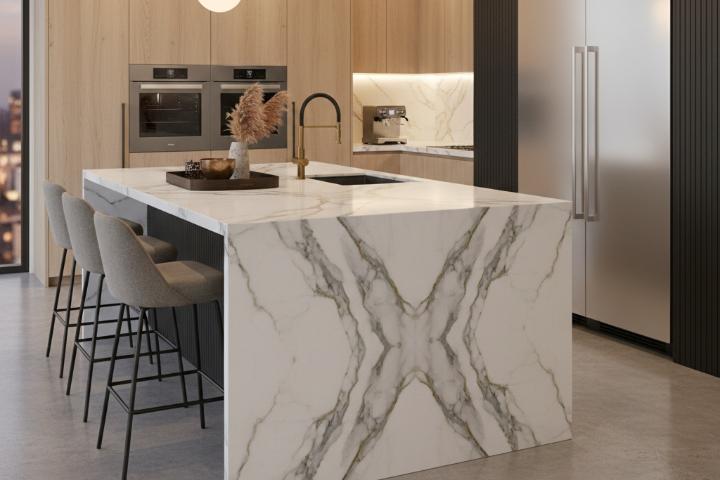
While polished marble dominates traditional kitchens, honed varieties offer contemporary sophistication with improved practicality for modern lifestyles. The matte surface diffuses light beautifully while developing a lived-in patina that many designers now consider desirable.
Lighter marble selections like Calacatta or Statuario create bright, airy environments that feel larger and more inviting. Homeowners embracing natural stone character appreciate how honed marble ages gracefully rather than showing every imperfection.
Textured Slabs Introduce Organic Character
Stone featuring natural clefts, fossils, or crystalline inclusions adds unexpected dimension that draws the eye and invites touch. These authentic imperfections celebrate the material's geological origins rather than hiding them beneath uniform polish.
Kitchen islands clad in textured limestone or travertine become conversation pieces that anchor the entire design scheme. The tactile quality introduces warmth and personality impossible to achieve with engineered alternatives.
Dark Stone Varieties Anchor Contemporary Schemes
Deep charcoals, blacks, and forest greens provide striking contrast against light cabinetry and create sophisticated, moody atmospheres. Soapstone and dark granite varieties offer practical benefits including exceptional stain resistance and ability to hide minor scratches.
These materials ground kitchen designs with gravitas while allowing colorful accents and metallic fixtures to pop dramatically. The depth these stones provide creates visual weight that balances expansive white or neutral spaces perfectly.
Popular Stone Comparison For Kitchen Applications
Stone Type | Hardness | Maintenance | Best For |
Quartzite | Very High (7) | Low | Countertops, islands |
Granite | High (6-7) | Low | All applications |
Marble | Medium (3-4) | Moderate | Backsplashes, islands |
Soapstone | Medium (2-3) | Very Low | Countertops, sinks |
Natural Stone Slabs: Advantages And Considerations
Advantages:
- Unmatched beauty with one-of-a-kind patterns
- Exceptional durability lasting decades with proper care
- Heat resistant for worry-free cooking
- Increases home value significantly
- Environmentally sustainable material
Considerations:
- Higher initial investment compared to alternatives
- Some varieties require periodic sealing
- Professional installation recommended for best results
- Weight considerations for structural support
How To Select The Perfect Stone For Your Kitchen
Navigating stone selection requires balancing aesthetic preferences with practical considerations for your specific cooking habits and lifestyle. Understanding each material's characteristics helps ensure your investment delivers both beauty and performance for years ahead.
Working with experienced professionals streamlines the decision-making process and prevents costly mistakes during installation. Viewing actual samples in your kitchen's lighting conditions reveals how colors and patterns will truly appear once installed.
5-Step Stone Selection Process
- Define your style preferences by collecting inspiration images that showcase colors, patterns, and finishes you love.
- Assess practical needs including cooking frequency, household traffic, and willingness to perform routine maintenance tasks.
- Request physical samples from suppliers to evaluate how stones look under your actual kitchen lighting throughout the day.
- Consult fabricators early to understand installation requirements, lead times, and potential design limitations with your chosen material.
- Verify slab availability by visiting the supplier's showroom to select your exact pieces and approve veining patterns.
Budget considerations should account for material costs, fabrication fees, installation labor, and sealing products required for long-term protection. Edge profiles dramatically affect the finished appearance, with options ranging from simple beveled edges to ornate ogee details.
For a deeper look at the pros and cons of different countertop materials, All About Stone Countertops offers practical guidance that can help homeowners make informed choices. Color coordination with existing cabinetry, flooring, and wall treatments ensures cohesive design that feels intentional rather than haphazard.
Partner With Stone Specialists For Flawless Results
Transforming your kitchen vision into reality requires more than selecting beautiful slabs; it demands precision fabrication and expert installation. Reputable suppliers offer comprehensive support from initial consultation through final installation, ensuring every detail exceeds expectations.
Access to extensive inventory lets you compare multiple options side-by-side, while expert guidance helps navigate the overwhelming selection. Professional templating ensures precise measurements that minimize waste and guarantee perfect fit during installation. Leading suppliers provide complimentary samples delivered directly to your home, allowing confident decision-making without showroom pressure.
Transparent pricing eliminates surprises, with detailed quotes covering material, fabrication, delivery, and installation before you commit. Experienced teams coordinate seamlessly with your contractors, ensuring timeline adherence and minimal disruption to your daily routine.
Post-installation care instructions and recommended maintenance products help protect your investment and maintain its pristine appearance. Warranty coverage provides peace of mind, with quality fabricators standing behind their craftsmanship and material integrity.
Conclusion
The 2026 landscape for natural stone slabs offers unprecedented opportunities to create kitchens that blend geological artistry with contemporary functionality. From bold quartzite patterns to textured finishes, these materials transform ordinary cooking spaces into extraordinary design statements.
Whether outfitting a complete kitchen island, upgrading countertops, or adding a stunning backsplash, the right stone selection elevates both aesthetics and value. Partnering with experienced suppliers ensures access to premium materials, expert guidance, and flawless installation that brings your vision to life.
Ready to explore how natural stone slabs can transform your kitchen?
Discover our curated collection featuring hundreds of premium slabs, schedule your complimentary consultation, and receive expert recommendations tailored to your unique needs. Your dream kitchen awaits with surfaces that inspire for generations to come.
Frequently Asked Questions
What makes natural stone slabs better than engineered alternatives?
Natural stone offers unmatched authenticity with unique patterns that cannot be replicated by manufactured surfaces. Each slab tells a geological story millions of years in the making. Stone also provides superior heat resistance, longevity that outlasts engineered products, and appreciates in value over time while contributing to sustainable building practices.
Which stone works best for high-traffic kitchen islands?
Quartzite and granite excel in high-traffic applications due to their exceptional hardness and scratch resistance. Quartzite ranks seven on the Mohs scale, while granite scores six to seven, making both ideal for busy kitchen islands. These materials resist etching from acidic foods and require minimal maintenance compared to softer stones like marble.
How often do natural stone countertops require sealing?
Sealing frequency depends on the specific stone type and usage patterns. Granite typically requires sealing every one to three years, while quartzite may need annual treatment. Soapstone never requires sealing as it naturally repels stains. Perform the water drop test regularly by placing water on the surface; if it darkens within minutes, resealing is recommended.
Can I install natural stone as a kitchen backsplash?
Absolutely. Natural stone creates stunning backsplashes that coordinate beautifully with countertops or provide striking contrast. Marble backsplashes work well since they face less exposure to acidic spills and cutting. Book-matching slabs creates dramatic focal points behind ranges. Ensure proper sealing to protect against cooking splatter and moisture from the sink area.
What is the typical lead time for custom stone installation?
Custom installations typically require four to eight weeks from slab selection to final installation. This includes template measurement, fabrication, edge profiling, and quality control checks. Complex designs featuring waterfall edges or book-matching may extend timelines. Ordering during peak renovation seasons may add additional weeks, so plan accordingly for kitchen remodels.