Quartzite is a natural metamorphic stone formed when sandstone undergoes intense heat and pressure deep within the earth. Unlike engineered quartz countertops (which are factory-made with resins), quartzite is 100% natural stone mined from quarries worldwide. It rates 7 on the Mohs hardness scale, making it harder than granite and significantly more scratch-resistant than marble.
Key Quartzite Facts:
- Composition: Almost entirely solid quartz
- Hardness: 7 on Mohs scale (harder than granite)
- Heat Resistance: Comparable to granite; safe for hot cookware
- Acid Resistance: Resists etching from lemon juice, vinegar, and wine
- Appearance: Marble-like veining with superior durability
- Maintenance: Requires periodic sealing; clean with mild soap and water
Quartzite combines the elegant veining patterns of marble with the durability and performance of granite, making it an ideal countertop material for kitchens and bathrooms. This guide covers everything Northern Nevada and Northern California homeowners need to know about quartzite countertops, including pricing, durability, cleaning, and care.
What Is Quartzite?
Many homeowners confuse quartzite with quartz countertops, but these are two completely different materials. Quartz countertops are engineered stone products manufactured in a factory using ground quartz crystals mixed with resins and pigments. Quartzite, on the other hand, is a completely natural stone that is mined from quarries around the world.
Quartzite is a natural metamorphic rock composed almost entirely of solid quartz. This stone forms when sandstone undergoes intense heat and pressure deep within the earth over millions of years. The result is an incredibly hard and durable surface that combines the best qualities of both granite and marble.
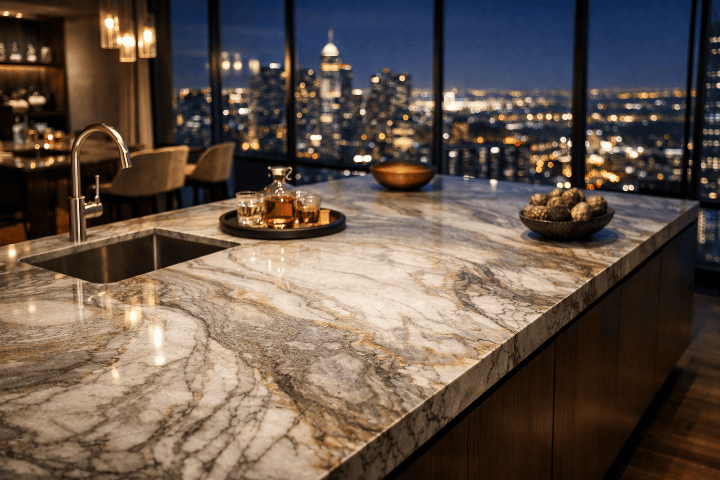
One of the most appealing aspects of quartzite is its ability to display beautiful veining patterns similar to marble while offering scratch resistance that far surpasses softer stones. Unlike granite, quartzite is a metamorphic rock, which means it has undergone transformation through geological processes. This metamorphic origin gives quartzite its remarkable hardness and makes it even harder than granite in many cases.
As a natural material, quartzite can feature stunning characteristics that make each slab unique. These natural features include textured surfaces that follow the veining patterns and the presence of fissures visible within the stone. Rather than viewing these as imperfections, experienced homeowners recognize them as distinctive characteristics that add character and authenticity to their natural stone countertops.
Understanding the Difference Between True Quartzite and Soft Quartzite
The natural stone industry sometimes presents labeling challenges that homeowners should understand before making a purchase. Some stones marketed as quartzite, particularly colorful varieties, may actually be mixed with other stone types like gneiss or schist. Additionally, materials labeled as soft quartzite are often dolomite marble, which is a harder variety of natural marble containing minerals like dolomite or quartz that enhance its scratch and stain resistance.
Working with knowledgeable local stone suppliers ensures you understand exactly what type of stone you are selecting. Our team takes care to inform customers about the specific characteristics of their chosen material and provides opportunities to see and feel the actual stone before installation.
Quartzite Slab Sizing and Dimensions
Quartzite slabs are comparable in size to granite slabs, making them suitable for a wide range of kitchen and bathroom applications. Standard quartzite slab dimensions typically range between 115 to 138 inches in width and 55 to 80 inches in height. Most quartzite slabs tend toward the larger end of this spectrum, which allows for seamless installations on kitchen islands and expansive countertop runs.
These generous slab sizes mean that many kitchen projects can be completed with minimal seams, creating a more cohesive and visually appealing final result. Your stone specialist will help identify the right quartzite slabs to complete your specific project based on your kitchen layout and design preferences.
Quartzite Pricing Considerations
Quartzite pricing typically starts in the middle range compared to granite and engineered quartz, with prices increasing based on rarity, color, and veining patterns. However, homeowners should not let pricing concerns prevent them from considering quartzite. Many beautiful quartzite varieties are available at budget-friendly price points, and the long-term value of this durable material makes it an excellent investment.
When estimating costs for your kitchen or bathroom project, factors like material selection, additional fixtures, edge profiles, and installation complexity all contribute to the final price. The durability and longevity of quartzite often make it more cost-effective over time compared to materials that may need replacement sooner. For detailed guidance on selecting the right material for your budget, consult resources on choosing natural stone for countertops.
Quartzite Durability and Performance
Quartzite is remarkably easy to care for and requires minimal maintenance compared to many other natural stone options. However, it is important to understand that quartzite is not completely stain-proof or etch-proof. Some quartzite varieties are more porous than others, so cleaning up spills within a reasonable timeframe is recommended.
Professional-grade sealers can be applied to quartzite surfaces to provide additional stain resistance and extend the time available for cleaning up spills. If spills are left sitting on the countertop for extended periods, there is a possibility that staining could occur, so prompt attention to spills is always advisable.
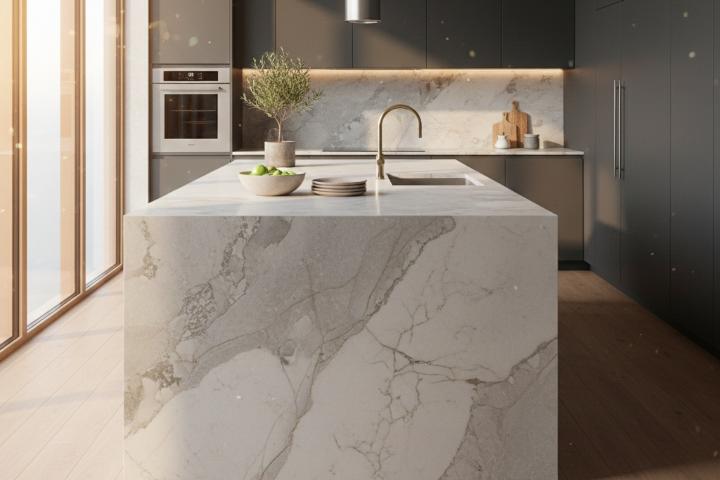
True quartzite demonstrates excellent durability and is impervious to etching from food-related acids like lemon juice, vinegar, and tomato sauce. This acid resistance sets quartzite apart from marble, which etches easily when exposed to acidic substances. However, quartzite is not completely etch-proof, and strong cleaning acids like rust removers have been known to cause etching.
The heat resistance of quartzite is comparable to granite, making it suitable for busy kitchens where hot pots and pans are common. Despite this heat resistance, using hot pads and trivets is always recommended to prevent any thermally-induced stress on your stone and to maintain its beautiful appearance over time.
How to Clean Quartzite Countertops
Daily cleaning of quartzite countertops is simple and straightforward. Use a soft cloth with mild soap (avoiding products containing bleach) and warm water for everyday cleaning tasks. For tougher cleaning jobs or stubborn stains, natural stone cleaners formulated specifically for quartzite and similar materials work effectively without causing damage.
Disinfectant wipes are acceptable for use on quartzite surfaces when you have concerns about bacteria from food preparation. If hard water scaling develops around your faucet or sink area, specialized bathroom and kitchen cleaners designed for mineral deposit removal can address these deposits without damaging your countertops.
There are several cleaning products and methods to avoid when caring for quartzite countertops. Do not use solvents, undiluted bleach, or ammonia-based cleaners on your quartzite surfaces. If oven cleaners accidentally come into contact with your countertops, wipe them away immediately and rinse the area thoroughly with water to prevent potential damage.
One important consideration involves vinegar-based cleaning methods. Since true quartzite resists food acids, some homeowners assume vinegar is safe for cleaning. However, unless you are absolutely certain your quartzite is 100% true quartzite and not a softer variety, avoid using vinegar to clean your countertops. If eco-friendly cleaning methods are important to you and vinegar is your preferred cleaner, ask your stone specialist to perform an etch test on your specific material before using acidic cleaners.
Essential Care Guidelines for Quartzite Countertops
True quartzite countertops offer exceptional scratch resistance, but cutting directly on your countertop surface is still not recommended. Beyond the potential for damaging your stone, cutting on quartzite will quickly dull and destroy the edges of your kitchen knives. Always use cutting boards for food preparation.
Quartzite varieties available in honed or leathered finishes can develop a beautiful patina as time passes. Most homeowners embrace this natural aging process, but understanding how your chosen finish may evolve over time helps set appropriate expectations for your countertops' long-term appearance.
Never sit or stand on your countertops, as this can cause stress cracks or fractures in the stone. Countertops are designed to support typical kitchen items and activities, not the concentrated weight of a person. There is no situation where standing or sitting on countertops is safe or practical.
If your countertop becomes chipped, save the chip piece if possible so it can be incorporated into the repair. Chip repairs in natural stone are generally straightforward for experienced professionals. After repair, the material will be stable and cosmetically improved, though the repaired area will never be completely invisible.
Conclusion
Quartzite countertops represent an outstanding choice for homeowners throughout Northern Nevada and Northern California who want the elegant appearance of marble combined with superior durability and performance. This natural metamorphic stone delivers scratch resistance, heat resistance, and acid resistance that few other materials can match, making it ideal for busy kitchens and high-traffic areas.
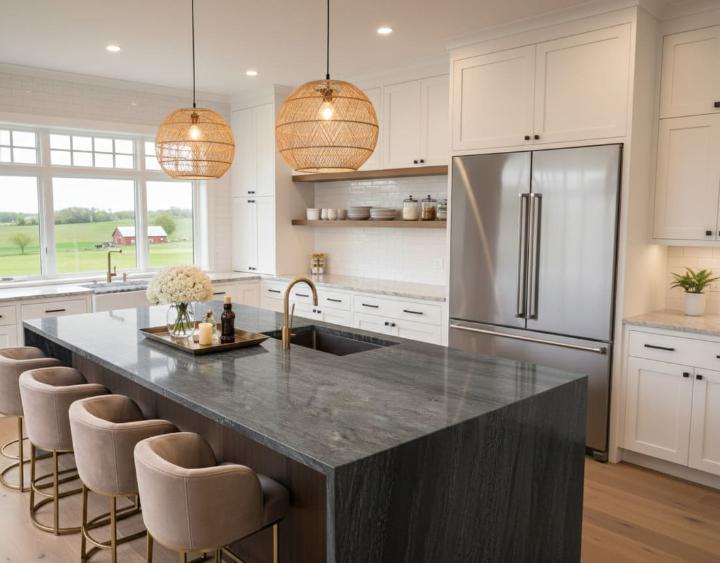
Whether you are renovating your kitchen, upgrading your bathroom vanity, or designing a new home, quartzite offers versatility and timeless beauty that complements virtually any design style. From contemporary minimalist kitchens to traditional farmhouse aesthetics, the natural veining and color variations in quartzite create stunning focal points that enhance your living spaces.
Our showrooms in Reno, Minden, Sacramento, and Fernley feature an extensive selection of quartzite slabs in various colors, patterns, and finishes. Our experienced team is ready to help you explore your countertop options and find the perfect quartzite countertops for your home improvement project. Visit us today to discover why quartzite has become one of the most sought-after natural stone materials for discerning homeowners.
Frequently Asked Questions
Is quartzite more expensive than granite?
Quartzite pricing typically starts in the middle range of natural stone options and can extend higher depending on the specific variety, color, and rarity. While some exotic quartzite varieties cost more than standard granite options, many beautiful quartzite selections are competitively priced. The exceptional durability and longevity of quartzite often provide better long-term value compared to less durable materials.
Does quartzite need to be sealed?
Yes, quartzite countertops benefit from professional sealing to enhance stain resistance and protect the stone surface. High-quality impregnating sealers penetrate the stone and provide protection for extended periods, often ranging from one to fifteen years depending on the sealer type and stone porosity. Regular resealing maintains optimal protection and keeps your countertops looking their best.
Can I put hot pots and pans directly on quartzite?
Quartzite offers excellent heat resistance comparable to granite, and brief contact with hot cookware typically will not damage the stone. However, using trivets and hot pads is always recommended to prevent potential thermal shock and to protect your countertop's finish over time. This simple precaution helps ensure your quartzite countertops maintain their beauty for decades.
What is the difference between quartz and quartzite countertops?
Quartz countertops are engineered products manufactured in factories using ground quartz crystals combined with resins and pigments. Quartzite is a completely natural stone formed through geological metamorphic processes and mined from quarries worldwide. Quartzite offers superior heat resistance since it contains no resins that can be damaged by high temperatures, while quartz provides more uniform color and pattern options.
How do I know if my quartzite is true quartzite or soft quartzite?
True quartzite is extremely hard and will easily scratch glass when tested. Soft quartzite, which is often dolomite marble, may not pass this scratch test and can be more susceptible to etching from acidic substances. Working with knowledgeable natural stone professionals ensures you understand exactly what type of material you are purchasing. Ask your supplier about the stone's composition and request etch testing if you plan to use acidic cleaners.