Porcelain countertops are made from kaolin clay, silica, and feldspar fired at extreme temperatures to create a non-porous, ultra-durable surface for kitchens, bathrooms, and outdoor spaces. They are growing rapidly in popularity due to their low maintenance, heat resistance, and design versatility, but they are not the right fit for every project.
Pros of porcelain countertops: completely stain-resistant and non-porous, highly resistant to heat and UV damage, never requires sealing, available in hundreds of colors and patterns that replicate natural stone, and lightweight enough for overlay installation over existing surfaces.
Cons of porcelain countertops: vulnerable to chipping and cracking from heavy impact, limited decorative edge profile options, surface patterns do not always extend through the full slab thickness, fewer qualified fabricators compared to granite or quartz, and lower perceived resale value than natural stone.
Below, we break down everything homeowners need to know about porcelain countertops, including material composition, ideal applications, detailed advantages and drawbacks, and answers to the most frequently asked questions.
What Are Porcelain Countertops Made Of?
Porcelain is a specialized type of ceramic crafted from a refined blend of kaolin clay, silica, feldspar, and other natural minerals. During manufacturing, these raw materials are compressed under extreme pressure and fired at temperatures exceeding 2,200°F. The result is an ultra-dense, glass-like surface that resists moisture, heat, staining, and ultraviolet damage far more effectively than standard ceramic.
Most porcelain countertops receive a pigmented glaze during production, available in matte, glossy, or honed finishes, that adds both visual appeal and an extra layer of surface protection. Advanced digital printing technology now allows manufacturers to replicate the veining and movement found in natural marble, granite, concrete, and even wood grain with remarkable accuracy.
Key characteristics of porcelain countertops include:
- A completely non-porous surface that resists water absorption and bacterial growth
- Availability in an extensive range of colors, patterns, textures, and finishes
- Slab formats large enough to minimize visible seams across expansive countertop runs
- Customizable thicknesses ranging from 6mm to 20mm depending on the application
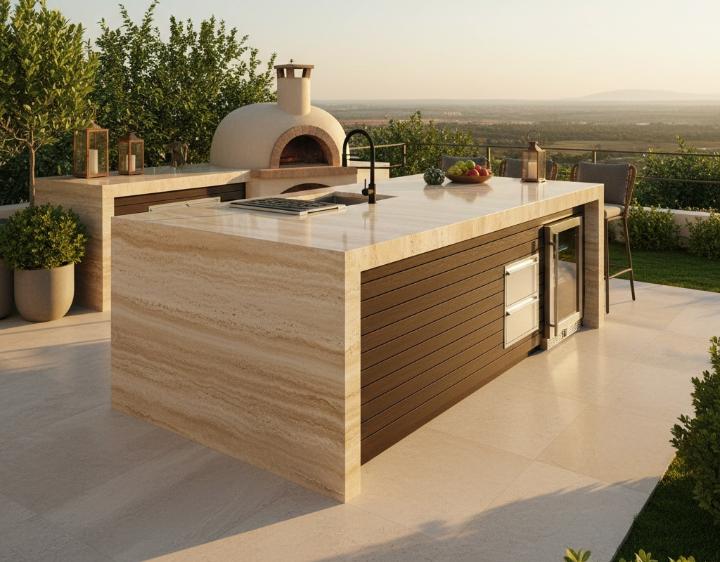
Pros of Porcelain Countertops
Outstanding Durability and Stain Resistance
One of the strongest selling points for porcelain countertops is their exceptional resistance to everyday wear and tear. Because the material is completely non-porous, it absorbs virtually no moisture, which means coffee spills, red wine, cooking oils, and acidic substances like lemon juice wipe away without leaving permanent marks. Many high-quality porcelain slabs score between 7 and 8 on the Mohs hardness scale, rivaling the surface hardness of natural granite and making them highly resistant to scratching during regular kitchen use.
Unlike natural stone countertops that require periodic sealing to maintain stain protection, porcelain countertops never need sealing. This saves homeowners both time and ongoing maintenance costs over the lifespan of the surface.
Superior Heat and UV Resistance
Porcelain countertops handle heat exceptionally well. You can place hot pots, pans, and baking sheets directly on the surface without worrying about scorching, discoloration, or thermal shock damage. This heat tolerance makes porcelain an excellent choice for busy kitchens where cookware frequently moves between the stove and the counter.
Additionally, porcelain is highly resistant to UV radiation, which means it will not fade or yellow when exposed to direct sunlight. This characteristic makes porcelain countertops particularly well-suited for outdoor kitchens, sunlit breakfast nooks, and spaces with large windows. This is a practical advantage that materials like certain engineered quartz products cannot match. In fact, growing engineered stone health concerns have led more homeowners to explore porcelain as a safer alternative for both installers and end users.
Impressive Design Versatility
Modern porcelain manufacturing has elevated the material far beyond its traditional ceramic roots. Today's porcelain countertops are available in hundreds of colors, patterns, and surface textures that convincingly replicate premium materials like Calacatta marble, quartzite, concrete, and brushed metal. Whether your design vision leans toward classic elegance or contemporary minimalism, there is a porcelain option that fits.
Large-format porcelain and natural stone slabs, some exceeding 126 inches in length, enable seamless installations across kitchen islands, bathroom vanities, and even full-height backsplash walls with minimal or no visible grout lines. This seamless quality gives porcelain a sleek, high-end appearance that enhances any space.
Lightweight Construction and Flexible Installation
Standard porcelain countertop slabs typically range from just 6mm to 12mm in thickness, making them significantly lighter than traditional granite or marble slabs that often exceed 30mm. This reduced weight translates to easier handling during fabrication, lower shipping costs, and less structural reinforcement required for cabinetry.
In certain situations, porcelain slabs can even be installed directly over existing countertop surfaces, eliminating the need for costly demolition and disposal. This overlay capability can reduce both project timelines and renovation budgets, which is a major advantage for homeowners working within tight schedules.
Hygienic and Easy to Clean
The non-porous nature of porcelain makes it one of the most hygienic countertop surfaces available. Bacteria, mold, and mildew cannot penetrate the surface, which is especially important in food preparation areas and bathrooms. Daily cleaning requires nothing more than a soft cloth with warm water and mild dish soap. There is no need for specialty stone cleaners, sealants, or harsh chemical products.
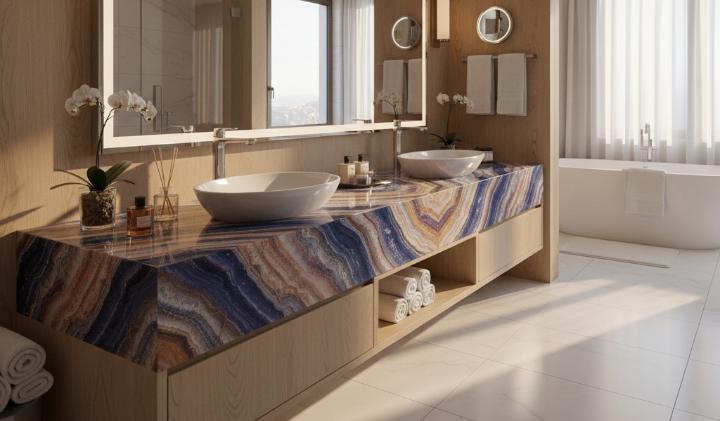
Cons of Porcelain Countertops
Susceptibility to Impact Damage and Edge Chipping
Despite its impressive surface hardness, porcelain can be brittle under sudden, concentrated impact. Dropping a heavy cast iron skillet or a ceramic dish onto the countertop edge can cause chips or cracks that are difficult, and sometimes impossible, to repair invisibly. Unlike natural stone, where minor chips can often be filled and polished, damaged porcelain edges may require replacing entire sections to restore a flawless appearance.
Homeowners with young children or those who frequently handle heavy cookware should weigh this vulnerability carefully when considering porcelain countertops for their kitchen.
Restricted Edge Profile Options
Porcelain countertops offer fewer decorative edge profile choices compared to granite, marble, or engineered quartz. The most commonly available options include eased (straight square), mitered, and apron edges. More ornate profiles like bullnose, ogee, or dupont edges are either extremely difficult or structurally impractical to achieve with porcelain due to the material's thinness and composition.
If intricate edge detailing is a design priority for your kitchen or bathroom, natural stone alternatives may offer greater flexibility in this area.
Perception and Resale Value Considerations
While porcelain countertops deliver outstanding performance, they do not yet carry the same luxury cachet as natural granite, marble, or quartzite in the residential real estate market. Home buyers and real estate professionals often associate premium countertop value with natural stone surfaces, which means porcelain may not deliver the same return on investment at resale compared to higher-end stone options.
That said, porcelain's growing popularity and improving brand recognition are steadily shifting this perception, particularly among design-savvy buyers who value performance alongside aesthetics.
Finding Qualified Fabricators Can Be Challenging
Porcelain slab fabrication requires specialized equipment, diamond-tipped tooling, and experienced technicians who understand the material's unique cutting and handling requirements. Not every countertop fabricator has invested in the training and machinery necessary to work with large-format porcelain slabs safely and precisely. In some markets, this limited availability of qualified installers can result in longer lead times or higher labor costs.
Working with an experienced retailer can help connect you with trusted fabrication professionals who specialize in porcelain countertop installation across Northern Nevada and Northern California.
Surface Patterns Are Typically Skin Deep
Most porcelain countertops feature printed designs applied to the surface layer rather than patterns that extend through the full thickness of the slab. This means that if a chip does occur, the exposed interior may reveal a different color than the surface, making the damage more noticeable. Some manufacturers now produce full-body porcelain where color and pattern extend throughout the material, but these options tend to come at a premium price point.
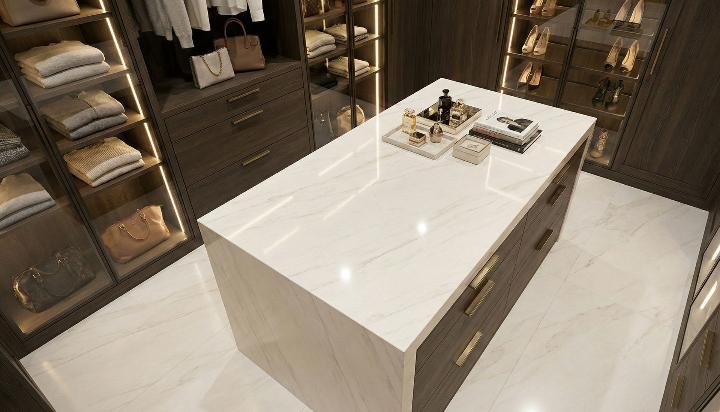
Best Applications for Porcelain Countertops
Porcelain truly shines in specific design contexts where its unique properties offer clear advantages over competing materials. Consider porcelain countertops for kitchen islands and countertops where heat resistance and easy cleanup are priorities, bathroom vanities and shower surrounds that benefit from moisture resistance, outdoor kitchen surfaces exposed to sun, rain, and temperature fluctuations, floor-to-ceiling fireplace surrounds that demand a seamless slab appearance, and commercial spaces with high traffic and strict hygiene requirements.
Seeing porcelain slabs in person is the best way to appreciate their color accuracy and surface texture. Homeowners in the region can visit a nearby showroom to compare porcelain against granite, marble, quartz, and other countertop materials side by side before making a final decision.
Conclusion
Porcelain countertops represent one of the most versatile and performance-driven surface options available to homeowners in 2026. Their combination of stain resistance, heat tolerance, design flexibility, and zero-maintenance upkeep makes them an excellent choice for kitchens, bathrooms, and outdoor living spaces alike. However, the material's vulnerability to impact chipping, limited edge profiles, and evolving perception in the resale market are factors worth considering before making a final decision.
The best approach is to evaluate your specific lifestyle, design preferences, and long-term goals for your home. For many homeowners, porcelain delivers the perfect balance of beauty and practicality, especially when paired with expert guidance on material selection and installation.
Explore porcelain countertop slabs in person at one of our four showroom locations in Reno, Sacramento, Minden, or Fernley and speak with our design team about which surface material is right for your next renovation. Schedule a free design consultation to get personalized recommendations from our experts.
Frequently Asked Questions
Do porcelain countertops need to be sealed?
No. Porcelain is a completely non-porous material, which means it does not require any sealing, not at installation and not at any point during its lifespan. This is a significant advantage over natural stone surfaces like granite and marble, which typically need resealing every one to three years to maintain stain protection. With porcelain, you simply clean with soap and water and the surface stays protected.
Can porcelain countertops replicate the look of natural marble or granite?
Absolutely. Modern digital printing and glazing technologies allow porcelain manufacturers to produce surfaces that closely mimic the veining, color variation, and depth found in premium natural stones like Calacatta marble, Carrara marble, and exotic granites. The replication quality has improved dramatically in recent years, and many porcelain designs are virtually indistinguishable from natural stone at first glance while offering superior stain and heat resistance.
Are porcelain countertops a good choice for outdoor kitchens?
Yes, porcelain is one of the best countertop materials for outdoor applications. Its UV resistance prevents fading and discoloration from prolonged sun exposure, while its non-porous surface withstands rain, humidity, and temperature fluctuations without warping, cracking, or staining. Unlike certain engineered quartz products that can yellow or degrade in direct sunlight, porcelain maintains its appearance and structural integrity in outdoor environments year-round.
How do porcelain countertops compare to quartz in terms of durability?
Both materials are highly durable, but they excel in different areas. Porcelain offers superior heat resistance, allowing you to place hot cookware directly on the surface without damage, and better UV stability for sunlit or outdoor spaces. Quartz countertops, on the other hand, are less prone to chipping from impact and offer a wider selection of decorative edge profiles. The best choice depends on your specific priorities: if heat tolerance and outdoor suitability matter most, porcelain has the edge. If impact resistance and edge variety are more important, quartz may be the better fit.
How much do porcelain countertops cost compared to other materials?
The final cost of porcelain countertops depends on several factors, including slab thickness, brand, edge treatment, and installation complexity. Overall, porcelain is positioned competitively alongside mid-range to premium granite and engineered quartz options. While the upfront cost may be slightly higher than entry-level stone, porcelain's zero-maintenance requirements and exceptional longevity often translate to lower total cost of ownership over time. Contact our team for current pricing and project estimates tailored to your specific needs.