Porcelain slabs are large-format ceramic tiles made from clay, feldspar, and kaolin fired at extremely high temperatures, creating ultra-dense surfaces ideal for countertops, flooring, and outdoor applications. These engineered slabs offer superior scratch resistance, stain resistance, and temperature tolerance compared to traditional ceramic tiles and natural stone. Porcelain slabs require no sealing, need minimal maintenance with just water and cloth cleaning, and come in 12mm to 20mm thicknesses for various installations.
Their non-porous composition makes them perfect for high-traffic kitchens, bathrooms, backsplashes, shower walls, patios, and fireplace surrounds. While positioned as premium materials, porcelain slabs deliver long-term value through exceptional durability and lifespan. Professional installation is recommended due to specialized equipment requirements, but post-installation care remains simple. Available in diverse colors and natural patterns, porcelain slabs adapt to any design scheme while providing seamless installations with fewer grout lines than conventional tiles.
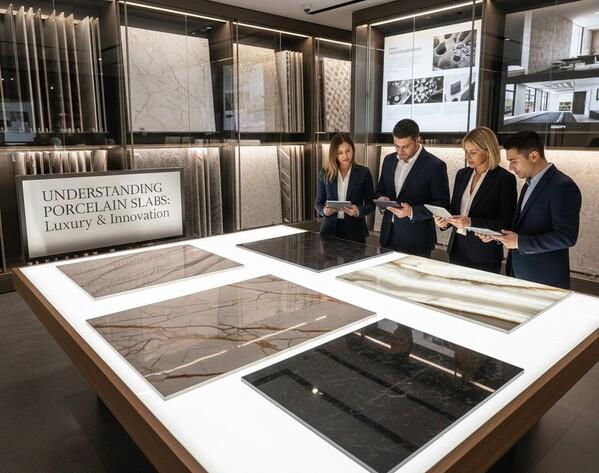
Understanding Porcelain Slabs
Porcelain slabs represent a specialized ceramic tile category manufactured through firing a precise blend of clay, feldspar, and kaolin under exceptionally high heat. This production process yields an ultra-dense, remarkably hard surface that ranks among the most robust materials available today. The manufacturing technique involves subjecting raw materials to temperatures that far exceed those used in standard ceramic tile production, resulting in molecular bonding that creates extraordinary strength and impermeability.
The composition of porcelain slabs distinguishes them significantly from ordinary ceramic alternatives. Clay provides the foundational structure, feldspar acts as a fluxing agent that facilitates vitrification during firing, and kaolin contributes to the white color and enhanced workability of the mixture. When these components undergo extreme heat treatment, they transform into a virtually impenetrable surface with minimal porosity. Quality porcelain products meet rigorous ANSI Standards that ensure consistent performance and reliability.
Available in diverse color palettes and organic pattern variations, these slabs adapt seamlessly to virtually any interior space. Modern manufacturing techniques enable producers to replicate the appearance of natural marble, granite, concrete, wood, and other sought-after materials while maintaining porcelain's inherent performance advantages. This versatility makes porcelain slabs suitable for projects ranging from contemporary minimalist designs to traditional luxury aesthetics.
Key Advantages of Porcelain Slabs
Porcelain slabs outperform alternative materials across multiple dimensions. Their exceptional durability resists scratching and staining, positioning them as ideal candidates for heavily used zones such as kitchens and bathrooms. The hardness rating of porcelain typically exceeds that of natural stone options, providing superior protection against daily wear from foot traffic, dropped utensils, and general household activities. Products bearing Porcelain Tile Certification have undergone rigorous testing to verify their performance claims.
Maintenance requirements remain minimal, a quick wipe with a moistened cloth restores their pristine appearance. Unlike natural stone surfaces that demand specialized cleaning products and regular sealing schedules, porcelain slabs tolerate standard household cleaners without degradation or discoloration. This simplified care routine translates to significant time savings and reduced long-term maintenance expenses for homeowners.
Furthermore, these slabs withstand temperature extremes remarkably well, making them perfectly suited for exterior applications including patios and deck installations. The material's resistance to thermal shock prevents cracking when exposed to rapid temperature changes, a common failure point for lesser materials. This thermal stability also makes porcelain slabs safe for placement near heat sources like fireplaces and outdoor grills.
The non-porous nature of porcelain creates an inhospitable environment for bacteria, mold, and mildew growth. This hygienic characteristic proves particularly valuable in food preparation areas and bathrooms where moisture exposure remains constant. Health-conscious homeowners appreciate knowing their surfaces actively contribute to maintaining sanitary living conditions.
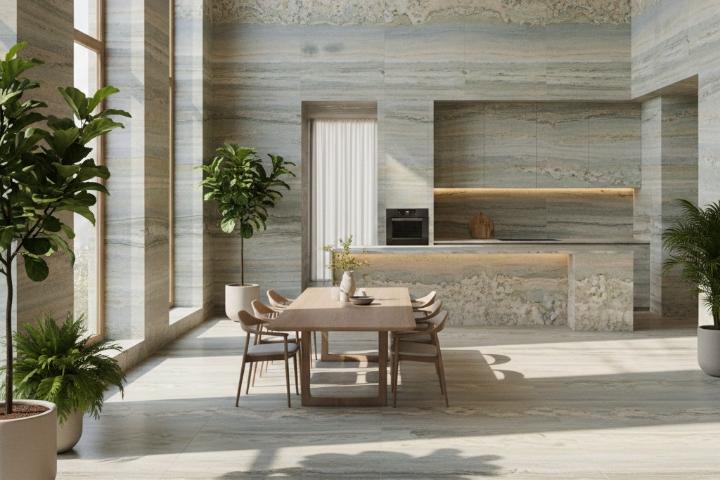
Creative Applications Throughout Your Residence
Porcelain slabs integrate beautifully into numerous home areas. As a flooring material, they deliver a polished, contemporary aesthetic that immediately captivates guests. The large-format options available reduce grout line visibility, creating expansive visual planes that make rooms appear larger and more cohesive. This seamless appearance is especially effective in open-concept living spaces, where continuous flooring enhances spatial flow, an effect often showcased in a stone gallery.
Beyond floors, porcelain slabs are equally striking when used for kitchen backsplashes, shower enclosures, and fireplace focal points. Backsplash installations benefit from porcelain’s resistance to heat, moisture, and cooking oils, allowing them to retain their beauty despite constant exposure to demanding conditions. In shower applications, minimal grout lines reduce cleaning requirements, while the waterproof surface prevents moisture penetration that could compromise underlying structures.
Fireplace surrounds gain dramatic impact when executed in porcelain slabs that mimic marble or stone. The heat resistance allows installation directly adjacent to fireboxes without concerns about thermal damage or discoloration. Many designers favor porcelain for these applications because it provides the luxurious appearance of natural materials without the maintenance complications.
Countertop installations represent another popular application where porcelain slabs excel. The material resists cutting, hot pans, and acidic substances that permanently damage natural stone surfaces. Kitchen islands, bathroom vanities, and outdoor cooking stations all benefit from porcelain's combination of beauty and resilience.
The extensive selection of hues and designs ensures you'll discover options that complement your specific interior vision. From subtle neutrals to bold statement patterns, the range accommodates every aesthetic preference and architectural style. Browse our complete selection at our shop to explore available options.
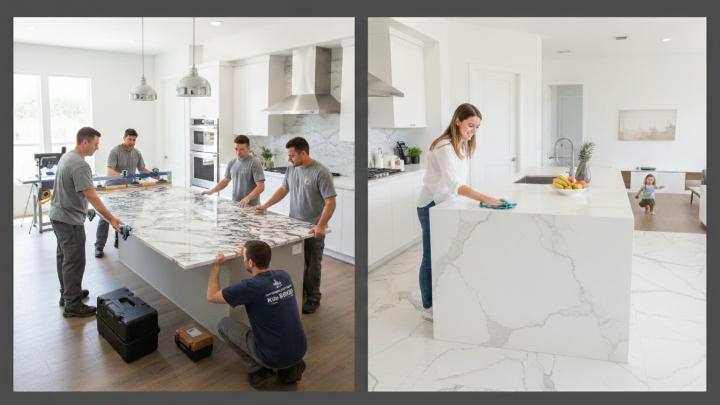
Professional Installation and Simple Upkeep
Despite their impressive strength, porcelain slabs demand proper installation techniques. Engaging professional installers proves essential, as the process necessitates specialized tools and expertise. The large format and weight of these slabs require careful handling, precise substrate preparation, and appropriate adhesive selection to ensure long-term performance. Professional installers understand industry standards established by organizations like TCAA, ensuring your installation meets quality benchmarks.
Professional fabricators possess the diamond-blade saws, water jets, and edge-finishing equipment necessary to cut and shape porcelain slabs accurately. Attempting DIY installation without proper equipment typically results in chipped edges, cracked slabs, or improper adhesion that leads to premature failure. The investment in professional installation protects your material investment and guarantees warranty coverage. Working with an experienced tile and stone company ensures your installation is handled by fabricators who understand the unique requirements of large-format porcelain installations.
Post-installation care, however, remains refreshingly straightforward. Address spills promptly and perform routine cleaning with damp cloths to preserve their appearance indefinitely. Avoid abrasive scrubbing pads that might dull polished finishes, and skip acidic cleaners that, while generally safe for porcelain, may damage grout in tiled applications.
For stubborn stains, mild detergent solutions or pH-neutral stone cleaners effectively restore surfaces without causing harm. The durability of porcelain means you won't need to worry about etching from wine, citrus, or other acidic substances that plague natural stone owners.
Investment Considerations
Porcelain slabs position themselves in the premium material category. Yet their long-term value proposition deserves serious consideration. The combination of exceptional durability and extended lifespan makes them a sound financial decision for property enhancement. When evaluating costs, factor in the elimination of sealing expenses, reduced replacement frequency, and minimal maintenance requirements that characterize porcelain ownership.
With numerous aesthetic choices available, finding options that align with your financial parameters remains achievable. The market offers porcelain slabs at various price points, with factors like size, finish, and pattern complexity influencing cost. Even entry-level porcelain options typically outperform mid-range natural stone in durability and maintenance requirements.
Consider also the property value enhancement that quality porcelain installations provide. Real estate professionals recognize that buyers increasingly favor low-maintenance, high-performance materials, making porcelain upgrades attractive selling points that can accelerate sales and justify premium asking prices. Whether you're located in Reno, Sacramento, Minden, or Fernley, investing in porcelain slabs elevates your home's market appeal.
Porcelain slabs stand out as superior choices for residential improvement initiatives. Their strength, adaptability, and low-maintenance characteristics make them compelling solutions for floors, countertops, and diverse other uses. Whether updating existing spaces or constructing from scratch, this guide should clarify your material selection process.
Conclusion
Selecting porcelain slabs for your home enhancement project represents a strategic decision that balances immediate visual impact with long-term performance. These engineered surfaces combine remarkable durability, design versatility, and practical maintenance benefits that few competing materials can match. From high-traffic kitchen floors to elegant bathroom installations, porcelain slabs deliver consistent quality across every application.
While the initial investment may exceed conventional options, the extended lifespan, minimal upkeep requirements, and timeless aesthetic appeal ensure your investment pays dividends for decades. Transform your living spaces with confidence, knowing porcelain slabs provide the perfect foundation for creating beautiful, functional environments that withstand daily demands while elevating your home's overall value and appeal.
Frequently Asked Questions
How do porcelain slabs differ from traditional ceramic tiles?
Porcelain slabs are fired at significantly higher temperatures than standard ceramic tiles, resulting in a denser and more durable material. This advanced manufacturing process provides superior resistance to moisture absorption, staining, and physical damage. Porcelain slabs are also produced in larger format sizes, allowing for more seamless installations with fewer grout lines compared to conventional ceramic tile applications. These differences are best appreciated in person, where scale, texture, and finish can be viewed in a display studio.
Can porcelain slabs be installed over existing flooring?
Installing porcelain slabs over existing flooring depends on the condition and type of the current surface. While installation over existing floors may be possible in certain situations, a professional assessment is essential. The surface must be completely level, structurally sound, and properly prepared to support the slab’s weight and ensure proper adhesion. In most cases, professionals recommend removing old flooring to achieve optimal installation results and long-term performance.
Are porcelain slabs suitable for outdoor kitchen countertops?
Porcelain slabs excel in outdoor kitchen applications due to their exceptional resistance to temperature fluctuations, UV exposure, and weather conditions. Unlike natural stone that may fade or degrade outdoors, porcelain maintains its color and structural integrity through seasons of sun, rain, and temperature changes. Their non-porous surface also prevents moisture penetration that could cause cracking during freeze-thaw cycles.
How thick should porcelain slabs be for countertop applications?
Countertop porcelain slabs typically range from 12mm to 20mm in thickness, with 20mm being the most common choice for kitchen installations. Thicker slabs provide enhanced structural support for overhangs and heavy usage areas. Thinner options work well when weight considerations matter or when installing over existing countertops. Your fabricator can recommend the appropriate thickness based on your specific application and design requirements.
Do porcelain slabs require sealing like natural stone?
Porcelain slabs do not require sealing, which sets them apart from natural stone materials such as granite or marble. Their non-porous composition prevents liquid absorption, eliminating the need for periodic sealing treatments. This feature significantly simplifies maintenance and reduces long-term care costs. Their finish and performance can be better appreciated in a viewing area, where surfaces are displayed under real-world lighting conditions. Regular cleaning with appropriate cleaners and water is sufficient to maintain their appearance without additional protective treatments.