Walking into a showroom full of natural stone slabs can stop you in your tracks. The choices feel endless, the colors are spectacular, and the stakes feel high because stone is a long-term commitment.
Onyx, marble, and granite each bring something genuinely different to the table. Onyx offers translucent drama, marble delivers timeless refinement, and granite holds up to the demands of real life. Knowing which one fits your home, lifestyle, and maintenance tolerance is the key to getting it right.
By the end of this guide, you will know exactly how these three stones compare across durability, aesthetics, best-use settings, and cost, so you can move forward with total confidence.
Why the Stone You Pick Changes Everything About Your Space
Stone is not just a surface finish. It is a foundational decision that shapes the character of a room for decades.
Selecting the wrong material for a high-traffic zone creates problems that go beyond aesthetics. Repair bills, stubborn stains, and surfaces that age poorly are frustrating outcomes that a little upfront research can prevent.
Here is why this decision deserves serious attention:
- Countertops in an active kitchen face heat, acid, moisture, and daily impact that not every stone handles gracefully.
- A kitchen island needs to look polished while tolerating cutting boards, hot pans, and spills from everyday cooking.
- A bathroom vanity surface stays consistently damp, which makes porosity and sealing frequency critical factors.
- Maintenance requirements vary dramatically between onyx, marble, and granite.
- The wrong stone in the wrong location can accelerate wear and reduce resale appeal.
- Matching stone properties to room function is the single most important step in any selection process.
Getting this right protects your investment and keeps your home looking intentional for years to come.
Where Each Stone Truly Belongs: Design Applications That Work
Understanding where each material performs best removes the guesswork from your renovation planning. Each stone has a natural home in the world of interior design.
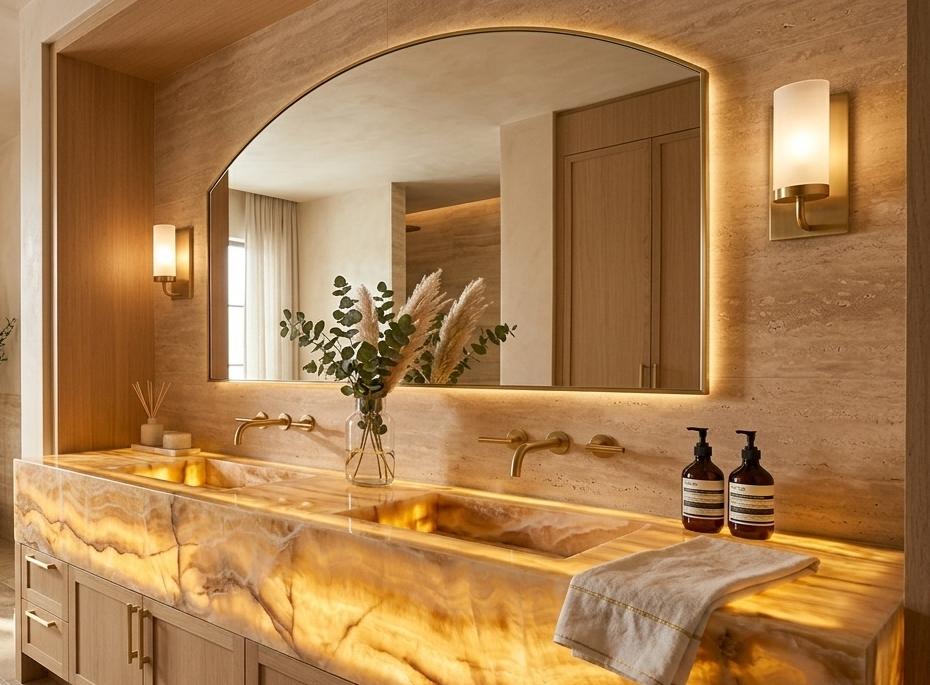
Onyx: A Showpiece Stone Built for Drama
Onyx is formed from calcium carbonate deposits and is prized for a quality no other stone can replicate: translucency. Light passes through thin onyx panels, creating an effect that is nothing short of theatrical.
This material shines brightest as a bathroom vanity top, a backlit bar surface, or an accent wall in a feature room. Because of its softness and high porosity, onyx is best kept away from hard-working countertops that absorb daily impact.
A popular design approach pairs onyx panels with recessed LED strips behind the slab. It is a finishing detail that turns an ordinary surface into a genuine conversation piece.
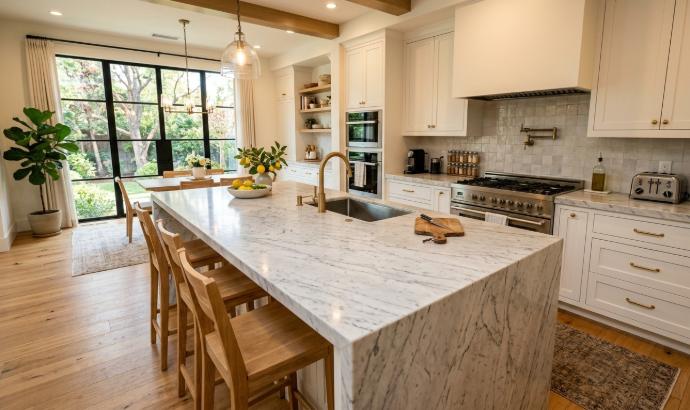
Marble: Refined Elegance That Never Goes Out of Style
Marble has appeared in the world's most admired buildings for thousands of years, and its appeal in residential design has only grown stronger. White Carrara and Calacatta varieties are especially sought after for bathroom vanity tops, kitchen backsplashes, and architectural features.
Marble is porous and etches when it contacts acidic substances including lemon juice, wine, and vinegar. On a kitchen island used for food preparation, this requires either consistent sealing or a realistic acceptance of the patina that develops over time.
A practical tip for busy households: choose honed marble rather than polished. A matte finish conceals light surface scratches and etching far more effectively than a mirror-polished slab ever would.
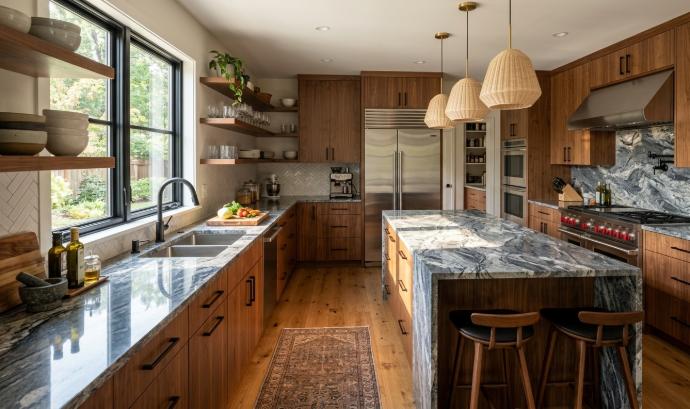
Granite: The Hardworking Stone That Earns Its Place Daily
Granite is an igneous rock, and that origin story matters. Formed under intense heat and pressure deep in the earth, it is one of the hardest and most resilient natural stone slabs available for home installation.
Its resistance to heat, scratching, and staining makes it the top choice for high-use kitchen island surfaces and heavily trafficked countertops. Speckled patterns also help conceal minor marks between cleaning sessions.
According to Fine Homebuilding's guide to stone countertops, granite remains one of the most popular residential choices because of its hardness and impressive range of available colors and finishes.
Side-by-Side Comparison: Onyx vs. Marble vs. Granite
Feature | Onyx | Marble | Granite |
Hardness (Mohs) | 3 | 3 to 4 | 6 to 7 |
Porosity | High | Medium-High | Low-Medium |
Heat Resistance | Low | Low | High |
Best Application | Vanity, Feature Walls | Vanity, Low-Use Kitchen | Countertops, Island |
Maintenance Level | High | Medium-High | Low-Medium |
Typical Price Range | $$$ | $$ to $$$ | $ to $$ |
Signature Quality | Translucency, Backlighting | Classic Veining, Elegance | Durability, Practicality |
Pros and Cons Breakdown
Onyx
- Pros: Dramatic visual impact, rare translucency, undeniable luxury presence
- Cons: Fragile under impact, requires frequent sealing, unsuitable for heavy-use zones
Marble
- Pros: Timeless aesthetic, broad color palette, strong resale value contribution
- Cons: Etches from acid exposure, high porosity, demands consistent sealing care
Granite
- Pros: Extremely durable, heat-resistant, low maintenance, adaptable to any design style
- Cons: Heavier installation requirements, lacks the translucency of onyx or marble
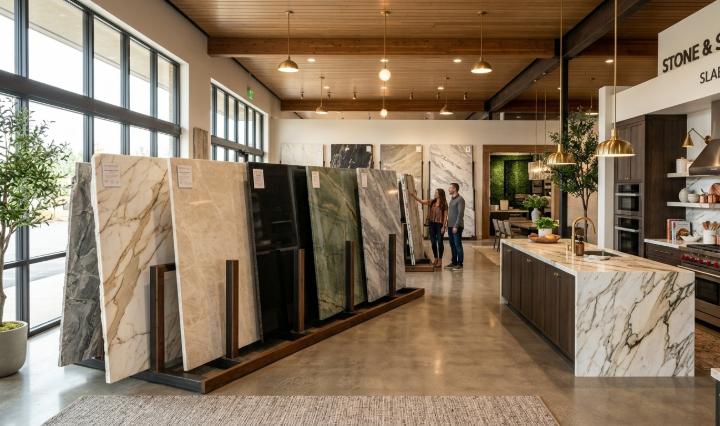
How to Choose and Source Your Natural Stone Slabs: A Step-by-Step Guide
The right slab is out there. A structured approach makes the process straightforward rather than stressful.
Step 1: Define the application. Identify whether the stone will go on a kitchen island, a bathroom vanity top, a feature wall, or another surface. This shapes every decision that follows.
Step 2: Establish your maintenance commitment. Be honest about how much time you are willing to spend sealing and caring for your stone. Granite asks the least of the three; onyx asks the most.
Step 3: Set a realistic budget. Factor in not just material cost but also fabrication, installation, and ongoing sealing products. This Old House's stone countertop overview provides a helpful breakdown of total project cost expectations.
Step 4: Visit a showroom and view full slabs. Samples are useful, but full-slab viewing under real lighting is the only reliable way to understand veining patterns, color variation, and surface texture before committing.
Step 5: Request a take-home sample. Bring a piece home and place it in your actual space. Lighting in your room will read differently from a showroom environment, and colors shift accordingly.
Shop local stone suppliers to view available inventory and get hands-on guidance from specialists who know the material deeply.
For ongoing care after installation, the Natural Stone Institute's consumer care resources offer authoritative guidance on sealing, cleaning, and protecting your investment long-term.
Find Your Perfect Slab at a Showroom Near You
Browsing stone online is a useful starting point, but seeing full slabs in person is where real decisions get made. Movement in veining, surface texture, and how a stone responds to natural light are all details that photographs cannot capture.
This trusted stone destinationcarries an extensive selection of premium onyx, marble, granite, and other materials, with staff who walk you through every option based on your project scope and aesthetic goals.
Showrooms are conveniently located across the region, including in Reno, Minden, Fernley, and Sacramento, so professional support is never far from your project site.
If you are a contractor, architect, or interior designer working on client installations, applying for a trade account unlocks wholesale pricing, dedicated project support, and priority access to incoming inventory.
From first selection through final installation, having the right team behind your project makes the experience smoother and the finished result far more satisfying.
Conclusion
Each of these three materials earns its reputation for good reason. The secret is matching the stone's strengths to the demands of your specific space and lifestyle.
Natural stone slabs reward deliberate choices. Onyx commands attention in statement settings where drama is the goal. Marble brings quiet sophistication to vanities and architectural moments. Granite delivers the everyday resilience your kitchen and high-use surfaces genuinely need.
Take your time, view slabs in person, bring samples home, and rely on specialists who know the material inside and out. The right stone does not just complete a room; it elevates the entire home.
Frequently Asked Questions
What is the most durable natural stone for kitchen countertops?
Granite is the most durable option for kitchen countertops. Its high hardness rating and low porosity make it resistant to heat, scratches, and daily staining better than most alternatives.
Is marble a good choice for a bathroom vanity?
Yes, marble is an excellent bathroom vanity material when sealed properly. Bathrooms expose stone to far less acid than kitchens do, making marble both practical and beautiful in that setting.
Can onyx be installed on a kitchen island?
Onyx is not recommended for a kitchen island that sees active food preparation. Its softness and high porosity leave it vulnerable to etching, chipping, and staining under regular kitchen conditions.
How often do natural stone slabs need to be sealed?
Most natural stone slabs benefit from sealing once per year. Onyx and marble may require more frequent applications depending on use. Always follow the specific guidance of your sealer manufacturer.
What is the price difference between onyx, marble, and granite?
Granite is typically the most budget-friendly of the three. Marble sits in the mid-to-upper range. Onyx commands the highest price due to its rarity and unique visual qualities. Final costs vary based on origin, slab dimensions, and finish type.