Choosing the Right Surface for Your Dream Space
Selecting between natural stone slabs and engineered quartz can feel overwhelming when you're investing in your home. Both materials offer stunning aesthetics and durability, yet they differ significantly in composition, maintenance, and long-term performance.
Homeowners planning kitchen renovations or bathroom upgrades often struggle with this decision. The choice impacts not just your design vision but also your daily lifestyle and budget. Understanding the fundamental differences between these materials empowers you to make a confident, informed selection.
This comprehensive guide breaks down everything you need to know about natural stone versus engineered quartz. You'll discover the unique characteristics of each material, their ideal applications, and how to determine which option aligns with your specific needs. Whether you're drawn to the timeless elegance of marble or the consistent beauty of quartz, we'll help you navigate this important decision with clarity and confidence.
Why Your Countertop Material Choice Matters More Than You Think
Your countertop selection represents one of the most significant investments in any renovation project. This surface endures daily cooking activities, family gatherings, and countless meal preparations for years to come.
The material you choose directly affects your home's resale value and aesthetic appeal. Real estate professionals consistently note that quality countertops rank among the top features buyers evaluate. Beyond financial considerations, your selection influences daily maintenance routines and how you interact with your space.
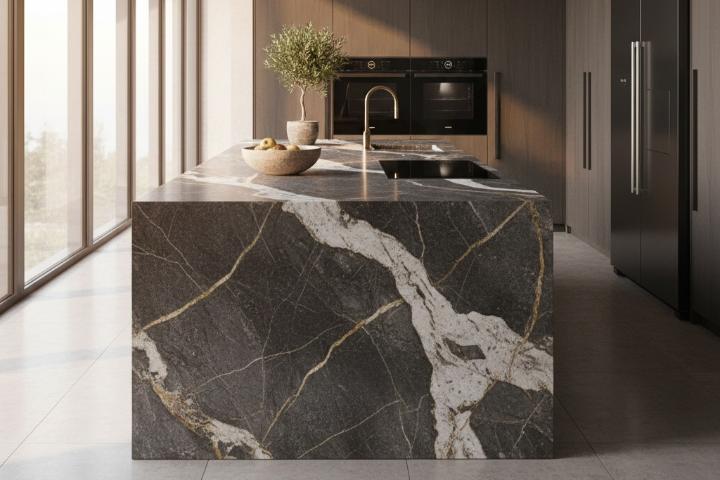
Natural stone slabs bring irreplaceable character through unique veining and color variations. Each slab tells a geological story millions of years in the making. Conversely, engineered quartz offers predictable patterns and enhanced resistance to staining, appealing to those seeking low-maintenance solutions.
Key factors to consider when choosing your surface material:
- Durability requirements based on household activity levels and cooking habits
- Maintenance commitment you're willing to undertake for sealing and cleaning
- Budget constraints including initial investment and long-term care costs
- Design preferences ranging from dramatic natural patterns to uniform appearances
- Resale considerations if you plan to sell your home within the next decade
Understanding these priorities helps narrow your options. A busy family with young children might prioritize stain resistance, while design enthusiasts may treasure the distinctive character only natural stone provides. For practical tips on maintaining that beauty, explore the Natural Stone Institute’s care guide.
Practical Applications: Where Each Material Shines Brightest
Natural Stone Slabs for Timeless Kitchen Islands
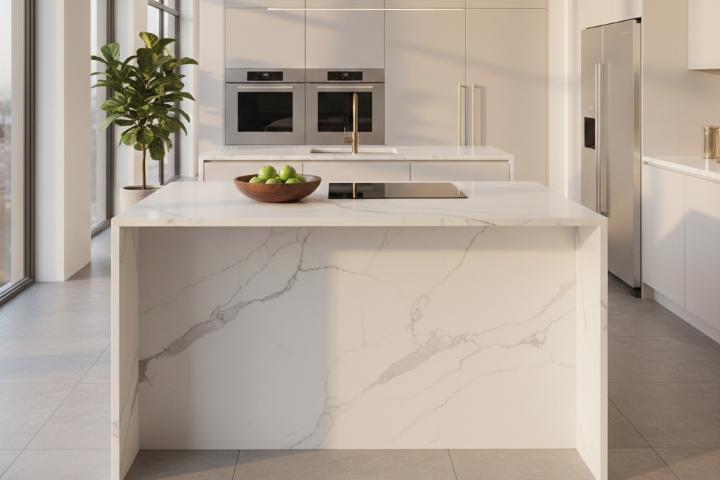
Kitchen islands serve as the heart of modern homes, demanding both beauty and functionality. Natural stone slabs like granite, marble, and quartzite transform ordinary islands into stunning focal points. Their unique patterns create conversation pieces that engineered materials simply cannot replicate.
Granite works exceptionally well for high-traffic islands where durability matters most. Its heat resistance allows you to place hot pots directly on the surface without worry. Marble elevates baking stations with its naturally cool surface, perfect for rolling pastry dough.
Consider the flow between your kitchen island and surrounding countertops when selecting materials. Many homeowners successfully combine different stones, using dramatic marble for the island while choosing practical granite for perimeter kitchen countertops. For inspiration and upcoming industry events that showcase these design trends, explore the Natural Stone Institute’s event calendar.
Engineered Quartz for Streamlined Countertops
Engineered quartz excels in bathrooms and kitchens where consistency and minimal maintenance take priority. This manufactured material combines ground quartz with resins, creating non-porous surfaces that resist bacteria and staining. Unlike natural stone, quartz requires no sealing, saving time and ongoing maintenance expenses.
The uniform patterns in quartz suit contemporary design schemes beautifully. Manufacturers can replicate popular natural stone looks while eliminating the unpredictability of authentic materials. This consistency proves valuable when matching multiple slabs for large installations.
Kitchen Countertop Versatility Across Both Options
Both materials adapt to various kitchen styles, from traditional farmhouses to sleek modern designs. Natural stone slabs complement transitional aesthetics through organic beauty and texture variations. Engineered quartz supports minimalist visions with clean lines and controlled coloring.
Professional installers can shape both materials into custom edges, undermount sinks, and integrated backsplashes. The fabrication process differs slightly, with natural stone requiring more careful handling due to its inherent variations in density and structure.
Comparing Natural Stone and Engineered Quartz: Side-by-Side Analysis
Feature | Natural Stone Slabs | Engineered Quartz |
Composition | 100% natural mineral extracted from quarries | 90-95% ground quartz mixed with resins and pigments |
Porosity | Porous, requires regular sealing | Non-porous, no sealing needed |
Heat Resistance | Excellent, handles hot cookware | Moderate, can discolor with extreme heat |
Stain Resistance | Variable, depends on sealing maintenance | Excellent, resists most stains naturally |
Pattern Variety | Completely unique, no two slabs identical | Consistent, predictable patterns |
UV Stability | Excellent, won't fade in sunlight | Can discolor or yellow near windows |
Price Range | $50-$200+ per square foot installed | $60-$150 per square foot installed |
Lifespan | 50+ years with proper care | 25-50 years typical lifespan |
Pros of Natural Stone Slabs:
- Unmatched natural beauty with one-of-a-kind patterns
- Increases home value significantly in luxury markets
- Withstands high temperatures without damage or discoloration
- Ages gracefully, developing character over time
- Completely heat-resistant for cooking applications
Cons of Natural Stone Slabs:
- Requires periodic sealing every 1-3 years depending on stone type
- More susceptible to staining from acidic substances
- Higher initial cost for premium varieties like marble
- Natural variations may not suit those wanting uniformity
Pros of Engineered Quartz:
- Virtually maintenance-free, no sealing required
- Highly resistant to stains, scratches, and bacteria
- Wide color selection including options mimicking natural stone
- Consistent appearance throughout entire installation
- Easier to source matching slabs for future repairs
Cons of Engineered Quartz:
- Cannot withstand direct heat from cookware
- Less natural appearance compared to authentic stone
- May discolor when exposed to prolonged UV light
- Not suitable for outdoor applications
- Lower resale value perception in luxury markets
Making Your Selection: A Step-by-Step Decision Guide
Choosing between natural stone and engineered quartz becomes simpler when you follow a structured approach.
Step 1: Assess Your Lifestyle Needs
Evaluate how you actually use your kitchen daily. Frequent entertainers who cook extensively may appreciate natural stone's heat resistance. Busy households with limited time for maintenance might prefer quartz's carefree nature. Consider whether you have young children who might spill acidic beverages-understanding the right stone finish can make all the difference, as explained in this guide on selecting the ideal stone finish.
Step 2: Define Your Design Vision
Collect inspiration images showing your preferred aesthetic. Notice whether you gravitate toward bold, unique patterns or subtle, consistent looks. Natural stone suits those wanting statement pieces, while quartz complements minimalist designs beautifully.
Step 3: Calculate Your True Budget
Factor in both installation costs and long-term maintenance when budgeting. Natural stone requires sealing products and professional resealing services periodically. Quartz costs slightly less initially and eliminates ongoing sealing expenses entirely. Request detailed quotes including fabrication, installation, and recommended maintenance products.
Step 4: Visit Showrooms and View Actual Slabs
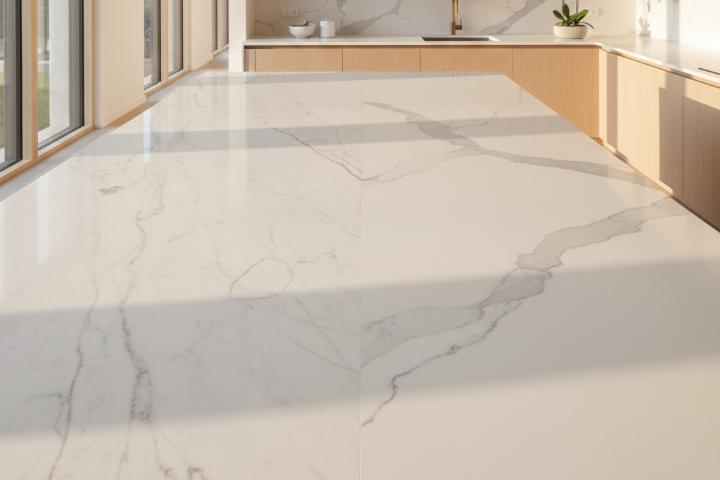
Never select materials based solely on small samples or online photos. Visit showrooms to see full slabs in natural lighting. Examine multiple slabs of your preferred stone type, as variations can be dramatic. For quartz, confirm your chosen pattern looks appealing across large surfaces.
Step 5: Consult with Experienced Fabricators
Professional installers provide invaluable insights about material performance in real-world applications. They can recommend specific stones based on your cooking habits and maintenance willingness. Ask about their experiences with different materials in similar homes.
Finding Quality Materials and Expert Installation Support
Sourcing premium natural stone slabs or engineered quartz requires partnering with knowledgeable suppliers who prioritize quality. Reputable distributors maintain extensive inventories, allowing you to personally select slabs that match your vision. This hands-on selection process proves especially critical for natural stone, where each piece differs dramatically.
Expert guidance transforms the selection process from overwhelming to enjoyable. Experienced consultants help you understand the characteristics of different stone types, explaining maintenance requirements and performance expectations. They can suggest alternatives you might not have considered, potentially saving thousands while achieving your desired aesthetic.
Professional fabrication and installation ensure your investment performs beautifully for decades. Skilled craftspeople cut, polish, and install slabs with precision that maximizes both appearance and longevity. They understand how to handle each material's unique properties, preventing costly mistakes during installation.
Many premium suppliers offer convenient services that simplify your renovation journey. Sample programs let you test materials in your actual space before committing. Complimentary design consultations help refine your vision and identify potential challenges early. Some providers even offer discounted prices on select slabs, reducing your total project costs.
When evaluating suppliers, prioritize those offering transparent pricing and comprehensive warranties. The right partner provides detailed care instructions and remains available for questions long after installation. Consider working with established stone specialists who combine quality products with exceptional customer service throughout your entire project.
Conclusion
Selecting between natural stone slabs and engineered quartz ultimately depends on your specific priorities and lifestyle. Natural stone delivers unparalleled beauty and character, rewarding those willing to maintain its timeless elegance. Engineered quartz offers predictable performance and minimal upkeep, ideal for busy households seeking durability without compromise.
Both materials elevate your kitchen island, countertops, and overall home value when properly selected and installed. Take time to evaluate your cooking habits, maintenance preferences, and design vision. Visit showrooms to experience materials firsthand before making your final decision.
Remember that this investment impacts your daily life for years to come. Choose materials that align with both your aesthetic dreams and practical needs. Ready to explore your options? Discover premium natural stone slabs and engineered quartz selections that transform your renovation vision into reality.
Frequently Asked Questions
Is natural stone more expensive than engineered quartz?
Natural stone costs vary widely based on rarity and origin, ranging from $50 to $200+ per square foot installed. Engineered quartz typically costs between $60 and $150 per square foot. Premium marble and exotic granites exceed quartz prices, while common granite varieties cost comparably. Consider long-term maintenance costs when comparing, as natural stone requires periodic sealing.
How often does natural stone need sealing?
Most natural stone slabs require sealing every one to three years depending on porosity and usage. Granite generally needs sealing every two years, while marble may require annual treatment. Perform a simple water test by placing drops on the surface; if water absorbs within minutes, resealing is necessary. High-traffic areas like kitchen islands may need more frequent attention.
Can I place hot pans on quartz countertops?
Engineered quartz offers moderate heat resistance but can discolor or crack with direct exposure to very hot cookware. Always use trivets or hot pads when placing pots and pans from the stove or oven. Natural stone slabs handle heat significantly better, tolerating direct contact with hot items without damage or discoloration.
Which material is better for resale value?
Natural stone slabs, particularly granite and marble, typically provide stronger resale value in luxury markets. Buyers often perceive authentic stone as a premium feature worth higher prices. Engineered quartz appeals broadly to mainstream buyers seeking low-maintenance options. Your local real estate market and home price range influence which material offers better return on investment.
Does quartz scratch easier than granite?
Both materials resist scratching well under normal kitchen use, but natural stone slabs like granite generally offer superior scratch resistance. Quartz can show scratches from cutting directly on the surface or contact with abrasive materials. Neither material should be used as a cutting board. Use protective mats and cutting boards to preserve both surfaces regardless of material choice.