Natural stone is one of the best materials for creating a spa-like bathroom because it combines lasting durability, organic beauty, and a grounding sensory quality that manufactured surfaces cannot replicate. The most commonly used natural stones for spa-inspired bathrooms are marble, granite, quartzite, soapstone, limestone, and dolomite, each offering a distinct combination of aesthetics, hardness, and moisture resistance suited to different bathroom applications including shower walls, vanity countertops, floors, and tub surrounds.
For homeowners looking to transform an ordinary bathroom into a personal retreat, natural stone delivers on multiple levels: it regulates surface temperature naturally, holds up well in wet environments when properly sealed, and introduces the kind of visual depth and texture that defines high-end spa design. This guide covers which natural stones work best for spa bathrooms, how to use them across key applications, design ideas for maximizing their impact, and how to maintain them properly over time.
Explore our curated selection of premium natural stone slabs available for spa-inspired bathroom projects and view upcoming educational events and industry resources from the Natural Stone Institute.
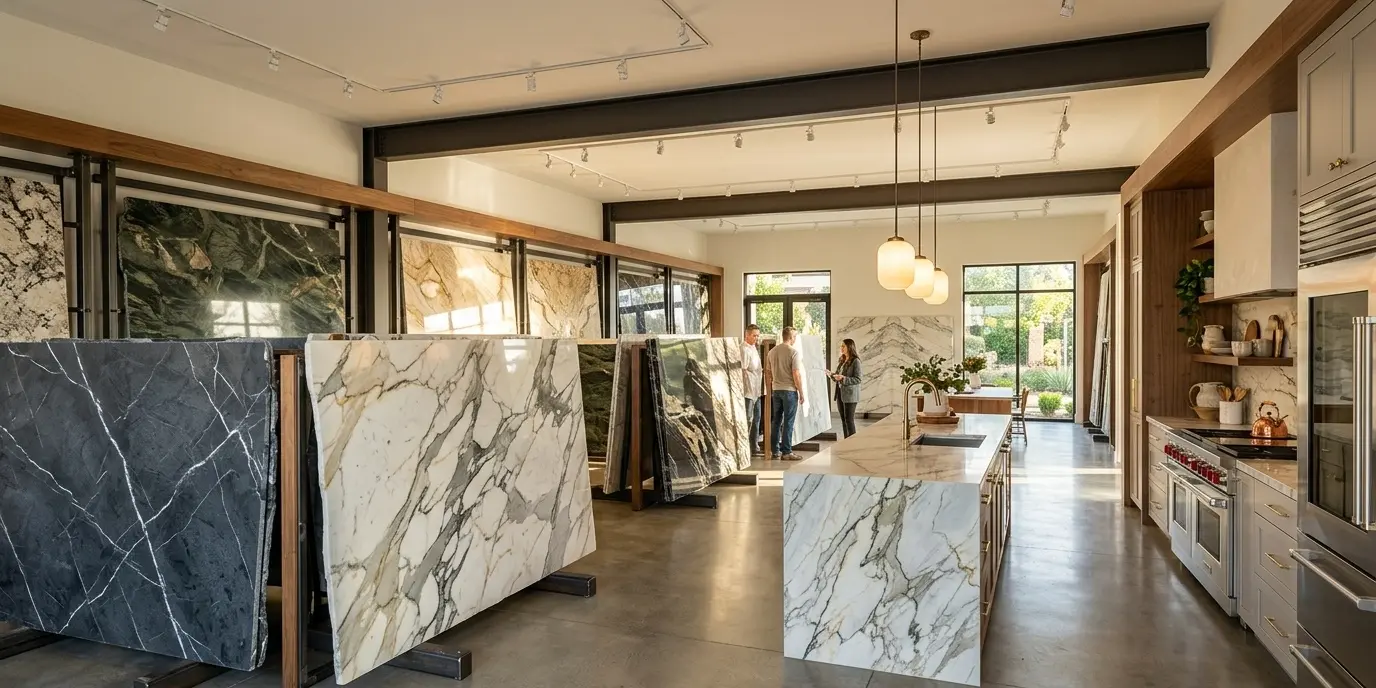
Why Natural Stone Works So Well in Spa-Like Bathrooms
Natural stone brings a sense of genuineness and rootedness to interior environments. Unlike manufactured surfaces, stone carries subtle shifts in tone, veining, and texture that generate depth and organic visual interest, recalling the atmosphere of upscale spas and wellness destinations. Each stone variety contributes a distinctive visual and tactile character, shaping a bathroom's mood from clean and minimal to rich and enveloping. Beyond appearance, stone is exceptionally durable, particularly when sealed correctly, making it well-suited for wet zones like showers, walls, and floors.
Learn how to properly care for and maintain natural stone surfaces to preserve their spa-like beauty and find a trusted local source for high-quality natural stone and expert guidance near you.
Choosing the Right Stone for Your Spa Bathroom
1. Marble
Few materials match marble's reputation as a luxury stone. Calacatta and Carrara varieties are go-to choices for light, serene palettes, while darker marbles introduce depth and contrast. Marble performs best on vertical surfaces, vanity countertops, and feature walls, as it can be vulnerable to etching in high-use areas without consistent sealing.
2. Granite
Granite combines natural beauty with rugged performance, making it an excellent pick for spa bathrooms that see daily, heavy use. Its dense composition holds up well against moisture, heat, and scratches across vanity tops, floors, and shower surrounds. Available in a broad spectrum of colors and patterns, it delivers both elegance and structural strength, with low-maintenance results that still carry a sophisticated, spa-caliber feel.
3. Quartzite
For homeowners who want the visual appeal of marble paired with greater resilience, quartzite is the answer. It resists water effectively, spans a wide color range, and requires minimal upkeep, making it a strong candidate for showers, vanity surfaces, and floors.
4. Soapstone
Soapstone is naturally non-porous with a smooth, silky surface and deep, rich coloring in shades of gray, green, or black. Its inherent resistance to heat, stains, and moisture makes it a fitting choice for countertops, sinks, and shower walls, and its low-maintenance character suits calming, organic spa environments well.
5. Limestone
Limestone brings understated elegance to spa-inspired baths through its light neutral tones and velvety texture. It is a softer material that requires more attentive sealing, but works beautifully on bathroom floors, feature walls, and tub surrounds.
6. Dolomite
Dolomite sits between marble and quartzite in its durability profile, featuring gentle veining in white and gray tones. It works well across vanity tops, accent walls, and shower slabs, delivering a marble-like appearance with stronger resistance to scratching and etching.
Understand natural stone environmental and health product labels to make informed material selections for your spa bathroom project.
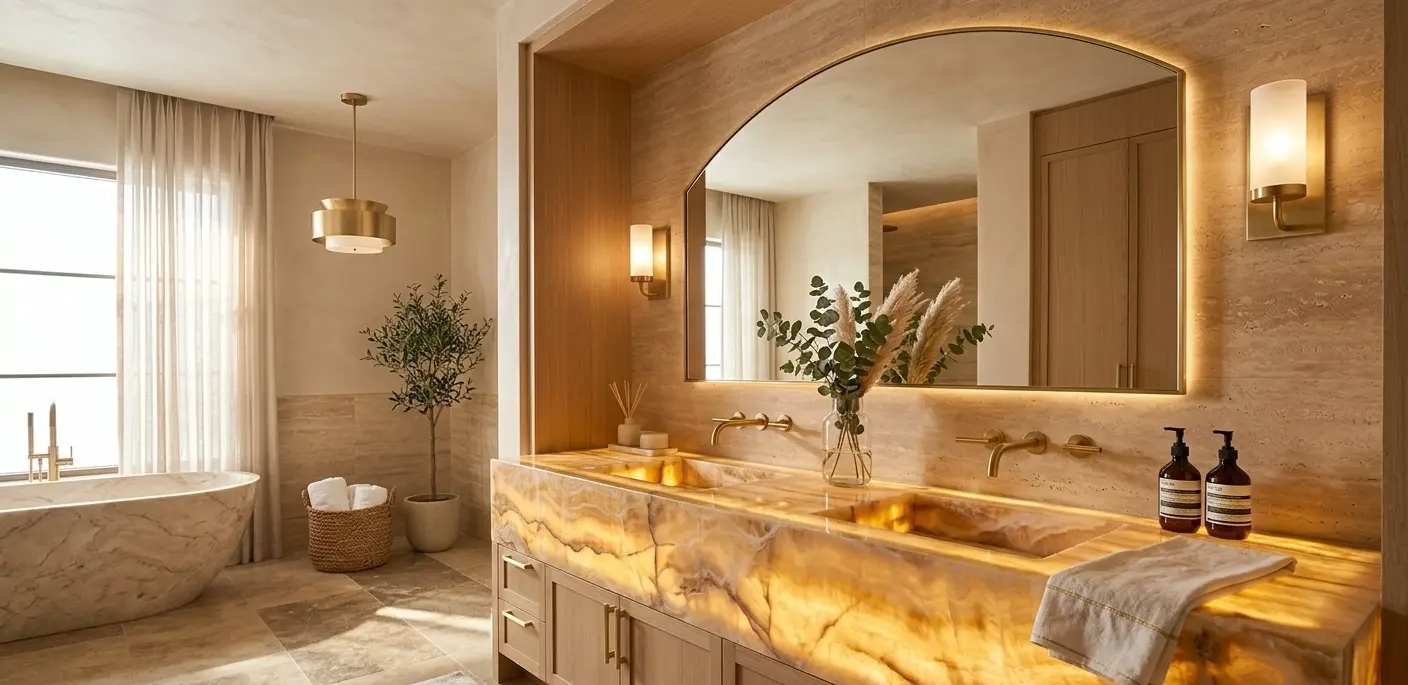
Design Ideas for Spa-Inspired Stone Bathrooms
1. Full-Slab Showers
Seamless stone slabs, quartzite or dolomite work particularly well, eliminate grout lines, support cleanliness, and transform a shower into a resort-caliber feature.
2. Walk-In Steam Showers
Full-height quartzite or marble slabs create seamless, polished elegance in walk-in showers, while natural stone mosaic arrangements add layered texture.
3. Integrated Stone Sinks and Vanities
Custom sinks and floating vanities shaped from a single stone block deliver both functional performance and sculptural presence. Limestone and quartzite are well-matched to these applications.
4. Heated Stone Floors
Radiant heat installed beneath limestone or marble flooring deepens comfort and makes daily routines feel more indulgent.
5. Statement Soaking Tubs
A stone soaking tub or tub surround in limestone or dolomite functions as a sculptural anchor point in a spa-style bathroom, merging high-end aesthetics with everyday functionality.
6. Stone Niches and Shelving
Recessed niches finished in natural stone serve as both practical storage and refined decorative detail, integrating cleanly into shower walls or above soaking tubs.
Pairing Natural Stone with Spa-Inspired Elements
To fully realize a spa atmosphere, pair stone with complementary materials: wood accents in walnut or teak introduce warmth; dimmable lighting or candles create a peaceful glow; low-light plants like ferns or peace lilies reinforce the wellness-oriented mood; neutral palettes let the stone take center stage; and hardware in matte black, brushed brass, or champagne gold complements natural stone surfaces naturally.
Request a personalized slab quote for your spa-inspired natural stone project and schedule an appointment to view natural stone options and plan your bathroom design with our team.
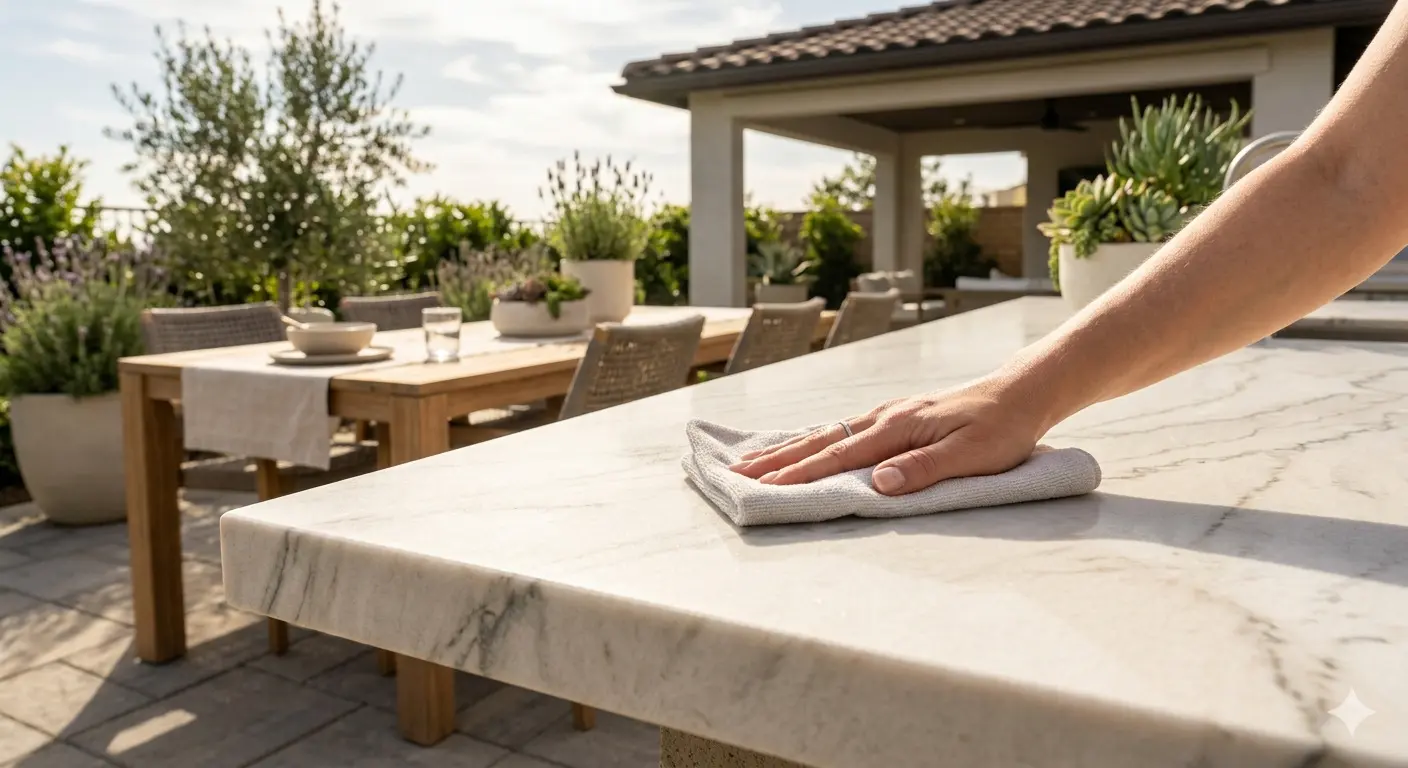
Maintenance Tips
Natural stone calls for consistent care to hold its beauty over time. Reseal surfaces every six to twelve months depending on stone type and usage. Use pH-neutral cleaners, as acidic products can etch or dull stone finishes. Address spills quickly, especially with marble and limestone, which are more porous. Maintain proper bathroom ventilation to reduce moisture buildup and protect surfaces from long-term damage.
Conclusion
Transforming your bathroom into a spa-like retreat starts with the right foundation, and few materials deliver the way natural stone does. From the luminous veining of marble to the rugged resilience of granite and quartzite, each stone variety brings its own character, strength, and sensory appeal to the space.
Whether you're planning a full-slab shower, a heated stone floor, or a carved soaking tub surround, the material you choose sets the tone for everything else in the room. Partner with a trusted natural stone supplier to source premium slabs and expert guidance for your spa-inspired bathroom.
Frequently Asked Questions
Which natural stone is best for a spa-like bathroom?
The best stone depends on your priorities. Marble leads for pure luxury aesthetics, quartzite offers marble's look with better durability, granite excels in low-maintenance performance, and soapstone or limestone suit those drawn to quieter, more organic beauty. The right choice balances your design vision with the practical demands of your bathroom.
Is natural stone a good choice for bathroom floors?
Yes, provided it is properly sealed and maintained. Granite and quartzite are the most durable flooring options, resisting moisture, scratching, and heavy foot traffic. Marble and limestone work well too, though they require more frequent sealing. Pairing any stone floor with a radiant heating system underneath adds a layer of comfort that makes the material genuinely indulgent.
How often does natural stone in a bathroom need to be resealed?
Every six to twelve months is the general recommendation, depending on stone type and usage. More porous stones like marble and limestone need resealing more frequently, particularly in shower zones. Denser stones like granite and quartzite can go longer between applications. A simple water droplet test — if water absorbs rather than beads — signals it's time to reseal.
Can natural stone be used inside a shower?
Yes. Quartzite, granite, and dolomite are especially well-suited for shower walls and floors due to their density and water resistance. Full-slab installations eliminate grout lines, reducing moisture buildup and simplifying cleaning. Marble works in showers as well, but requires diligent sealing and pH-neutral products to prevent etching.
What cleaning products are safe to use on natural stone bathroom surfaces?
Always use pH-neutral cleaners formulated for natural stone. Avoid acidic products like vinegar, lemon-based cleaners, and most standard bathroom sprays, as these etch and dull stone finishes over time. Abrasive scrubbers can scratch polished surfaces. For routine cleaning, warm water and a soft cloth are often sufficient, and wiping spills promptly protects the stone's finish long term.