Marble is preferred over other natural stones because of its unique combination of timeless beauty, natural veining patterns, heat resistance, and long-term durability. Unlike granite, quartzite, or engineered quartz, marble is a metamorphic stone formed from recrystallized carbonate minerals, most commonly calcite or dolomite, giving it a distinctive elegance and one-of-a-kind character that no other natural stone fully replicates.
If you're looking to see how these qualities appear in real materials, you can explore our premium natural stone slab collection to view a wide range of marble options suitable for countertops, flooring, and interior surfaces. While it requires regular sealing and careful maintenance due to its porous structure, marble remains a top choice for countertops, flooring, wall cladding, and bathroom vanities in both residential and commercial settings. Its presence consistently elevates a space's aesthetic appeal and adds measurable value to a property.
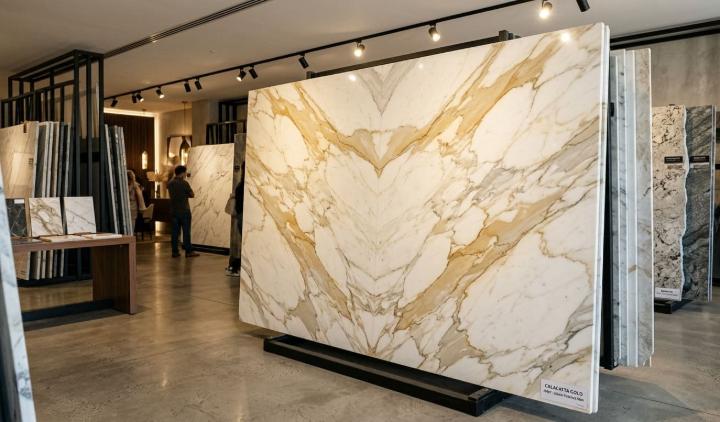
Why Marble Stands Apart from Other Natural Stones
In a market full of natural stone options, marble occupies a category of its own. Its timeless character and refined visual presence set it apart from the rest. When stacked against the alternatives, marble doesn't just compete, it leads.
Its appeal goes beyond surface-level beauty. Marble carries a distinctive quality that brings sophistication and a sense of luxury to any environment, residential or commercial. Here's a closer look at what makes it the standout choice.
Timeless Beauty
Few materials match the visual impact of marble. Its natural color variation and one-of-a-kind patterning create an atmosphere of refinement that's hard to replicate. Whether you're drawn to crisp white varieties or bolder options like Calacatta or Nero Marquina, there's a marble to match virtually any design vision. The veining alone functions as a natural art form, no two slabs are ever the same. For homeowners who also want to understand how natural stone is evaluated for sustainability and safety, the guide to understanding environmental and health product labels for natural stone explains the certifications and standards often associated with responsibly sourced materials.
Versatility
Marble adapts to nearly any application. From countertops and bathroom vanities to flooring and wall cladding, it transitions seamlessly across both modern and traditional design styles. It pairs well with a wide spectrum of color palettes and interior concepts, bringing an elevated quality to any space it occupies.
Durability and Longevity
With the right care, marble is built to last for generations. Its heat-resistant nature makes it a practical fit for kitchen surfaces, handling hot cookware without sustaining damage. That said, because marble is porous, routine sealing is necessary to guard against staining and etching over time. Homeowners can extend the life of their surfaces by following proper marble countertop maintenance and cleaning tips.
Value and Prestige
Installing marble does more than improve the look of a space, it actively raises property value. The material has long been associated with luxury, and its presence in a home or commercial setting significantly boosts perceived quality and market appeal. Homeowners and designers can shop local with us for premium marble slabs and natural stone surfaces, ensuring they get high-quality materials directly from a trusted tile and stone company.
Natural and Unique
Marble is a product of thousands of years of geological formation. Every slab carries its own distinct character, making it impossible to replicate exactly. That built-in exclusivity is a major part of what separates marble from both synthetic alternatives and other natural stones. For those interested in learning more about industry events and standards, you can visit the Natural Stone Institute’s calendar of events to see workshops, exhibitions, and educational opportunities.
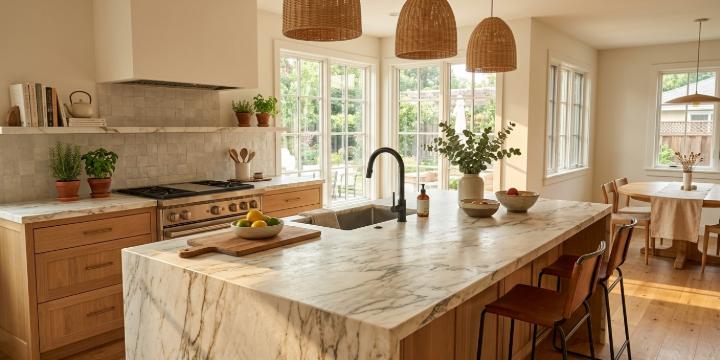
Pros and Cons of Marble Countertops
Pros
Marble countertops are a longstanding favorite for their beauty and luxury appeal. The range of available colors and the uniqueness of each slab's veining make them a strong fit for virtually any design direction. On the practical side, marble is naturally heat-resistant, which makes it well-suited for kitchen environments. Its durability over time also makes it a sound long-term investment, with the added benefit of boosting property value.
Cons
Marble's porous composition makes it vulnerable to staining and etching, which means regular sealing and attentive maintenance are non-negotiable. The surface can scratch or chip in high-traffic areas, and it has limited tolerance for acidic substances, which can gradually dull its finish. It also tends to carry a higher price point than many other countertop materials, and it requires careful day-to-day handling to avoid long-term wear.
Weighing these factors against your lifestyle and usage habits is key before committing to marble countertops. When properly maintained, marble remains a beautiful and enduring surface for years to come.
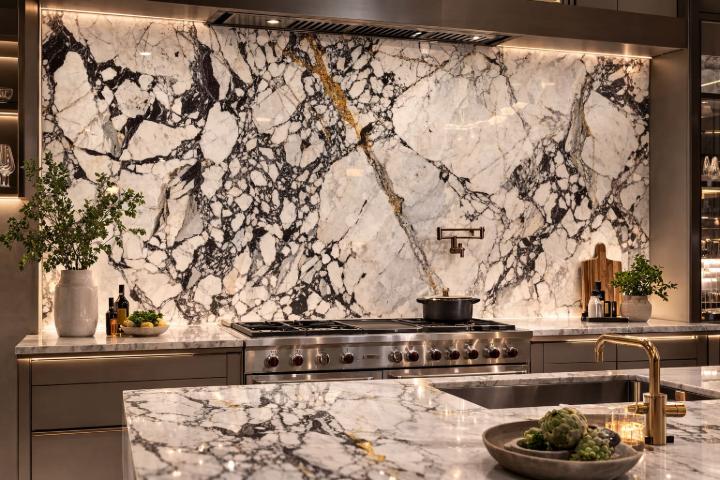
What Sets Marble Apart from Other Natural Stones?
Marble belongs to the natural stone family, but its properties distinguish it from other stones commonly used in design and construction. Understanding those differences helps clarify when marble is the right call, and when another material might serve you better. For professionals and contractors interested in working directly with us, you can apply for a trade account to access exclusive pricing, materials, and support tailored to your projects.
Composition
Marble is formed primarily from recrystallized carbonate minerals, most commonly calcite or dolomite. This composition produces its signature veining and also accounts for its comparatively softer, more porous structure. Stones like granite, quartzite, and slate are made up of different minerals entirely, which translates to different textures, hardness levels, and performance characteristics.
Appearance
Marble's visual signature is immediately recognizable, intricate veining, a polished surface, and a color range spanning white, gray, beige, and beyond. That visual depth is part of what gives marble its enduring appeal. Other natural stones offer their own distinct looks: granite's granular speckle, slate's layered texture, and so on, each suited to different design goals.
Hardness and Durability
Marble ranks softer than many of its natural stone counterparts, which makes it more susceptible to scratching, chipping, and etching under heavy use. Routine care goes a long way toward preserving it, but stones like granite and quartzite offer a harder surface and greater resistance to heat, staining, and scratches overall.
Porosity
Marble's porous structure means it can absorb liquids and etch when exposed to acidic substances like citrus or vinegar. Prompt cleanup and regular sealing are essential. Granite and quartzite, by comparison, are denser and less prone to staining when properly sealed and maintained.
Application
Marble works across a wide range of applications, countertops, flooring, wall panels, and decorative features among them. Its versatility and visual impact make it a popular choice for both residential and commercial projects. Other natural stones like granite, quartzite, limestone, and slate are equally capable materials, each bringing distinct qualities to specific design and construction needs. For those ready to plan their project, you can request a slab quote directly from us to explore available marble options and get personalized pricing.

What Materials Are Better Than Marble in Certain Situations?
Marble is exceptional, but it isn't always the right fit for every application. Depending on your priorities, whether that's durability, maintenance ease, budget, or a particular look, other materials may be worth considering.
Granite
Granite is one of the most durable natural stones available. It resists scratches, heat, and stains effectively, making it a strong performer in high-use areas like kitchen countertops. It comes in a broad range of colors and patterns, though its look tends to be more speckled than the flowing veining of marble. For those prioritizing resilience above all else, granite is a compelling option.
Quartzite
Quartzite sits in an interesting middle ground, it carries the visual elegance of marble while offering durability closer to granite. It holds up well against heat and scratching, making it a practical countertop choice. Some quartzite varieties even mimic marble's aesthetic closely. If you want marble's beauty with fewer of its vulnerabilities, quartzite is worth a serious look.
Engineered Quartz
Engineered quartz is a man-made material combining quartz particles with resin. It's non-porous, highly durable, and available in a wide range of colors and finishes. Unlike natural stone, it requires no sealing and stands up well to staining, particularly useful in busy kitchen or bathroom settings. For those who want consistent patterning and low maintenance, engineered quartz is a strong alternative.
Porcelain
Porcelain is a high-performance material that resists stains, scratches, and heat with ease. It's available in an extensive array of colors and finishes, including options that convincingly mimic marble and other natural stones. Its versatility makes it a go-to for countertops, flooring, and wall cladding in both residential and commercial applications. If durability and a marble-like appearance are both priorities, porcelain is a highly capable substitute.
Ultimately, the right material comes down to your specific needs, usage patterns, and design goals. Factors like maintenance tolerance, budget, and aesthetic preferences all play a role in making the best choice for your project.
Conclusion
Marble has earned its reputation as one of the most sought-after natural stones in design and construction, and that reputation isn't fading anytime soon. Its combination of timeless beauty, natural uniqueness, and long-term durability makes it a strong contender for a wide range of residential and commercial applications. While it does require consistent care and comes with a higher price tag than some alternatives, the value it adds, both visually and in terms of property worth, is difficult to match.
That said, the best material for your project is ultimately the one that aligns with your lifestyle, budget, and design goals. Whether you go with marble or explore alternatives like quartzite, granite, or porcelain, making an informed decision is always the right first step. If marble's classic elegance speaks to what you're envisioning, schedule an appointment with us, a trusted tile and stone company to see our selection and get expert guidance for your project.
Frequently Asked Questions
Is marble a good choice for kitchen countertops?
Marble can be a great fit for kitchen countertops, but it comes with conditions. Its natural heat resistance is a genuine advantage, you can set warm cookware on it without causing immediate damage. However, marble is porous and sensitive to acidic substances like lemon juice, vinegar, and certain cleaners, which can etch or stain the surface over time. If you're committed to regular sealing and careful maintenance, marble works beautifully in a kitchen. If your kitchen sees heavy daily use and cleanup isn't always immediate, a harder stone like granite or quartzite may be a more practical fit.
How often does marble need to be sealed?
Most marble surfaces should be sealed at least once a year, though the frequency can vary depending on how heavily the surface is used and the specific type of marble installed. High-traffic areas like kitchen countertops may benefit from sealing every six months. A simple water test can help you gauge when resealing is needed, if water absorbs into the surface rather than beading up, it's time to reseal. Keeping up with this routine is one of the most effective ways to protect marble from staining and etching.
What is the difference between marble and quartzite?
Marble and quartzite are both natural stones, but they differ significantly in composition and performance. Marble is formed from recrystallized carbonate minerals and is known for its elegant veining, but it is softer and more porous, making it more vulnerable to scratching, etching, and staining. Quartzite, on the other hand, is a metamorphic rock formed from sandstone and is considerably harder and denser. Some quartzite varieties closely resemble marble in appearance, which is why it's often considered the best of both worlds, marble's aesthetic with greater durability.
Does marble increase home value?
Yes, marble is widely recognized as a premium material that can positively impact a property's perceived and market value. Its association with luxury and craftsmanship makes it an attractive feature for potential buyers. Marble countertops, flooring, and wall cladding in key areas like kitchens and bathrooms are particularly effective at elevating a home's overall appeal. While the return on investment varies depending on the market and the scope of the installation, marble consistently ranks as a value-adding material in residential real estate.
How do you clean marble surfaces properly?
The key to cleaning marble is keeping it simple and gentle. Use a soft cloth or sponge with warm water and a pH-neutral stone cleaner, avoid anything acidic or abrasive, including vinegar, bleach, or standard household cleaners, as these can etch or dull the surface. Wipe up spills promptly, especially anything acidic like wine, juice, or coffee. For routine maintenance, a daily wipe-down with a damp cloth is usually sufficient. Steer clear of rough scrubbing pads, which can scratch the polished finish over time.