The four best stone slabs for kitchen countertops are quartz, granite, quartzite, and marble. Each of these materials offers a unique combination of durability, visual appeal, and long-term performance that makes them ideal for kitchen surfaces. Quartz stands out for its low maintenance and nonporous surface, granite delivers unmatched natural beauty and heat resistance, quartzite provides marble-like elegance with superior hardness, and marble remains the top choice for luxury kitchen designs.
Selecting the right stone slab means weighing these strengths against your lifestyle and design goals. Kitchen countertops endure daily punishment from hot cookware, liquid spills, sharp utensils, and general wear and tear, so the material you choose needs to perform just as well as it looks. For a comprehensive overview of how different stone surfaces compare, this guide to natural stone countertops is a helpful resource. Here's a closer look at each option and what makes it worth considering for your next kitchen remodel.
1. Quartz Countertops
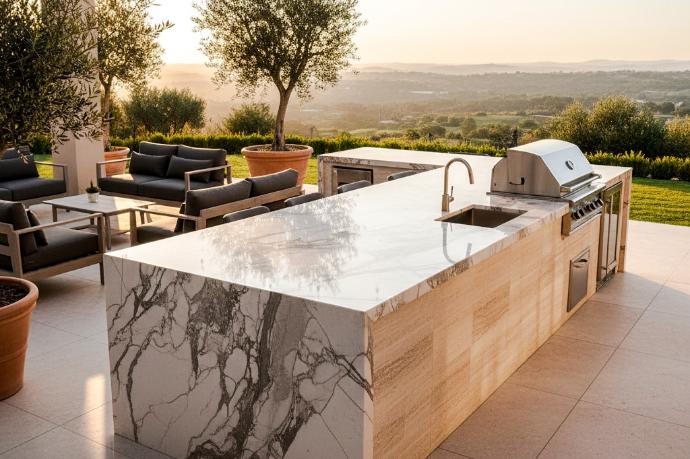
Quartz has earned its place as one of the most sought-after materials for kitchen countertops, and for good reason. Unlike natural stone, quartz is an engineered surface made from loose quartz particles bound together with resin. This manufacturing process gives quartz a level of consistency and customization that natural stone simply can't match.
One of the standout advantages of quartz is that it's completely nonporous. That means it won't absorb liquids, making it naturally resistant to staining, which is a huge benefit in a busy kitchen environment. It also never requires sealing, which significantly reduces long-term maintenance compared to natural stone alternatives.
Beyond its practical benefits, quartz countertops are celebrated for their aesthetic versatility. Because the material is engineered, manufacturers can produce virtually any color, pattern, or texture. Whether you want a clean, modern white surface or something that closely mimics the elegant veining of natural marble, quartz can deliver that look without the upkeep challenges of real marble.
Additional benefits of quartz countertops include:
- Highly resistant to scratches, cracks, and chips
- Consistent color and pattern across entire slabs
- Extremely low maintenance with no sealing required
- Wide variety of design options to complement any kitchen style
The primary drawback of quartz is its sensitivity to heat. The resin used as a binding agent can become damaged at high temperatures, so it's important to always use trivets or hot pads when setting hot pans directly on the surface. It's also worth noting that fabrication of engineered stone surfaces has raised workplace health and safety concerns, so working with reputable fabricators who follow proper safety protocols is important. As long as you take simple precautions during use, quartz remains one of the most reliable and attractive countertop choices available.
2. Granite Countertops
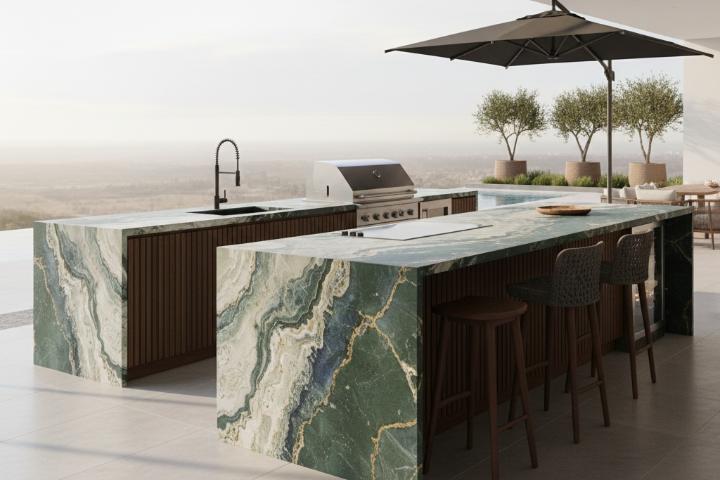
For decades, granite has been synonymous with premium kitchen design. This natural stone has long been the go-to choice for homeowners who want a countertop that combines timeless beauty with exceptional strength. Granite remains one of the most durable stone surfaces you can install in a kitchen, and its reputation as a high-end material continues to hold strong.
What makes granite particularly appealing is that every single slab is unique. The natural formation process, which involves extreme pressure and temperatures deep within the earth's crust, gives each piece its own distinctive speckling, veining, and mineral patterns. This means your granite countertop will truly be one of a kind, adding character and personality to your kitchen that no engineered material can replicate.
Granite is available in an impressive range of colors, from deep blacks and rich browns to warm golds and soft whites. This variety ensures you can find a slab that perfectly complements your cabinetry, backsplash, and overall kitchen design scheme. For a deeper dive into how natural stone performs in real kitchen environments, this breakdown of stone countertop options covers what homeowners should know before buying.
Key advantages of granite countertops include:
- One of the most durable natural stone surfaces available
- Excellent resistance to scratches and abrasion
- Superior heat resistance, allowing you to place hot pans directly on the surface
- Each slab offers a unique, one-of-a-kind appearance
There are a few considerations to keep in mind with granite. It's a porous material, which means it requires periodic sealing, typically once a year, to prevent staining and moisture absorption. For those who value natural beauty and top-tier durability, granite remains an outstanding choice.
3. Quartzite Countertops
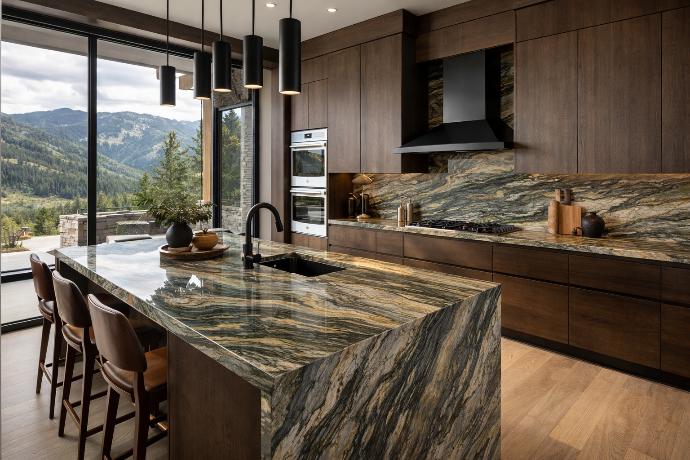
Quartzite has surged in popularity in recent years, and it's easy to see why. This stunning natural stone offers a luxurious aesthetic that often rivals the look of marble, combined with a level of hardness and durability that puts it in a league of its own.
It's important not to confuse quartzite with quartz. Despite the similar names, they are entirely different materials. Quartz is an engineered surface, while quartzite is a naturally occurring metamorphic rock. Quartzite forms when quartz-rich sandstone is subjected to extreme heat and pressure deep within the earth, resulting in a dense, incredibly hard stone with a smooth, glassy surface.
One of quartzite's greatest selling points is its appearance. It comes in a beautiful range of colors, from soft whites and creamy tans to dramatic grays and striking blues, often featuring elegant veining patterns that give it a marble-like quality. For homeowners who love the look of marble but want something far more durable, quartzite is often the ideal compromise.
In terms of performance, quartzite is highly resistant to scratches and chips, making it an excellent choice for high-traffic kitchens. It also handles heat exceptionally well, so you won't need to worry as much about hot cookware damaging the surface.
The main consideration with quartzite is its porosity. Like granite, quartzite is a porous stone that requires regular sealing to prevent stains from penetrating the surface. As long as you maintain a consistent sealing schedule, quartzite countertops will reward you with decades of beauty and reliable performance.
4. Marble Countertops
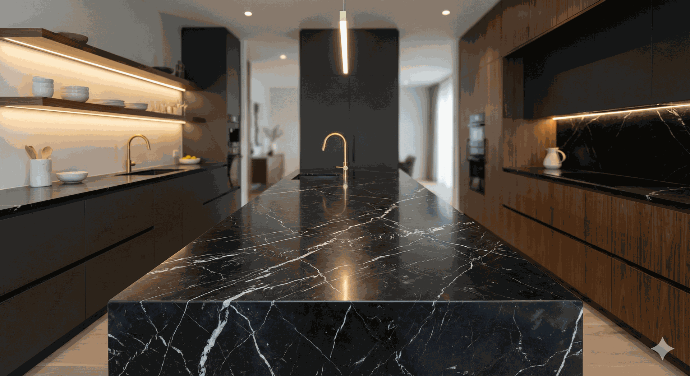
Few materials can match the sheer elegance and sophistication of marble. This iconic natural stone has been associated with luxury and high-end design for centuries, and it continues to be a coveted choice for kitchen countertops. If you're designing a kitchen that makes a bold style statement, marble delivers an unparalleled level of visual impact.
Marble's signature veining patterns, ranging from subtle, delicate wisps to bold, dramatic sweeps of color, create a sense of movement and artistry that transforms any kitchen into a showpiece. Available in classic white, warm beige, deep green, and numerous other hues, marble offers endless design possibilities for homeowners and designers alike.
However, marble does require more careful consideration than the other stone slabs on this list. It's a softer stone, which means it's more susceptible to scratches and chips from daily kitchen use. Marble is also highly porous, making it vulnerable to staining from acidic substances like lemon juice, wine, and vinegar if the surface isn't sealed properly and spills aren't cleaned up promptly.
For homeowners who are willing to invest in regular maintenance, including periodic sealing and mindful daily care, marble countertops can remain gorgeous for a lifetime. Many marble enthusiasts actually appreciate the natural patina that develops over time, viewing it as part of the stone's character and charm.
How to Choose the Right Stone Slab for Your Kitchen
Selecting the best stone slab for your kitchen comes down to understanding your priorities. If low maintenance and maximum durability are at the top of your list, quartz is hard to beat. If you crave the natural beauty of real stone with exceptional toughness, granite and quartzite are outstanding options. And if timeless luxury and design impact are your primary goals, marble delivers a look that nothing else can match.
Consider factors like your cooking habits, how much maintenance you're willing to commit to, and your overall design vision. Visiting a showroom to see and touch actual slabs in person can also make a significant difference because photos simply can't capture the full beauty and texture of natural and engineered stone.
The best way to start is by browsing available stone slabs to see the full range of materials in stock. When you're ready to compare options in person, find a showroom near you to take advantage of a free design consultation.
Our knowledgeable teams at our Reno, Minden, Sacramento, and Fernley locations are ready to help you find the perfect stone slab for your kitchen remodel. Trade professionals looking for dedicated pricing and support can apply for a trade account to streamline their projects.
Conclusion
Choosing the right stone slab for your kitchen countertops is a decision that impacts both the daily functionality and the long-term beauty of your home. Quartz, granite, quartzite, and marble each bring something unique to the table, from the engineered consistency and low maintenance of quartz to the unmatched natural elegance of marble. Understanding the strengths and trade-offs of each material empowers you to select a countertop that fits your lifestyle and design preferences.
No matter which stone slab you choose, investing in quality materials and proper installation ensures your kitchen countertops will serve as a stunning centerpiece for years to come. Visit one of our showrooms or schedule a free design consultation today to get started.
Frequently Asked Questions
What is the most durable stone slab for kitchen countertops?
Granite and quartzite are among the most durable natural stone options available. Both are highly resistant to scratches, chips, and heat, making them excellent choices for busy kitchens. Quartz, while engineered rather than natural, also offers exceptional durability and adds the benefit of being completely nonporous and stain resistant without the need for sealing.
Do stone countertops require sealing?
It depends on the material. Natural stone options like granite, quartzite, and marble are porous and require periodic sealing, typically once a year, to protect against stains and moisture. Quartz countertops, on the other hand, are nonporous and never require sealing, making them the lowest-maintenance option among the four.
What is the difference between quartz and quartzite countertops?
Despite their similar names, quartz and quartzite are fundamentally different materials. Quartz is an engineered stone made from ground quartz particles bound with resin, offering consistent patterns and a nonporous surface. Quartzite is a natural metamorphic rock formed from sandstone under extreme heat and pressure. It offers a more organic, marble-like appearance but requires sealing due to its natural porosity.
Which stone countertop is best for a modern kitchen design?
Quartz is often the top choice for modern kitchen designs due to its clean lines, consistent coloring, and wide range of contemporary patterns. However, quartzite and marble can also complement modern aesthetics beautifully, especially when paired with minimalist cabinetry and sleek fixtures. The best choice ultimately depends on the specific look and feel you're going for.
How can I see stone slab options in person before making a decision?
Visiting a showroom is the best way to experience the true color, texture, and scale of different stone slabs. You can explore a wide selection of countertop materials at showroom locations in Reno, Minden, Sacramento, and Fernley. Our team also offers free design consultations so you can make an informed decision with expert guidance.