Travertine countertops are a natural stone surface option made from limestone formed in mineral and hot springs, composed primarily of calcite and aragonite. They are known for their warm earthy tones, organic veining, and porous texture, and are widely considered one of the most affordable natural stone countertop materials available.
Travertine countertops are best for homeowners seeking the look and feel of high-end natural stone, similar to marble at a lower cost. They perform well in both kitchens and bathrooms, offering strong heat resistance and a timeless aesthetic that suits traditional and contemporary design styles. However, because travertine is more porous and softer than granite or quartzite, it requires annual sealing and cleaning with pH-neutral products to prevent staining, scratching, and etching.
This guide covers everything you need to know about travertine countertops, including their pros and cons, how they compare to granite, marble, and quartzite, maintenance requirements, and whether they're the right natural stone slab for your remodeling project.
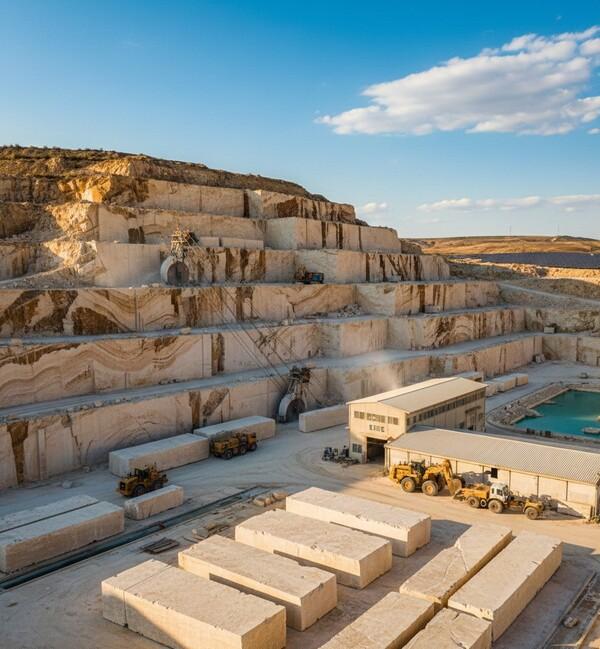
So, What Is Travertine?
Travertine is a limestone variety formed by mineral springs, particularly hot springs and is composed mainly of calcite and aragonite. This sedimentary rock has deep historical roots: Ancient Rome relied on it heavily, most famously in the construction of the Colosseum, a testament to its lasting durability. Over centuries, its strength and distinctive appearance have continued to make it a favored building material.
Today, travertine remains a sought-after material for those drawn to its earthy palette and organic beauty. In modern design, countertops are often crafted from a solid slab, highlighting the stone’s natural veining and texture. While this article zeroes in on countertop applications, travertine is equally at home as tile flooring in bathrooms, kitchens, and patios.
Key Characteristics:
- Formation: Originates from limestone deposits in hot springs and caves, giving it a distinctively porous texture.
- Appearance: Warm tones spanning white, tan, cream, and rust, often likened to marble for its veining, but at a more accessible price.
- Texture: Naturally pitted surface that can be filled for a smoother, refined finish.
- Durability: A solid performer on both indoor and outdoor surfaces, from countertops and backsplashes to coffee tables and tile flooring.
Interesting Facts:
- Beyond the Colosseum, travertine shaped Roman aqueducts, temples, and bathhouses, a legacy that speaks to its enduring appeal.
- Over time, mineral absorption can gradually shift travertine's color, deepening its character with age.
- Because it forms in limestone caves and hot springs, every slab develops its own intricate patterns and textures, no two are identical.
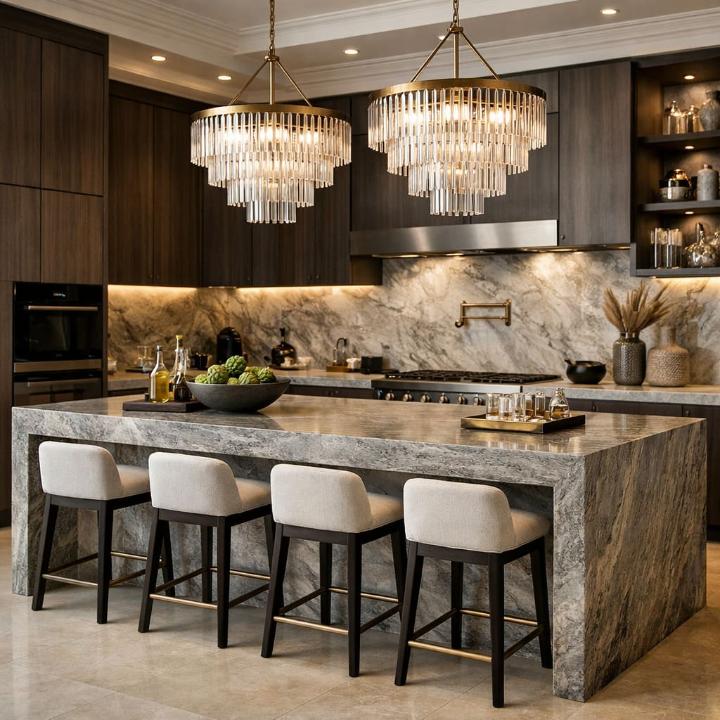
Pros of Travertine Countertops
1. Timeless Aesthetic Travertine delivers a look that walks the line between rustic and refined, adapting naturally to design styles that range from traditional to contemporary. Its organic veining and warm earth tones bring depth and warmth to any space, and at its price point, it outperforms synthetic countertop options while also adding to your home's resale value.
2. Affordability When measured against marble and granite, travertine typically comes in at a more budget-friendly price. For homeowners who want the look and feel of natural stone without a premium price tag, travertine is a strong contender. When you shop local with us, you benefit from competitive pricing, personalized service, and direct access to high-quality travertine sourced with care.
3. Top-Tier Heat Resistance Travertine holds up well against high temperatures, making it a practical surface for kitchens where hot cookware is part of daily life. That said, using trivets or heat pads is still a smart habit to preserve the stone's condition long-term.
4. A More Environmentally Responsible Choice As a natural stone, travertine is both eco-friendly and recyclable, a meaningful advantage for homeowners who prioritize sustainable material selections over synthetic alternatives.
Cons of Travertine Countertops
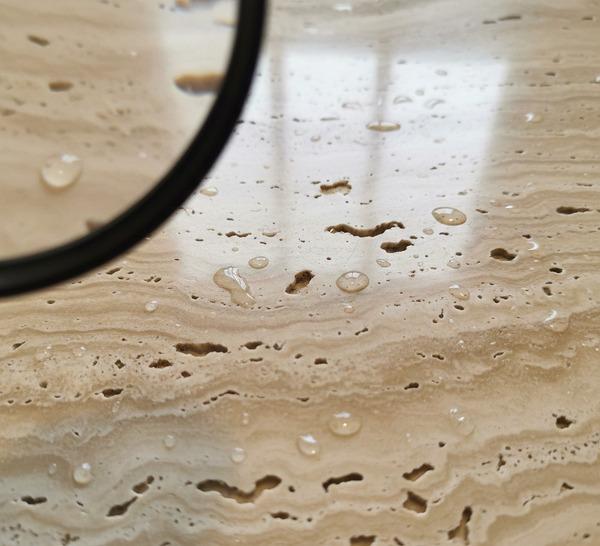
1. Porosity Travertine is more porous than options like granite, which means it's more vulnerable to staining and water infiltration if it isn't properly and consistently sealed.
2. Ongoing Maintenance Keeping travertine in top condition requires regular sealing and cleaning with pH-neutral, non-acidic products. Acidic cleaners can damage the surface and compromise the stone's finish over time.
3. Susceptibility to Scratches and Etching Travertine sits softer on the hardness scale than granite or quartzite, making it more prone to surface scratches and acid etching, something to factor in for high-traffic kitchens.
4. Limited Color Range Travertine's earthy palette is undeniably beautiful, but it doesn't offer the color variety available through engineered options like quartz or even some marble varieties.
How Does Travertine Compare to Other Natural Stones?
Travertine occupies its own lane, warm, textured, and distinctly organic, setting it apart from the sleek modernity of quartzite or the polished refinement of marble. Yes, it's more porous and demands more consistent upkeep, but it remains one of the most cost-effective paths to achieving a high-end natural stone look.
Travertine generally undercuts granite and marble on price, making it a go-to for budget-conscious remodelers. Keep in mind, though, that when quality grades and installation variables are factored in, travertine pricing can occasionally overlap with other stones, especially once sealing and maintenance costs are part of the equation.
Proper natural stone care is essential to protect its surface and preserve its beauty over time. For industry professionals looking to streamline their sourcing and pricing, you can also apply for a trade account to access exclusive benefits and dedicated support.
Conclusion
Travertine countertops strike a balance that's hard to ignore, the warmth and character of a natural stone surface without the steep price tag that typically comes with it. Whether you're remodeling a kitchen or refreshing a bathroom, travertine brings timeless appeal, solid heat resistance, and a one-of-a-kind aesthetic that no engineered surface can fully replicate.
The trade-offs are real: its porosity and softness demand consistent sealing and careful maintenance, and it won't suit every homeowner's lifestyle. But for those willing to put in the upkeep, travertine rewards you with a surface that only gets more distinctive with time. If you're after the high-end look of natural stone on a measured budget, travertine deserves a serious spot on your shortlist.
At Nova Tile and Stone, we take pride in being your trusted supplier, offering carefully selected travertine and expert guidance to help you bring your vision to life.
Frequently Asked Questions
Is travertine a good choice for kitchen countertops?
Travertine can be a great choice for kitchen countertops, particularly for homeowners who value natural aesthetics and affordability. It handles heat well, which is a practical advantage in a busy kitchen. However, because it's porous and softer than granite or quartzite, it requires regular sealing and careful day-to-day use to prevent staining, scratching, and etching from acidic foods and liquids like lemon juice or vinegar.
How often does travertine need to be sealed?
As a general rule, travertine countertops should be sealed at least once a year. However, the frequency depends on how heavily the surface is used and the quality of the sealant applied. A simple water test can tell you when it's time to reseal, if water no longer beads on the surface and instead absorbs into the stone, it's due for a fresh coat of sealant.
What cleaners are safe to use on travertine countertops?
Always clean travertine with pH-neutral, non-acidic cleaners specifically formulated for natural stone. Avoid common household cleaners like vinegar, bleach, or citrus-based products, these can etch the surface and strip away the sealant over time. A mild dish soap diluted in warm water is a safe everyday option, followed by a thorough rinse and dry to prevent water spots.
How does travertine hold up compared to granite in terms of durability?
Granite is harder and denser than travertine, which makes it more resistant to scratches, etching, and staining. Granite also requires less frequent sealing. That said, travertine is far from fragile, it's been used in architectural applications for thousands of years. For countertop use, the key is consistent maintenance. Homeowners who seal and care for their travertine properly will find it holds up well over many years.
Can travertine countertops increase my home's resale value?
Yes. Natural stone countertops, including travertine, are generally viewed as a premium feature by homebuyers and can positively influence resale value. While granite and marble may carry stronger name recognition in the resale market, travertine's unique look and natural stone status still position it above laminate or synthetic alternatives in the eyes of most buyers.
If you're considering upgrading, you can request a slab quote to explore pricing options and schedule an appointment to view available selections in person and find the perfect fit for your space.