Travertine is a natural stone that ranges in price depending on grade, finish, color, and origin, generally falling in the mid-range of natural stone pricing. It is more affordable than marble and granite but slightly higher than limestone. While the upfront cost can be higher than synthetic alternatives like porcelain or concrete pavers, travertine's durability, low maintenance requirements, and timeless aesthetic make it a cost-effective investment over time. This guide breaks down exactly what affects travertine pricing, how it compares to other natural stones, and where to find it at the best price.
Grade and Quality: Not all travertine is created equal. Stones are classified by grade, and that classification directly shapes the price tag. Premium-grade travertine tends to feature a smoother surface, more consistent coloring, and fewer natural voids. Lower-grade options, while more budget-friendly, typically display more holes and color variation.
Finish Type: How the stone is processed has a direct bearing on cost. Polished travertine sits at the higher end of the price spectrum, requiring extensive labor to achieve its signature glossy surface. Honed travertine carries a matte appearance and generally comes at a lower price point. Tumbled and brushed finishes are priced according to the degree of texture and processing involved.
Color and Pattern: Availability drives price. Common beige and light-toned varieties like Classic Travertine are widely sourced and easier on the wallet. Rarer shades such as gold, red, and deep brown command a premium precisely because they are harder to come by.
Country of Origin: Travertine sourced from well-regarded quarries in Italy or Turkey often carries a higher price due to both quality reputation and international shipping costs. Stone from other regions may be more accessible in price, though freight and sourcing logistics still factor in.
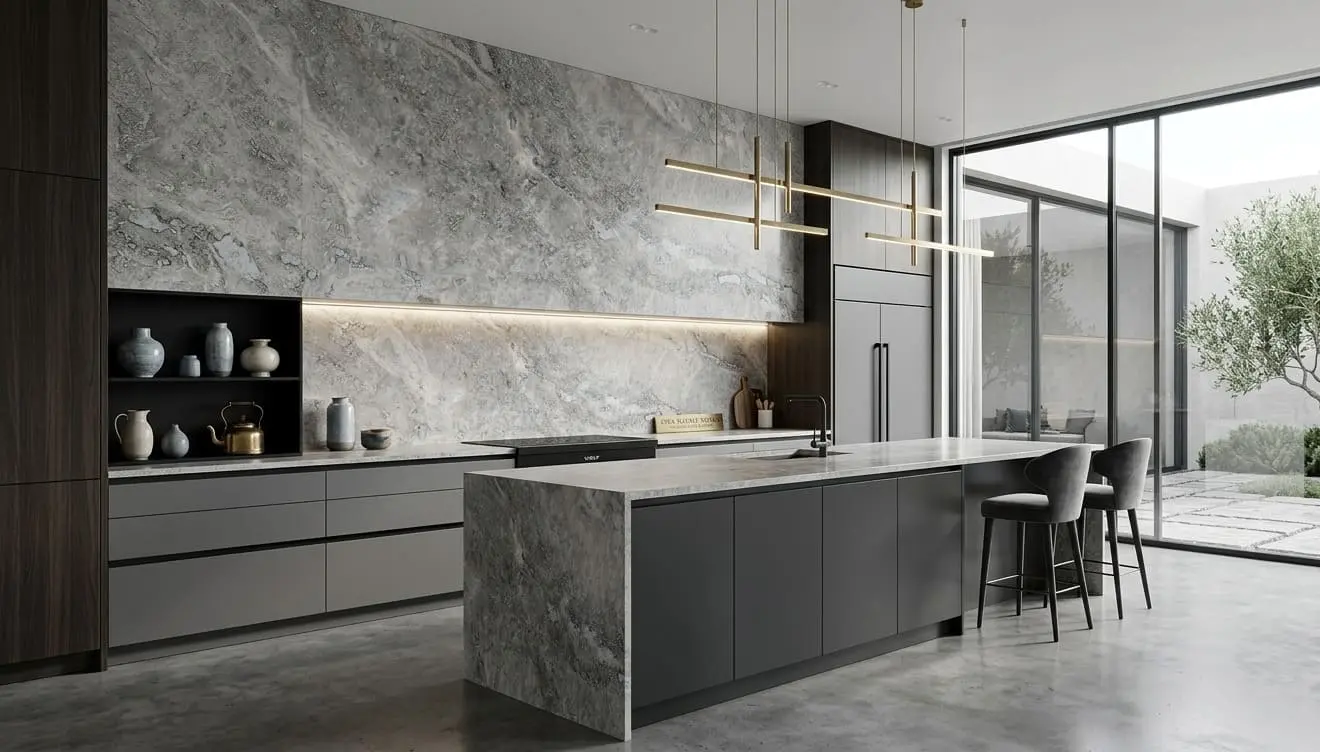
How Does Travertine Compare to Other Natural Stones?
Travertine vs. Marble: Marble is widely regarded as a luxury material, and its price reflects that. It is also more vulnerable to scratching and staining, which adds to long-term upkeep expenses. Homeowners who love marble's refined look but need a more cost-conscious alternative often turn to Beige Travertine slabs for a soft, elegant natural stone finish, a versatile tone that works beautifully across both interior and exterior applications.
Travertine vs. Granite: Granite's durability, strong consumer demand, and complex mining process keep its price elevated, often higher than travertine. While granite does outperform travertine in raw toughness, travertine still holds up well across a wide range of applications, particularly with proper care, and typically at a friendlier price.
Travertine vs. Limestone: These two stones share a sedimentary origin and similar visual character, but limestone usually lands a bit lower on the price scale. The key tradeoff is that limestone tends to be less resistant to weathering, making travertine the stronger candidate for outdoor environments.
Broadly speaking, travertine occupies a mid-range position among natural stones, more attainable than marble or granite, yet offering comparable beauty and performance.
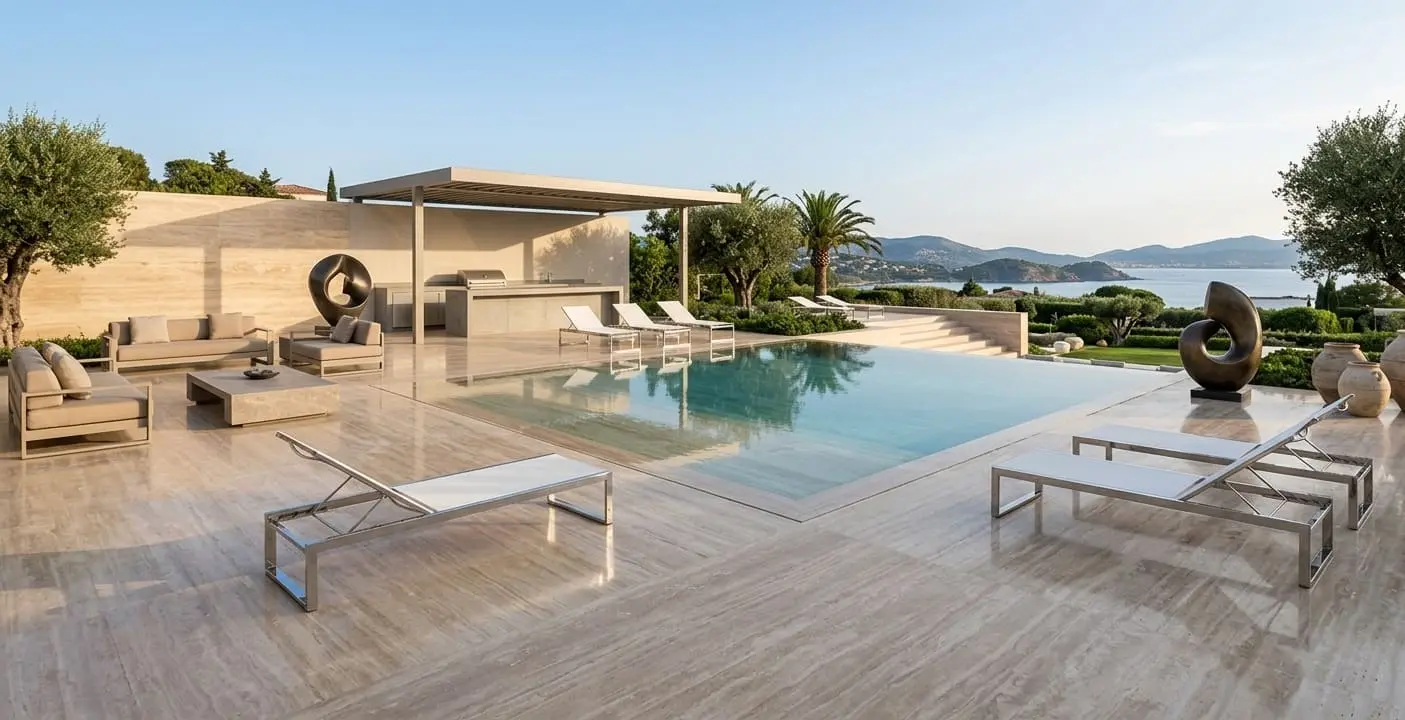
Is Travertine Expensive for Outdoor Projects?
Material Costs: Tumbled travertine, a popular choice for pool surrounds and garden paths, undergoes additional processing to create its characteristic weathered texture, which can nudge the price up. Polished finishes are not typically recommended outdoors due to slip-resistance concerns.
Installation Costs: Proper base preparation, whether sand, gravel, or concrete, along with drainage planning and labor complexity, all contribute to the final installation bill. Sourcing materials through local tile and stone showrooms with in-stock travertine slabs and design support can also help improve project planning and installation results.
Durability and Maintenance: Travertine's natural porosity gives it an edge when handling moisture. Sealed correctly, it holds up well against shifting temperatures and outdoor exposure, outperforming alternatives like concrete pavers or asphalt in longevity and appearance retention.
Value Over Time: Its lifespan, minimal maintenance demands, and enduring aesthetic mean the cost-per-year calculation often works in travertine's favor compared to lower-priced materials that need more frequent replacement or repair. For builders, designers, and contractors, maintaining a professional trade account for travertine slabs and natural stone materials can support more efficient project sourcing over time.
Long-Term Cost Considerations
- Durability: Resistance to everyday wear reduces the frequency of repairs and replacements.
- Low Maintenance: Routine sealing and occasional cleaning are generally all that is needed.
- Lasting Aesthetic: The stone's natural character does not diminish with age, preserving and even enhancing your property's appeal.
- Thermal Comfort: Travertine stays relatively cool underfoot even in direct sunlight, which can translate to reduced cooling needs in outdoor living spaces.
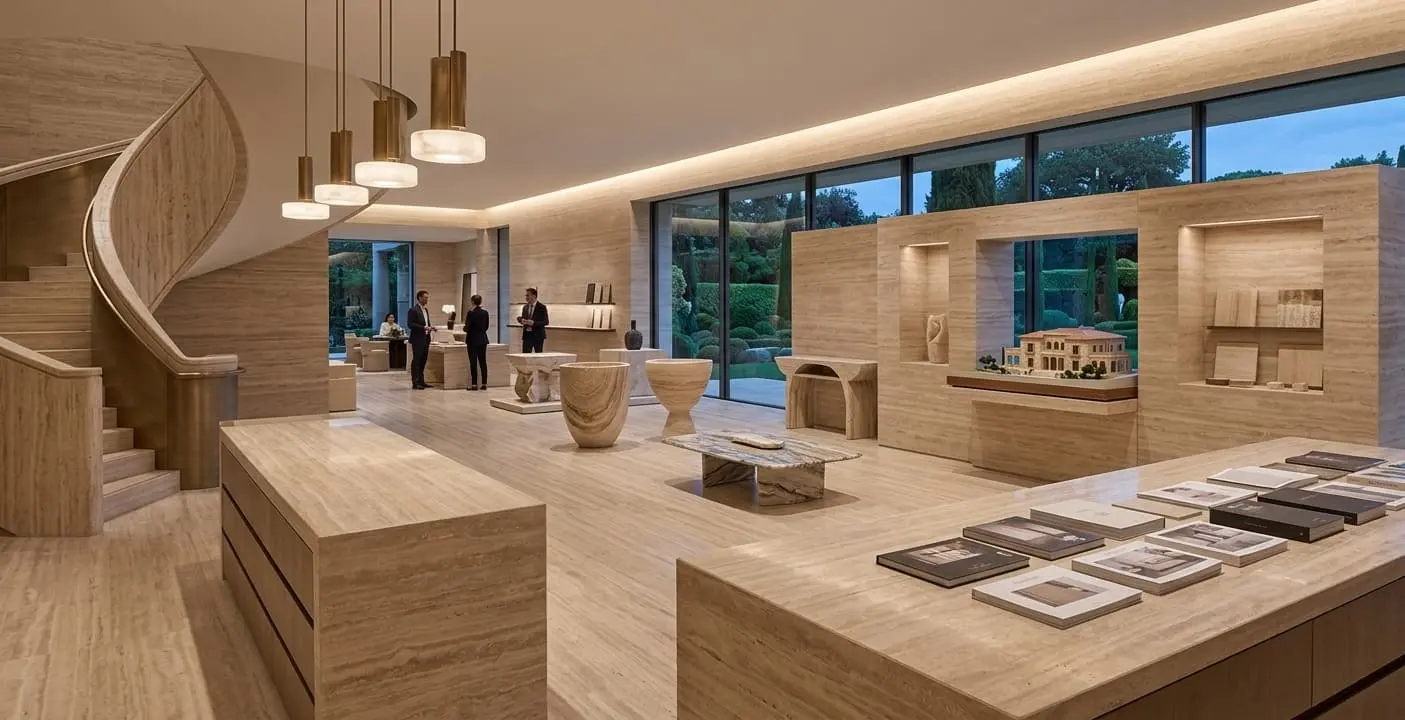
Where to Shop for Affordable Travertine
- Local Stone Suppliers: Proximity often means lower shipping costs and more room to negotiate pricing.
- Wholesale Stone Dealers: Buying in volume can significantly reduce the per-unit cost, making it ideal for large-scale projects.
- Online Retailers: A broader marketplace means more competitive pricing, with seasonal promotions worth watching.
- Overstock and Discontinued Stone: Dealers frequently discount surplus inventory, which is a smart way to access quality material at a reduced price.
Always verify supplier credibility through reviews, request physical samples, and confirm quality before committing to a purchase.
Is Travertine a Practical Choice for Homeowners?
Key cost variables include coverage area, finish selection, and installation complexity. Opting for a honed or tumbled finish over polished can bring costs down without sacrificing style, while standard layouts keep labor expenses manageable. For smaller applications like kitchen backsplashes, bathroom surfaces, and entryways, travertine delivers strong visual impact at a relatively contained cost.
Budget-Friendly Alternatives to Travertine
- Ceramic or Porcelain Tiles: These replicate the look of natural stone at a fraction of the cost, with low maintenance and a broad range of style options.
- Concrete Pavers: A practical outdoor option that can closely mirror travertine's textured aesthetic.
- Limestone: Naturally similar in appearance, though it may sacrifice some durability in outdoor settings.
- Granite: Occasionally comparable in price depending on grade and finish, with excellent durability for countertop and outdoor use.
Exploring materials through a scheduled showroom appointment for natural stone and tile selection can also help compare finishes, textures, and long-term value more effectively.
Conclusion
Travertine occupies a sweet spot that few materials can claim, being genuinely beautiful, genuinely durable, and genuinely attainable. The final cost depends on the grade selected, the preferred finish, the source of the stone, and the quality of installation. Across all these variables, travertine consistently proves its worth.
Travertine remains one of the smarter investments in natural stone, especially when sourced from a trusted supplier of premium travertine and natural stone materials like Nova Tile and Stone.
Frequently Asked Questions
Is travertine more expensive than other natural stones?
Not necessarily. Travertine generally falls in the mid-range of natural stone pricing, more affordable than marble and high-grade granite, while sitting slightly above limestone in most markets. The exact price depends on grade, finish, and origin.
What is the most affordable travertine finish?
Honed travertine is typically the most budget-friendly option. Its smooth, matte surface requires less processing than polished travertine, keeping both production and purchase costs lower.
Can travertine be used outdoors without significantly increasing costs?
Travertine is well-suited for outdoor use, though overall project costs will be higher due to base preparation, drainage requirements, and labor. Over time, its durability and low maintenance needs make it a cost-effective outdoor surface compared to alternatives that require more frequent repair or replacement.
How can I find travertine at a lower price?
Purchasing through a wholesale dealer in larger quantities, sourcing from local suppliers to reduce shipping costs, and checking for overstock or discontinued inventory are all effective strategies for securing quality travertine at a more competitive price. Comparing options through a travertine slab quote request for available stock and pricing can also help identify the most cost-effective selection for the project.
Is travertine a good long-term investment for homeowners?
For most homeowners, yes. Its resistance to wear, minimal upkeep requirements, lasting visual appeal, and thermal comfort underfoot in outdoor settings all contribute to strong long-term value, both functionally and in terms of property worth.