Quartzite is a natural metamorphic stone formed when sandstone is subjected to intense geological heat and pressure over millions of years. The result is one of the hardest, most durable natural stones available, rating 7 on the Mohs hardness scale. It is suitable for both indoor and outdoor applications, including floors, walls, fireplace surrounds, and exterior surfaces, and it is available in polished, honed, leathered, and specialty finishes. Its UV resistance allows it to maintain color integrity under prolonged sun exposure, making it a reliable option where other natural stones tend to fade.
Unlike engineered materials, every quartzite slab is cut directly from the earth with no resins, pigments, or additives, which means no two pieces are identical. The mineral inclusions that produce its distinctive veining, including iron oxides for warm reds and yellows, chlorite for greens, and dumortierite for rare blues, ensure each surface carries a one-of-a-kind geological pattern.
For homeowners and designers exploring surface options, the full range of available natural stone slabs reflects the breadth of what quartzite offers across finishes, tones, and applications.
What Makes Quartzite a Natural Stone Worth Knowing
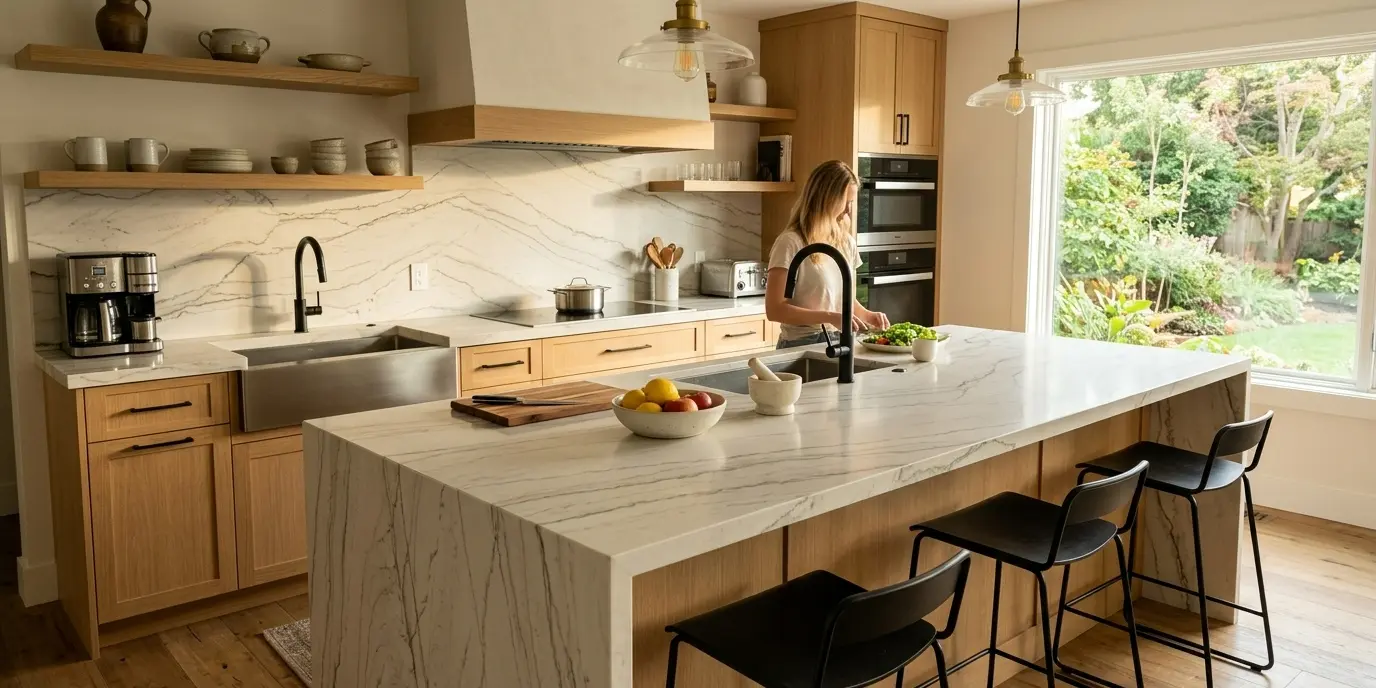
Quartzite begins its life as sandstone. Over millions of years, geological forces compress and transform it into one of the hardest natural stones available. It is composed of more than 90% quartz, and in some varieties that figure exceeds 99%. This high quartz concentration is what gives the stone its exceptional density and resistance to surface wear.
Unlike engineered materials, every slab is pulled directly from the earth as a solid block, then cut and finished. No resins, no pigments, no manufacturing additives. What you see in each piece is entirely a product of nature, which means no two slabs are ever alike. The mineral inclusions responsible for quartzite's distinctive veining, including iron oxides for warm reds and yellows, chlorite for green tones, and dumortierite for rare blues, ensure every surface carries its own geological signature.
For homeowners and designers seeking a surface that feels genuinely one of a kind, this natural variation is one of quartzite's most valued qualities. According to This Old House, quartzite is consistently recognized among the top-performing natural stone options for both residential and commercial applications.
Finish Options: Polished, Honed, Leathered, and Specialty
One of the most practical advantages of quartzite is the range of finish options available, each producing a noticeably different look and feel.
A polished finish brings out the stone's depth and crystalline structure through a high-gloss, reflective surface. It enhances natural veining and color contrast, making it a popular choice for spaces where visual impact matters most. Because the polishing process closes surface pores, it also tends to offer the strongest resistance to everyday staining.
A honed finish delivers a smooth, matte appearance without shine. Contemporary and transitional interiors gravitate toward this option for its understated sophistication. It offers a velvety texture that feels calm and grounded while still showcasing the stone's natural character.
A leathered finish adds dimension through a subtly textured surface with a soft sheen. It is particularly well-suited to modern and industrial-influenced designs where a slightly tactile, organic quality is desirable. This finish also tends to conceal minor smudges and fingerprints more effectively than polished surfaces.
Beyond these three, specialty finishes provide additional customization for projects with specific aesthetic or functional goals. The right finish depends on the space, the design direction, and how the surface will be used day to day. For detailed guidance on how each finish performs, selecting the ideal stone finish is a valuable reference when narrowing down your options. Those who prefer to compare finishes in person can find a showroom nearby to view options under real lighting conditions before making a final decision.
Where Quartzite Performs: Indoor and Outdoor Applications
Few natural stones match quartzite's range of suitable applications. Its density and hardness make it a dependable performer in both controlled interior environments and exposed outdoor settings.
Floors and Walls
Quartzite's hardness makes it an excellent flooring material for high-traffic areas including hallways, living rooms, and entryways. It resists scratching and surface wear even under consistent use. On walls, large-format quartzite slabs create a seamless, dramatic effect that adds depth and character to any room. The stone's natural veining becomes a design feature in itself, particularly in open-plan living spaces where a feature wall serves as a focal point. Customers in the region can visit our Reno or Sacramento locations to view quartzite slab options in person.
Fireplace Surrounds
Quartzite's heat resistance makes it a natural fit for fireplace surrounds and mantels. The stone holds up against temperature exposure without warping, discoloring, or suffering structural damage. Its natural veining and warm tonal variation also complement the organic character of a fireplace setting from a visual standpoint.
Outdoor Surfaces
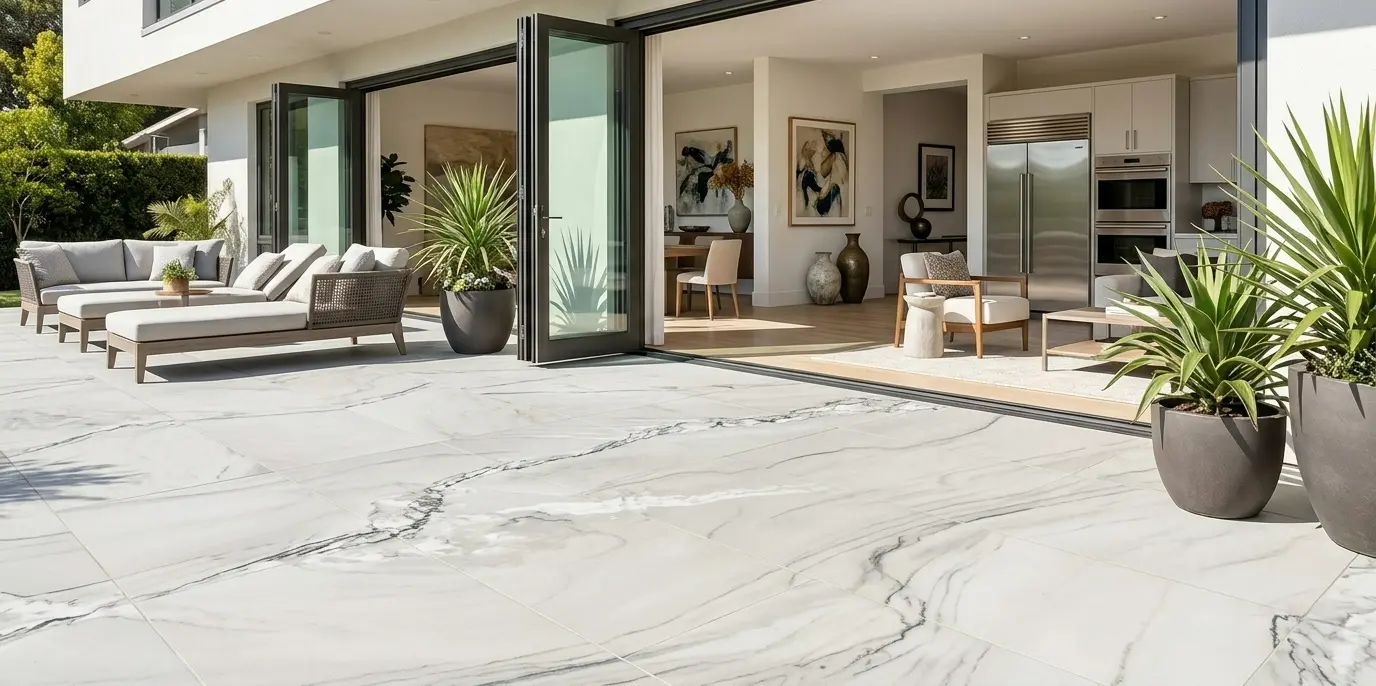
One of quartzite's most distinctive advantages over softer stones is its UV resistance. Many natural stones fade or discolor under prolonged sunlight, but quartzite maintains its color integrity even in areas with intense sun exposure. This makes it a strong candidate for exterior walls, patios, pool surrounds, garden paths, and outdoor entertaining areas.
Its resistance to rain, temperature fluctuation, and seasonal weather changes means it performs consistently across climates. Textured finishes such as leathered or specialty options also improve grip on outdoor floor surfaces, adding a practical safety benefit to an already durable material. For those planning a larger renovation that incorporates quartzite across multiple surfaces, requesting a slab quote is a helpful starting point for understanding available options.
Design Appeal: Versatility Across Styles and Spaces
Quartzite's color range spans from soft whites and creams to warm beiges, cool grays, and dramatic blues and golds. This breadth of natural tones allows the stone to work within a wide variety of design directions, from minimalist contemporary interiors to warmer, more traditional spaces.
The stone pairs naturally with neutral cabinetry, metallic hardware finishes, and natural wood elements. In bathroom settings, lighter quartzite tones reflect available light and create a bright, airy atmosphere on vanity tops and shower walls. In living areas and foyers, bolder veining choices bring a sense of movement and visual energy to otherwise quiet color palettes.
Because quartzite offers the visual elegance associated with marble while providing greater hardness and resistance to etching, it appeals to those who want the look of a softer stone without the associated maintenance demands. Designers and trade professionals who regularly specify natural stone surfaces can explore trade account options for streamlined access to the full slab selection. For upcoming industry events and educational resources relevant to stone specification, the Natural Stone Institute events calendar is a useful reference for designers staying current in the field.
Caring for Quartzite Surfaces
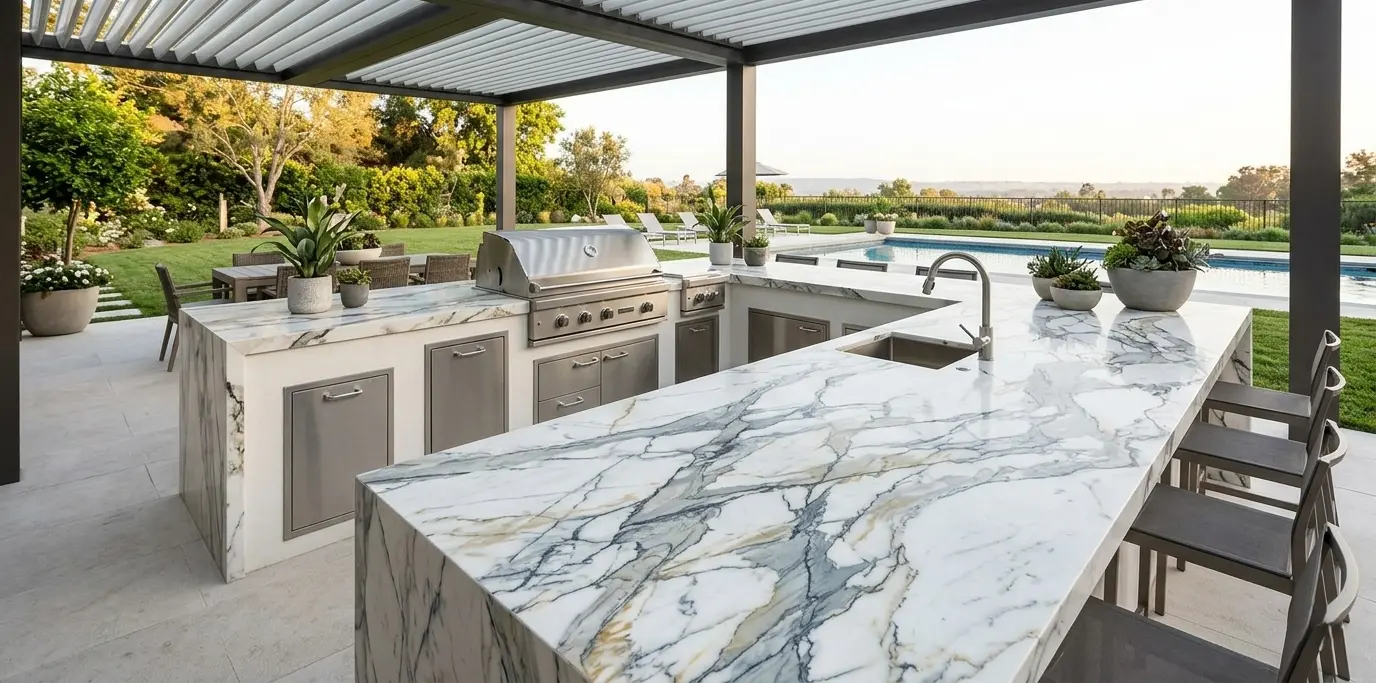
Quartzite's low porosity provides natural protection against staining and moisture absorption, but periodic sealing is still recommended to maintain that protection over time. Most surfaces benefit from sealing roughly once a year, though the frequency depends on usage and the specific finish chosen. Polished quartzite tends to require less frequent sealing because the polishing process naturally closes surface pores.
Daily care is straightforward. Warm water and a pH-neutral cleaner are sufficient for routine maintenance. Harsh chemicals, abrasive scrubbing tools, and acidic cleaners should be avoided, as they can break down the stone's surface and compromise the finish over time. According to the Natural Stone Institute, using appropriate cleaning products is one of the most important factors in preserving a natural stone surface's long-term appearance and integrity.
For leathered and honed surfaces, the texture naturally minimizes the visibility of minor marks, making them more forgiving in day-to-day use. If you are considering quartzite for an upcoming project and want personalized guidance on which variety or finish suits your space, scheduling a free consultation appointment connects you with knowledgeable staff who can walk you through the available options.
Nova Tile and Stone carries a curated selection of natural stone slabs, and our team is ready to support your project from the initial selection stage through to final decisions. Customers closer to the Nevada area can also stop by our Minden or Fernley showrooms to explore the collection firsthand.
Conclusion
Quartzite is a natural stone that brings together geological strength and visual refinement in a way that few materials can match. Its suitability across floors, walls, fireplace surrounds, and outdoor surfaces gives it a genuine flexibility that serves a wide range of residential and commercial projects. The variety of available finishes, from polished to honed to leathered and beyond, means the material can adapt to almost any design direction without compromise. For those who value authenticity, longevity, and a surface that only nature can produce, quartzite consistently delivers on all fronts.
Frequently Asked Questions
What is the difference between quartzite and engineered quartz?
Quartzite is a completely natural metamorphic stone quarried directly from the earth, formed when sandstone is subjected to intense heat and pressure over geological time. Engineered quartz, by contrast, is a manufactured product made by combining ground quartz particles with resins and pigments. The two materials share a similar name but differ significantly in composition, performance, and maintenance requirements.
Is quartzite suitable for outdoor use in areas with strong sun exposure?
Yes. Quartzite's UV resistance is one of its standout qualities among natural stones. It maintains its color and surface integrity even with prolonged sun exposure, making it well-suited for exterior walls, patios, pool surrounds, and other outdoor applications where fading is a concern with softer or less stable materials.
What finishes are available for quartzite slabs?
Quartzite is available in polished, honed, leathered, and specialty finishes. Polished surfaces offer a high-gloss, reflective appearance. Honed delivers a smooth matte effect. Leathered adds a subtle texture with a soft sheen. Specialty finishes provide additional options for projects with specific aesthetic or functional requirements.
How often does quartzite need to be sealed?
Most quartzite surfaces benefit from sealing approximately once a year, though the exact frequency depends on the level of use and the specific finish. Polished surfaces tend to require less frequent sealing because the polishing process naturally closes surface pores. A showroom consultation can help determine the right maintenance schedule for your specific slab.
Can quartzite be used for fireplace surrounds?
Yes. Quartzite's heat resistance makes it a practical and visually compelling choice for fireplace surrounds and mantels. It withstands temperature exposure without warping, cracking, or discoloring, and its natural veining pairs well with the organic character of a fireplace setting.