Sealing and maintaining a natural stone slab countertop protects the surface from stains, etching, and long-term damage caused by the stone's natural porosity. Marble should be sealed every six to twelve months, quartzite annually, and granite every one to three years. To seal a natural stone slab countertop, clean the surface thoroughly, apply a penetrating impregnating sealer with a microfiber cloth, allow it to absorb for five to fifteen minutes, then buff away the excess and let it cure for 24 hours. For daily maintenance, use a pH-neutral stone-safe cleaner, wipe up spills immediately, and avoid acidic products like vinegar or bleach that can etch and damage the surface.
Why Sealing a Natural Stone Slab Countertop Matters
Natural stone is a porous material. That means it contains tiny microscopic channels that can absorb liquids, oils, and other substances if left unprotected. When a spill, whether red wine, olive oil, or citrus juice, sits on an unsealed or poorly sealed stone surface long enough, it can penetrate the surface and leave a stain that is difficult or even impossible to remove.
Sealing a natural stone slab countertop fills those microscopic pores with a protective barrier, giving you extra time to wipe up spills before they absorb into the stone. It does not make the surface completely stain-proof, but it dramatically reduces the risk of permanent damage. If you are still deciding between natural and engineered options, it is worth reviewing the health and safety considerations around engineered stone before making your final choice.
Different stones have different porosity levels, which is why some natural stone slab countertops need to be sealed more frequently than others:
- Marble is highly porous and is the most sensitive to staining and etching. It typically needs sealing every six to twelve months.
- Quartzite is denser than marble but still porous and benefits from annual sealing, especially in high-use kitchens.
- Granite varies widely in porosity depending on the slab. Some granite countertops need sealing once a year; others may only need it every two to three years.
A simple test can tell you whether your natural stone slab countertop needs to be resealed: place a few drops of water on the surface and wait ten to fifteen minutes. If the water beads up, your seal is holding. If the water absorbs and darkens the stone, it is time to reseal.

How to Seal a Natural Stone Slab Countertop Step by Step
Sealing your natural stone slab countertop is a straightforward process you can do yourself in under an hour. For a deeper look at how different stone types behave during fabrication and installation, the Fine Homebuilding guide to natural stone countertops is an excellent reference. Here is what you will need and how to do it correctly.
What You Will Need:
- A high-quality penetrating stone sealer (look for impregnating sealers specifically formulated for natural stone)
- Clean microfiber cloths
- A mild stone-safe cleaner
- Gloves and light ventilation
Step 1: Clean the Surface Thoroughly Before applying any sealer, the surface must be completely clean and dry. Use a mild, pH-neutral stone cleaner to remove grease, residue, and any existing buildup. Avoid using vinegar, bleach, or general household cleaners, as these can damage the stone or strip an existing seal. Allow the surface to dry completely, ideally for 24 hours, before moving to the next step.
Step 2: Apply the Sealer Pour a small amount of penetrating sealer onto the surface or apply it directly from the bottle in sections. Using a clean microfiber cloth, spread the sealer in circular motions, working it evenly across the entire surface. Do not let the sealer puddle or dry on the stone; work in manageable sections.
Step 3: Let It Absorb Allow the sealer to penetrate for the time specified on the product label, typically between five and fifteen minutes. You may notice the surface appear slightly darker as the stone absorbs the sealer; this is normal.
Step 4: Wipe Away the Excess Before the sealer dries completely on the surface, buff away the excess with a clean, dry microfiber cloth. Any sealer left to dry on top of the stone can leave a hazy film that is difficult to remove.
Step 5: Apply a Second Coat (If Needed) For highly porous stones like marble or lighter quartzite, a second coat of sealer is often recommended. Wait the time specified on the label, usually one to two hours, then repeat the process.
Step 6: Allow the Seal to Cure Avoid using the countertop for at least 24 hours after the final coat so the sealer can fully cure and bond with the stone.
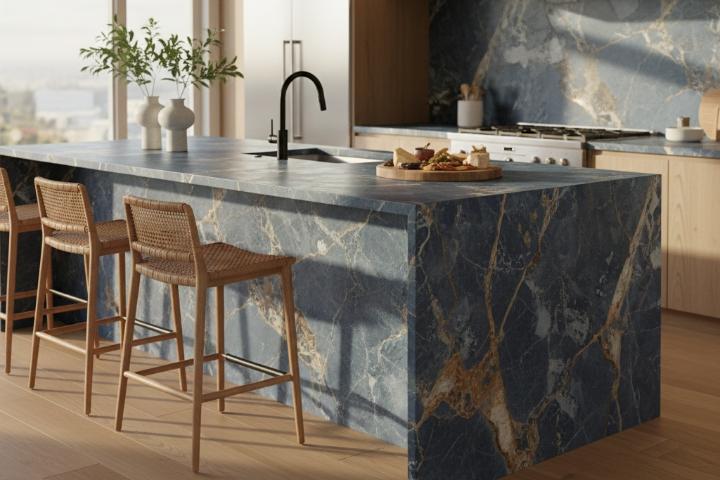
Daily Cleaning and Maintenance for Natural Stone Slab Countertops
Sealing is your foundation, but daily habits protect your natural stone slab countertop just as much as any product you apply. These simple practices will keep your stone looking beautiful between sealings.
Use the Right Cleaners Always clean natural stone with a pH-neutral, stone-safe cleaner. Acidic or alkaline products, including vinegar, lemon juice, ammonia-based sprays, and bleach, can etch the surface of marble and softer stones, leaving dull spots that no amount of polishing can fully reverse. When in doubt, warm water and a few drops of dish soap work perfectly for everyday cleaning. This Old House offers a thorough breakdown of how different stone countertop materials respond to cleaning and daily use if you want to go deeper on stone-specific care.
Wipe Up Spills Immediately The most important rule in natural stone slab countertop maintenance is this: do not let spills sit. Even a well-sealed surface can absorb a spill if it is left long enough. Keep a cloth nearby and wipe up anything acidic, such as citrus juice, wine, tomato sauce, or coffee, as soon as it happens.
Use Cutting Boards and Trivets While granite and quartzite are highly scratch-resistant, marble can scratch more easily. More importantly, even heat-resistant stones can experience thermal shock from very high temperatures over time. Always use cutting boards to protect the surface and trivets or hot pads under pots, pans, and heat-generating appliances like air fryers and slow cookers.
Avoid Abrasive Scrubbers Steel wool, rough sponges, and abrasive powders can scratch the polished finish of your natural stone slab countertop. For stuck-on messes, let warm soapy water soften the residue first, then wipe gently with a soft cloth.
Dry the Surface After Cleaning Leaving standing water on natural stone, particularly marble, can cause water spots and contribute to long-term surface dulling. After cleaning, buff the surface dry with a soft cloth for a streak-free finish.
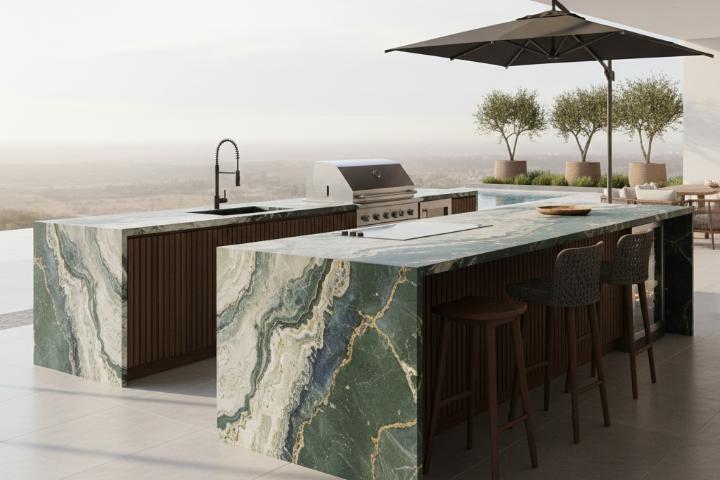
Dealing with Stains on Natural Stone Slab Countertops
Even with the best maintenance routine, stains can happen. The key is knowing how to respond based on the type of stain.
Oil-Based Stains: These include cooking oil, grease, and some cosmetics. Mix a small amount of dish soap with water and gently work it into the stain. For deeper stains, a poultice made from baking soda and acetone can be applied, covered with plastic wrap, and left for 24 to 48 hours to draw the oil out of the stone.
Organic Stains: Coffee, tea, wine, and fruit juice fall into this category. Hydrogen peroxide mixed with a small amount of ammonia (for light-colored stones) can help lift these stains. Always test in an inconspicuous area first.
Etch Marks on Marble: Etching is not the same as a stain. It is surface damage caused by acids reacting with the calcium carbonate in marble. Light etching can sometimes be buffed out with a marble polishing powder, but deep etches may require professional honing.
When in doubt, consult a stone care professional before attempting any aggressive treatment on your natural stone slab countertop.
When to Call a Professional
Some maintenance tasks go beyond what a homeowner should attempt on their own. If your natural stone slab countertop has developed deep etching, significant scratches, cracks, or widespread staining, a professional stone restoration technician can hone, polish, and refinish the surface to bring it back to its original condition.
If you are shopping for a new slab, browsing our full natural stone slab collection is a great place to start. Our showroom teams in Reno, Minden, Sacramento, and Fernley are always available to help you find the right stone for your space.
Conclusion
Caring for a natural stone slab countertop does not have to be complicated or time-consuming. A consistent sealing schedule, the right daily cleaning habits, and a few simple precautions are all it takes to keep your marble, quartzite, or granite looking as stunning as the day it was installed. Natural stone is built to last a lifetime, and with the proper maintenance routine in place, your countertop will reward you with beauty and durability for decades to come.
If you are in the market for a new natural stone slab countertop, our local stone showrooms across Northern Nevada and Northern California are here to help. Visit our stone and tile specialists and request a free design consultation today.
Frequently Asked Questions
How often should I seal my natural stone slab countertop?
It depends on the stone type and how heavily the countertop is used. Marble typically needs sealing every six to twelve months, quartzite annually, and granite every one to three years. To check if your stone needs sealing, place a few drops of water on the surface. If the water absorbs and darkens the stone within ten to fifteen minutes, it is time to reseal.
Can I use vinegar or bleach to clean my natural stone slab countertop?
No. Vinegar, bleach, lemon juice, and other acidic or alkaline cleaners should never be used on natural stone. These substances can etch and dull the surface, particularly on marble, and strip away the protective seal over time. Always use a pH-neutral, stone-safe cleaner for daily maintenance.
What is the difference between etching and staining on natural stone?
A stain occurs when a substance penetrates the pores of the stone and discolors it from within. Etching is surface damage caused by acids reacting with the stone's minerals. It appears as a dull, lighter spot on polished marble and cannot be sealed away. Light etching can sometimes be polished out, but deep etches typically require professional honing.
Is my natural stone slab countertop heat-resistant?
Granite and quartzite are highly heat-resistant natural stones, but it is still recommended to use trivets or hot pads under pots and pans to prevent thermal shock over time. Marble is more susceptible to thermal damage and should always have protection placed between the surface and hot objects.
Can I seal my natural stone slab countertop myself, or do I need a professional?
Most homeowners can successfully seal their own natural stone slab countertop using a quality penetrating impregnating sealer and a microfiber cloth. The process is simple and takes less than an hour. However, if your stone has significant staining, deep scratching, or etching, a professional stone restoration technician can restore and reseal the surface to like-new condition before you resume your maintenance routine.