Marble slabs are large, flat cuts of natural stone used for countertops, flooring, walls, and decorative surfaces in both residential and commercial spaces. Known for their distinct veining, rich color variation, and timeless durability, marble slabs are quarried from the earth, precision-cut to standard thicknesses, most commonly 2 cm and finished in either polished or honed surfaces depending on the application. To explore a full range of premium marble options and specifications, browse our marble slabs collection for countertops, flooring, and architectural applications.
Choosing the right marble slab means evaluating three core factors: the demands of your specific project, the appropriate slab thickness and finish, and the maintenance commitment required to preserve its appearance long-term. Marble is heat-resistant, naturally translucent, and low in porosity, making it a practical and high-performing material for kitchens, bathrooms, entryways, outdoor areas, and commercial environments.
This guide covers everything you need to know, from how marble slabs are made to how to select the right one so you can move forward with confidence on your next design or architectural project.
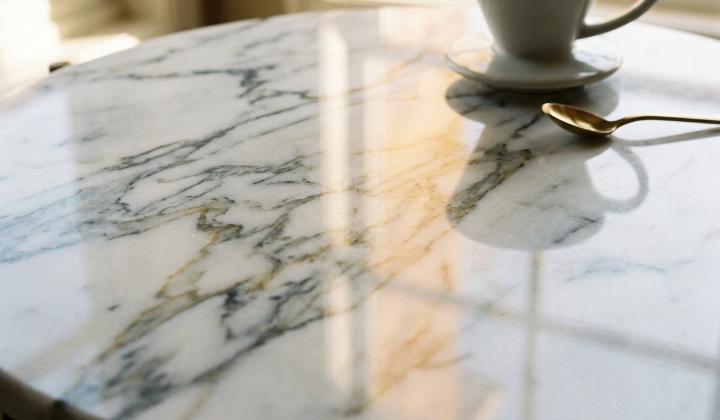
What Are Marble Slabs?
Marble slabs are far more than oversized pieces of stone, they are cross-sections of nature's craftsmanship. Each slab carries its own story, shaped deep within the earth over millions of years, with distinct veining and color variation that make every piece completely unique. Beyond its visual appeal, marble brings timeless durability to the table, making it a highly sought-after option for both traditional and contemporary interiors.
For centuries, marble has stood as a symbol of elegance and grandeur, from ancient temples to modern residences and it continues to be precision-cut for use in high-end surfaces including countertops, flooring, and decorative applications. Whether you're elevating a kitchen with a striking marble countertop or adding refinement to a floor, the enduring appeal of this stone fits naturally into virtually any design vision.
For more information about sustainability standards and certifications, read the guide on environmental and health product labels for natural stone materials.
How Marble Slabs Are Created
The creation of a marble slab begins at the quarry, where massive blocks are carefully extracted and that's where the real craftsmanship starts. Those blocks are then cut down using diamond-tipped gang saws or water jet technology, which uses high-pressure water streams to slice through stone with exceptional precision. The entire process is designed to preserve the marble's natural beauty while shaping it to the exact thickness and dimensions your project demands.
The most commercially in-demand thickness is 2 cm, which sees the highest global uptake. For specialized projects, thicknesses of 1 cm or 3 cm can also be made available upon request.
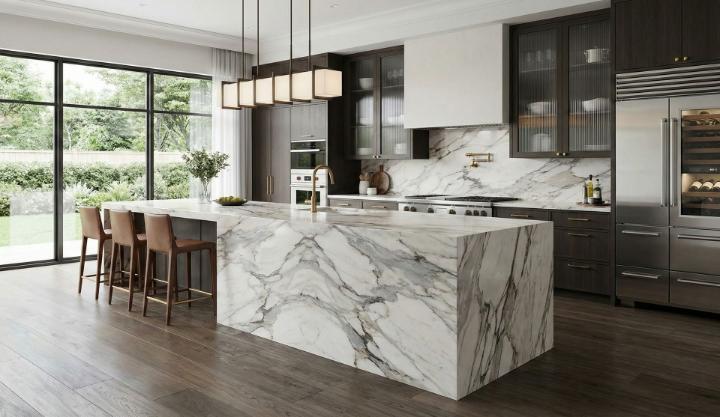
Uses of Marble Slabs in Design and Architecture
Marble slabs serve as a powerful foundation for enhancing the style and functionality of a wide range of spaces, both residential and commercial. In kitchens, they turn ordinary countertops and backsplashes into eye-catching focal points that balance aesthetics with day-to-day practicality. Their resilience and low porosity make them a natural fit or bathrooms, where they perform beautifully on vanities, shower walls, and countertops alike. To see what’s currently in stock, we invite you to shop local and explore our available marble selections.
Applied in entryways or living rooms, marble brings immediate sophistication through statement flooring or accent walls that command attention from the moment you walk in. In bedrooms, it creates a calm, refined backdrop, think marble fireplace surrounds or sleek tabletop surfaces that introduce a quiet touch of luxury. For outdoor settings like patios and pool areas, marble's durability allows it to hold up against the elements while maintaining its visual impact, making it just as compelling outside as it is indoors.
In commercial environments, marble consistently delivers, shaping the character of hotels, restaurants, and office spaces with its rich palette of colors and patterns. From grand staircases to polished flooring and architectural accents, this material continues to perform where others fall short. To preserve its beauty for years to come, follow our expert tips on how to clean marble countertops properly and safely.
Why Choose Marble Slabs?
Very few materials offer what marble brings to a project. It's a standout option for interior designers, architects, and builders who want to deliver lasting results. Here are three compelling reasons to make marble slabs your material of choice.
Stunning Aesthetic Appeal
Marble slabs display a breathtaking range of patterns and tones. Their distinct veining and rich hues can transform any space into an extraordinary showcase of elegance, creating a visual impact that simply cannot be ignored.
Durability
When you select marble with the right technical specifications, you get a material that's built to handle the demands of daily life without losing its appeal. Seal it properly, and marble will maintain its beauty for years, even decades to come.
Clean and Inviting
Marble's natural translucence, whether in white or colored slabs, allows it to reflect light in a way that makes rooms feel warmer and more welcoming. Add its heat-resistant properties to the mix, and you have a material that's as practical as it is beautiful.
Choosing marble isn't just a design decision, it's a long-term investment in beauty, durability, and timeless elegance. To compare materials and surface options in more detail, explore the guide about stone countertops for residential and commercial projects. If you're a designer, builder, or contractor, you can also apply for a trade account to access exclusive pricing and benefits.

How to Choose the Right Marble Slab
Selecting natural stone for an architectural or interior design project goes well beyond visual preference. You need to evaluate how each slab's characteristics will hold up against the specific demands of your application. Here's a practical framework to guide your decision.
1. Determine the Project's Needs
Start by identifying exactly what your project requires. Aesthetic appeal and functionality both need to be addressed from the outset. Are you sourcing marble slabs for a luxury hotel lobby or a high-traffic residential kitchen countertop? Each setting calls for different attributes. Durability takes priority for countertops, while decorative applications may place greater emphasis on intricate veining or specific color profiles.
2. Tailor Your Selection to the Application
The space itself will largely determine the type of marble slab you need. In large-scale commercial projects, slabs with bold, dramatic veining can serve as architectural focal points. Smaller-scale designs often benefit from more subtle, refined patterns. For bathrooms and backsplashes, thinner slabs reduce both weight and cost while still delivering striking results. In exterior applications, your chosen material must be capable of withstanding weather exposure without sacrificing its appearance, which makes careful stock evaluation essential.
3. Evaluate Maintenance Requirements and Sourcing
All marble slabs require regular sealing to stay protected against wear and staining. The level of upkeep will depend on the finish you choose. Polished slabs bring light and a high-end feel to any space but typically require more maintenance than honed finishes, which offer a more matte, understated look.
When you're ready to move forward, you can request a custom marble slab quote for your specific project requirements or schedule a showroom appointment to view available slabs in person.
By working through each of these considerations carefully, you can select the right marble slabs with confidence, ensuring your project delivers both lasting practicality and undeniable beauty.
Conclusion
Marble slabs have earned their place as one of the most trusted and sought-after materials in design and architecture and for good reason. From the moment a block is extracted at the quarry to the final installation in your space, every step of the process is oriented around preserving and showcasing natural beauty. Whether you're working on a high-traffic kitchen countertop, a spa-inspired bathroom, a grand commercial lobby, or an outdoor living area, marble offers the rare combination of aesthetic impact and real-world durability that few materials can match.
The key to getting the most out of marble lies in making the right decisions upfront, understanding your project's demands, selecting the appropriate slab thickness and finish, and partnering with a reliable tile and stone company that can back their products with quality and variety. Do that, and you're not just choosing a surface material. You're making a long-term investment that will continue to add value, character, and elegance to any space for years to come.
Frequently Asked Questions
What is the standard thickness for marble slabs, and which one should I choose?
The most widely used thickness for marble slabs is 2 cm, which accounts for the majority of global demand and works well for most countertop, flooring, and wall applications. A 1 cm thickness is a practical option for backsplashes or wall cladding where reducing weight is a priority. For heavy-duty surfaces or projects requiring extra structural integrity, a 3 cm slab is the stronger choice.
Does marble require a lot of maintenance?
Marble does require consistent upkeep to keep it looking its best, but it doesn't have to be burdensome. The most important step is regular sealing, which protects the surface against staining, moisture, and everyday wear. The frequency of sealing depends on how heavily the surface is used and the finish you've chosen. Polished marble, while stunning, tends to show etching and requires more attention than a honed finish. With a proper maintenance routine in place, marble remains a durable and beautiful surface for decades.
Is marble a good choice for kitchen countertops?
Yes, marble is a popular and practical choice for kitchen countertops when properly maintained. Its natural heat resistance makes it well-suited for cooking environments, and its smooth surface is easy to clean. Keep in mind that marble is more porous than materials like quartz, so sealing it regularly is essential to prevent staining from oils, acids, and liquids. For homeowners who are willing to invest in proper care, marble countertops deliver a level of elegance that's hard to replicate with any other material.
Can marble slabs be used outdoors?
Marble can absolutely be used in outdoor applications, including patios, pool surrounds, and exterior cladding. Its natural durability allows it to hold up well against weather exposure, and many varieties maintain their beauty even in direct sunlight. That said, not all marble performs equally outdoors, it's important to select a variety that's suited for exterior use and to ensure it's properly sealed and maintained to handle moisture, temperature changes, and foot traffic.
What's the difference between polished and honed marble finishes?
A polished finish gives marble a high-gloss, reflective surface that amplifies its natural veining and color depth, making spaces feel brighter and more luxurious. It's a popular choice for countertops, flooring, and decorative applications. A honed finish, on the other hand, produces a matte, flat surface with a softer, more understated appearance. Honed marble is generally less slippery underfoot and tends to be more forgiving with minor scratches and etching, making it a practical option for high-traffic floors and bathroom surfaces. The right choice depends on the look you're going for and how much maintenance you're prepared to commit to.