How to Keep Granite Surfaces Spotless at Home
Keeping granite surfaces clean and well-maintained comes down to a few consistent habits: wiping spills promptly, using pH-neutral cleaners, and sealing the stone on a regular schedule. These three practices address the most common causes of staining, etching, and surface dullness that affect granite countertops, flooring, and wall cladding over time.
Granite is a natural stone known for its density and visual depth, but its porous structure means it can absorb liquids and oils when left unprotected. Understanding what the material responds well to, and what it does not, is what separates surfaces that hold up over the years from those that gradually lose their character. This guide covers the practical care steps that help granite stay clean, sealed, and looking its best throughout the home.

Why Granite Benefits From Regular Care
Many homeowners assume that because granite is hard and dense, it requires little to no upkeep. In reality, granite is a porous material, which means it can absorb liquids, oils, and staining agents if left unprotected. Over time, neglected surfaces may develop discoloration, etching, or a dull appearance that diminishes the stone's original character.
Routine maintenance is not about excessive effort. It is about building habits that work to prevent buildup and help protect the surface from everyday wear. Whether you have granite countertops, flooring, or natural stone wall cladding, the core principles of care remain consistent.
Daily Cleaning Habits That Make a Difference
The most practical way to maintain granite is through simple, daily cleaning. After each use, wipe down surfaces with a soft cloth or microfiber towel. This removes residue before it has a chance to settle into the pores of the stone.
For routine cleaning, use a pH-neutral cleaner specifically formulated for natural stone. Products that contain vinegar, lemon juice, bleach, or ammonia can break down the surface over time and are generally not recommended for use on granite. Acidic or strongly alkaline formulas present a similar risk and are best avoided.
Plain warm water with a small amount of mild dish soap works well for light spills and general upkeep. Always dry the surface after wiping to help prevent water spots, particularly in areas with hard water where mineral deposits can accumulate with repeated exposure. According to Bob Vila, using the wrong cleaning products is one of the leading causes of long-term granite surface damage.
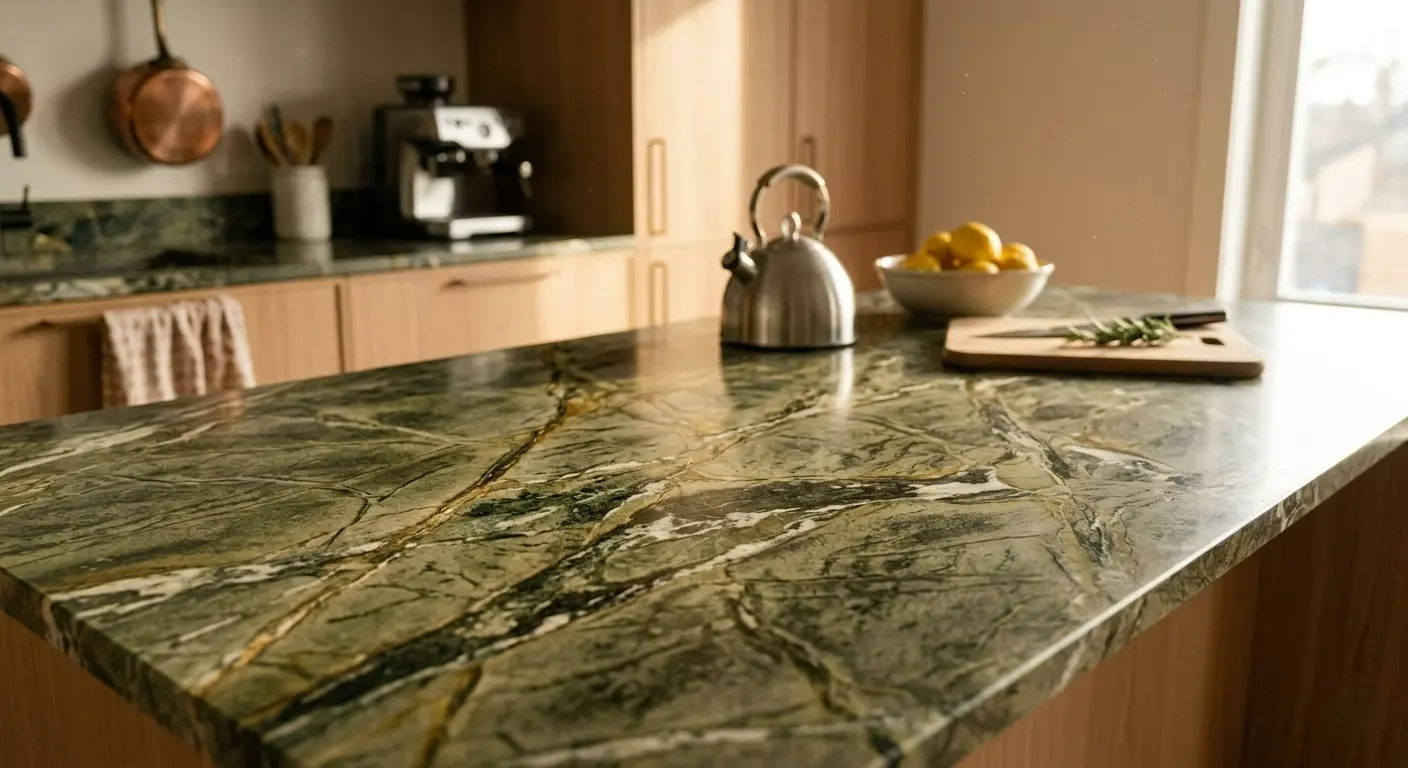
Responding to Spills Promptly
Spills are a part of everyday household life, and how quickly you respond tends to determine whether or not a stain sets. Acidic substances such as wine, coffee, citrus juice, and tomato sauce are among the more damaging to natural stone surfaces. When a spill occurs, blot it immediately rather than wiping, as wiping can spread the liquid further across the surface.
For oil-based spills such as cooking grease or body lotion, apply a small amount of pH-neutral cleaner and allow it to rest briefly before blotting. Avoiding scrubbing is important, as this can push the substance deeper into the stone or contribute to surface scratching.
For stains that have already dried, a paste made from baking soda and water can help draw out discoloration over several hours. Apply the mixture to the affected area, cover it with plastic wrap, and allow it to work before gently removing and rinsing the surface clean. Homeowners exploring granite for new spaces can view available slab selections to find material with the density and finish that best suits their household's level of use.
The Role of Sealing in Long-Term Protection
Sealing is among the most important steps in a consistent granite care routine. A quality sealant fills the microscopic pores in the stone, creating a barrier that can help resist moisture, staining, and surface damage. Without proper sealing, even a diligent cleaning routine may leave the stone more vulnerable to penetration over time.
How often sealing is needed depends on the type of granite and the level of daily use. High-traffic surfaces like kitchen countertops may benefit from more frequent sealing compared to bathroom vanities or decorative flooring. A simple water test can be useful: if water no longer beads on the surface and instead absorbs within a few minutes, it is generally a sign that resealing would be beneficial.
Always use a sealer formulated for natural stone. Applying an incompatible product can cloud the finish or interfere with the stone's appearance. The Natural Stone Institute recommends following manufacturer guidelines for sealer selection and application frequency based on stone type and usage environment. If you are uncertain about the right approach for your specific granite, a free consultation with a stone specialist can provide guidance suited to your situation.
Protecting Granite From Physical Damage
Beyond cleaning and sealing, physical protection plays a meaningful role in preserving granite surfaces. While granite is known for strong scratch resistance, it is not entirely immune, particularly when metal utensils, rough ceramics, or sharp objects are dragged across the surface repeatedly over time.
Using cutting boards, trivets, and protective mats in the kitchen reduces unnecessary contact between granite and items that may cause micro-abrasions. For countertops, placing extremely hot items directly on the surface is worth avoiding. Although granite is known for heat resistance, sudden temperature changes can place stress on the stone in certain situations.
For granite flooring, placing felt pads under furniture legs helps reduce the risk of scratching from movement. Entry mats and area rugs in high-traffic zones also work to minimize the abrasive impact of grit and debris that can be tracked in from outside.

Restoring Natural Luster Through Polishing
Over time, even well-maintained granite can gradually lose some of its original shine due to foot traffic, surface wear, or repeated cleaning. Polishing can help restore the reflective quality of the stone and bring back the depth of color that makes granite a visually compelling choice.
Using a granite-specific polishing product rather than general surface polishes or wax-based formulas is strongly advisable. Apply in gentle circular motions with a clean, soft cloth and buff the surface until the desired finish is achieved.
For honed or matte-finished granite, products designed for glossy surfaces should be avoided, as they can alter the appearance of the finish in ways that may be difficult to reverse. Each finish type carries its own care requirements, and understanding how stone finishes differ can help homeowners make more informed decisions about both selection and ongoing upkeep.
Common Mistakes That Can Compromise Granite
A few habits tend to cause the most damage to granite surfaces over time. Using abrasive scrubbing pads, steel wool, or scouring powders can scratch the surface. Leaving standing water near seams or edges for extended periods may weaken grout lines and contribute to mold growth over time.
Placing significant weight on overhanging granite sections can put undue stress on the stone, especially near unsupported edges. These are situations worth being mindful of in day-to-day use.
Selecting appropriate cleaning products from the outset is far easier than attempting to address damage later. If a surface shows signs of significant etching, persistent staining, or dulling that routine care cannot resolve, professional stone restoration may be worth exploring. Shoppers in the Northern Nevada area can visit our Reno showroom to speak with our team in person about stone care and material selection.
Choosing Quality Granite for Easier Maintenance
The quality and finish of granite at the time of selection has a direct influence on how manageable ongoing care tends to be. Denser granite with a tighter grain structure is generally less porous and may be more resistant to staining. Polished finishes are often easier to clean than textured or leathered finishes, though each has its own aesthetic value.
Nova Tile and Stone offers a curated selection of granite options, from classic polished slabs to contemporary honed surfaces, sourced with both beauty and practicality in mind. Our team provides free design consultations to help you find a material that suits your lifestyle and long-term maintenance preferences.
Conclusion
Granite is a long-term investment that tends to reward consistent, thoughtful care. From daily wiping and prompt spill response to regular sealing and occasional polishing, the steps involved in maintaining natural stone surfaces are manageable when approached with the right knowledge. Avoiding harsh chemicals, guarding against physical damage, and using stone-appropriate products can go a long way in keeping granite looking refined and vibrant for many years.
Whether you are caring for an existing installation or considering a new project, understanding the nature of the material puts you in a strong position to enjoy it fully.
Frequently Asked Questions
How often should granite countertops be sealed?
Most granite countertops benefit from sealing roughly once a year, though heavily used surfaces may call for more frequent applications. Performing a water bead test every few months can help indicate whether the sealant is still performing effectively.
Can regular household cleaners be used on granite?
Most standard household cleaners are not well suited for granite. Products that contain vinegar, bleach, citrus, or ammonia can etch the surface and may degrade the sealant over time. A pH-neutral cleaner formulated for natural stone is generally the recommended choice.
What is a practical approach for removing a dried stain from granite?
A paste made from baking soda and water applied directly to the stain and covered with plastic wrap for several hours can help draw out dried discoloration. For persistent staining that does not respond to this method, professional stone treatment may be worth considering.
Is granite flooring more demanding to maintain than countertops?
Granite flooring faces different challenges, including ongoing foot traffic, abrasive debris, and furniture movement. While the cleaning principles are similar to those for countertops, flooring may benefit from more frequent sealing and the use of protective mats in high-use areas.
Does the surface finish affect how granite should be cared for?
The finish type does influence care requirements. Polished granite tends to be smoother and easier to wipe clean, while honed or leathered finishes may require more attention to help prevent oil absorption and surface staining. Using products suited to the specific finish of your stone is always advisable.