Porcelain countertop slabs typically range from 6mm to 20mm in thickness and come in standard sizes from 12 x 12 inches up to large-format panels measuring 48 x 96 inches or larger. The right thickness depends on the application: thin-body slabs (6mm to 12mm) work best for wall cladding, backsplashes, and overlay installations, standard slabs (12mm to 20mm) are the most popular choice for residential kitchen and bathroom countertops, and thick-body slabs (20mm and above) are ideal for outdoor kitchens, commercial surfaces, and long unsupported spans.
- Thin-body (6mm to 12mm): Lightweight, overlay-friendly, best for walls and backsplashes
- Standard (12mm to 20mm): Most common for kitchen and bathroom countertops, with 12mm being the industry standard
- Thick-body (20mm+): Maximum durability for outdoor and commercial use
- Common slab sizes: 12x12, 12x24, 24x24, 24x48, and 48x96+ inches
- Glazed vs. unglazed: Glazed adds stain resistance; unglazed offers through-body color consistency
Beyond thickness, choosing between glazed and unglazed porcelain and selecting the right slab size will directly impact both the performance and visual appeal of your finished countertop. Below, we break down each of these factors in detail so you can make a confident, informed decision for your next project. At Nova Tile and Stone, we carry porcelain and engineered stone slabs across the full range of sizes and thicknesses, and our commission-free design team is here to help you find the perfect fit.
Why Porcelain Countertop Thickness Matters
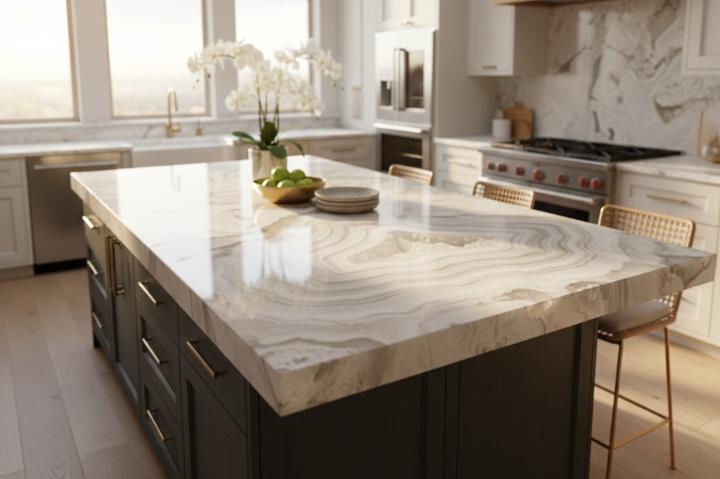
The thickness of a porcelain slab directly affects its strength, weight, and suitability for different applications. Porcelain countertop slabs generally range from 6mm (approximately 1/4 inch) to 20mm (approximately 3/4 inch) or more, and the right choice depends entirely on where and how the surface will be used.
Thicker porcelain slabs deliver enhanced structural integrity, making them the go-to option for high-traffic kitchens, commercial installations, and outdoor countertops that need to withstand temperature fluctuations and heavy daily use. Thinner slabs, on the other hand, are lighter and easier to handle during installation, which makes them well-suited for wall-mounted applications, backsplashes, and overlay installations where the slab is applied over an existing surface.
Choosing the correct thickness isn't just about durability. It also influences the overall aesthetic of your space. A thicker slab creates a more substantial, high-end appearance on a kitchen island, while a thinner profile can lend a sleek, contemporary edge to a bathroom vanity or feature wall. If you're weighing porcelain against traditional stone countertop materials like granite or marble, thickness plays a similar role in both categories, though porcelain offers the added benefit of being non-porous and maintenance-free regardless of which thickness you choose.
Key Factors to Consider When Selecting Porcelain Slab Thickness
Before settling on a specific thickness, take the following factors into account to ensure your porcelain countertop performs as beautifully as it looks.
Intended Application: Where will the porcelain slab be installed? Countertops in busy kitchens and outdoor cooking areas benefit from standard or thick-body slabs (12mm and above) that resist impact and heavy loads. Interior walls, decorative accent panels, and backsplashes can work beautifully with thinner options in the 6mm to 9mm range.
Substrate and Support Structure: The surface underneath your porcelain countertop must be strong enough to support the weight of the slab. Thicker porcelain exerts more downward force on cabinetry and substructures, so it's important to verify that your base can handle the load. If you're unsure, our design experts can help assess your project requirements during a free consultation at any of our showrooms.
Glazed vs. Unglazed Porcelain: This is another decision that ties directly into performance. Glazed porcelain slabs feature a liquid glass coating fired onto the surface during manufacturing. This glaze boosts stain resistance, adds design flexibility with a wider range of colors and patterns, and provides extra protection in moisture-heavy environments like kitchens and bathrooms. However, one important consideration is that glazed porcelain carries its pattern and color only on the surface. This means that if the slab is chipped, the interior color may be different from the printed surface, making damage more visible.
Unglazed porcelain slabs skip that protective coating, which makes them slightly more vulnerable to staining over time. The advantage, however, is that unglazed porcelain carries its color throughout the entire body of the tile. If the surface chips or scratches, the same color is visible underneath, maintaining a consistent appearance. This through-body color consistency can be a significant advantage in high-traffic commercial settings or areas prone to wear.
When weighing these options for a countertop, consider how much visual disruption a chip would cause in your chosen color or pattern. For lighter, solid-toned slabs, the difference may be minimal. For bold veined patterns that mimic natural marble, the surface-only printing of glazed porcelain is a more important factor to keep in mind.
Standard Porcelain Tile Sizes
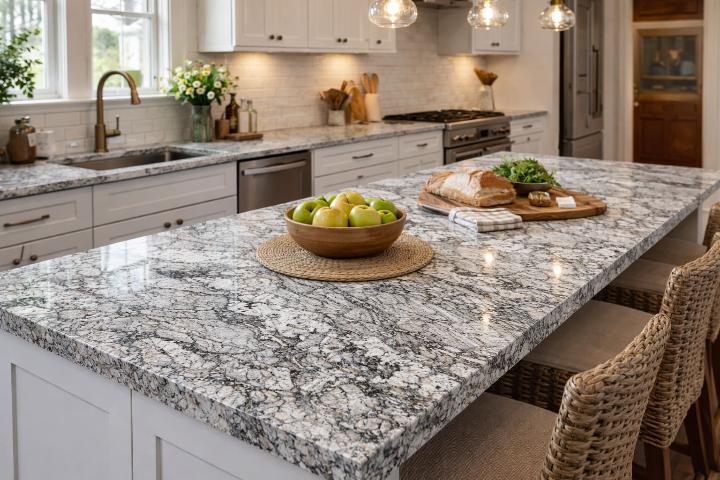
Porcelain tiles and slabs are manufactured in a wide variety of dimensions, and understanding the most common sizes helps you visualize how different formats will look in your space.
12 x 12 inches. A classic square format that remains popular for traditional designs, smaller rooms, and detailed pattern layouts. This size offers excellent versatility and works well for both floor and wall applications.
12 x 24 inches. One of the most versatile rectangular formats available, this size can be installed in a variety of patterns including staggered brick, herringbone, and straight stack. It strikes an ideal balance between visual impact and practical installation for floors and walls alike.
24 x 24 inches. A larger square format that creates a clean, modern aesthetic with fewer grout lines. This size is a popular choice in both residential and commercial spaces where a spacious, open feel is desired.
24 x 48 inches. This rectangular slab format has surged in popularity for homeowners seeking the look of natural stone or large-format elegance. The longer profile reduces visible grout lines and produces a sophisticated, seamless appearance on floors, walls, and countertop surfaces.
Large-Format Slabs (48 x 96 inches and beyond). At the top end of the size spectrum, large-format porcelain slabs can cover expansive surfaces with minimal seaming. The largest slabs on the market reach approximately 63 x 126 inches (roughly 5 feet by 10.5 feet). These oversized panels are ideal for kitchen islands, full-height backsplashes, shower surrounds, and fireplace facades where a continuous, uninterrupted look makes the biggest visual statement.
Porcelain Tile Categories by Size
Small Porcelain Tiles (1 to 6 inches)
Small-format porcelain tiles open the door to intricate mosaic work, detailed accent borders, and eye-catching backsplash designs. Their compact dimensions allow for creative pattern possibilities that larger formats simply can't achieve. These tiles add texture, depth, and visual interest, making them a favorite for bathroom niches, kitchen backsplash accents, and decorative insets.
Medium Porcelain Tiles (12 to 24 inches)
Medium-format porcelain tiles hit the sweet spot between design flexibility and installation efficiency. They cover larger areas faster than small tiles while still allowing for creative layout options like herringbone, chevron, and basket weave patterns. This size range works beautifully across kitchens, bathrooms, laundry rooms, and entryways, offering a balanced look that suits both contemporary and traditional interiors.
Large Porcelain Slabs (24 inches and above)
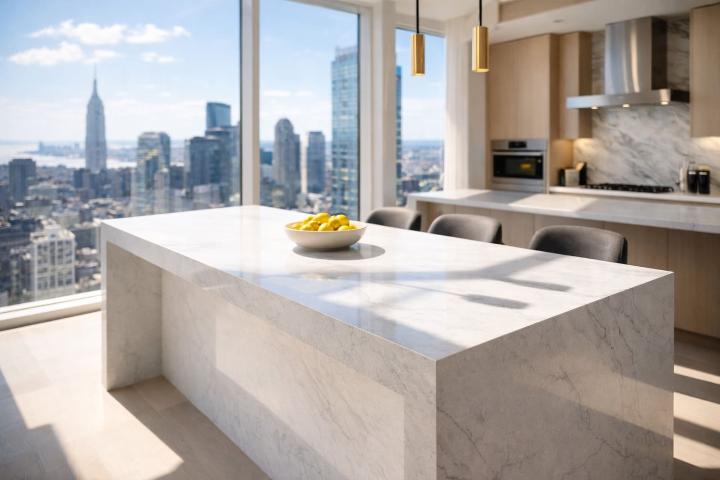
Large-format porcelain slabs deliver a bold, polished aesthetic that transforms any room. With fewer grout lines interrupting the surface, these slabs create a seamless visual flow that makes spaces feel larger and more luxurious. They're a top choice for open-concept kitchens, spa-inspired bathrooms, and modern living areas. The trade-off is that large-format slabs require experienced handling and precise installation, so working with a knowledgeable team is essential.
Types of Porcelain Countertop Slab Thickness
Thin-Body Porcelain Slabs (6mm to 12mm)
Thin-body porcelain slabs are lightweight and adaptable. They work exceptionally well as countertop overlays, where they are installed directly over an existing surface, which can reduce labor costs and project timelines. They're also a top pick for vertical applications like backsplashes, feature walls, and wall cladding. Because of their reduced weight, thin-body slabs place less stress on cabinetry and mounting structures. However, they do require careful handling during fabrication and installation to prevent cracking.
Standard Porcelain Slabs (12mm to 20mm)
Standard-thickness porcelain slabs represent the most popular choice for residential countertops. The 12mm thickness is the current industry standard for porcelain countertops, offering a strong balance of structural performance and sleek modern design. Thicker options within this range, such as 2cm (approximately 20mm), provide additional mass for homeowners who prefer a more substantial feel. This thickness range is suitable for the vast majority of indoor residential and light commercial applications. To achieve the appearance of a traditional 2cm or 3cm countertop edge with a 12mm slab, fabricators typically use a mitered edge technique, where two pieces are joined at a 45-degree angle to create a thicker profile.
Thick-Body Porcelain Slabs (20mm and above)
Thick-body porcelain slabs are built for heavy-duty performance. Their increased thickness provides superior impact resistance, making them ideal for outdoor kitchens, commercial countertops, and surfaces that span long distances without additional support underneath. Some 20mm slabs now feature through-body veining technology, where the pattern runs through the entire slab rather than being printed only on the surface. This gives the countertop edge a more natural stone-like appearance without needing a mitered edge treatment.
One additional benefit of porcelain worth noting is fabrication safety. Unlike engineered quartz countertops, which contain over 90% crystalline silica and have been linked to serious respiratory health risks for fabrication workers, porcelain slabs pose a significantly lower silicosis risk during cutting and finishing. This is an increasingly important consideration as the countertop industry evolves.
Regardless of which thickness you choose, professional installation is critical. Porcelain is an incredibly hard material, and precise cutting, fitting, and seaming require specialized tools and experience. It's important to work with a fabricator and installer who has specific experience with porcelain slabs, as they are not handled or installed the same way as natural stone surfaces like granite or marble.
See Porcelain Countertop Slabs in Person
Choosing a porcelain countertop is one of the most impactful design decisions you can make for your home. The right combination of size, thickness, and finish transforms a functional surface into the centerpiece of your kitchen, bathroom, or outdoor space. Photos and specifications only tell part of the story. There's no substitute for seeing and touching the actual slabs before making your final selection.
We invite you to visit any of our four showroom locations in Reno, Minden, Sacramento, and Fernley to browse our full porcelain slab collection in person. As a family-owned business and direct stone importer, we carry porcelain countertop slabs in a wide range of sizes, thicknesses, and finishes, from thin-body panels perfect for backsplashes to thick-body slabs ready for your dream kitchen island.
Not sure where to start? Take advantage of our free design consultation with our commission-free team of experts. We'll help you match the right porcelain thickness and size to your project's specific needs, style, and budget.
Conclusion
Porcelain countertops offer an exceptional combination of durability, design versatility, and low maintenance that makes them a smart choice for any home improvement project. By understanding how slab thickness and size influence both performance and aesthetics, you can confidently select the porcelain surface that fits your space perfectly. Whether you need a thin-body slab for a sleek backsplash overlay, a standard 12mm countertop for your kitchen remodel, or a thick-body surface for your outdoor entertaining area, there's a porcelain option engineered for the job. Visit one of our showrooms to explore the possibilities firsthand and let our experienced design team guide you to the perfect porcelain countertop for your home.
Frequently Asked Questions
How thick should a porcelain countertop slab be for a kitchen?
For most residential kitchen countertops, a 12mm porcelain slab is the industry standard and provides a strong balance of durability and modern aesthetics. If your kitchen island has a particularly long unsupported span or you prefer a more substantial look without a mitered edge, stepping up to a 20mm slab offers added structural support. Your fabricator can advise on which thickness best suits your specific layout and countertop dimensions.
What is the difference between glazed and unglazed porcelain countertops?
Glazed porcelain features a liquid glass coating fired onto the surface, which enhances stain resistance and offers a wider variety of colors and patterns. However, the design is printed only on the surface, so a chip may reveal a different color underneath. Unglazed porcelain has no surface coating but carries its color throughout the full body of the tile, so minor chips maintain a consistent appearance. Glazed is typically the better choice for moisture-heavy residential areas, while unglazed may be preferred where through-body color consistency is a priority.
Can porcelain countertop slabs be installed over existing surfaces?
Yes, thin-body porcelain slabs in the 6mm to 12mm range are specifically designed for overlay applications. They can be installed directly over existing countertops, which reduces demolition waste, saves on labor costs, and speeds up project timelines. However, the existing surface must be structurally sound, level, and properly prepared to ensure a secure bond. A professional installer with porcelain slab experience should evaluate whether your current countertop is a good candidate for an overlay.
What porcelain slab size is best for a seamless countertop look?
Large-format porcelain slabs measuring 48 x 96 inches or larger deliver the most seamless appearance because they minimize the number of visible joints and seams across the countertop surface. The largest available slabs reach approximately 63 x 126 inches, which can cover an entire kitchen island without seaming. These oversized panels are especially effective on long countertop runs and full-height backsplashes where visual continuity creates a dramatic, high-end effect. Keep in mind that large-format slabs require experienced fabricators for precise cutting and installation.
Does Nova Tile and Stone offer porcelain countertop consultations?
Absolutely. We provide free design consultations at any of our four showroom locations in Reno, Minden, Sacramento, or Fernley. You can view full-size porcelain slabs in person and get hands-on guidance from our commission-free design team, who will help you match the right thickness, size, and finish to your project. Our experts are available Monday through Friday from 7:30 AM to 4:00 PM PST to help you find the perfect porcelain countertop for your home.