Most natural stone slabs measure between 100 to 138 inches long (8 to 11.5 feet) and 55 to 78 inches wide (4.5 to 6.5 feet), providing approximately 50 to 70 square feet of usable surface area. Granite slabs typically measure 108-132" × 60-78", quartzite slabs run 120-138" × 65-78", marble slabs are 100-120" × 55-75", and engineered quartz slabs measure 120-126" × 55-65".
Understanding these standard dimensions is critical when planning kitchen or bathroom countertops because slab size directly determines how many pieces you'll need, where seams will be placed, and your total material costs. A typical L-shaped kitchen with 45 square feet of counter space may require only one large slab if planned efficiently, while smaller slabs might necessitate two pieces and an additional seam.
As direct stone importers with over 10,000 slabs in stock across our Northern Nevada and Northern California showroom locations in Reno, Minden, Sacramento, and Fernley, we help homeowners and contractors navigate the selection process with expert guidance on slab sizing, material selection, and budget optimization.
Understanding Stone Slabs: The Basics
A stone slab represents a large, flat section of natural or engineered stone cut from a quarry block or manufactured for commercial use. These pieces are professionally shaped, polished, and installed as countertops, backsplashes, wall panels, or flooring throughout residential and commercial spaces.
Natural stone slabs like granite, marble, and quartzite begin deep within the earth, where geological processes create stunning patterns and unique characteristics. Engineered stone slabs such as quartz are manufactured using natural stone particles combined with resins and pigments for consistent patterns and enhanced durability.
Slab size plays a critical role in your project. Larger slabs allow fabricators to create continuous surfaces with fewer visible seams, particularly important for expansive kitchen islands or bathroom vanities. The dimensions also determine how many slabs you'll need, directly affecting your material budget and installation timeline.
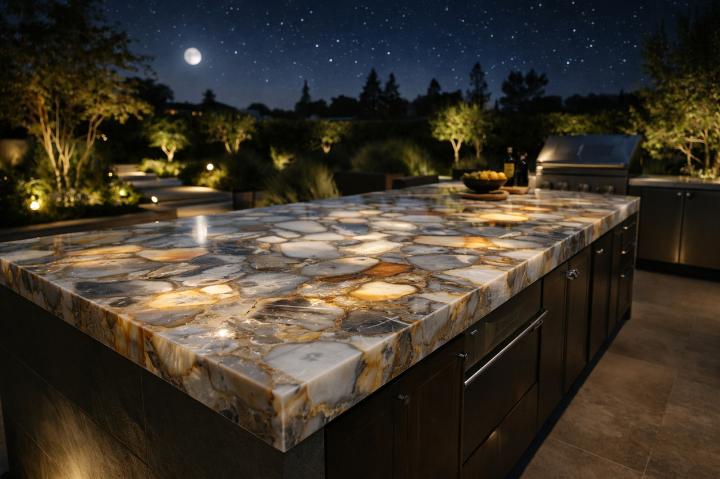
Industry Standard Slab Dimensions by Stone Type
Different stone materials come in varying standard sizes based on how they're quarried or manufactured.
Granite Slabs Natural granite slabs typically measure between 108 to 132 inches in length and 60 to 78 inches in width, or approximately 9 to 11 feet long by 5 to 6.5 feet wide. Granite's natural formation means slab sizes vary depending on the quarry source and specific stone variety.
Quartzite slabs often come in larger dimensions, typically measuring 120 to 138 inches long by 65 to 78 inches wide, or roughly 10 to 11.5 feet by 5.5 to 6.5 feet. These larger dimensions make quartzite excellent for projects requiring extensive continuous surfaces with minimal seaming.
Marble slabs generally range from 100 to 120 inches in length and 55 to 75 inches in width, approximately 8 to 10 feet long by 4.5 to 6.25 feet wide. Variation in marble slab sizes reflects differences in quarry locations and natural characteristics.
Quartz Slabs Engineered quartz offers more consistent dimensions since it's manufactured. Standard quartz slabs typically measure 120 to 126 inches long by 55 to 65 inches wide, equivalent to 10 to 10.5 feet by 4.5 to 5.5 feet. Some manufacturers produce jumbo slabs exceeding these standards.
Always verify exact dimensions with your stone supplier before finalizing project plans and material estimates.
Calculating Total Slab Surface Area
Most natural stone slabs provide between 50 to 60 square feet of usable surface area. Larger slabs, particularly certain quartzite and granite options, can exceed 70 square feet, offering advantages for large-scale installations.
A standard L-shaped kitchen with approximately 45 square feet of counter space might require just one large slab if planned efficiently, whereas smaller slabs might need two pieces, creating an additional seam.
Projects featuring long, uninterrupted surfaces like expansive kitchen islands benefit from larger slabs. Minimizing seams enhances visual appeal, reduces potential weak points, and simplifies maintenance. When evaluating options at our showrooms in Reno, Minden, Sacramento, or Fernley, consider how the slab's total square footage aligns with your requirements.
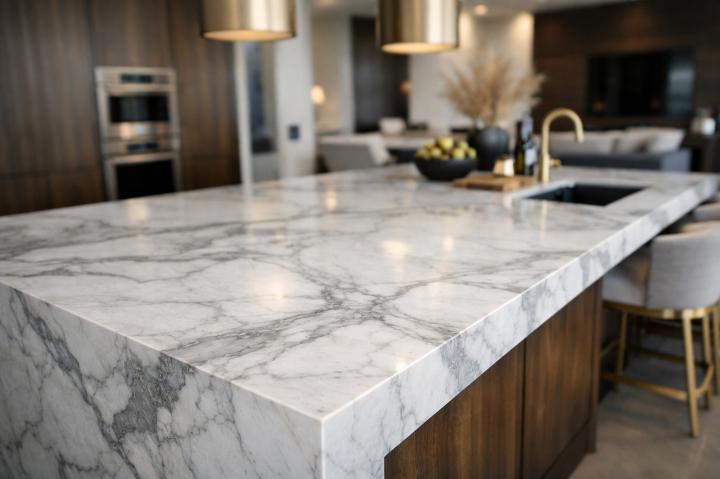
Selecting the Right Slab for Your Project
Understanding how stone slabs are sold and what to look for helps you make informed purchasing decisions.
Full Slab Selection A full slab represents the complete, uncut piece of stone from the quarry or manufacturer. Full slabs provide maximum flexibility for large projects, allowing your fabricator to optimize cuts and minimize waste. They're ideal for complete kitchen renovations, matching bathroom vanities, or projects requiring consistent pattern flow across multiple surfaces.
With over 10,000 slabs in our inventory across our four showroom locations, we offer one of Northern Nevada and Northern California's most extensive selections of granite, marble, quartzite, quartz, and other natural stone options. As direct importers, we source premium quality slabs from quarries worldwide and offer competitive pricing on materials ranging from classic granite to exotic natural stones.
Critical Considerations Before Purchasing Stone Slabs
Making an informed stone slab purchase requires attention to several key factors.
Precise Measurements Professional measurement ensures accurate material ordering and reduces waste. Have your chosen fabricator visit your home to take final measurements before purchasing slabs. These measurements account for existing cabinetry, appliances, sinks, and other factors affecting the actual stone needed for your installation.
In-Person Slab Selection Natural stone varies dramatically from slab to slab. Veining patterns, color intensity, and mineral inclusions differ significantly between pieces. Always visit our showrooms to view your selected slab in person before purchasing. With over 350,000 square feet of stone in stock, we maintain one of the region's largest inventories for you to browse.
Seam Placement If your project requires multiple slabs, discuss seam placement with your fabricator during the planning phase. Strategic positioning minimizes visual impact while maintaining structural integrity. Professional fabricators position seams in less conspicuous areas like corners or near sinks.
Matching Slab Lots For large projects requiring multiple slabs, request pieces from the same quarry lot when selecting at our showrooms. Slabs from the same block exhibit more consistent coloring, pattern flow, and appearance, creating a cohesive look across your installation.
Edge Profiles The edge profile your fabricator creates affects how much usable material comes from each slab. More elaborate profiles require additional stone material, while simpler profiles maximize usable surface area.
How Slab Size Impacts Your Project Budget
Slab size directly affects your overall project costs in several important ways. A project requiring two slabs costs more than one using a single large slab, even with similar square footage, due to additional material costs, fabrication labor, and handling expenses.
Each seam your fabricator creates requires precise cutting, alignment, and bonding, adding time and labor costs to your project. Minimizing seams through strategic slab selection reduces overall installation expenses while creating a more visually appealing result.
Material waste also impacts your budget. Choosing appropriately sized slabs for your project dimensions ensures you purchase only what you need. Working with our experienced design consultants helps you calculate accurate material requirements, select slabs that maximize usable surface area, and avoid purchasing excess stone that becomes expensive waste.
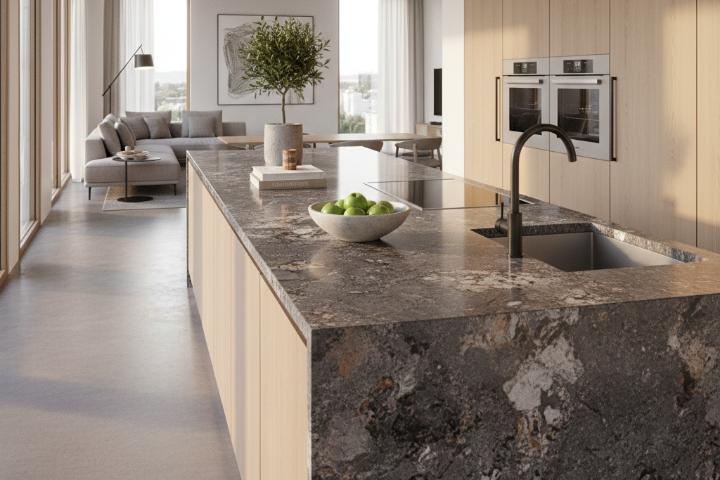
Practical Tips for Slab Selection Success
Start with a Clear Project Vision Before visiting our showrooms, develop a clear understanding of your design goals, color preferences, and functional requirements. Bring photos of your existing space, cabinet samples, paint colors, and inspiration images. This preparation helps our design consultants guide you toward slabs that complement your overall vision.
View Slabs Under Proper Lighting Natural stone appears different under various lighting conditions. When visiting our showrooms, view selected slabs under both showroom lighting and natural daylight to understand how the stone will look in your home's specific environment.
Document Your Selection Take photos of your chosen slab from multiple angles and ensure your invoice includes the specific slab number or lot information. This documentation helps if questions arise during fabrication or if you need additional matching material for future projects.
Schedule Free Design Consultations Take advantage of our complimentary design consultations to discuss slab sizes, seam placement strategies, material comparisons, and other technical aspects. Our experienced design team provides honest, commission-free advice to help you select the right stone for your project and budget.
Conclusion
Understanding stone slab sizes transforms the selection process into a manageable, informed decision-making experience. Standard dimensions of granite, marble, quartzite, and quartz provide a framework for planning your renovation, while knowledge of how slabs are sold and priced opens opportunities for both grand designs and budget-conscious choices.
Choosing appropriately sized slabs minimizes seams, reduces material waste, controls costs, and creates the stunning, functional countertops you envision. Whether renovating a compact bathroom or designing an expansive gourmet kitchen, matching slab dimensions to your specific requirements ensures optimal results.
As one of Northern Nevada and Northern California's largest stone suppliers with over 350,000 square feet of inventory, our four convenient showroom locations make it easy to view thousands of slabs in person. Our experienced design team provides complimentary, commission-free consultations to help you select the perfect stone for your project, understand slab sizing for your specific layout, and coordinate with your chosen fabricator for a seamless installation process.
Visit us today to explore our extensive slab selection, discuss your project requirements with our knowledgeable design consultants, and experience the quality and variety that comes from working with a direct stone importer committed to competitive pricing and exceptional customer service.
Frequently Asked Questions
How do I determine how many slabs I need for my kitchen countertops?
Measure your total countertop square footage and compare it to available slab sizes. Most kitchens range from 30 to 60 square feet. A typical L-shaped kitchen might need one large slab or two smaller slabs, while expansive kitchens with islands often require two to three slabs. Schedule a free design consultation with us for accurate material estimates based on your specific dimensions and layout requirements.
Can I use different slabs in the same project?
Yes, using different slabs works well when sections are separated by distinct spaces, such as using one slab for main kitchen counters and a different slab for a separate bathroom vanity in another room. However, using multiple slabs within a single continuous countertop area requires careful planning for seam placement and pattern matching. Discuss your specific layout with your fabricator to determine the best approach for a cohesive look.
Do engineered quartz slabs come in larger sizes than natural stone?
Engineered quartz maintains more consistent dimensions since it's manufactured rather than quarried. Standard quartz slabs typically measure 120 to 126 inches by 55 to 65 inches, similar to many natural stone options. Some manufacturers produce jumbo slabs exceeding standard dimensions. The largest granite and quartzite slabs can match or exceed quartz dimensions. Visit our showrooms to compare actual slab sizes across different materials.
What happens if my countertop area exceeds the size of a single slab?
When your countertop dimensions exceed a single slab's capacity, your fabricator creates seams where multiple slabs join together. Professional fabricators position seams strategically in less conspicuous locations like near sinks, in corners, or along natural breaking points in L-shaped configurations. Modern fabrication techniques create tight, nearly invisible seams that maintain structural integrity and aesthetic appeal. Discuss seam placement during planning to ensure optimal positioning.
How does slab quality vary between different materials?
Natural stone slabs like granite, marble, and quartzite each display unique characteristics based on their geological formation. Granite offers exceptional durability and heat resistance with varied grain patterns. Marble provides elegant veining but requires more maintenance and careful sealing. Quartzite combines natural beauty with superior hardness. Engineered quartz offers consistent patterns and low maintenance. Visit our showrooms in Reno, Minden, Sacramento, or Fernley to compare different materials in person and discuss which best suits your lifestyle and design preferences.