Marble and granite countertops can last anywhere from 20 years to over 100 years, depending on the material, quality, and level of maintenance. Granite is the more durable of the two, with a lifespan that can realistically exceed a century when properly sealed and cared for. Marble countertops typically last around 20 years in active kitchen use, though well-maintained surfaces can last significantly longer.
Both materials are natural stones, which gives them a built-in durability advantage over engineered or synthetic countertop options. Granite scores 6 to 7 on the Mohs Scale of Hardness, making it highly resistant to scratching, staining, and cracking. Marble, formed under intense heat and pressure, offers natural heat resistance and timeless aesthetic appeal, though it requires more frequent sealing and careful maintenance to reach its full lifespan potential. Browse our premium natural stone slabs at Nova Tile and Stone to find long-lasting granite and marble options for your project.
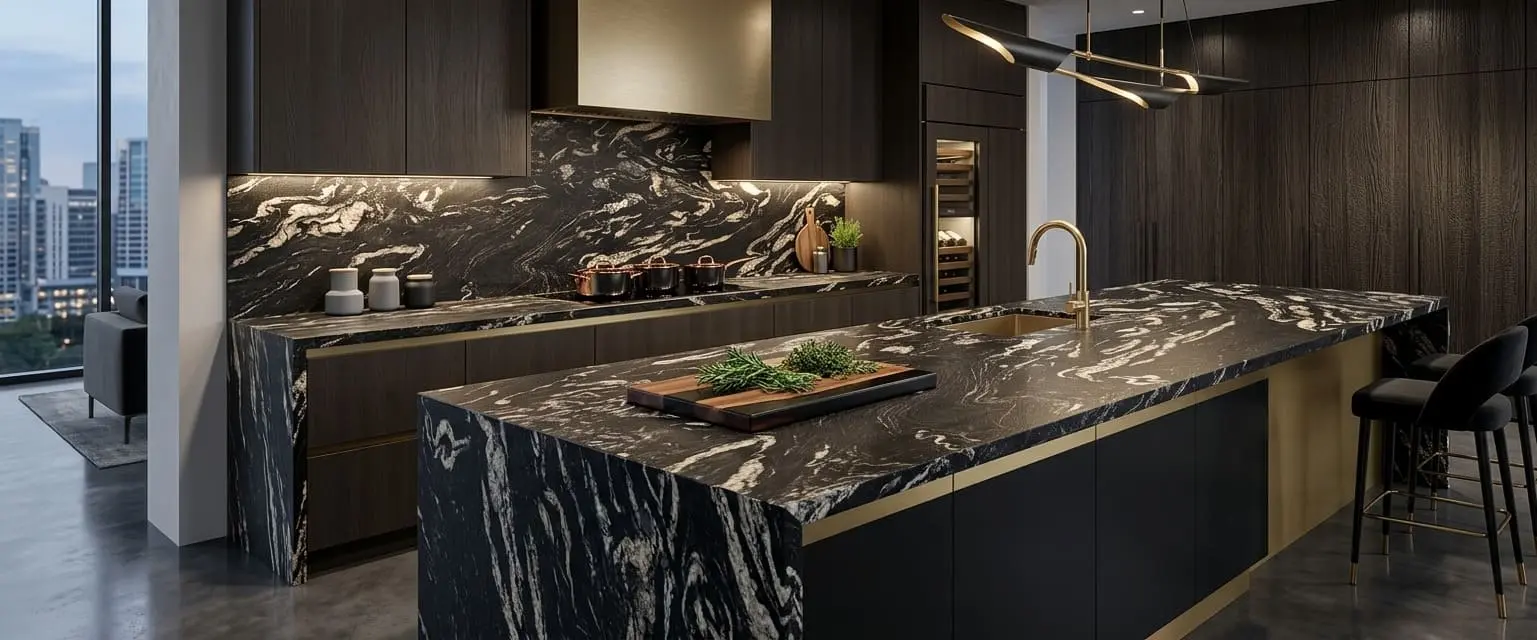
The Lifespan of Granite Countertops
Granite is an exceptionally durable surface, built to resist the everyday wear that slowly takes down lesser materials, think dents, stains, and surface degradation. On the Mohs Scale of Hardness, granite scores between 6 and 7, a rating that reflects its impressive resistance to scratching and physical damage. Its density and rigidity mean it's highly unlikely to crack under normal use, keeping structural integrity intact for the long haul.
Being a natural stone gives granite a distinct durability advantage over engineered alternatives. With proper care, a granite countertop has the potential to last a full century or beyond. What makes it even more attractive is how little maintenance it actually demands. Day after day of heavy use, and granite continues to look polished and perform at its best.
Want to push that lifespan even further? Seal your granite countertops regularly. Periodic sealing acts as a barrier against stains and surface imperfections that can compromise both appearance and structural integrity over time. Opt for a high-quality slab with a proven track record in residential kitchens, and concerns about bacterial buildup, one of the sneakier contributors to countertop deterioration, become virtually a non-issue.
Shop local at Nova Tile and Stone to explore durable granite slabs available near you, or apply for a Nova Tile and Stone trade account to access professional pricing and project-ready stone selections.
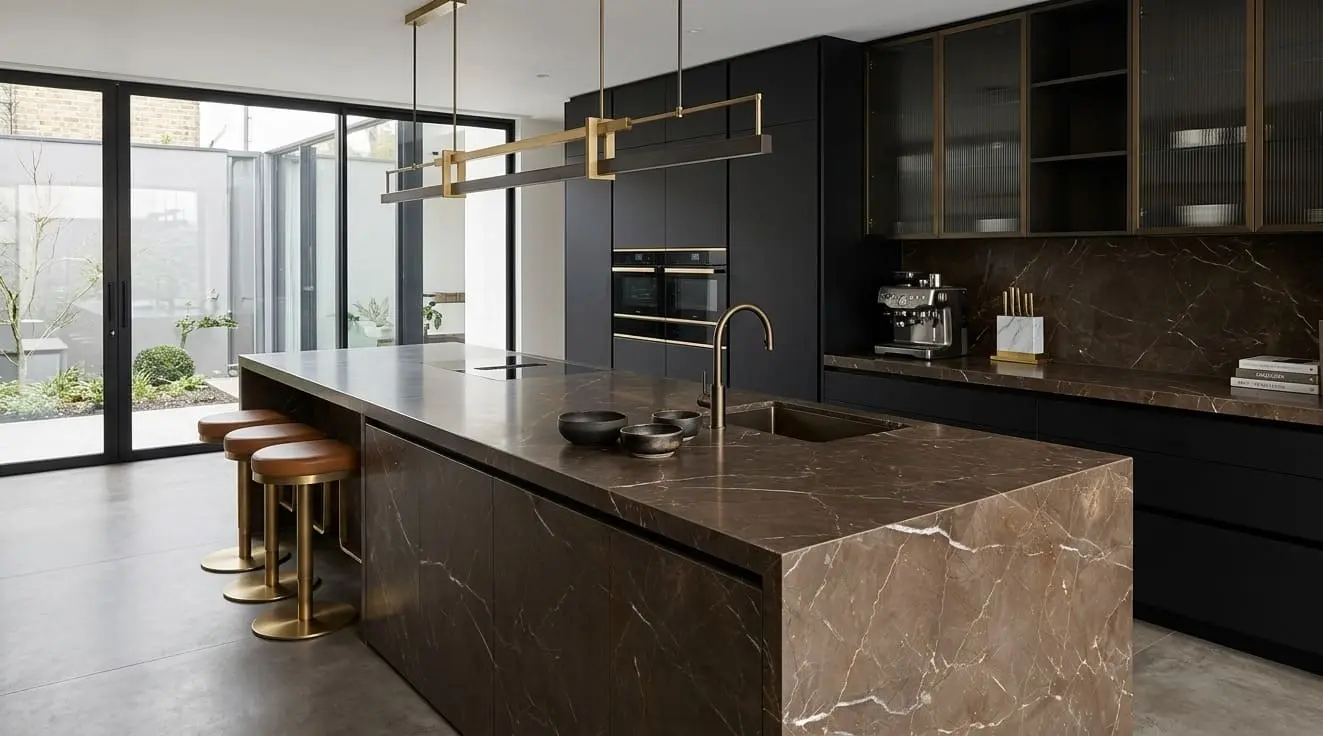
The Lifespan of Marble Countertops
Marble countertops, on average, hold up well for around two decades of regular kitchen use. While marble as a raw material can technically endure for a century, its application as a countertop surface brings that practical lifespan down to roughly 20 years. That durability is rooted in how marble is formed, forged under intense heat and pressure deep within the earth, it carries a natural toughness that synthetic materials simply can't replicate.
From an aesthetic standpoint, marble brings an unmatched elegance to any kitchen. Beyond looks, its inherent heat resistance makes it a reliable partner for serious cooking. You can comfortably work at high temperatures near marble surfaces and rest hot cookware on cooling pads placed directly on the counter without worrying about damage.
Ultimately, how long your marble countertops last comes down to two things: the quality of the stone and how consistently you maintain it. Sealing marble is a simple but powerful step, it significantly slows down natural deterioration over time. Combine that with routine cleaning to remove food residue, and you've already extended its lifespan considerably. Be diligent about wiping up spills immediately, and keep acidic liquids away from the surface. Do all of this, and your marble countertops can continue looking and performing exactly as intended for several decades to come. Schedule an appointment with Nova Tile and Stone to view high-quality marble slabs and choose the right option for long-lasting performance.
Conclusion
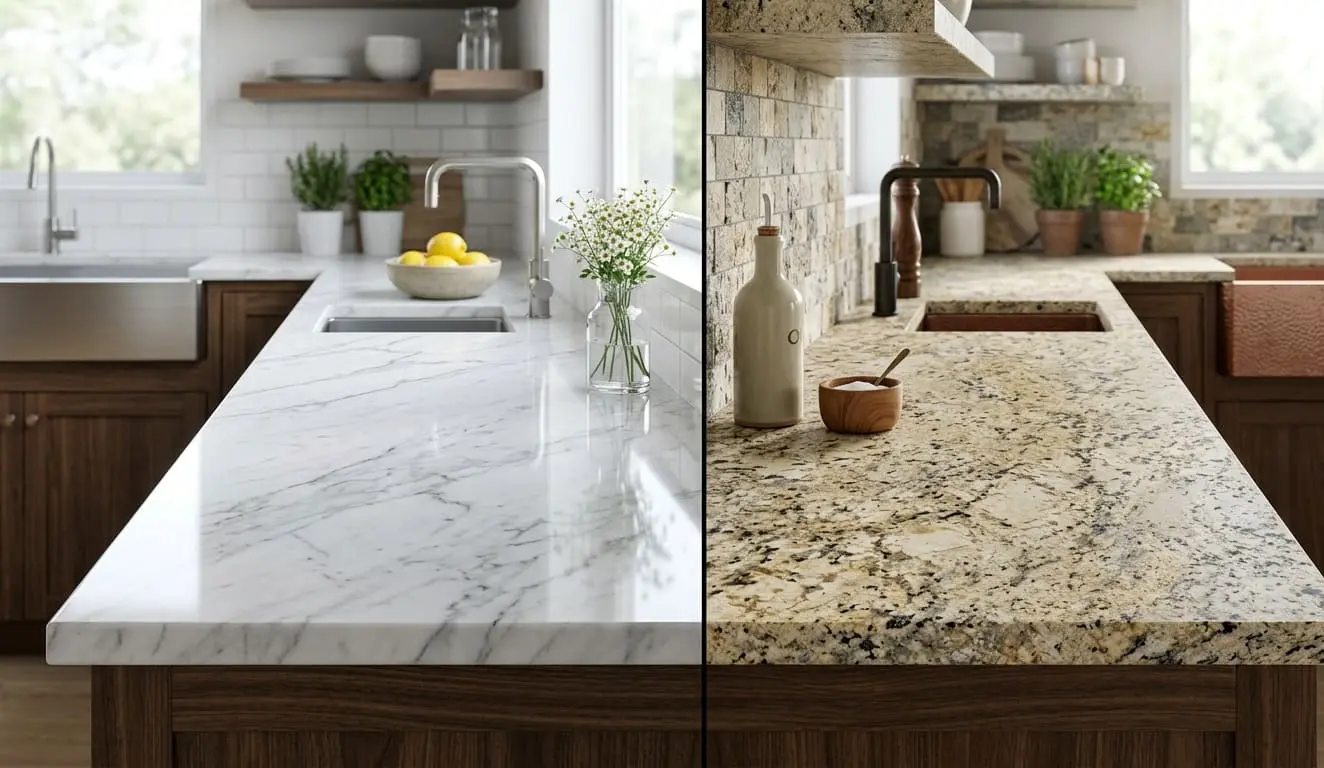
When it comes to countertop investments that truly stand the test of time, marble and granite remain in a class of their own. Granite's exceptional hardness and near-indestructible nature make it one of the most long-lasting surfaces you can install in a kitchen, with a lifespan that can realistically stretch well past 100 years.
Marble, while requiring a bit more attention, rewards diligent homeowners with decades of stunning beauty and reliable performance. The key takeaway is simple, the longevity of either surface is largely in your hands. Routine sealing, prompt spill cleanup, and mindful daily use go a long way in protecting your investment.
Whether you choose the rugged resilience of granite or the timeless elegance of marble, you're choosing a countertop that won't just serve your kitchen today, but one that can be enjoyed by the next generation as well. Partner with a trusted stone supplier like Nova Tile and Stone for high-quality granite and marble built to last.
Frequently Asked Questions
How often should I seal my granite or marble countertops?
For granite, sealing once a year is generally sufficient to maintain its stain resistance and overall appearance. Marble, being more porous and sensitive to surface damage, benefits from sealing every three to six months depending on how heavily the surface is used. A simple water test, where you drop a small amount of water on the surface and check if it beads up or absorbs, can help you determine when it's time to reseal.
Can granite or marble countertops crack over time?
Granite is extremely dense and rigid, making it highly resistant to cracking under normal kitchen conditions. However, a severe impact from a heavy object can cause chipping along the edges. Marble, while equally beautiful, is slightly more vulnerable to cracking and chipping due to its softer composition. In both cases, professional installation with proper support underneath significantly reduces the risk of stress fractures developing over time. Request a slab quote from Nova Tile and Stone to ensure proper material selection and support for your countertop project.
Does granite or marble require a lot of day-to-day maintenance?
Granite is notably low-maintenance and can withstand heavy daily use with minimal effort, regular wiping with a mild soap and water solution is typically all it needs. Marble demands a bit more attention, as it is more susceptible to etching from acidic substances like lemon juice, vinegar, and certain cleaning products. Staying on top of spills and using pH-neutral cleaners will keep marble looking its best without requiring excessive effort.
Which is more durable granite or marble?
Granite edges out marble in terms of overall durability. Its higher rating on the Mohs Scale of Hardness means it is more resistant to scratching, staining, and general wear. Marble, while durable in its own right, is more prone to surface etching and staining if not properly sealed and maintained. For high-traffic kitchens where heavy cooking is a daily routine, granite is generally the more practical long-term choice.
Can the lifespan of marble countertops exceed 20 years?
Absolutely. The 20-year estimate for marble countertops assumes average use and care. Homeowners who are diligent about sealing, cleaning, and protecting their marble surfaces from acidic spills and harsh chemicals can realistically extend that lifespan well beyond two decades, sometimes approaching the century mark that marble achieves in lower-stress applications. The quality of the stone itself also plays a significant role, so sourcing from a reputable supplier makes a meaningful difference in long-term performance.