Natural stone slabs are large, continuous pieces of stone cut directly from quarried rock formations, including marble, granite, limestone, travertine, quartzite, and onyx. Unlike manufactured tiles, each natural stone slab features unique veining patterns, color variations, and surface textures formed over millions of years through geological processes involving minerals, pressure, and heat.
Natural stone slabs are commonly used for kitchen countertops, bathroom vanities, flooring, accent walls, fireplace surrounds, and outdoor applications. They cost more than porcelain or ceramic tiles due to the intensive quarrying process, specialized fabrication, and one-of-a-kind characteristics, but add lasting value and timeless appeal to residential and commercial spaces.
When selecting natural stone slabs, key factors to consider include stone type and durability, porosity and sealing requirements, intended application and traffic levels, maintenance expectations, and budget. Granite offers the highest durability for heavy-use areas, marble provides elegant veining but requires more maintenance, and quartzite combines the look of marble with granite-like performance.
This guide covers everything homeowners need to know about natural stone, from cost considerations and installation requirements to maintenance needs and budget-friendly alternatives.
What Does Natural Stone Actually Cost?
Natural stone pricing varies significantly based on the type of stone, rarity, origin, and quality grade. Stones featuring rare colorations, dramatic veining, or special properties like translucency command the highest prices. Exotic options that allow for backlighting effects typically fall at the top of the price range.
Standard granite selections tend to be more budget-friendly while still offering exceptional durability and natural beauty. Mid-range marble varieties provide elegant aesthetics at moderate price points, while premium selections from famous quarries represent significant investments that deliver unparalleled luxury. Browsing slab inventory in person helps you understand the full range of options available within your budget.
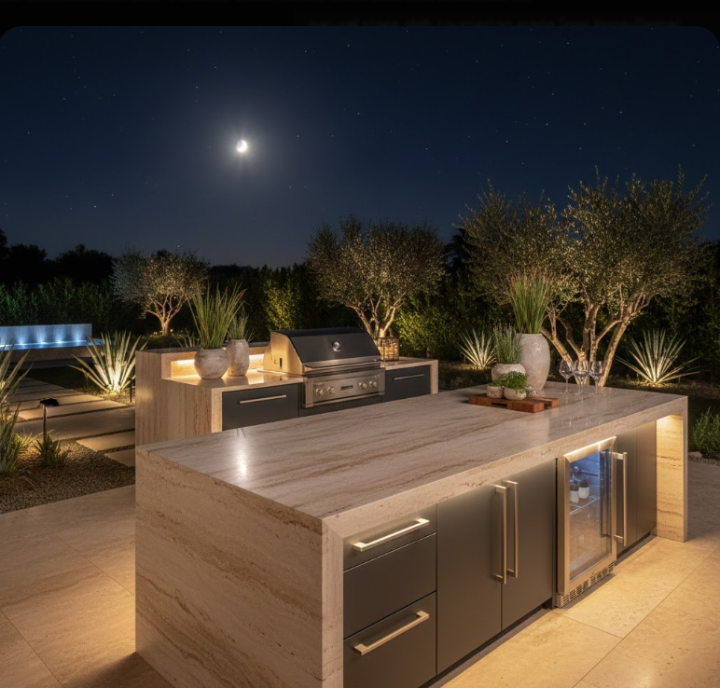
Natural Stone Versus Manufactured Tile
When comparing natural stone to factory-produced porcelain or ceramic tiles, natural stone typically carries a higher price tag. Mass-produced tiles benefit from economies of scale and standardized manufacturing processes that keep costs lower. With natural stone, you're paying for the rarity of the material, the intensive quarrying process, specialized cutting and finishing techniques, and the inherent natural beauty that cannot be replicated.
However, many homeowners find the investment worthwhile because natural stone adds genuine value to their properties. The timeless appeal and durability of natural stone often outlast trends that come and go with manufactured materials. When considering engineered alternatives, homeowners should also be aware of engineered stone health concerns that make natural stone an appealing choice for many buyers.
Installation Costs and Considerations
Installing natural stone slabs requires specialized expertise that goes beyond typical tile installation. Several factors influence installation costs, including project scope, slab thickness and weight, edge profile complexity, substrate preparation requirements, and transportation logistics. Natural stone slabs are significantly heavier than standard tiles, requiring reinforced support structures and experienced installers.
Labor costs reflect the precision required for seamless seams, proper sealing, and ensuring long-term stability. Edge treatments, cutouts for sinks and fixtures, and backsplash integration all add complexity. For accurate pricing, working with local stone experts who can assess your space and provide detailed estimates is essential.
Our team offers free design consultations at any of our four showroom locations in Reno, Minden, Sacramento, and Fernley. Our experts can walk you through installation requirements and help you understand the full scope of your project.
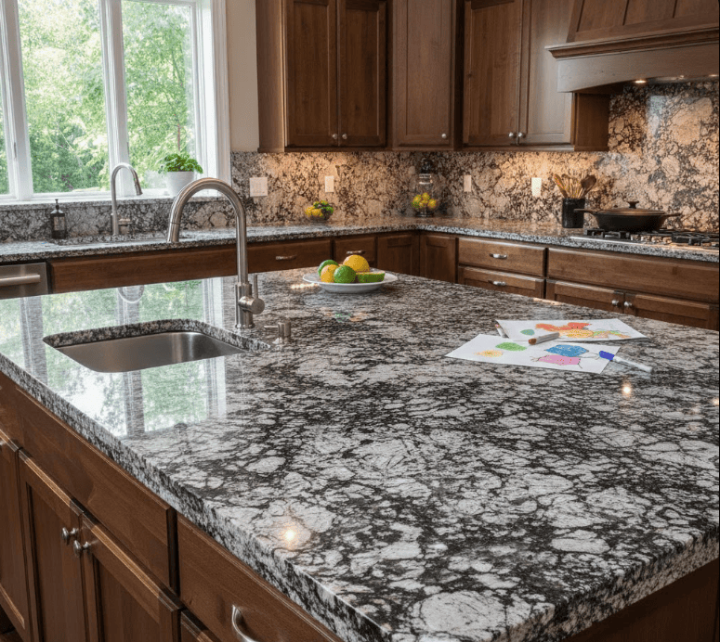
Granite Within the Natural Stone Family
A common point of confusion involves the relationship between granite and natural stone. Granite is actually one of the most popular varieties within the natural stone family, not a separate category. When comparing costs, granite generally falls in the mid-range for natural stone options, more affordable than rare marbles or exotic quartzites while offering superior durability for high-traffic applications.
Granite's popularity stems from its exceptional hardness, resistance to scratching and heat, and wide availability in numerous colors and patterns. For kitchen countertops especially, granite provides an excellent balance of beauty, performance, and value.
Maintenance Requirements and Potential Drawbacks
While natural stone delivers unmatched aesthetic appeal, understanding maintenance needs helps set realistic expectations. Different stone types have varying porosity levels, affecting their susceptibility to staining and water damage. Marble and limestone are more porous than granite and require more frequent sealing.
Most natural stones fall into the low to medium maintenance category when properly sealed. Regular sealing, typically every one to three years depending on stone type, protects against moisture penetration and staining. Using appropriate cleaning products designed for natural stone preserves the finish and prevents etching from acidic substances.
Some homeowners embrace the natural patina that develops over time, viewing it as added character. Others prefer maintaining the original appearance through diligent care routines.
Choosing Between Stone and Tile for Different Applications
The decision between natural stone slabs and manufactured tiles often comes down to the specific application. For wet areas like bathrooms and showers, porcelain tiles offer advantages in water resistance. Their non-porous nature makes them ideal for spaces with constant moisture exposure.
Natural stone excels where its unique beauty can be fully appreciated and moisture levels are more moderate. Living spaces, entryways, kitchen countertops, and accent walls showcase natural stone's character beautifully. For outdoor applications, granite and slate perform well when properly sealed, though climate considerations matter.
Blending both materials throughout a home allows homeowners to leverage the strengths of each. Many designers recommend natural stone for focal points and high-visibility areas while using complementary porcelain tiles in utilitarian spaces. Contractors and design professionals can open a trade account for specialized pricing and project support.
Budget-Friendly Alternatives Worth Considering
For homeowners drawn to natural stone aesthetics but working within tighter budgets, several alternatives deliver similar visual appeal. Porcelain tiles manufactured to mimic natural stone patterns have improved dramatically, offering convincing reproductions of marble, travertine, and slate at a fraction of the cost.
Terrazzo represents another compelling option that combines natural stone chips with cement or resin binders. This material delivers unique, colorful surfaces with excellent durability and easier maintenance than many natural stones.
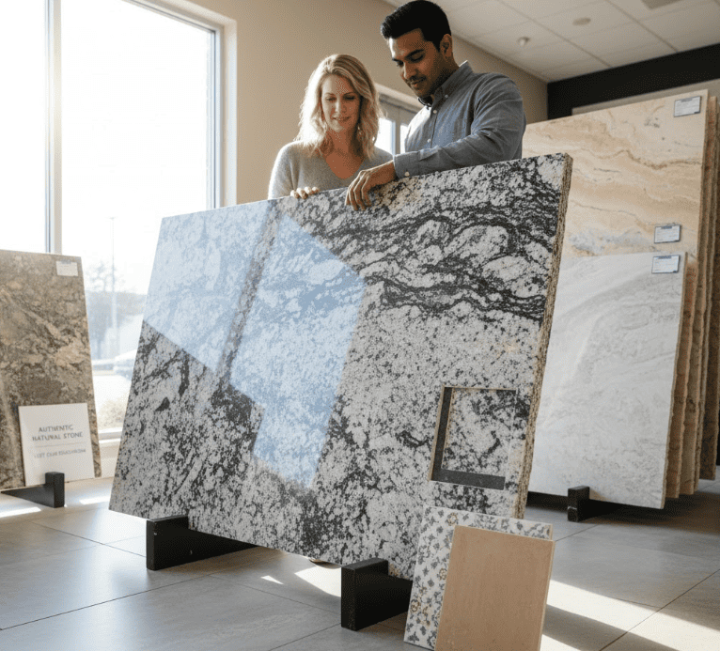
Identifying Authentic Natural Stone
With modern manufacturing producing increasingly realistic stone-look tiles, knowing how to identify genuine natural stone becomes valuable. Authentic natural stone displays true randomness in its veining and color variations. Each piece differs from the next, unlike manufactured tiles that repeat patterns.
Examining the edge or back of a sample reveals important clues. Natural stone maintains consistent coloration throughout its thickness, while porcelain and ceramic tiles show a different colored clay body beneath the surface pattern.
Before committing to any stone selection, visiting a local showroom to examine slabs in person is essential. Viewing materials under proper lighting conditions and comparing options against your existing finishes helps you make confident decisions.
Conclusion
Natural stone slabs represent an investment in timeless beauty, lasting durability, and genuine uniqueness that manufactured materials cannot match. While they cost more upfront than factory-produced alternatives, the value they add to homes, their longevity, and their unmatched aesthetic appeal make them worthwhile for many homeowners.
The key to a successful natural stone project lies in understanding your specific needs, setting realistic maintenance expectations, and working with knowledgeable professionals who can guide your selection and installation.
Whether you're drawn to the dramatic veining of marble, the rugged durability of granite, or the warm earthiness of travertine, natural stone offers something for every design vision. Visit our showrooms in Reno, Minden, Sacramento, or Fernley to explore our extensive natural stone slab collection and take advantage of our free design consultations.
Frequently Asked Questions
How long do natural stone slabs typically last?
Natural stone slabs are among the most durable surfacing materials available, often lasting for decades or even centuries with proper care. Granite countertops routinely remain beautiful and functional for 50 years or more. Marble and limestone may show wear patterns over extended periods, but many homeowners appreciate the character this adds.
Do all natural stone slabs require sealing?
Most natural stone slabs benefit from sealing, though requirements vary by stone type. Granite typically needs sealing every two to three years, while more porous stones like marble and limestone may require annual sealing. Some dense granites and quartzites have naturally low porosity and need minimal sealing. Proper sealing protects against staining, moisture penetration, and etching.
Can natural stone slabs be used outdoors?
Certain natural stones perform excellently in outdoor applications when properly selected and installed. Granite, slate, and some quartzites handle weather exposure well and resist freeze-thaw cycles common in Northern Nevada and Northern California climates. More porous stones like marble require careful consideration for outdoor use, as moisture absorption can cause problems in freezing conditions.
How do I choose between different natural stone types for my kitchen countertops?
Selecting kitchen countertop stone involves balancing aesthetics, durability, and maintenance preferences. Granite offers the best combination of beauty and practicality for heavy-use kitchens, resisting heat, scratches, and stains effectively. Quartzite provides similar durability with distinctive veining patterns. Marble delivers unmatched elegance but requires more careful maintenance.
What is the best way to compare natural stone slabs before purchasing?
The most effective comparison method involves examining actual slabs in person under various lighting conditions. Photographs cannot capture the full character of natural stone slabs. Visit showrooms where you can see large slab displays and bring samples of your cabinets, flooring, and paint colors to view against potential selections. Our showrooms throughout Northern Nevada and Northern California make this comparison process convenient for homeowners in the region.