Artificial stone slabs are engineered composite materials made from 90-95% crushed natural stone combined with polymer resins, manufactured under extreme heat and pressure to create non-porous, durable surfaces for countertops and flooring. The three main types include quartz slabs (best for kitchen countertops with superior stain resistance), sintered stone slabs (ideal for indoor/outdoor applications with exceptional heat and UV resistance), and cultured marble/granite (cost-effective for bathroom vanities with seamless installations).
Artificial stone slabs offer key advantages over natural stone: they never require sealing, resist scratches and stains better than marble or granite, provide consistent color and pattern uniformity across large installations, and last 25+ years with minimal maintenance using only soap and water. Quartz costs similarly to granite but eliminates sealing expenses, while sintered stone costs more but handles direct heat from cookware without damage. These engineered surfaces deliver the aesthetic appeal of premium natural stones like Calacatta marble while eliminating porosity issues that trap bacteria and require ongoing maintenance, making them the preferred choice for modern kitchens and bathrooms.
Understanding Artificial Stone Slabs
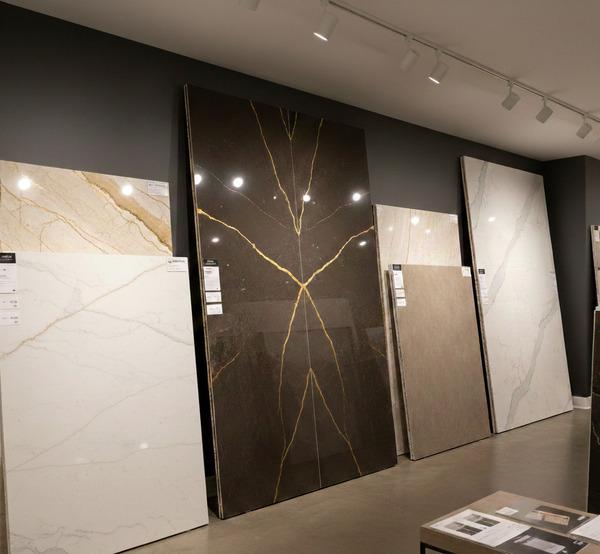
Artificial stone slabs, commonly called engineered stone or man-made stone, are composite products created from crushed stone particles combined with resin binders. Manufacturers produce them in controlled factory environments using extreme heat and pressure, resulting in dense, non-porous surfaces.
Quartz represents the most prevalent engineered stone type, usually comprising approximately 90-95% crushed natural quartz combined with 5-10% polymer resins, colorants, and additional compounds. This formulation provides manufacturers with exact control over the finished product's appearance, enabling consistent color, veining, and texture that natural materials rarely achieve. The outcome is an exceptionally durable and versatile surface ideal for numerous applications.
Primary Varieties of Artificial Stone
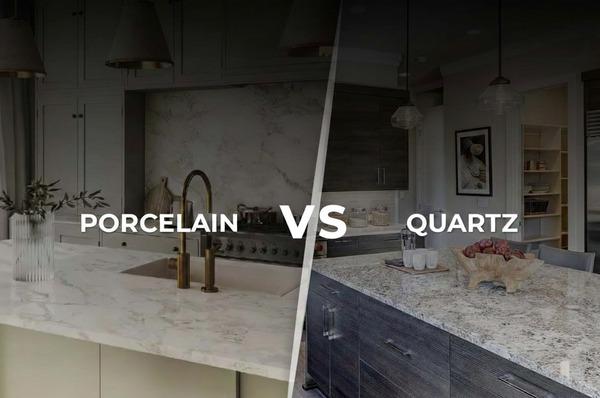
Although quartz dominates the market, multiple artificial stone slab options exist, each offering distinctive properties.
Quartz Surfaces
Leading the industry, quartz offers a wide range of refined aesthetic options, including designs that replicate premium marbles such as Calacatta and Carrara, without the maintenance requirements associated with natural stone care. Available in consistent, striking colors from crisp whites to deep blacks, quartz delivers design flexibility not typically found in natural stone.
Its non-porous structure provides excellent resistance to staining from everyday substances like coffee, wine, and cooking oils, making it a practical choice for active kitchens.
- Ideal applications: Kitchen countertops, bathroom vanity tops, high-use spaces
- Primary advantage: Exceptional durability and stain resistance with minimal maintenance
Sintered Stone Surfaces
Sintered stone is a modern engineered surface offered by leading tile and stone specialists, produced through a sintering process that mimics natural stone formation using intense heat and pressure. Natural minerals, clays, and pigments are fused without resins, creating an ultra-compact and durable material.
This surface is highly resistant to scratches, heat, UV radiation, and thermal shock, allowing hot cookware to be placed directly on it without damage. Its exceptional durability makes it suitable for both interior and exterior applications.
- Ideal applications: Kitchens, countertops, flooring, wall cladding, and outdoor architectural surfaces.
- Primary advantage: Superior resistance to heat, scratches, and UV exposure.
Cultured Marble and Granite
Cultured stone combines crushed marble or granite with resins and pigments, poured into molds to create slabs, vanities, and shower enclosures. This allows seamless, single-piece installations that reduce grime and mildew buildup.
Less heat- and scratch-resistant than quartz or sintered stone, it provides an economical way to achieve premium aesthetics, commonly displayed in our showrooms.
- Ideal applications: Bathroom vanity tops, shower enclosures, bathtubs.
- Primary advantage: Integrated, seamless installations at budget-friendly prices.
Benefits of Selecting Artificial Stone
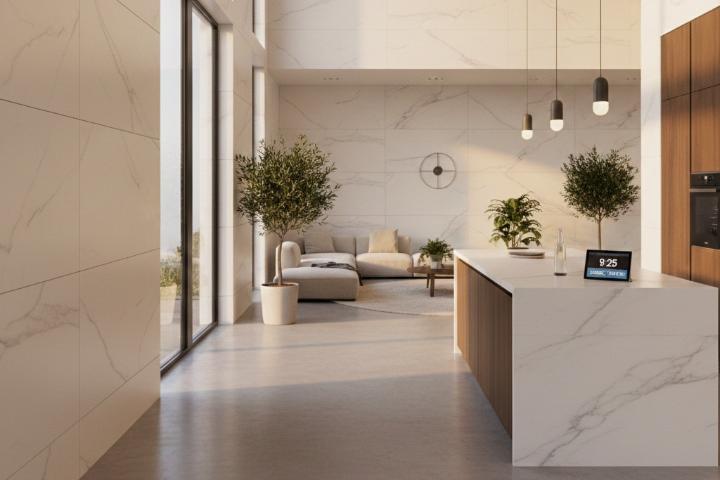
Engineered stone surfaces deliver an impressive array of benefits compared to natural alternatives, positioning them as both practical and attractive for contemporary homes.
Exceptional Strength
Artificial stone's durability is one of its most attractive features. The production process creates surfaces harder and more resilient than many natural stones. Quartz, one of Earth’s hardest minerals, forms slabs with excellent resistance to scratching, chipping, and cracking during regular use. This toughness helps your surfaces maintain their appearance for years, a factor to consider when selecting the ideal stone finish.
Minimal Upkeep and Sanitary Properties
Natural stone contains pores that absorb liquids and can trap bacteria without regular sealing. Conversely, artificial stone slabs feature non-porous construction. They never require sealing and clean effortlessly, simple soap and water suffice. Their sealed surface also provides inherent sanitation benefits, offering no microscopic spaces for bacteria, mold, or mildew proliferation.
Design Uniformity
Selecting natural stone means accepting its distinctive, variable beauty. This characteristic can complicate projects requiring multiple slabs, as coordinating patterns proves challenging. Artificial stone resolves this issue completely. Manufacturers produce each slab to exact standards, guaranteeing uniform coloring and patterning. This predictability proves invaluable when creating harmonious appearances across expansive kitchen islands, backsplashes, and additional surfaces.
Limitless Aesthetic Options
Artificial stone manufacturing enables design flexibility unattainable with natural materials. Want countertops resembling rare Italian marble minus the maintenance requirements? Or maybe a striking, solid red statement surface? Engineered stone provides an extensive range of colors, patterns, and finishes, from high-gloss to matte allowing perfect alignment with your design preferences.
Selecting the Ideal Material for Your Project
The optimal artificial stone for your project depends on your specific needs, budget, and design goals.
- For demanding kitchens that require resistance to spills, stains, and surface damage, quartz offers reliable, high-performance results.
- Sintered stone is ideal for outdoor kitchens or surfaces exposed to direct heat.
- For bathroom updates on a budget, cultured marble provides an attractive and functional option.
By understanding the characteristics of each artificial stone type, you can confidently choose materials that enhance your home’s appearance while withstanding daily use. Be sure to shop local to explore samples and expert guidance.
Conclusion
Artificial stone slabs are a smart investment for homeowners seeking the ideal balance of beauty, performance, and value. Whether you choose quartz for its exceptional stain resistance, sintered stone for extreme durability, or cultured marble for budget-friendly elegance, you’re selecting a material designed to surpass the limits of natural stone. These innovative surfaces offer consistent patterns, minimal maintenance, and design versatility to suit any aesthetic vision.
As you plan your renovation or new construction project, consider how artificial stone slabs can transform your space while providing the practical benefits modern living demands. With careful selection based on your needs, these engineered surfaces will serve as stunning, functional focal points in your home for decades. Professionals and contractors can also apply for a trade account to access exclusive products and resources.
Frequently Asked Questions
Are artificial stone slabs more affordable than natural stone?
Artificial stone slabs typically fall within a similar price range to mid-tier natural stones, though costs vary by type and brand. Quartz generally compares to granite pricing, while cultured marble offers a more economical alternative. However, when factoring in long-term costs, engineered stone often proves more budget-friendly since it requires no periodic sealing, reduces maintenance expenses, and maintains its appearance longer without needing repairs or refinishing that natural stone frequently demands.
Can I place hot pots and pans directly on artificial stone countertops?
This depends on the specific type of artificial stone you choose. Sintered stone handles direct heat exceptionally well and won't suffer damage from hot cookware placed directly on its surface. Quartz and cultured stone, however, contain resins that can be damaged by extreme heat, so using trivets or hot pads remains essential for these materials. Always check your manufacturer's specific heat tolerance guidelines to protect your investment and maintain your warranty coverage.
How do I clean and maintain artificial stone surfaces?
Artificial stone slabs require remarkably simple maintenance. For daily cleaning, warm water and mild dish soap with a soft cloth or sponge work perfectly. Avoid abrasive cleaners, bleach, or harsh chemicals that might dull the finish over time. For stubborn stains, a gentle non-abrasive household cleaner suffices. Unlike natural stone, engineered surfaces never need sealing, making them incredibly low-maintenance. Simply wipe up spills promptly to prevent any potential staining, though the non-porous nature of these materials makes even this less critical than with natural alternatives.
What's the difference between quartz and sintered stone?
While both are engineered products, their composition and manufacturing methods differ significantly. Quartz combines crushed natural quartz with polymer resins, creating a non-porous, stain-resistant surface ideal for indoor applications. Sintered stone, on the other hand, fuses minerals and clays under extreme heat and pressure without resins, producing a material that is more heat-resistant, UV-stable, and suitable for outdoor use.
Sintered stone typically costs more but delivers superior performance in high-heat and outdoor environments, while quartz offers excellent value for standard indoor kitchen and bathroom installations. Both materials are commonly showcased in exhibition spaces for homeowners and designers to experience their look and feel firsthand.
How long do artificial stone slabs last?
When properly maintained, artificial stone slabs can last 25 years or longer, often matching or exceeding the lifespan of natural stone. Their engineered composition makes them highly resistant to the chips, cracks, and etching that commonly affect natural materials over time. Quartz and sintered stone particularly demonstrate exceptional longevity due to their hardness and non-porous properties. Many manufacturers back their products with warranties ranging from 10 to 25 years, reflecting confidence in their durability. With minimal maintenance requirements and superior stain resistance, these surfaces maintain their original beauty far longer than traditional options.