Engineered stone slabs are composite countertops made of 90-94% natural quartz crystals mixed with polymer resins and pigments. These manufactured surfaces rank 7 on the Mohs hardness scale, making them harder than granite and highly resistant to scratches, stains, and chips. Unlike natural stone, they never require sealing due to their non-porous nature, which prevents bacteria growth and liquid penetration. Standard slabs measure 126 inches by 63 inches, weigh 600-800 pounds, and come in 2cm or 3cm thickness options. With proper care, these countertops last 25-30 years and maintain their appearance with simple soap and water cleaning.
Key differences from natural stone include consistent color patterns throughout each piece, no natural fissures or weak spots, and unlimited design possibilities that mimic rare marbles or granites without the high cost. Professional installation requires cabinet reinforcement and support every 24 inches for standard overhangs. While heat-resistant to moderate temperatures, hot cookware should not be placed directly on the surface. These products are not recommended for outdoor use as UV exposure causes discoloration over time.
At Nova Tile and Stone, we've observed growing interest in these composite surfaces as customers seek materials that combine beauty with practical performance. Let's explore five essential facts that every homeowner should know before making a selection.
What Makes Engineered Stone Different from Natural Stone
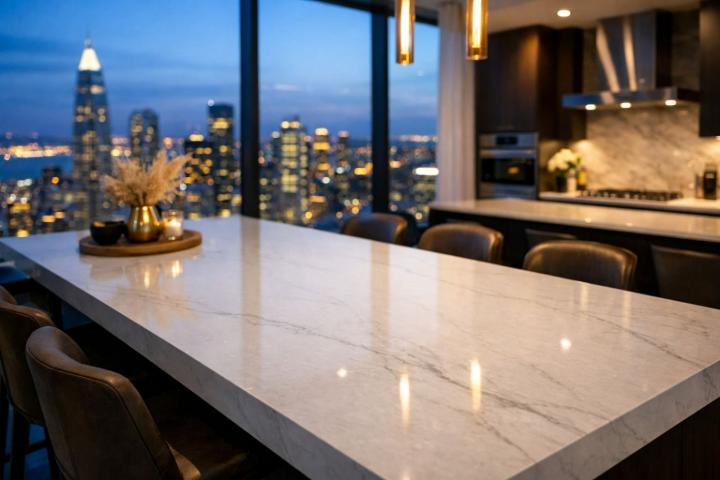
The manufacturing process creates a product consisting of approximately 90-94% natural quartz crystals combined with polymer resins and pigments. This composition differs significantly from granite or marble, which are quarried directly from the earth in large blocks. Manufacturers crush quartz crystals, mix them with binding agents, then compress the mixture under intense pressure and heat to form solid slabs.
This production method allows complete control over the final appearance and properties. Unlike quarried materials where patterns and colors vary based on geological formation, these surfaces maintain consistent coloring and veining throughout each piece. This predictability appeals to homeowners who want uniformity across large areas or multiple rooms.
The controlled environment also means slabs arrive free from fissures, pits, or weak spots that sometimes appear in mined products. Each piece undergoes quality inspection before leaving the facility, ensuring you receive something that meets strict residential standards. Explore our extensive slab selection to see the variety of patterns and colors available for your project.
Durability That Withstands Daily Kitchen Activity
One of the most compelling advantages involves exceptional resistance to scratches, chips, and stains. The high quartz content creates hardness greater than granite, ranking approximately 7 on the Mohs scale. This translates to practical benefits in busy kitchens where knives, pots, and appliances constantly make contact with work surfaces.
The non-porous nature prevents liquids from penetrating below the surface. Coffee spills, wine splashes, and cooking oils sit on top rather than seeping into microscopic pores. This characteristic makes cleanup straightforward with just soap and water, eliminating the need for specialized cleaning products. Understanding different countertop materials and their properties helps homeowners make informed decisions about durability requirements.
Unlike quarried stone that requires periodic sealing to maintain stain resistance, engineered surfaces never need this maintenance step. The polymer resins that bind the quartz particles create an impermeable barrier that remains effective throughout the lifespan. This permanence saves homeowners time and expense while ensuring countertops look pristine for decades.
Heat resistance represents another practical consideration. While this material tolerates moderate heat exposure, placing extremely hot cookware directly on the surface may cause damage. Using trivets or hot pads protects your investment and maintains beauty over time.
Scratch resistance proves particularly valuable in households with active cooking routines. While no surface is completely scratch-proof, the quartz composition resists everyday wear far better than softer choices like marble or limestone. This resilience means your kitchen maintains a smooth, polished appearance even after years of meal preparation. Visit our Reno showroom to see durability demonstrations firsthand.
Design Versatility Matches Any Interior Style
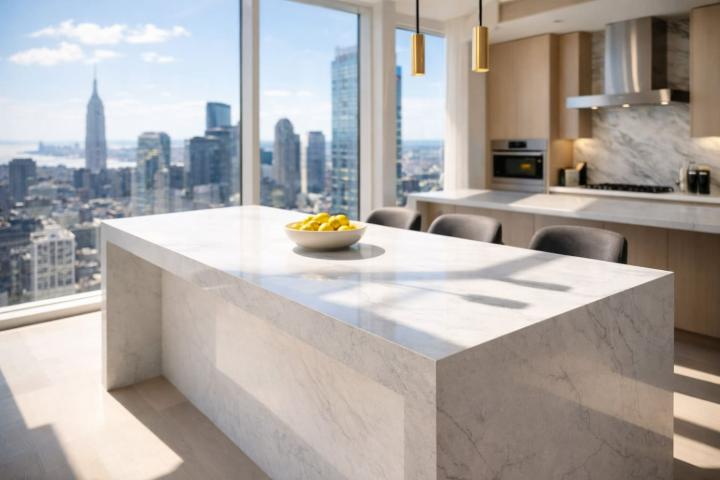
The manufacturing process enables virtually unlimited design possibilities. Producers can create pieces that mimic the appearance of rare marbles, granites, or even concrete, providing aesthetic options that natural stone cannot match. This versatility allows homeowners to achieve specific looks without the cost or scarcity concerns associated with exotic imports.
Solid color options range from pure whites to deep blacks, with countless shades in between. These uniform hues create clean, contemporary aesthetics perfect for modern kitchen designs. The absence of veining or movement produces minimalist looks that complement sleek cabinetry and stainless steel appliances.
For those preferring more traditional appearances, patterns with marble-like veining offer elegance without maintenance headaches. These flow consistently across slabs, making it easier to match seams and create cohesive installations. The predictability eliminates the surprise factor that sometimes occurs when quarried products arrive with unexpected color variations.
Textured finishes expand choices beyond polished looks. Honed, leathered, or brushed finishes provide tactile interest while reducing glare from overhead lighting. These varied treatments allow you to customize the feel of your workspace to match your specific design vision. According to the CDC's research on engineered stone surfaces, proper selection and maintenance contribute to long-term satisfaction.
Speckled patterns incorporating metallic flecks or glass fragments add visual interest and depth. These designs catch light differently throughout the day, creating dynamic appearances that evolve with changing illumination. Such options appeal to homeowners seeking unique focal points in their kitchens. Our Minden location features an extensive display of textured and speckled patterns for your review.
Professional Fabrication Creates Seamless Results
Standard slabs measure 126 inches by 63 inches and weigh approximately 600-800 pounds, depending on thickness. These dimensions require professional handling to ensure proper placement and support. The weight necessitates adequate cabinet reinforcement to prevent sagging or structural issues over time.
Fabrication involves cutting to fit your specific layout, including cutouts for sinks, cooktops, and faucets. Specialized tools designed for cutting dense materials create precise edges without chipping or cracking. Professional fabricators understand how to orient patterns for visual continuity and position seams in less conspicuous locations.
Seam placement becomes particularly important in large kitchens requiring multiple pieces. Skilled fabricators minimize the number of seams and position them where they'll be least visible, often near sinks or cooktops where the eye naturally focuses elsewhere. Proper joining creates nearly invisible connections that maintain the appearance of continuous flow.
Support requirements vary based on overhang dimensions. Standard countertops with minimal overhang require support every 24 inches, while extended overhangs for seating areas need corbels or brackets to prevent cracking. Professional handlers understand these structural requirements and ensure proper reinforcement. Visit our Sacramento showroom to discuss your specific fabrication needs with experienced professionals.
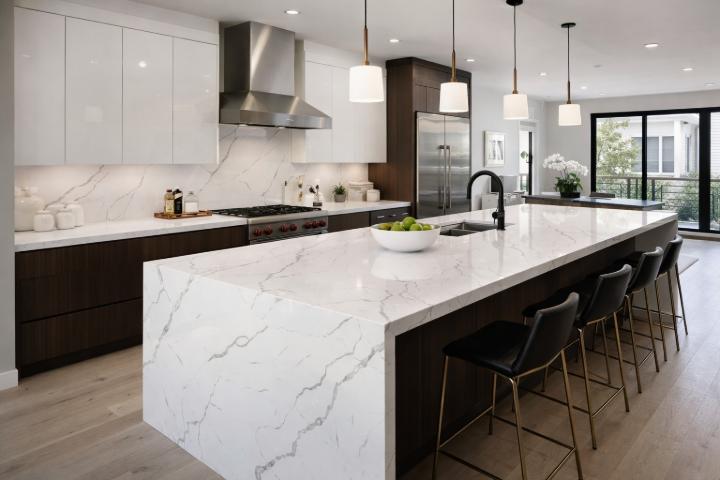
Edge profile choices add another layer of customization to your project. From simple straight edges to elaborate ogee or waterfall profiles, the fabrication process can create various finishing details. These edge treatments frame your workspace and contribute to the overall aesthetic. Schedule an appointment to explore edge profile options with our design team.
Long-Term Value and Lifecycle Benefits
Investment in engineered stone delivers returns through longevity and minimal maintenance requirements. Countertops typically last 25-30 years or longer with proper care, often outlasting other finishes in your kitchen. This durability means homeowners rarely need replacements during their residence, making the initial investment worthwhile.
The consistent appearance maintains visual appeal throughout the lifespan. Unlike some quarried stone that may develop etching from acidic substances or show wear patterns in high-traffic areas, manufactured surfaces retain their original beauty with basic cleaning. This lasting appeal preserves your kitchen's aesthetic value for decades. Professional guidance on proper stone care and maintenance ensures optimal performance throughout the years.
Resale value considerations favor homes with quality installations. Real estate professionals recognize that upgraded kitchens appeal to potential buyers and can influence purchase decisions. Premium choices signal thoughtful selection and construction excellence, attributes that resonate with discerning homebuyers.
Environmental considerations include the recyclable nature of quartz and reduced need for quarrying operations compared to extraction of mined alternatives. Many manufacturers incorporate recycled glass or mirror fragments into their products, reducing landfill waste while creating unique aesthetic effects. These sustainable practices appeal to environmentally conscious homeowners.
The consistency reduces material waste during fabrication. Unlike quarried stone where imperfections may require discarding portions, this type maximizes usable content from each slab. This efficiency benefits both the environment and project budgets by minimizing waste.
Hygiene represents another long-term benefit of non-porous surfaces. Bacteria and mold cannot penetrate, making these countertops ideal for food preparation areas. This sanitary quality proves especially valuable in households concerned about kitchen cleanliness and food safety. Stop by our Fernley location to explore the full range of hygienic surface options available.
Conclusion
Engineered stone represents a thoughtful choice for homeowners seeking beautiful, durable countertops that simplify daily life. The combination of quartz content and modern manufacturing techniques creates products that outperform traditional options in many practical applications. From superior stain resistance to design versatility, these surfaces address common concerns while offering aesthetic appeal that enhances any space.
Understanding these five essential facts empowers you to make confident decisions during renovation projects. The consistency, durability, and minimal maintenance requirements align with modern lifestyles where efficiency matters as much as appearance. Whether renovating a kitchen, updating bathrooms, or designing new construction, these countertops deliver lasting value that homeowners appreciate for decades.
Our team understands the importance of selecting surfaces that match your functional needs and design preferences. Request a detailed slab quote or schedule a free consultation to discover how the right selection can elevate your home's aesthetic while meeting the practical demands of daily use.
Frequently Asked Questions
How does engineered stone compare to granite in terms of maintenance?
Engineered stone requires significantly less maintenance than granite because it never needs sealing. The non-porous quality resists staining naturally, while granite requires periodic sealing. Both are durable, but manufactured options offer simpler long-term care with just soap and water cleaning.
Can these surfaces crack or chip under normal use?
While extremely durable, cracking can occur if subjected to significant impact or improper support. Chips may happen along edges if heavy objects strike them at particular angles. However, with typical kitchen use and proper handling during fabrication, resistance to damage exceeds many natural stone alternatives.
What thickness options are available for countertops?
Common thickness options include 2cm and 3cm, with 3cm being the most popular choice for residential kitchens. The thicker version provides enhanced durability and a more substantial appearance. Some applications use laminated edges to create the look of thicker installations while managing weight and cost considerations.
Are there color variations between different slabs of the same product?
Manufactured slabs maintain remarkable consistency compared to natural stone, though slight variations may occur between production batches. Manufacturers control quality carefully to minimize differences, but viewing from the same lot before fabrication ensures the closest color matching for large projects requiring multiple pieces.
How do these surfaces perform in outdoor applications?
Most engineered stone products are not recommended for outdoor use because prolonged UV exposure can cause discoloration over time. The polymer resins that bind the quartz particles may degrade under constant sunlight, affecting both appearance and performance. For outdoor installations, natural stone or materials specifically designed for exterior use provide better long-term results.