What Is a Dolomite Slab?
Dolomite is a naturally occurring sedimentary rock that forms when magnesium-rich groundwater chemically alters limestone over geological time. Through a process called dolomitization, calcium carbonate (CaCO₃) transforms into calcium magnesium carbonate (CaMg(CO₃)₂), producing a stone with moderate scratch resistance and a luminous, sophisticated appearance that has made it one of the most desirable natural stone surfaces in residential design.
What sets dolomite apart is its crystalline structure. Light penetrates its surface and reflects from within, creating a warm, radiant glow that engineered and synthetic materials simply cannot replicate. No two slabs are identical, meaning every countertop, vanity, or feature wall becomes a one-of-a-kind element in your space. Each piece carries its own geological story, written in veins and movement that took millions of years to form.
Understanding the Natural Character of Dolomite
One of the most captivating qualities of dolomite is how naturally varied it is. Backgrounds range from brilliant white to soft cream, with veining that moves through each slab in gray, charcoal, taupe, beige, or gold tones. The stone's natural translucence allows light to interact with the surface in a way that changes throughout the day, making it feel alive within a space.
Its fine-grained texture gives dolomite a smooth, refined surface quality that reads as polished and premium in any setting. The crystalline composition also means that when cut and finished properly, the slab develops a depth and luminosity that elevates the overall atmosphere of a room, whether it is a kitchen, bathroom, or living area feature wall. According to This Old House, natural stone countertops remain among the most enduring and value-adding surface choices available for residential spaces.
Because dolomite is a natural material, every slab is unique. Veining patterns range from subtle and linear to bold and sweeping, which means no two installations ever look exactly the same. This inherent individuality is a major part of what makes natural stone such a meaningful investment in a home.
Aesthetic Appeal and Design Versatility
Few natural stone options carry the visual range that dolomite slabs offer. The neutral, light-forward palette of most dolomite varieties makes it an exceptionally versatile surface, capable of complementing virtually any interior design direction.
A polished finish amplifies reflectivity, making spaces feel larger and more luminous. This works beautifully in modern and transitional kitchens where a sleek, high-gloss aesthetic is the goal. A honed finish creates a softer, matte surface that carries a quieter, understated elegance well suited for farmhouse, Scandinavian, or organic-modern interiors. For those who want tactile interest, a leathered finish adds subtle texture while muting the sheen, giving the stone a lived-in warmth that feels grounded and natural. Understanding how each surface treatment affects both appearance and upkeep is key to making a confident decision the guide to selecting the ideal stone finish from Use Natural Stone is a helpful resource when weighing your options.
Dolomite is a fitting choice for kitchen countertops, bathroom vanity tops, fireplace surrounds, shower walls, and statement feature surfaces throughout the home. Its soft, veined aesthetic reads as timeless rather than trend-driven, meaning it continues to feel relevant long after installation.
Our Dolomite Slab Collections
Our slab inventory features curated selections of white dolomite sourced for quality, character, and design impact. Each variety brings its own personality to a space.
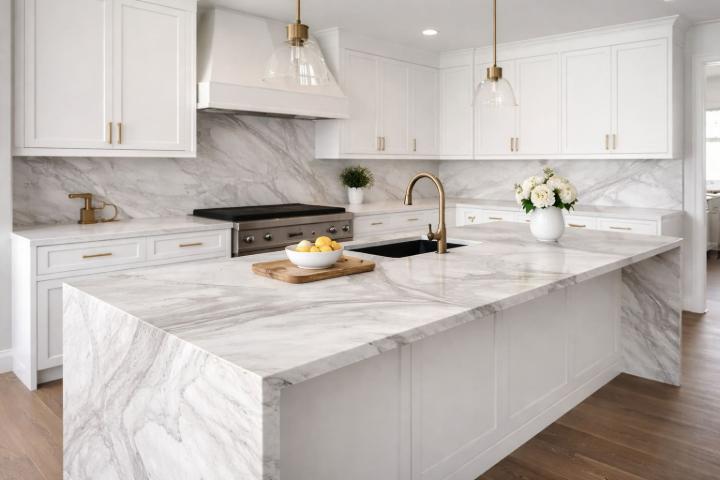
White Rhino
White Rhino is a natural dolomite slab defined by a creamy white background and bold gray and charcoal veining. The dramatic movement within each slab gives it a strong visual presence, making it a standout choice for kitchen islands or feature vanities where the stone becomes the focal point of the room. Its striking patterning commands attention without overwhelming a space, especially when paired with clean-lined cabinetry and minimal hardware.
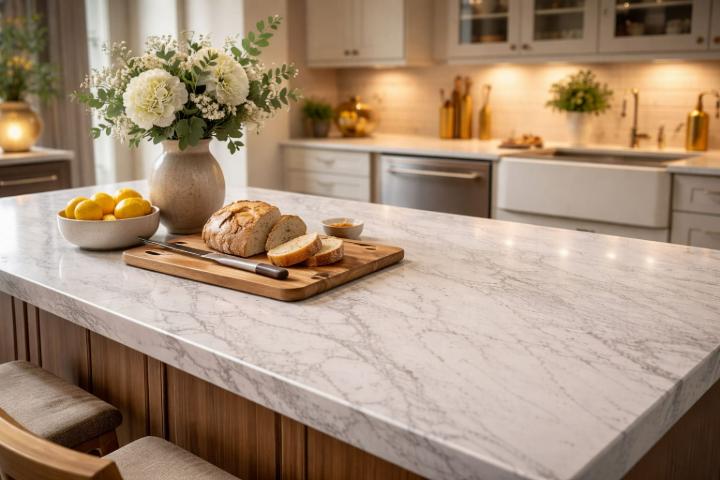
Galata Bianco
Galata Bianco features a pristine white background with soft, restrained gray veining. The result is a clean, refined surface that reads as sophisticated without being overpowering. It performs exceptionally well in bathrooms and kitchens where a lighter, airier palette is the goal, pairing seamlessly with both warm wood tones and cool gray cabinetry. Its quiet elegance gives it broad versatility across design styles.
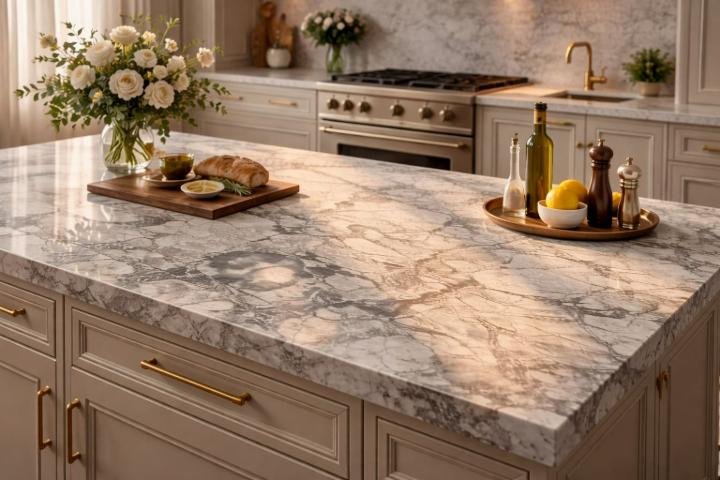
Super White
Super White is among the most sought-after dolomite varieties available. Its brilliant white background carries only the most subtle gray veining, creating a surface that is luminous, contemporary, and adaptable to nearly any color scheme or material pairing. Homeowners drawn to clean, high-contrast interiors consistently find it a compelling natural stone option that brings an elevated sense of refinement to any application.
All three varieties are available in polished, honed, and leathered finishes. Slabs are typically 3 centimeters thick, providing the structural integrity needed for countertop applications without requiring additional edge lamination. Trade professionals can explore our trade account program for access to dedicated pricing and resources.
Maintenance and Everyday Care
Caring for a dolomite surface is straightforward when the right habits are established from the start. Sealing the stone after installation is the single most important protective step. A quality penetrating sealant reduces porosity and creates a barrier against staining agents. Annual resealing is generally recommended, though the most reliable indicator is a simple water test: if water absorbs into the surface rather than beading up, it is time to reseal. The Natural Stone Institute offers thorough guidance on caring for natural stone surfaces that is worth referencing throughout the life of your installation.
For daily cleaning, pH-neutral stone cleaners are the safest and most effective choice. Acidic products, including vinegar, lemon-based sprays, and abrasive scrubbers, should be avoided entirely, as these can dull and etch the surface over time. Wiping up spills from coffee, wine, citrus juice, and cooking oils promptly helps preserve the stone's appearance and surface integrity. Using trivets under hot cookware provides an added layer of protection, keeping the surface looking its best for years to come.
With consistent care, a dolomite countertop or surface feature ages gracefully, developing a natural character that only deepens over time.
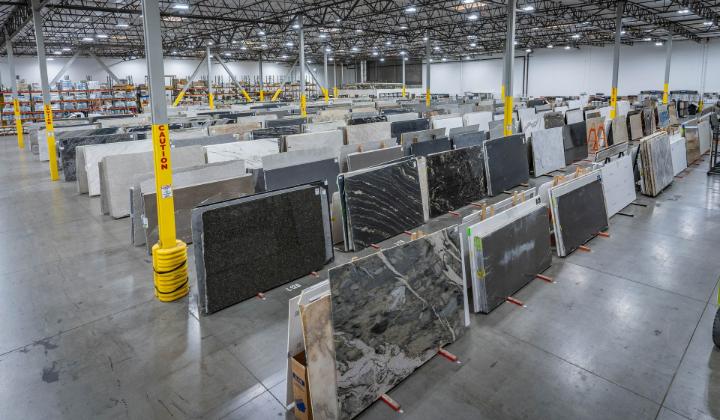
Where to See Our Dolomite Slabs in Person
Selecting a natural stone slab is a deeply visual and tactile experience. Photographs capture a great deal, but nothing replaces standing in front of a full slab and seeing how the veining flows across the surface, observing how it responds to your lighting conditions, and feeling the finish beneath your hand. Our showrooms in Reno, Sacramento, Minden, and Fernley carry a rotating inventory with new selections arriving regularly.
Whether you are renovating a kitchen, refreshing a bathroom, or planning a custom feature wall, our team provides thoughtful guidance at every step of the process. Book a free design consultation or submit a slab quote request online to get started before your showroom visit.
Conclusion
Dolomite slabs offer something genuinely rare in the world of interior surfaces: natural beauty that is entirely unrepeatable. From the dramatic, high-contrast veining of White Rhino to the luminous serenity of Super White, each slab carries a visual character shaped by geology rather than manufacturing. For homeowners who want a surface that is both stunning and meaningfully connected to the natural world, dolomite is a choice that rewards investment with lasting elegance. Visit one of our showrooms or explore our full natural stone slab collection to find the variety that speaks to your vision.
Frequently Asked Questions
Is dolomite a good choice for kitchen countertops?
Yes, dolomite performs well in kitchens when maintained properly. It handles moderate heat and offers a refined aesthetic that elevates the overall kitchen design. Routine sealing and prompt spill cleanup are the key habits that support long-term performance and surface beauty.
What finishes are available for dolomite slabs?
Dolomite is available in polished, honed, and leathered finishes. Polished offers the highest reflectivity and a formal, luminous appearance. Honed provides a matte, soft surface with a quieter feel. Leathered adds tactile texture with a low-sheen finish that emphasizes the stone's natural character and depth.
Can dolomite be used in bathrooms and shower applications?
Dolomite works well in bathroom vanities and as wall cladding in showers when properly sealed and maintained. Using pH-neutral cleaners in these areas is especially important, as acidic products can affect the surface finish over time and reduce the effectiveness of the protective seal.
How often does a dolomite surface need to be resealed?
Most dolomite surfaces benefit from resealing once a year. The most reliable test is placing a few drops of water on the surface. If the water beads up, the seal is holding. If it absorbs into the stone, it is time to reseal. Usage intensity and surface finish can influence how frequently this step is needed.
What makes each dolomite slab unique?
Because dolomite is a natural stone, every slab is shaped by its own geological formation process. Veining patterns, background tones, and movement within the stone vary from slab to slab, meaning no two installations are ever identical. This natural individuality is a significant part of what makes dolomite such a valued and distinctive surface choice.