The most common mistakes that shorten the life of natural stone countertops include using acidic or abrasive cleaning products, skipping regular sealing, placing hot items directly on the surface, and ignoring spills before they set. These habits affect all major stone types, including marble, granite, quartzite, travertine, and limestone, and can lead to etching, staining, surface scratches, and structural damage that is difficult or costly to reverse.
Natural stone is a durable material, but its longevity depends heavily on consistent and informed daily care. Many of the issues that develop over time are not caused by the stone itself but by avoidable maintenance errors that compound gradually. Knowing which habits cause the most damage is the most practical starting point for anyone looking to protect a stone countertop investment long term. If you are still in the process of selecting your material, exploring the range of natural stone countertop slabs available can help you understand which options best suit your lifestyle and maintenance preferences.
Using the Wrong Cleaning Products
One of the most widespread and damaging habits is reaching for whatever cleaning product is nearby without first checking whether it is safe for natural stone. Many household cleaners, including those marketed as multi-surface or all-purpose solutions, contain acids, alkalis, or abrasive compounds that can gradually erode a stone surface.
Vinegar is a particularly common offender. While it is widely used as a natural cleaning agent, its acidic composition can etch the surface of calcium-based stones such as marble, limestone, and travertine. Even brief or repeated contact can dull a polished finish over time. Bleach, ammonia-based cleaners, and citrus-infused sprays carry similar risks and can also degrade the sealer that protects the stone beneath the surface.
The recommended approach for routine maintenance is a pH-neutral, stone-specific cleanser applied with a soft cloth. These products are formulated to lift residue without compromising the surface finish or the protective sealer. According to the Natural Stone Institute, using appropriate cleaning products is one of the most important factors in maintaining the long-term condition of any natural stone surface.
Neglecting to Seal the Surface Regularly
Sealing is one of the most well-known aspects of stone care, yet it remains one of the most commonly neglected. Many homeowners seal their countertops once after installation and assume the protection is indefinite. In reality, sealers break down over time through regular cleaning, UV exposure, and daily contact with moisture and food.
Most natural stone countertops benefit from resealing at least once a year. More porous materials like travertine and limestone may require attention every six to eight months. A simple water absorption test can help indicate whether the surface needs a fresh application. When water no longer beads on the surface and instead begins to absorb into the stone and darken the area, the sealer has likely degraded and reapplication is worth considering.
Skipping this step leaves the stone vulnerable to staining, moisture penetration, and gradual surface wear that can become difficult or costly to address later. For guidance on which sealing approach suits your specific stone and finish, scheduling a consultation with a knowledgeable specialist can help clarify the right maintenance routine from the start.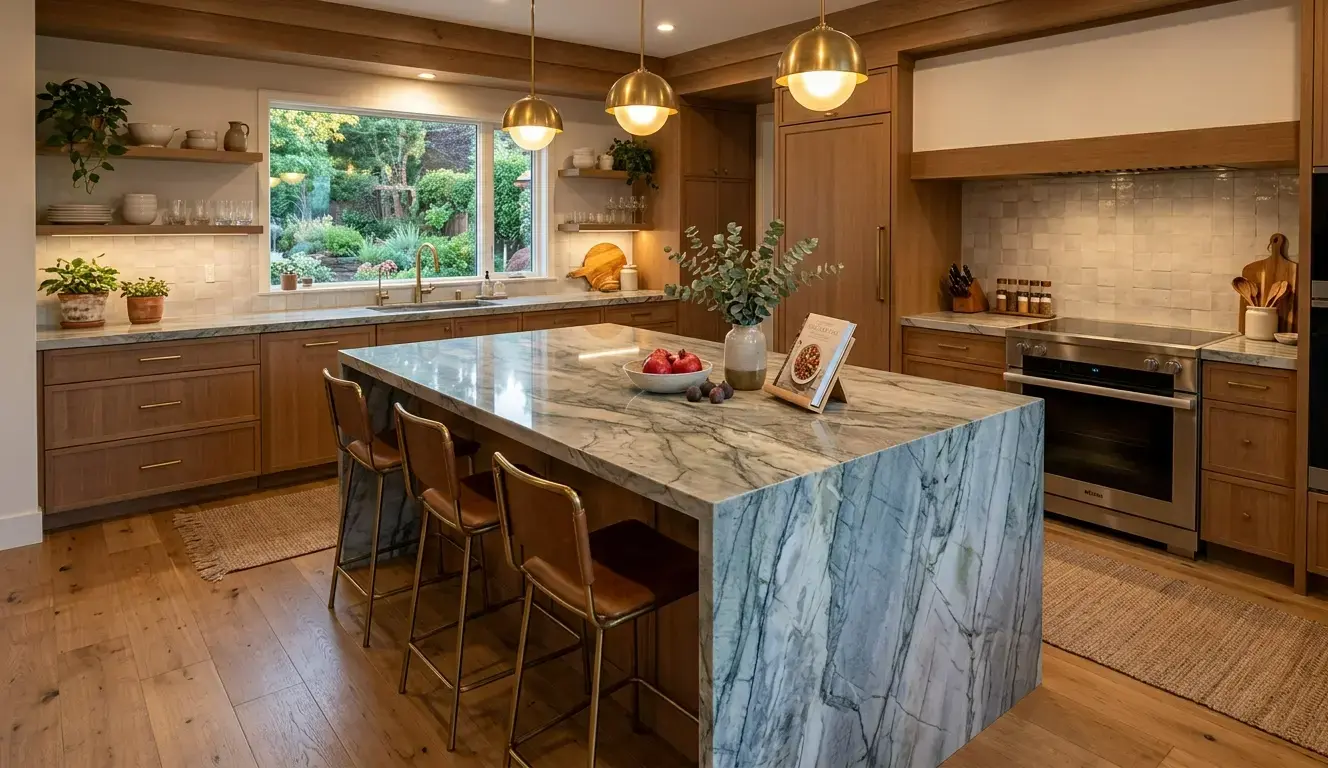
Placing Hot Items Directly on the Surface
Setting hot pots, pans, or appliances directly on a stone countertop without any form of protection is a habit that can contribute to surface damage over time. While natural stone is generally more heat-tolerant than many engineered surfaces, sudden or sustained exposure to high temperatures can still cause thermal shock in certain materials.
Thermal shock occurs when one area of the stone heats rapidly while the surrounding area remains cool. This temperature difference creates internal stress that can result in hairline cracking or surface discoloration. Marble and limestone tend to be more susceptible to this type of damage than denser stones like granite or quartzite. That said, no natural stone surface is entirely immune to the effects of repeated or extreme heat exposure.
Using trivets, heat pads, or cooling racks consistently is a straightforward way to reduce this risk across all stone types. For homeowners exploring more heat-resistant options, this overview of natural stone countertop materials offers a useful comparison of how different stones respond to kitchen conditions.
Using Abrasive Tools for Cleaning
Scrubbing pads, steel wool, and stiff-bristled brushes can scratch and dull the surface of a stone countertop, particularly on polished finishes. Abrasive powders and gritty cleaning pastes carry similar risks and can leave micro-scratches that accumulate over time, gradually reducing the reflective quality of polished marble or granite.
Soft microfiber cloths and non-abrasive sponges are the more suitable tools for routine cleaning. For stubborn residue, allowing a damp cloth to sit on the affected area for a few minutes before gently wiping tends to be more effective than applying force. Honed and brushed finishes are somewhat more forgiving of surface contact, but they remain susceptible to discoloration and damage from overly harsh cleaning tools.
Trade professionals specifying stone for high-use residential or commercial environments may find it helpful to discuss surface finish options directly with our team. You can also apply for a trade account to access dedicated support when sourcing and specifying materials for client projects.
Ignoring Spills, Especially Acidic Ones
Calcium-based natural stones such as marble, limestone, and travertine can react visibly to acidic substances within minutes of contact. Red wine, coffee, citrus juice, tomato-based products, and certain cooking oils can leave stains or etching marks if they are not addressed promptly.
Etching is a chemical reaction rather than a surface stain. It appears as a dull or slightly lighter patch where the acid has broken down the stone's finish. On polished marble in particular, etching can be quite noticeable because it disrupts the surface's reflective quality. Unlike a spill that sits on top of the stone, etching alters the material itself and cannot always be resolved through standard cleaning.
Blotting spills immediately with a clean, soft cloth is important. Wiping rather than blotting can spread the substance and increase the size of the affected area. Addressing spills quickly is one of the simplest and most effective habits for maintaining the long-term appearance of a stone surface. For a broader look at how different materials compare in terms of maintenance demands, this guide to natural stone countertops provides useful context.
Using the Countertop as a Cutting Surface
Cutting directly on a stone countertop causes wear in two directions at once. The hardness of the stone can dull knife blades, while the blade itself can leave fine scratches on softer stone varieties. On polished finishes, repeated contact from cutting tools creates a pattern of micro-abrasions that accumulates over time and produces a visibly worn, uneven surface.
Using a cutting board is a simple protective measure that benefits both the countertop and kitchen tools. This applies across all stone types, including granite and quartzite, which are among the denser natural stone options. Greater hardness does not eliminate susceptibility to surface scratches, and habitual cutting on any stone surface can cause gradual finish degradation. If you are weighing stone options based on durability and daily practicality, you can request a slab quote and our team can help identify a material suited to your specific usage needs.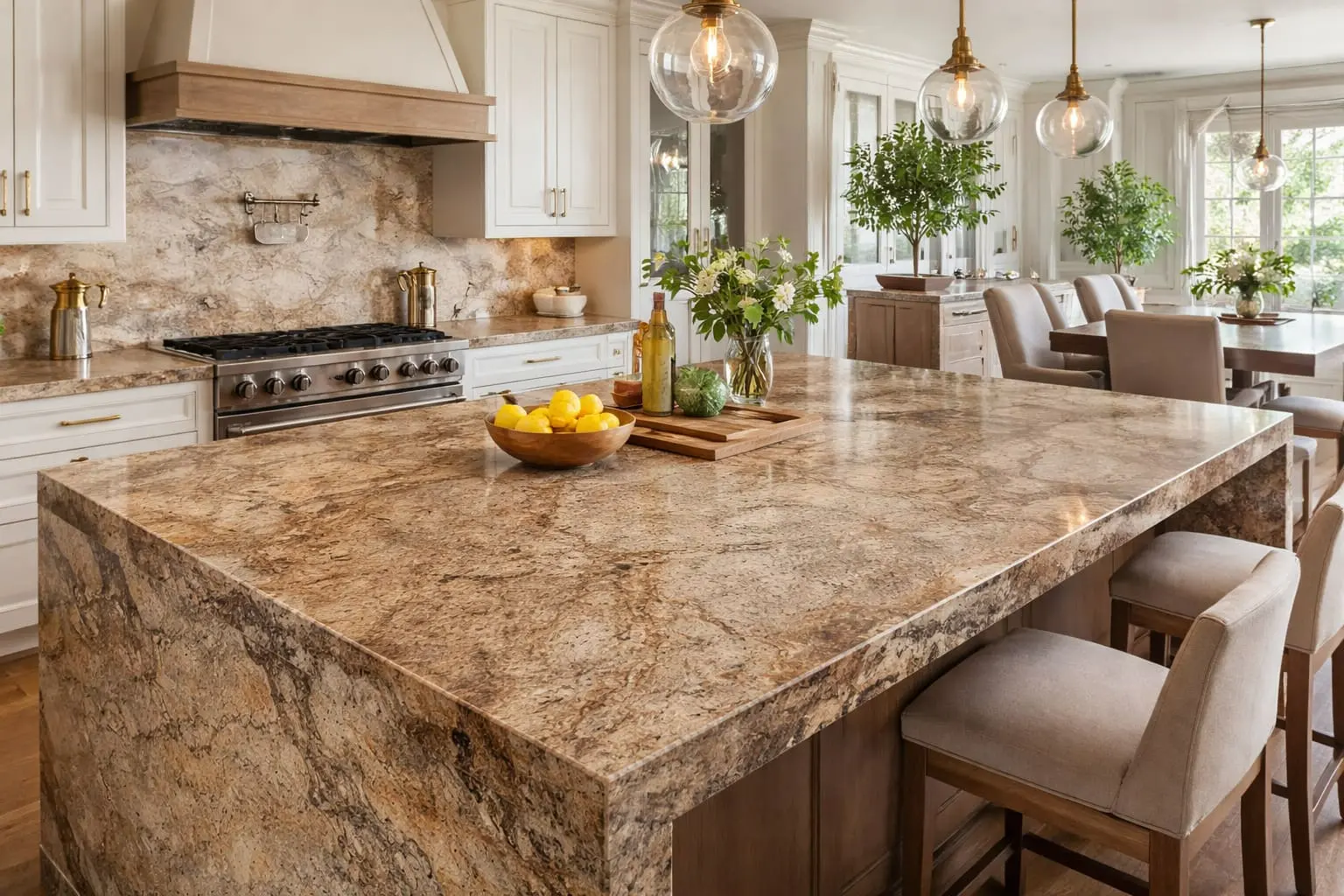
Overlooking Proper Structural Support
Not all countertop damage originates from the surface itself. Inadequate support beneath a stone slab can lead to stress fractures, particularly near cut-outs for sinks, cooktops, or faucets. These areas are structurally more vulnerable and generally benefit from proper reinforcement.
Selecting a supplier that provides clear material guidance and supports your project from the selection stage onward can reduce the likelihood of these issues developing. Visiting one of our showroom locations allows you to speak directly with specialists who understand how different slab materials perform under real-world conditions and can offer practical recommendations based on your project requirements.
Conclusion
Natural stone countertops are well-suited for long-term use, but their performance over time depends significantly on how they are maintained. Avoiding harsh cleaning products, keeping up with a consistent sealing schedule, protecting the surface from heat and impact, and responding to spills promptly are all habits that contribute to the durability and appearance of any stone surface.
Whether you are maintaining an existing countertop or selecting material for a new project, understanding these common pitfalls helps you make more informed decisions at every stage. If you are ready to explore your options, check for available deals through our overstock sale to find quality stone that suits your project and budget.
Frequently Asked Questions
What is the most damaging thing you can do to a natural stone countertop?
Consistently using acidic or abrasive cleaning products tends to cause significant long-term damage to natural stone surfaces. These substances can etch calcium-based stones like marble and limestone, degrade protective sealers, and dull polished finishes in ways that are difficult to reverse without professional restoration.
Can etching or staining on a natural stone countertop be repaired?
Minor surface etching on polished stone may be addressable through professional honing and repolishing, depending on the depth and extent of the damage. Deep stains that have penetrated an unsealed or under-sealed surface can sometimes be drawn out using a poultice treatment. Results vary depending on the stone type and how long the stain has been present.
How do you know if a stone countertop needs to be resealed?
A water test can serve as a practical indicator. Place a small amount of water on the surface and observe whether it beads up or begins to absorb into the stone. If the water darkens the surface rather than sitting on top of it, the sealer may have degraded and resealing is worth considering.
Is granite more resistant to damage than marble?
Granite is generally considered harder and less chemically reactive than marble, which can make it more forgiving in high-use kitchen environments. However, granite is still porous and can stain without adequate sealing. Both materials benefit from consistent care and the use of appropriate cleaning products.
Are all natural stone countertops equally demanding in terms of maintenance?
Maintenance requirements vary by stone type. More porous and chemically sensitive materials like marble, limestone, and travertine generally require more frequent sealing and closer attention to spills compared to denser options like granite or quartzite. Surface finish also plays a role, as honed and matte finishes tend to be more susceptible to staining than polished ones.