Quartzite countertops are a natural stone surface option known for their hardness, heat resistance, and distinctive veining. They are formed when sandstone undergoes intense heat and pressure, producing a dense metamorphic rock that is harder than granite and visually similar to marble.
The main pros of quartzite countertops include: exceptional scratch resistance due to a high Mohs hardness rating, superior heat tolerance that allows direct contact with hot cookware, UV resistance that prevents fading in sun-exposed spaces, and a unique natural beauty that engineered materials cannot replicate.
The main cons of quartzite countertops include: a higher cost compared to granite and quartz, a porous surface that requires sealing every one to two years, susceptibility to etching from acidic substances like lemon juice or vinegar, and a more limited color range than engineered stone options.
Quartzite is best suited for homeowners who want the look of marble with greater durability, and who are willing to commit to a regular sealing and maintenance routine. This guide covers everything you need to know, from how quartzite compares to granite, marble, and quartz, to how to choose the right slab and keep it in top condition for years to come.
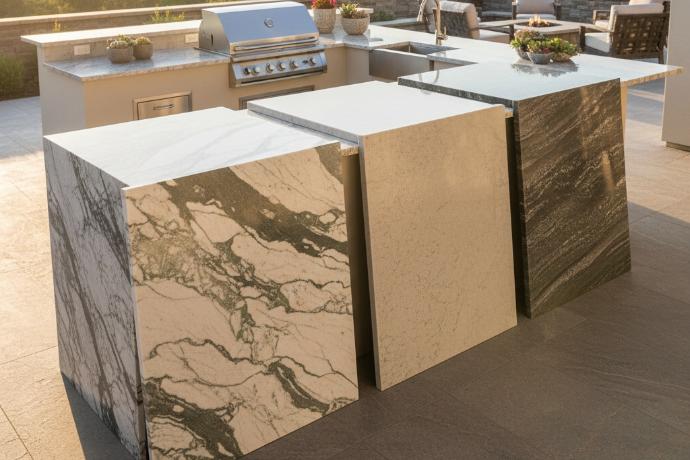
What is Quartzite?
Quartzite is a natural stone prized for its strength and visual appeal. It originates as sandstone and transforms through extreme heat and pressure into a dense, hard metamorphic rock. This process actually makes quartzite harder than granite, giving it outstanding durability.
That same formation produces striking veining and one-of-a-kind patterns throughout each slab. Its natural elegance and structural integrity make it a compelling option for countertops. Unlike synthetic alternatives, quartzite holds its character and toughness over time. Whether you're outfitting a kitchen or a bathroom, quartzite delivers a bold, durable surface that handles daily demands while maintaining its visual impact, a combination that continues to win over homeowners seeking both function and beauty.
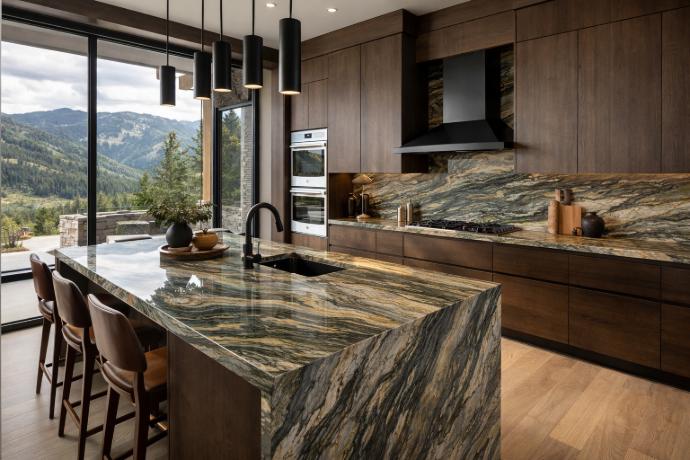
Pros and Cons of Quartzite Countertops
Getting a clear picture of quartzite's strengths and limitations gives you the foundation to make a smart, informed purchase. Below, we cover the key advantages and disadvantages of quartzite countertops so you can evaluate whether this natural stone aligns with your lifestyle and design vision, especially if you prefer to shop local and compare slabs in person before making a final decision.
Pros of Quartzite Countertops
Durability and Hardness Quartzite ranks high on the Mohs hardness scale, making it highly resistant to scratches and surface abrasions. This makes it an ideal fit for kitchens that see heavy daily use. Unlike softer stone options, quartzite holds up under constant wear and keeps countertops looking sharp for years to come.
Aesthetic Appeal No two quartzite slabs are identical. Each one features its own natural veining and patterning that adds a layer of sophistication to any space. Quartzite can closely resemble high-end marble, offering a timeless finish that elevates your kitchen or bathroom design. Its visual depth makes it a natural centerpiece in any room.
Heat Resistance Quartzite handles heat exceptionally well. You can set hot pots and pans directly on the surface without worrying about damage, a practical advantage in busy kitchens where heat exposure is a daily reality. This level of heat tolerance adds both convenience and confidence to your cooking routine.
Natural Stone Beauty As a product of nature, quartzite carries an authenticity that engineered materials simply cannot replicate. The natural color variations, textures, and veining create a richness and depth that give countertops a genuinely luxurious feel. Every slab is essentially a unique piece of natural art that adds lasting value to your home.
UV Resistance Quartzite holds up well against prolonged sun exposure without fading or discoloring. This makes it a strong candidate for outdoor kitchens or interior spaces with abundant natural light. Your countertops will maintain their visual quality regardless of how much sunlight they receive.
Cons of Quartzite Countertops
Maintenance Requirements Despite its durability, quartzite does demand consistent upkeep to stay in top condition. It requires periodic sealing to guard against stains and etching, and spills need to be wiped up promptly to avoid surface damage. Compared to lower-maintenance materials, quartzite asks more of its owner, regular cleaning and sealing are non-negotiable parts of ownership.
Cost Considerations Quartzite typically carries a higher price tag than granite or engineered quartz. Costs vary based on the stone's quality, color, and availability. Installation expenses can also run higher due to quartzite's weight and density, which require specialized tools and skilled labor. It's a meaningful investment, though one that many homeowners consider worthwhile given its performance and beauty.
Sealing Needs Because quartzite is a porous material, it needs to be sealed on a regular schedule to prevent moisture absorption and staining. Depending on the specific stone and usage level, resealing every one to two years is generally recommended. Skipping this step leaves the surface vulnerable and can lead to damage that's difficult to reverse.
Limited Color Options Compared to engineered quartz, the natural color palette of quartzite is more restricted. While its organic beauty is undeniably appealing, those seeking a very specific hue or a perfectly uniform appearance may find the available options somewhat limiting. The natural variation in each slab can be a selling point or a drawback, depending on your design goals.
Potential for Etching and Staining Quartzite's scratch resistance doesn't make it immune to all surface damage. Acidic substances, lemon juice, vinegar, wine, can etch the surface if not addressed quickly. Staining is also a risk when spills sit untreated or when the countertop hasn't been properly sealed. Staying on top of spills and maintenance is essential to keeping the surface in good shape.
Comparison with Other Natural Stone Countertops
Stacking quartzite up against other natural stone options helps clarify where it excels and where it falls short. Use these comparisons to zero in on the material that best fits your priorities, whether that’s durability, ease of maintenance, appearance, or heat performance.
If you’re a builder, designer, or contractor sourcing materials regularly, we invite you to apply for a trade account with us to access exclusive pricing, priority service, and dedicated support for your projects.
Quartzite vs. Granite
Both materials bring durability and natural beauty to the table, but quartzite generally outranks granite in hardness, giving it a stronger defense against scratches and abrasion. This makes quartzite the better choice for high-traffic surfaces. Granite, however, offers a broader spectrum of colors and patterns, providing more design flexibility. It also tends to require less frequent sealing, which gives granite an edge for homeowners who prefer lower upkeep.
Quartzite vs. Marble
Marble is synonymous with classic elegance and refined luxury, but it's considerably softer than quartzite and far more vulnerable to scratches, stains, and acid etching. While marble delivers a beautiful aesthetic, it requires more careful, attentive maintenance and isn't well-suited for heavy-use areas like kitchens. Quartzite gives you a similarly sophisticated look with significantly better durability and practical performance.
Quartzite vs. Quartz
Engineered quartz is built for consistency, it's low-maintenance, highly durable, and available in a wide range of colors. But it lacks the natural character and variation that make quartzite visually compelling. Quartz also falls short of quartzite when it comes to heat resistance, which matters in kitchens where hot cookware regularly makes contact with surfaces. If uniformity and easy care are your top priorities, quartz delivers. If you want distinctive natural beauty and superior heat tolerance, quartzite is the stronger contender.
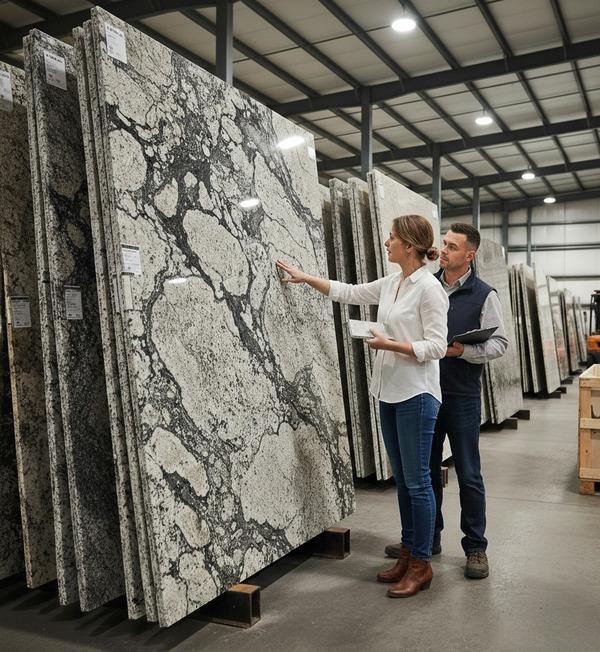
Choosing and Maintaining Quartzite Countertops for Your Home
How to Choose the Best Countertop for Your Home?
When evaluating quartzite for your countertops, start by assessing color, pattern, and how the stone will work within your existing design scheme. Factor in the maintenance commitment, quartzite requires regular sealing and attentive care, so make sure you're prepared to follow through with that routine before committing.
Popular Quartzite Colors and Patterns
Quartzite is available in white, gray, and various beige and brown tones, with every slab presenting its own distinct veining and patterning. Standout varieties like White Macaubas, Taj Mahal Quartzite, and Sea Pearl each bring a unique character to the surface, making it easier to find the right look for your specific space.
Explore our full quartzite selection and find the perfect slab for your project by visiting our Quartzite Collection.
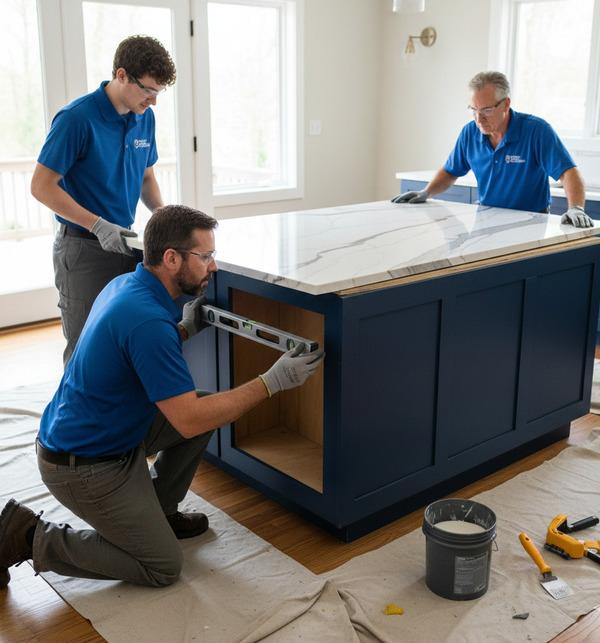
Installation and Maintenance Tips
Professional Installation Due to quartzite's density and weight, professional installation is strongly advised. Experienced installers bring the right equipment and technical knowledge to handle the material safely and achieve a precise, clean fit. Proper installation prevents damage and ensures the finished result looks seamless, an essential factor highlighted in any comprehensive guide to countertops, where proper fabrication, transport, and sealing are key to long-term performance and visual appeal.
Daily Cleaning and Care Keep your quartzite countertops looking their best by cleaning them regularly with a mild detergent and warm water. Stay away from harsh chemicals and abrasive scrubbers, which can degrade the surface over time. Use cutting boards and trivets as a matter of habit to protect against scratches and direct heat.
Long-term Maintenance Beyond routine cleaning, long-term care means sealing the surface periodically to maintain its protection against stains and etching. Follow the manufacturer's sealing schedule, and consider bringing in a professional service to ensure the job is done correctly and effectively.
Conclusion
Quartzite countertops bring a compelling mix of natural beauty, impressive hardness, and long-term durability that few materials can match. Whether you're renovating a high-traffic kitchen or designing a refined bathroom vanity, quartzite delivers the kind of surface that performs as well as it looks. Its heat resistance, UV stability, and scratch-resistant nature make it a practical workhorse, while its distinctive veining and organic patterns make every slab a design statement.
That said, quartzite isn't a hands-off material. It demands regular sealing, prompt spill cleanup, and a willingness to invest in proper care. The upfront cost is also higher than many alternatives, so going into the decision with a clear understanding of both the benefits and the responsibilities is essential.
If you're ready to commit to the maintenance routine and want a countertop surface that combines natural elegance with genuine durability, quartzite is a strong, rewarding choice. Take the time to explore different slabs in person, compare colors and patterns, and consult with a professional installer to make sure you get the most out of this remarkable natural stone, working with a trusted tile and stone company can help ensure expert guidance from selection through installation.
Frequently Asked Questions
Is quartzite a good choice for kitchen countertops?
Yes, we believe quartzite is an excellent choice for kitchen countertops. Its high Mohs hardness rating makes it resistant to scratches from daily cutting and prep work, and its superior heat resistance means hot pots and pans won't damage the surface. The key is keeping up with regular sealing to protect it against staining and etching from acidic kitchen ingredients. At Nova Tile and Stone, we guide our clients in selecting the perfect slab so you can enjoy both the beauty and durability of quartzite in your kitchen.
How often does quartzite need to be sealed?
Most quartzite countertops should be resealed every one to two years, though the exact frequency depends on the specific stone and how heavily the surface is used. A simple water test can help you determine when it's time, if water no longer beads on the surface and instead soaks in, it's time to reseal. Using a professional sealing service ensures the protective barrier is applied correctly.
What is the difference between quartzite and quartz countertops?
Quartzite is a 100% natural metamorphic rock formed from sandstone under heat and pressure. Quartz countertops, on the other hand, are engineered products made from crushed quartz combined with resins and pigments. Quartzite offers superior heat resistance and unique natural patterning, while engineered quartz provides a more uniform appearance and requires less maintenance. Neither is objectively better, it comes down to your priorities in terms of aesthetics and upkeep.
Does quartzite scratch or stain easily?
Quartzite ranks among the hardest natural stones available, making it highly resistant to scratching under normal use. However, it is porous and can stain if spills, particularly from wine, oil, or highly pigmented liquids are left to sit without being wiped up. Etching from acidic substances like lemon juice or vinegar is also possible if the stone isn't properly sealed. Prompt cleanup and regular sealing are your best defenses against both issues.
Can quartzite be used for outdoor countertops?
Yes, quartzite is one of the better natural stone options for outdoor use. Its UV resistance prevents fading and discoloration from prolonged sun exposure, and its hardness helps it stand up to outdoor conditions. That said, outdoor quartzite surfaces should still be sealed regularly, as exposure to rain and moisture increases the risk of water absorption and staining over time. If you’re considering quartzite for an outdoor project, you can request a slab quote or schedule an appointment to see the available options in person.