Porcelain countertop slabs are large-format engineered surfaces made from natural clay, feldspar, and silica that are fired at extremely high temperatures to create an ultra-dense, non-porous material. They are highly resistant to heat, scratches, stains, UV light, and bacterial growth, and they never require sealing, making them one of the most durable and low-maintenance countertop options available for kitchens, bathrooms, and outdoor living spaces. Porcelain slabs are available in a wide range of colors, patterns, and finishes that realistically replicate the look of natural marble, granite, concrete, and other premium materials.
While porcelain countertop slabs offer significant advantages over many traditional surfaces, they do have some limitations, including fewer edge profile options and the need for experienced fabricators during installation. This guide covers the full pros and cons of porcelain countertop slabs, thickness options, cleaning and maintenance tips, and what to consider before making your decision.
At Nova Tile and Stone, we carry a wide selection of porcelain countertop slabs in a variety of colors, patterns, and finishes. Our expert design consultants at our Reno, Sacramento, Minden, and Fernley showroom locations are ready to help you find the perfect slab for your project. Browse our full countertop and slab inventory to explore what is currently available.
Can You Use Porcelain Slabs for Countertops?
Absolutely. Porcelain countertop slabs are specifically engineered for use as countertop surfaces, and they perform exceptionally well in kitchens, bathrooms, laundry rooms, and even outdoor living spaces. These slabs are manufactured from natural clay and minerals that are fired at extremely high temperatures, resulting in a surface that is incredibly dense, hard, and resistant to moisture absorption.
One of the biggest advantages of porcelain countertop slabs is their versatility. Unlike many traditional natural stone countertop materials, porcelain can be installed directly over existing surfaces in many cases, which can save both time and money during a renovation. The material's resistance to heat, UV light, and staining makes it equally suitable for indoor kitchens and outdoor entertaining areas where exposure to the elements is a concern.
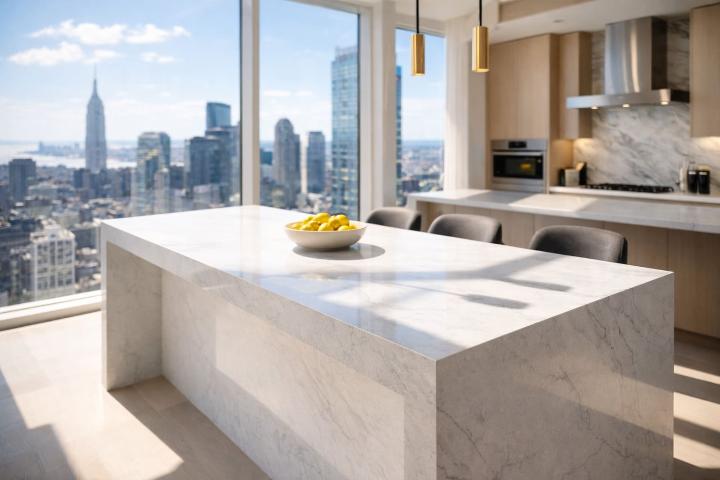
The Advantages of Porcelain Countertop Slabs
Porcelain countertop slabs offer a long list of benefits that make them a compelling choice for homeowners who want beauty without the burden of heavy maintenance. Here are the key advantages worth considering.
Simple Installation and Effortless Maintenance
One of the standout benefits of porcelain countertop slabs is how straightforward the installation process can be. In many renovation scenarios, porcelain slabs can be placed directly on top of your existing countertop surface, which eliminates the need for a costly and time-consuming demolition. This overlay approach reduces labor costs and gets your new countertops ready faster.
Once installed, maintaining porcelain countertop slabs requires very little effort. Because porcelain is a non-porous material, it naturally resists stains, spills, and moisture penetration. A quick wipe-down with mild soap and warm water is typically all it takes to keep your countertops looking brand new. Unlike natural stone surfaces such as granite or marble, porcelain never requires sealing treatments, saving you ongoing maintenance time and expense.
Outstanding Heat and UV Resistance
Porcelain countertop slabs are exceptionally resistant to both heat and ultraviolet light. The surface can handle contact with hot pots and pans far better than many competing materials, and it will not scorch, discolor, or suffer thermal damage under normal cooking conditions. While using trivets is still a good habit to protect seams and maintain the surface finish over time, porcelain's heat resistance makes it an ideal material for busy kitchens where cooking activity is constant.
The UV resistance of porcelain is another major advantage that sets it apart from many competing materials. Prolonged sun exposure will not cause porcelain countertop slabs to fade, yellow, or lose their original color. This characteristic makes porcelain a perfect fit for outdoor kitchen countertops, sunlit breakfast nooks, and any space that receives significant natural light throughout the day.
An Eco-Friendly Surface Choice
For homeowners who prioritize sustainability, porcelain countertop slabs are an excellent option. Porcelain is manufactured from abundant natural raw materials including clay, feldspar, and silica. The production process is designed to minimize waste, and porcelain itself is fully recyclable at the end of its long lifespan.
It is also worth noting that recent health and safety research has drawn attention to the risks of silicosis associated with fabricating certain engineered stone products. The CDC's National Institute for Occupational Safety and Health has published findings on these concerns, which has led some homeowners and designers to consider porcelain as a safer alternative for both fabricators and end users. Because porcelain countertop slabs are built to last for decades without fading, cracking, or deteriorating, they also reduce the need for frequent replacements, translating into less material waste over time.
Hygienic and Bacteria-Resistant
Porcelain's non-porous surface creates a naturally hygienic countertop that actively resists bacterial growth. Liquids, food particles, and bacteria cannot penetrate the surface, which means your countertops stay cleaner and safer for food preparation. This makes porcelain countertop slabs particularly well-suited for kitchens where food hygiene is a top priority, as well as bathroom vanities where moisture is always present.
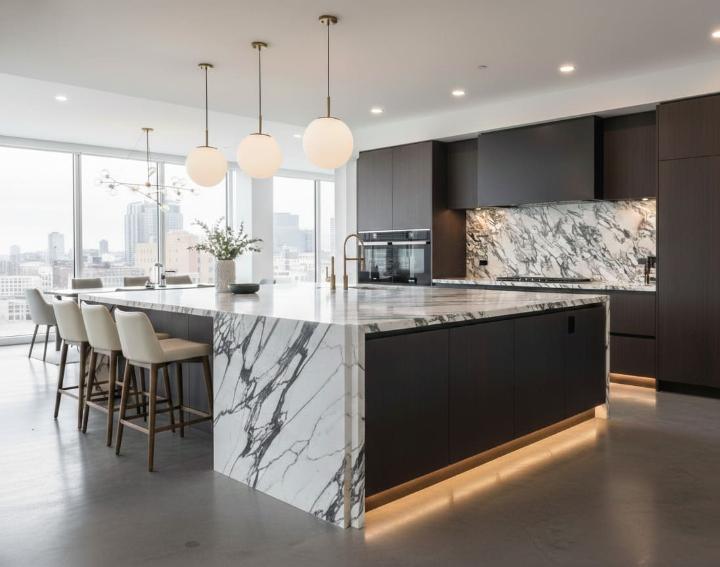
The Drawbacks of Porcelain Countertop Slabs
No countertop material is perfect, and porcelain countertop slabs do come with a few considerations that homeowners should be aware of before making a final decision.
Limited Edge Profile Options
Because the pattern and design on porcelain countertop slabs are typically applied to the surface during the manufacturing process, the edges of the slab may not display the same visual detail as the top face. This means your options for decorative edge profiles are somewhat more limited compared to materials like quartz or granite. However, mitered edges are a popular solution that creates a clean, seamless look by joining two pieces at a 45-degree angle, giving the appearance of a thicker, more substantial slab.
Potential for Cracking During Installation
Porcelain countertop slabs are thinner than many traditional countertop materials, which means they require careful handling during transport and installation. If not handled properly, the slabs can crack or chip before they are secured in place. The good news is that once porcelain countertop slabs are correctly installed with proper support, they become extremely sturdy and durable for everyday use.
Finding Qualified Installation Professionals
Porcelain countertop slabs are still a relatively newer option in the American market compared to granite or quartz. Because of this, finding fabricators and installers with specific experience in porcelain slab work can sometimes be a challenge. Working with a knowledgeable tile and stone retailer that can connect you with experienced professionals is essential for ensuring a flawless installation.
At Nova Tile and Stone, we can help guide you through the entire process, from selecting your porcelain countertop slabs to recommending trusted fabricators and installers. Book a free design consultation to get started with one of our experts.
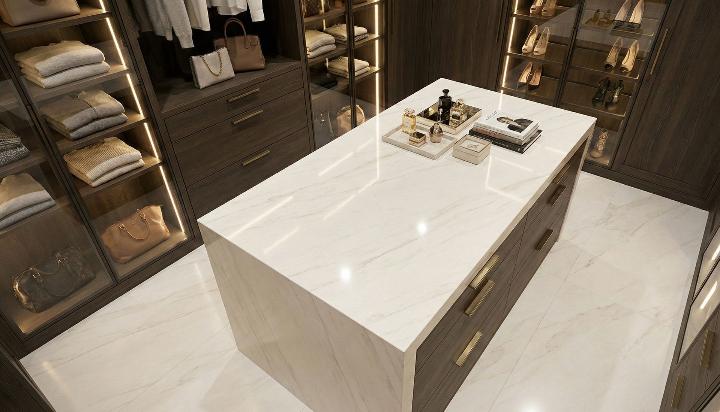
Porcelain Slab Thickness Options
Porcelain countertop slabs are available in a range of thickness options to suit different applications and design preferences. Thinner profiles offer an ultra-sleek, modern aesthetic and work well for wall cladding, backsplash applications, and furniture surfacing where minimal weight is desired. Standard-thickness slabs are the most popular choice for kitchen and bathroom countertops, delivering a clean profile with excellent structural performance. Thicker porcelain slabs provide a more substantial feel and are well-suited for large kitchen islands, outdoor countertops, and areas that require additional durability.
Porcelain slabs also come in large-format sizes, giving you the flexibility to minimize seams and create a more seamless appearance across your countertop surfaces. Our team can help you determine the ideal thickness and size for your specific project requirements. Visit our showrooms in Reno, Sacramento, Minden, or Fernley to see porcelain slab options in person.
How to Clean Porcelain Countertops
One of the greatest appeals of porcelain countertop slabs is how easy they are to keep clean. Unlike natural stone surfaces that demand specialized cleaners and periodic resealing, porcelain requires only basic care with products you likely already have at home.
For daily cleaning, simply use a soft cloth or sponge with warm water and a small amount of mild liquid dish soap. Wipe down the entire surface to remove any spills, crumbs, or residue. After cleaning, rinse the countertop with clean water to remove any remaining soap, then dry the surface with a lint-free cloth to prevent water spots.
Avoid using abrasive scrubbing pads, steel wool, or harsh chemical cleaners on your porcelain countertop slabs, as these can dull the finish over time. With consistent, gentle care, your porcelain countertops will maintain their original beauty for many years.
Conclusion
Porcelain countertop slabs represent one of the most versatile and performance-driven surface options available to homeowners today. Their exceptional resistance to heat, UV light, stains, and bacterial growth makes them a practical choice for kitchens, bathrooms, and outdoor living spaces alike. While considerations like limited edge profiles and the need for experienced installers are worth noting, the advantages of porcelain countertop slabs far outweigh the drawbacks for most renovation projects. For a broader look at how porcelain compares to other popular countertop materials, Fine Homebuilding's guide to natural stone countertops is a helpful resource.
At Nova Tile and Stone, we are proud to offer an extensive collection of porcelain countertop slabs at our showrooms in Reno, Sacramento, Minden, and Fernley. Whether you are just beginning to explore your options or you are ready to make a selection, our knowledgeable design consultants are here to help every step of the way. Visit us today for a free design consultation and discover how porcelain countertop slabs can transform your home.
Frequently Asked Questions
Are porcelain countertop slabs more durable than granite?
Porcelain countertop slabs are extremely durable and offer excellent resistance to scratches, heat, and staining. While granite is also a strong and long-lasting material, porcelain has the added advantage of being completely non-porous, which means it never needs to be sealed and is naturally resistant to bacterial growth. Both materials perform well in kitchens and bathrooms, but porcelain requires significantly less ongoing maintenance over its lifespan.
Can porcelain countertop slabs be used outdoors?
Yes, porcelain countertop slabs are one of the best materials for outdoor kitchen countertops and entertainment areas. Their resistance to UV light means they will not fade or discolor from prolonged sun exposure, and their non-porous surface prevents damage from rain, snow, and temperature fluctuations. This makes porcelain a reliable and attractive option for outdoor living spaces in climates throughout Northern Nevada and Northern California.
Do porcelain countertop slabs chip easily?
Porcelain countertop slabs are highly resistant to chipping during normal everyday use. However, like any hard surface material, the edges of porcelain slabs can be susceptible to chipping from heavy or sharp impacts, particularly during transportation and installation. Once properly installed with adequate support, porcelain countertops are remarkably sturdy and well-suited for the demands of a busy household.
How do porcelain countertop slabs compare to quartz?
Porcelain countertop slabs are competitively priced alongside quartz and offer certain performance advantages, including superior heat resistance and UV stability. These characteristics make porcelain a better fit for outdoor applications and kitchens where hot cookware is frequently placed directly on the surface. Porcelain also never requires sealing, while some quartz surfaces can be damaged by prolonged heat exposure.
How long do porcelain countertop slabs last?
With proper installation and basic maintenance, porcelain countertop slabs can easily last 25 years or more without showing significant signs of wear. Because the material does not fade, stain, or require resealing, porcelain countertops retain their original appearance far longer than many alternative materials. This exceptional longevity makes porcelain countertop slabs a smart long-term investment for any home renovation project.