Engineered vs. natural stone countertops are the two primary categories homeowners choose between when selecting a countertop material. Engineered stone, which includes quartz and porcelain, is manufactured by combining natural minerals with resins and binders to produce a consistent, non-porous surface. Natural stone, which includes granite, marble, quartzite, and travertine, is quarried directly from the earth and cut into slabs, with each piece carrying unique veining, color variation, and texture.
The key differences between the two come down to five factors: appearance, durability, maintenance, cost, and environmental impact. Natural stone offers unmatched organic beauty and long-term luxury appeal, but requires periodic sealing and more attentive care. Engineered stone delivers uniformity, stain resistance, and lower maintenance demands, but cannot replicate the depth and individuality of a natural slab. Heat resistance also varies by material: granite and quartzite tolerate direct heat well, while quartz is susceptible to thermal damage due to its resin content. Cost-wise, engineered stone tends to be more price-stable, while natural stone fluctuates based on type, rarity, and origin.
Choosing the right countertop material depends on how the space is used, how much maintenance a homeowner is prepared to do, and what aesthetic outcome they are working toward. Explore our full selection of premium natural and engineered stone slabs to compare materials in person and review important health and safety considerations related to engineered stone fabrication and dust exposure.
1. Start with Aesthetic Appeal
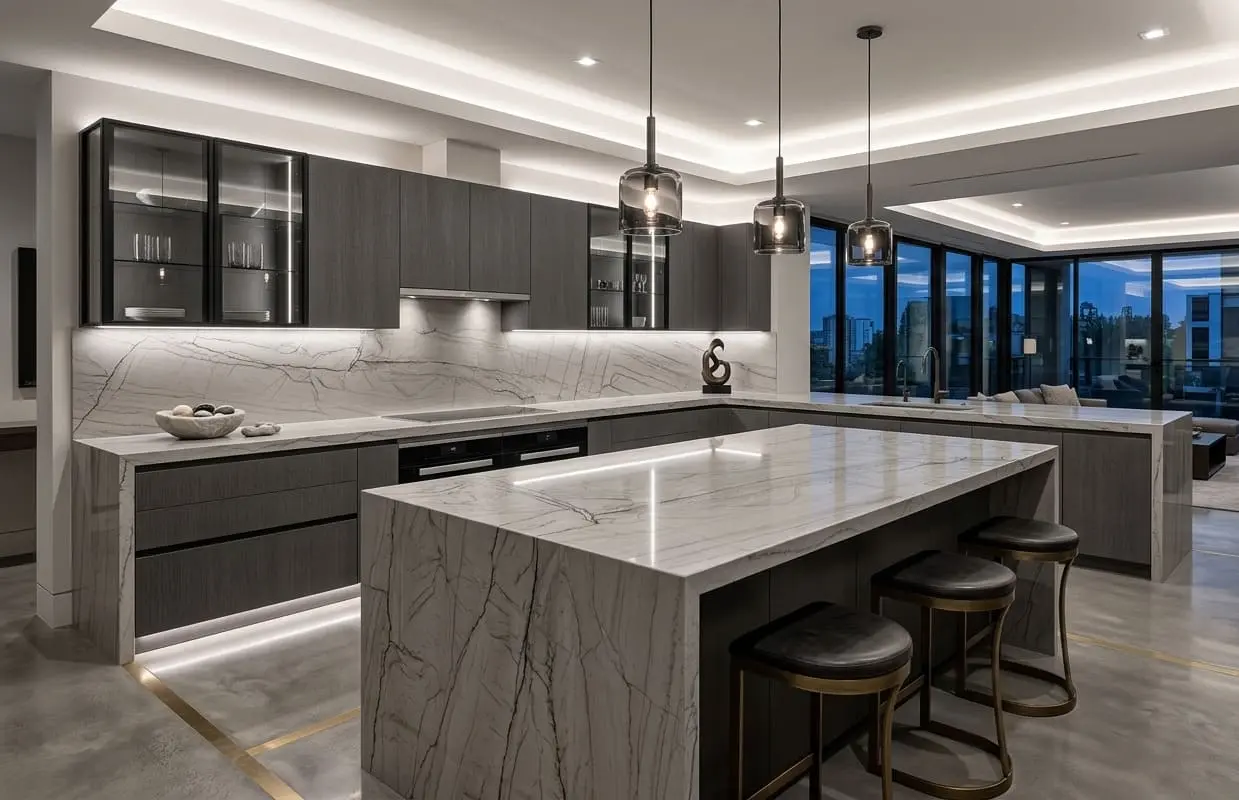
For most homeowners, appearance drives the decision from the start. Natural stones like marble, granite, and quartzite are prized for their distinctive veining and color variation. No two slabs are identical, and that individuality lends depth, texture, and a sense of luxury to any space. If you're after a timeless, high-end look in your kitchen or bathroom, natural stone is the obvious choice.
Engineered stones like quartz and porcelain offer something different: predictability. Consistent color and pattern make them well-suited for sleek, contemporary interiors where clean lines and visual uniformity take priority. Quartz, in particular, can convincingly mimic the look of marble or granite while maintaining a controlled, cohesive appearance, a quality that appeals strongly to modern design sensibilities.
2. Weigh Durability Against Maintenance
In high-traffic spaces like kitchens, durability is non-negotiable. Granite and quartzite rank among the hardest natural stone options, holding up well against heat, scratches, and the demands of daily use. Softer stones like marble are more vulnerable; they scratch and stain more readily and require greater attention to upkeep. Travertine, despite its appeal, is porous by nature and typically needs sealing to preserve its surface over time.
Engineered stones generally demand less ongoing care. Quartz is non-porous, which means it resists staining and scratching without requiring periodic sealing. Porcelain is equally tough, standing up to heat, moisture, and heavy use, making it a strong performer in demanding kitchen and bathroom environments. Browse our locally available stone inventory to find durable options suited for high-traffic spaces or schedule a showroom appointment to discuss maintenance requirements with our stone specialists.
3. Consider the Environmental Footprint
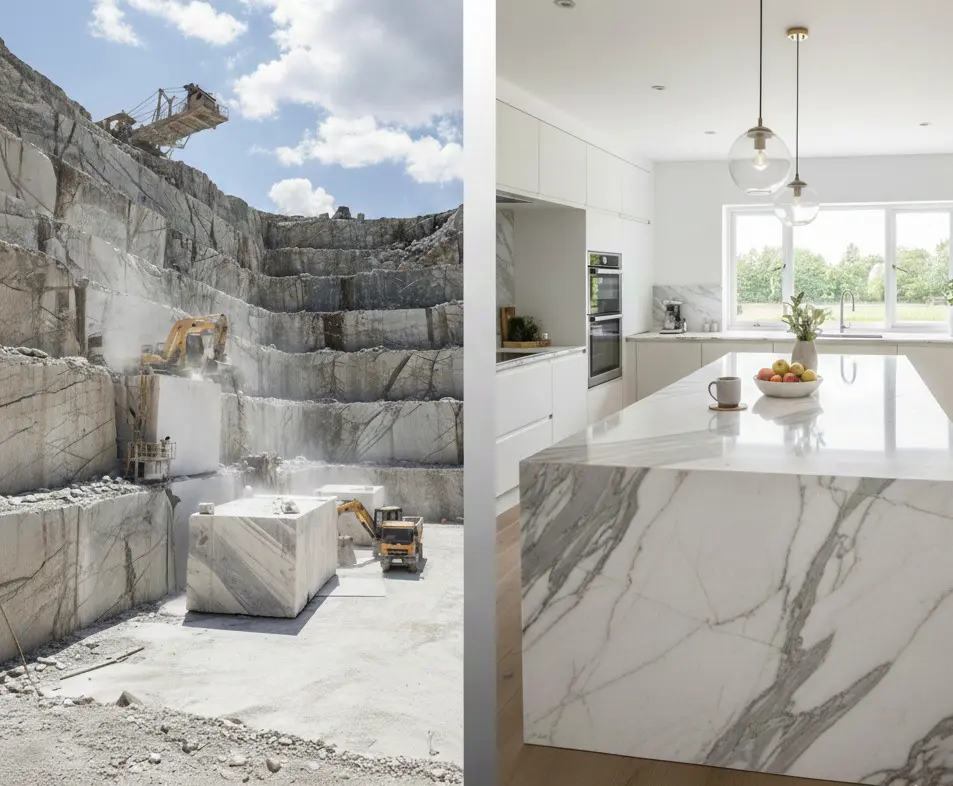
Both material categories carry environmental trade-offs worth understanding. Natural stone is quarried directly from the earth, which involves resource extraction, but these materials are exceptionally long-lived and rarely need replacement for decades. Quartz and porcelain are manufactured products that combine natural minerals with resins and other additives. While quarrying is avoided, the manufacturing process and resin components introduce their own ecological considerations.
4. Get Clear on Costs
Budget shapes every renovation decision, and countertop materials are no exception. Engineered stones tend to fall within a more predictable price range because manufacturing keeps costs relatively stable. Natural stone pricing is less consistent and varies based on stone type, origin, and rarity.
Premium natural options like marble and quartzite sit at the higher end of the cost spectrum, while granite and travertine can offer more accessible price points. If you have a specific stone in mind, visiting a local showroom is the most reliable way to gauge what fits your budget before committing. Request a custom slab quote to compare pricing based on your preferred stone and project size.
5. Evaluate Your Customization Options
Each material category offers distinct customization advantages. With natural stone, you work within what the earth provides, and color and pattern choices are guided by geology, not manufacturing. That limitation, however, is also part of the appeal: those natural imperfections and variations are what give each slab its personality.
Engineered stones offer broader flexibility. Quartz is available in a wide range of colors and finishes, including convincing natural stone replicas, but with far greater consistency. Porcelain slabs can be produced to mimic various textures and surface styles, giving you tighter control over the final aesthetic.
6. Match the Material to Your Usage
How you use your countertop should directly influence which material you choose. Granite and quartzite handle heat exceptionally well, making them natural fits for busy kitchens where hot cookware contacts the surface regularly. Marble, while heat-tolerant, is softer and scratches more easily, making it better suited to lighter-use applications like bathroom vanities.
Among engineered options, quartz performs well overall but falls short of granite and quartzite on heat resistance due to its resin content. Porcelain, on the other hand, rivals natural stone in heat and scratch resistance, making it a practical choice for kitchens that see heavy daily use.
7. Think About Long-Term Value
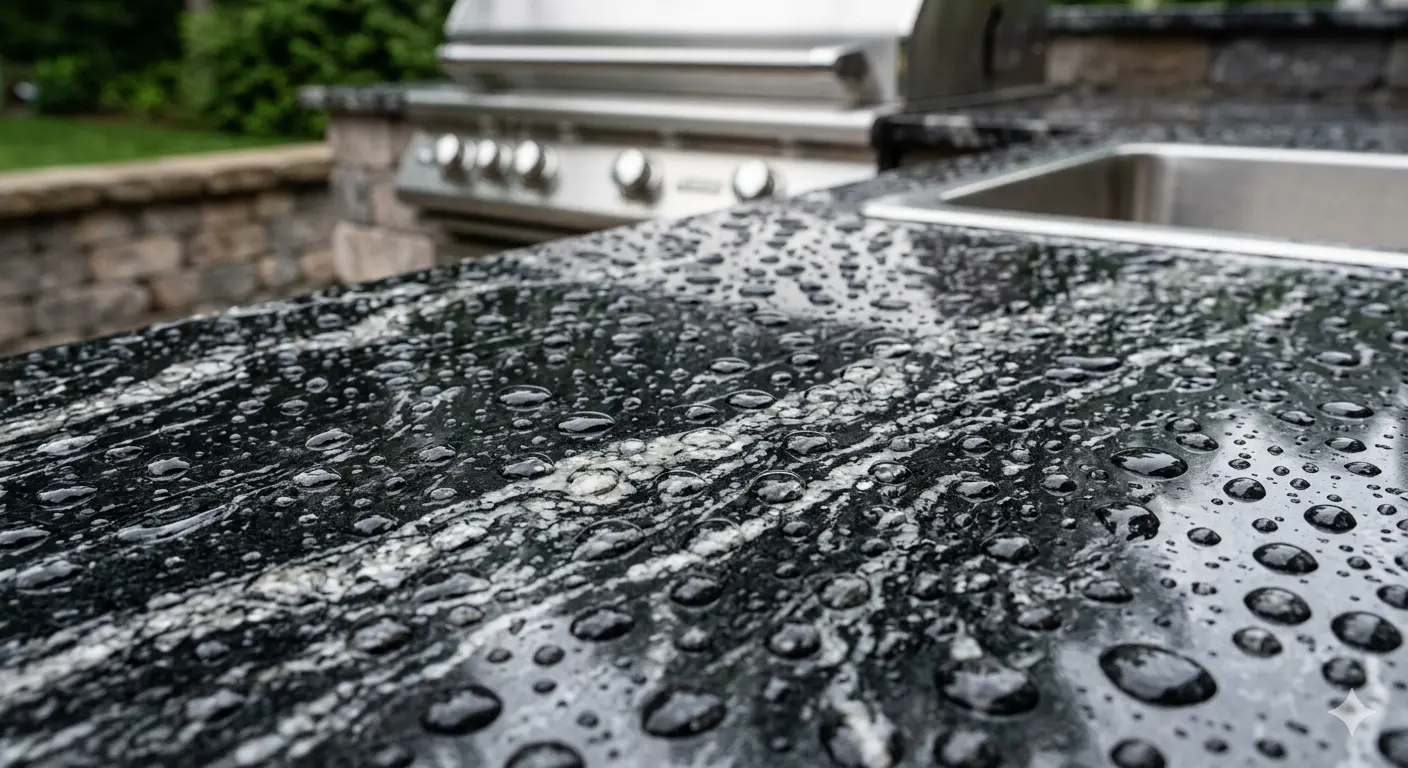
Quality countertops are an investment that can pay off when it's time to sell. Natural stones like marble and granite are widely regarded as luxury materials, and their presence tends to elevate a home's perceived value. Engineered stones like quartz appeal to buyers who prioritize low maintenance and consistent performance. Porcelain is also gaining traction, driven by its durability and design versatility. Both natural and engineered stone options carry resale merit; the right choice depends on who you're selling to and what they value most.
Conclusion
Choosing between engineered and natural stone countertops ultimately comes down to your priorities. If timeless beauty, organic character, and luxury appeal drive your decision, natural stones like granite, marble, and quartzite deliver an aesthetic that no manufactured material can fully replicate. If consistency, low maintenance, and predictable pricing matter more, engineered options like quartz and porcelain are hard to beat.
Neither category is universally superior. The right choice depends on how you use your space, what you're willing to invest in upkeep, and the look you're working toward. Take the time to visit a showroom, handle actual slabs, and compare options side by side before committing. A countertop is a long-term investment, and the material you choose should work as hard as your space demands while reflecting the style you want to live with for years to come. Work with a trusted stone supplier to ensure quality materials and expert guidance from selection to installation.
Frequently Asked Questions
Which is better for kitchen countertops: natural stone or engineered stone?
It depends on your kitchen's demands. Natural stones like granite and quartzite excel in high-heat, high-traffic kitchens due to their hardness and heat resistance. Engineered options like quartz and porcelain suit homeowners who prefer low-maintenance surfaces that resist staining without regular sealing. Both perform well in kitchen environments; the deciding factor is how much upkeep you're willing to commit to.
Do natural stone countertops require more maintenance than engineered stone?
Generally, yes. Most natural stones are porous to varying degrees and benefit from periodic sealing to protect against stains and moisture. Marble and travertine require the most attention, while granite and quartzite are more resilient. Engineered stones like quartz are non-porous, eliminating the need for sealing and making routine cleaning far more straightforward.
Are engineered stone countertops less expensive than natural stone?
Not always, but engineered stones like quartz and porcelain tend to fall within a more stable and predictable price range because they are manufactured to consistent standards. Natural stone pricing fluctuates based on the type of stone, its rarity, and where it was quarried. Entry-level granite and travertine can be competitively priced, while premium marble and quartzite slabs can exceed the cost of high-end engineered options.
Can engineered stone countertops withstand heat as well as natural stone?
Porcelain comes closest to matching natural stone's heat resistance among engineered options. Quartz, however, contains resin binders that make it more vulnerable to thermal shock, so placing hot pots and pans directly on the surface is not recommended. Granite and quartzite handle heat without risk of damage, making them the stronger performers in cooking-intensive environments.
Does the countertop material I choose affect my home's resale value?
Yes, countertop material can influence buyer perception and resale appeal. Natural stones like marble and granite are widely associated with quality and luxury, which can make a property more attractive in higher-end markets. Engineered stones like quartz also add value, particularly for buyers who prioritize durability and ease of maintenance. Porcelain slabs are growing in popularity as well. Investing in quality countertop materials, whether natural or engineered, tends to reflect positively when it comes time to sell.