When it comes to selecting surfaces for kitchens, bathrooms, or outdoor living areas, few materials generate as much enthusiasm among designers and homeowners as porcelain slabs. These large-format engineered surfaces have quietly become one of the most sought-after options in modern interior design, and for good reason. Whether you are considering them for countertops, flooring, or statement wall applications, understanding what sets porcelain apart from other materials will help you make a well-informed decision. Browsing our full slab collection reflects just how expansive and versatile this material category has become.
Here are five essential facts worth knowing before you commit to this surface:
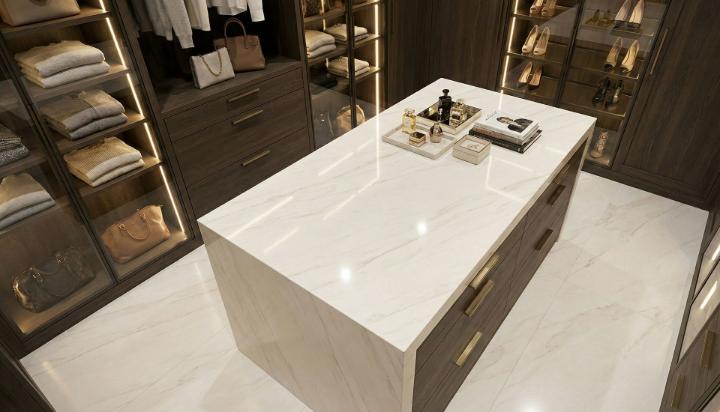
Fact 1: Porcelain Slabs Are Engineered Under Extreme Conditions
The superior performance of porcelain slabs begins at the manufacturing stage. These surfaces are produced by combining natural raw materials, including kaolin clay, feldspar, and quartz, which are then fired at temperatures ranging between 2,192°F and 2,552°F. This intense heat causes a process called vitrification, where the particles fuse together at a molecular level, resulting in an exceptionally dense and uniform material.
This process is what makes large-format porcelain fundamentally different from standard ceramic tile. The molecular bonding achieved during firing creates a surface with minimal porosity, extraordinary hardness, and resistance to mechanical stress. Porcelain slabs can provide strong scratch and wear resistance, but performance varies by product, surface treatment, and finish. Review the manufacturer's technical specifications before selecting a slab for a high-use application.
For homeowners exploring surface options, This Old House offers a helpful overview of stone countertop materials that puts porcelain's strength into broader context alongside other popular choices.
Fact 2: The Non-Porous Surface Simplifies Sealing Needs
Porcelain slabs generally have very low water absorption and typically do not require sealing. However, care requirements can vary by product, finish, joints, and installation system, so the manufacturer's instructions should be followed. Natural stone sealing requirements also vary by material and slab.
Most everyday spills can be removed with a soft cloth and a suitable mild cleaner. Wipe spills promptly and follow the manufacturer's care instructions, particularly for polished, textured, or specially treated surfaces.
This is particularly relevant in kitchens and bathrooms where moisture is a constant factor. If you are based in Northern Nevada or California and want to see these surfaces in person, our Reno showroom carries a wide range of porcelain slab options available for viewing alongside our design team.
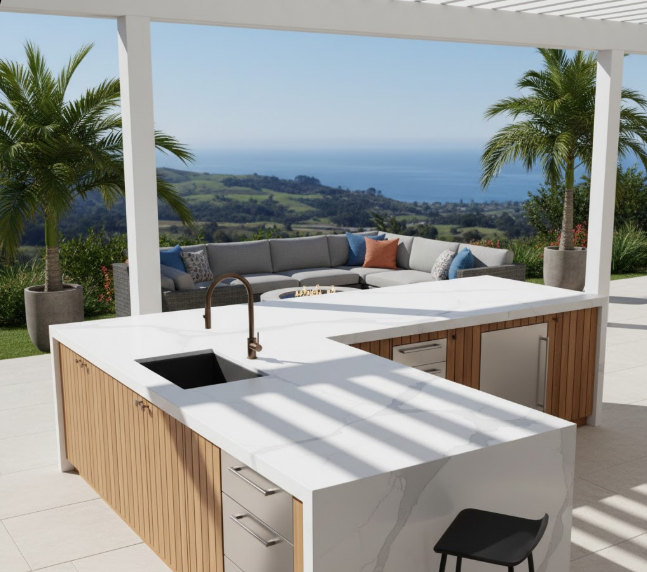
Fact 3: Heat and UV Performance Varies by Product and Application
Porcelain slabs can offer good heat resistance, but hot cookware should not be placed directly on the surface. Use trivets or heat-resistant pads to reduce the risk of thermal stress and damage to the slab or installation system.
Some porcelain slabs are approved for exterior applications, while others are intended only for indoor use. UV exposure, moisture, freeze-thaw conditions, temperature changes, slip resistance, finish, substrate, and installation requirements must be confirmed for the specific product.
The Fine Homebuilding guide to natural and engineered countertops provides additional context on how porcelain compares to other surface materials in terms of thermal and UV performance across both indoor and outdoor settings.
Fact 4: Design Versatility Rivals Natural Stone
A common misconception about porcelain slabs is that they look synthetic or lack the visual depth of natural materials. In practice, advances in digital printing technology have made it possible to replicate the veining of Carrara marble, the texture of slate, the warmth of hardwood grain, the raw character of concrete, and numerous other finishes with impressive accuracy.
This design flexibility is one of the key reasons porcelain has grown so popular among interior designers. It allows homeowners to achieve the aesthetic of high-end natural materials while benefiting from the performance characteristics of an engineered surface. Large-format slabs also reduce or eliminate visible seam lines, creating a cleaner, more expansive look across countertops, feature walls, and flooring applications.
For those who want expert guidance narrowing down the right surface for their space, our team offers free design consultations to help match materials to your specific project needs and style preferences. If you are in the Sacramento area, our Sacramento showroom is a great place to explore the full range of available finishes in person.

Fact 5: Environmental Performance Depends on the Product
The environmental profile of a porcelain slab depends on its raw materials, manufacturing process, energy use, transportation, expected service life, and available recycling options. These characteristics vary among manufacturers and products.
When environmental performance is important, request product-specific documentation such as an Environmental Product Declaration, recycled-content information, manufacturing certifications, or disposal and recycling guidance. Avoid assuming that every porcelain slab is fully recyclable or produced using energy-efficient technology.
For a closer look at our porcelain slab options or to get a tailored estimate, you can submit a slab quote request directly through our website.
Conclusion
Porcelain slabs can offer durability, design flexibility, and relatively simple care when the selected product is appropriate for the intended application. Their performance varies by product, finish, fabrication, substrate, and installation system.
Nova Tile and Stone carries a wide selection of engineered slabs, including porcelain options that span a broad range of finishes, formats, and applications. To get started, book an appointment with one of our design experts and explore what porcelain can do for your space.
Frequently Asked Questions
Do porcelain slabs require sealing?
Porcelain slabs generally do not require sealing because they have very low water absorption. However, requirements may vary by product, finish, joints, and installation system. Follow the manufacturer's care and installation instructions for the specific slab.
Can porcelain slabs be used outdoors?
Some porcelain slabs are approved for outdoor use, but exterior suitability should be confirmed for the specific product. Consider UV exposure, moisture, freeze-thaw conditions, temperature changes, finish, slip resistance, substrate, and installation requirements before selection.
How does porcelain compare to quartz in terms of durability?
Porcelain and engineered quartz can both provide durable surfaces, but their performance differs by product. Porcelain may offer better UV and heat resistance in some applications, while engineered quartz can be sensitive to prolonged sunlight and high temperatures. Compare the technical specifications and warranties of the exact products.
Are large-format porcelain slabs suitable for countertops?
Many large-format porcelain slabs are designed for kitchen and bathroom countertops. Suitability depends on the product's thickness, finish, edge requirements, support, fabrication, and installation system. Confirm the manufacturer's approved applications before selection.
What finishes are available for porcelain slabs?
Porcelain slabs are available in finishes such as polished, matte, satin, and textured, although the options vary by manufacturer and product line. Confirm the finish, care requirements, slip-resistance data, and approved applications for the specific slab.
Note: Some images on this page may be conceptual renderings created to illustrate design possibilities and may not depict actual installations.