Porcelain tile is a dense, durable flooring and wall covering material manufactured by firing refined clay at temperatures between 2,300-2,400°F, creating a non-porous surface with less than 0.5% water absorption. This high-temperature firing process distinguishes porcelain from standard ceramic tile, resulting in superior moisture resistance, enhanced durability, and suitability for both indoor and outdoor applications. Porcelain tiles are categorized by Class ratings (1-5 for traffic resistance) and Grade ratings (quality indicators), with Class 5 and Grade 1 representing the highest performance standards. Available in wall tiles, floor tiles, and mosaic varieties, porcelain offers design versatility across residential and commercial spaces while requiring minimal maintenance. The material's impermeable nature makes it ideal for moisture-prone environments like bathrooms, kitchens, and outdoor patios, where its freeze-thaw resistance and stain-proof properties deliver long-term performance.
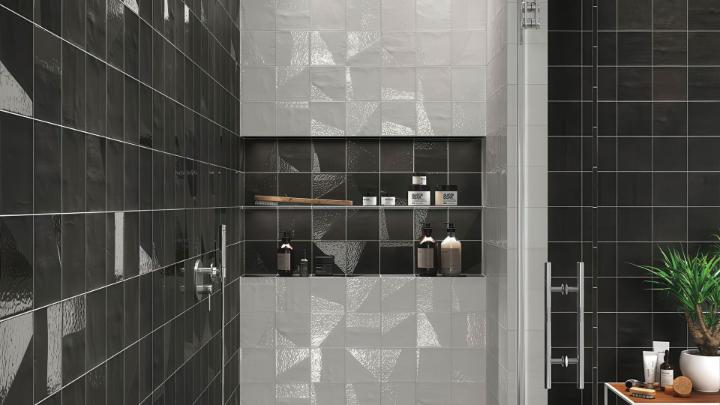
The Art of Porcelain Manufacturing: Combining Resilience with Aesthetics
Manufacturing porcelain tiles represents a craft that unites heritage with modern techniques. Distinct from ceramic alternatives, porcelain experiences an intensive procedure, exposed to extreme temperatures that grant it extraordinary strength and durability. Heat levels reaching approximately 2,300 to 2,400 degrees Fahrenheit convert clay into a substance that surpasses basic flooring applications, establishing itself as an embodiment of refinement and longevity.
The finished material exhibits a compactness and firmness comparable to natural stone, yet offers a unique benefit: a surface free from pores. This impermeable characteristic provides porcelain tiles with exceptional resistance to moisture and humidity, positioning them as an optimal selection for environments vulnerable to wet conditions, including bathrooms and kitchens.
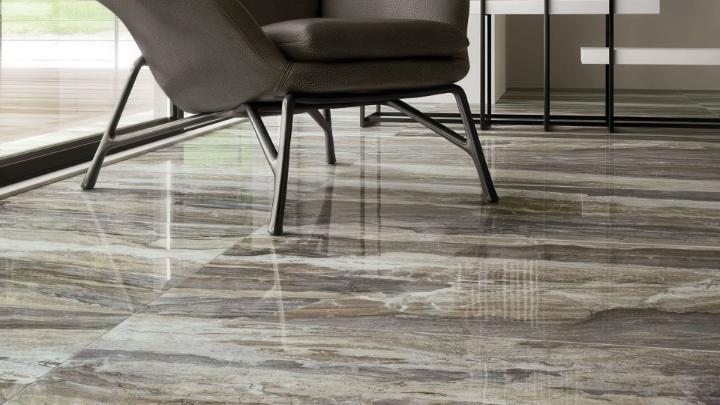
Discovering the Range of Porcelain Options
Porcelain tiles present an extensive range of options, each designed to address particular requirements and tastes. From enhancing walls to covering floors, porcelain's adaptability remains boundless.
Wall Tiles:
Enhancing interior spaces with their appeal, porcelain wall tiles provide opportunities for artistic expression. Whether decorating bathroom walls or developing striking focal elements in living areas, these tiles merge practicality with visual attractiveness. Featuring styles spanning from traditional to modern, porcelain wall tiles establish new standards of sophistication with every installation.
Floor Tiles:
Entering the domain of resilience, porcelain floor tiles stand as exemplars of lasting performance. Repelling water and tolerating consistent foot traffic, these tiles demonstrate unwavering dependability. Beyond practical benefits, they introduce an element of refinement to kitchens and bathrooms, converting ordinary areas into spaces of distinction.
Mosaic Wall Tiles:
Celebrating detailed craftsmanship, mosaic porcelain tiles construct narratives of artistic expression. Positioned in captivating layout configurations on mesh foundations, they introduce spaces with creative flair. Ideal for kitchen backsplashes or highlighting shower alcoves, mosaic tile sizes expand the possibilities of design innovation.

Evaluating Excellence: Selecting Premium Porcelain Tiles
Choosing the ideal porcelain tile requires understanding a framework of classifications and quality indicators. Recognizing these differences guarantees a selection that aligns with both design preferences and functional needs.
Class and Grade: Examining the aspect of durability, Class and Grade designations reveal the tile's appropriateness for different uses. While Class 5 porcelain stands as a robust option against intensive foot traffic, Grade 1 represents quality, demonstrating both substantial thickness and strength.
Color and Design: Beyond structural characteristics exists the domain of visual appeal. Porcelain tiles attract attention with a diverse array of colors and patterns, encouraging exploration beyond conventional white options. From striking shades to complex designs, these tiles present a platform constrained only by creative vision.
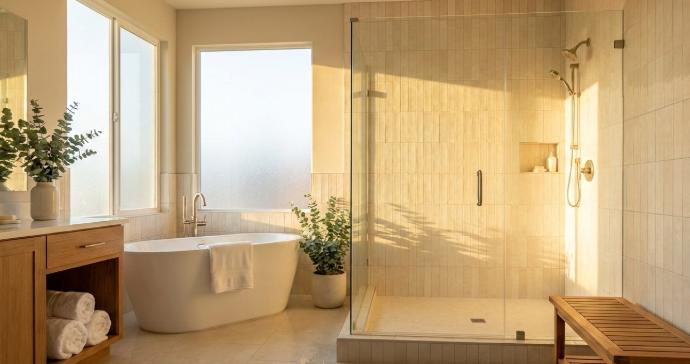
Where Aesthetics Intersect with Function: Maximizing Porcelain's Advantages
The attraction of porcelain tiles reaches well beyond visual characteristics, incorporating functionality seamlessly. Their water-resistant surface establishes them as perfect for spaces challenged by moisture, including bathrooms and entryways. Additionally, their simple maintenance requirements position them as a preferred choice for kitchens, where spills present only brief disruptions. Visit a local showroom to experience the quality firsthand and discover the complete tile and stone collection.
Conclusion
Porcelain tiles deliver an exceptional combination of aesthetic versatility and practical performance that few flooring materials can match. Their superior manufacturing process creates a dense, non-porous surface capable of withstanding moisture, heavy traffic, and daily wear while maintaining visual appeal across decades of use. Whether you're renovating a bathroom, upgrading a kitchen, or designing commercial spaces, porcelain tiles offer solutions that align with both functional requirements and design aspirations. Understanding the classifications, varieties, and inherent advantages of porcelain empowers you to make informed decisions that elevate your spaces. For installations that demand lasting quality and professional results, consult with experienced tile professionals who can ensure proper application and maximize the longevity of your investment.
Frequently Asked Questions
What distinguishes porcelain tile from ceramic tile?
Porcelain tile undergoes firing at significantly higher temperatures (2,300-2,400°F) compared to ceramic, creating a denser, less porous material. This manufacturing difference results in superior water resistance, increased durability, and enhanced strength. While ceramic tiles work well for light-traffic areas, porcelain's composition makes it suitable for high-traffic zones and moisture-prone environments where ceramic may fail over time. Explore the complete tile collection to compare options.
Can porcelain tile be installed in outdoor applications?
Yes, porcelain tile performs exceptionally well in outdoor settings due to its minimal water absorption rate and resistance to temperature fluctuations. The non-porous surface prevents water from penetrating and causing freeze-thaw damage in colder climates. However, professional installation remains essential to ensure proper substrate preparation, appropriate adhesive selection, and correct grout application that can withstand exterior conditions. Browse Contemporary slate look porcelain tile for outdoor applications.
How do Class and Grade ratings affect porcelain tile selection?
Class ratings (1-5) indicate a tile's resistance to wear from foot traffic, with Class 5 representing the highest durability for commercial and heavy residential use. Grade ratings reflect manufacturing quality and consistency. Grade 1 porcelain demonstrates superior thickness, uniformity, and structural integrity. Review industry standards for detailed specifications. Matching these ratings to your specific application ensures optimal performance and longevity in your intended space, whether selecting Terrazzo matte finish porcelain tile or other styles.
Does porcelain tile require special maintenance or cleaning products?
Porcelain tile ranks among the lowest-maintenance flooring options available. Regular sweeping or vacuuming combined with damp mopping using pH-neutral cleaners maintains its appearance effectively. The non-porous surface resists staining and prevents bacteria growth, eliminating the need for harsh chemicals or specialized treatments. Avoid abrasive cleaners that may damage decorative finishes on textured or glazed varieties. Learn more about us and discover options like Voyage marble look porcelain tile that combine beauty with easy maintenance.
What thickness of porcelain tile should I choose for floor installations?
Floor porcelain tiles typically range from 8mm to 12mm in thickness for residential applications. Standard 10mm thickness suits most residential floors with proper substrate preparation. High-traffic commercial spaces may require thicker options (12mm or greater) for enhanced durability. Tile thickness also affects underfloor heating compatibility and transition heights between rooms, factors that professional installers evaluate during project planning. Visit industry resources for installation guidance or explore options like Crystal quartzite look porcelain tile and Cascade metallic look porcelain tile.