Porcelain tile abrasion resistance is commonly classified using the PEI (Porcelain Enamel Institute) rating scale, which ranges from PEI Grade 1 (wall use only) to PEI Grade 5 (heavy commercial traffic). Most residential floors typically use PEI Grade 3 tiles, which are designed to withstand moderate foot traffic. It is important to note that PEI ratings measure surface abrasion resistance only and do not indicate overall tile quality; for instance, a PEI Grade 1 wall tile can be comparable to a PEI Grade 5 floor tile in terms of craftsmanship, water resistance, and aesthetic value.
PEI Grade 2 tiles are suitable for light residential floor applications such as bedrooms and low-traffic bathrooms, while PEI Grade 4 tiles perform well in commercial environments and high-traffic residential areas like mudrooms. PEI Grade 5 tiles are engineered to endure extreme wear and are commonly specified for schools, hospitals, and industrial facilities. Regardless of PEI rating, all porcelain tiles have a water absorption rate of 0.5% or less, classifying them as impervious and making them appropriate for moisture-prone areas.
In addition to abrasion resistance, tile selection should account for slip resistance in accordance with ANSI A137.1 standards. This standard references the DCOF AcuTest, which recommends a minimum dynamic coefficient of friction (DCOF) value of 0.42 for level interior floors expected to be exposed to moisture. Evaluating both PEI ratings and ANSI-compliant DCOF values ensures the selected tile meets the durability and safety requirements of its intended installation environment.
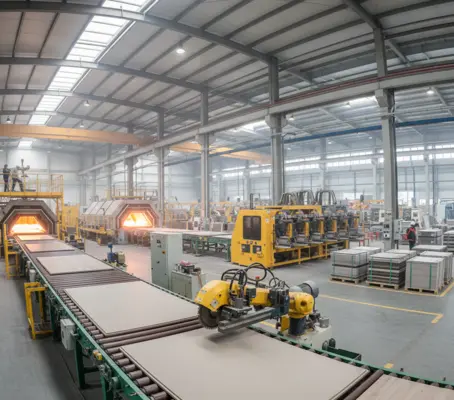
How Porcelain Tiles Are Manufactured
Both ceramic and porcelain tiles originate from natural materials and experience kiln-firing, creating durable products widely applied for floors, walls, and decorative elements. Nevertheless, notable distinctions exist in their material composition, production methodology, and functional performance.
Material Composition and Structural Integrity
Ceramic tiles consist predominantly of natural clay, which undergoes shaping before firing. Porcelain tiles feature a more sophisticated blend, generally incorporating finely processed sand, feldspar, silica, and kaolin clay. This formulation creates denser, less porous porcelain compared to ceramic.
Production Methodology
Porcelain’s exceptional strength and moisture resistance originate from its manufacturing process. Porcelain tiles are formed under intense pressure and fired at significantly higher temperatures, often reaching nearly 2,500°F. This process results in a tile with a water absorption rate of less than 0.5%, making it ideal for moisture-heavy environments such as bathrooms, kitchens, and exterior applications. A representative example is the Contemporary Slate Look Porcelain Tile.
In contrast, ceramic tiles are more porous and typically require glazing to effectively resist water infiltration.
Porcelain Tile Production: Detailed Breakdown
1. Raw Material Blending
Production commences with precisely proportioned raw materials including clay, feldspar, silica sand, and additional minerals. These elements combine with water, forming a consistent slurry.
2. Spray Drying
The slurry passes through a spray dryer, which removes excess moisture. This process produces a fine, powdered material with optimal consistency for pressing into tile shapes.
3. Tile Compression
The dried compound undergoes compression via hydraulic press. This phase molds the tile and enhances its density. The outcome, termed greenware, remains unfired and unglazed at this point.
4. Drying & Surface Application
After forming, tiles dry to remove residual moisture. High-definition inkjet technology applies patterns, textures, and pigments. Glaze often follows to strengthen surface resilience and visual qualities.
5. Kiln Firing
Tiles ultimately fire in a kiln at exceptionally elevated temperatures, occasionally reaching 2,500°F. This vitrification stage bonds materials together, generating a hard, non-porous, exceptionally durable surface resistant to scratches, staining, and moisture.
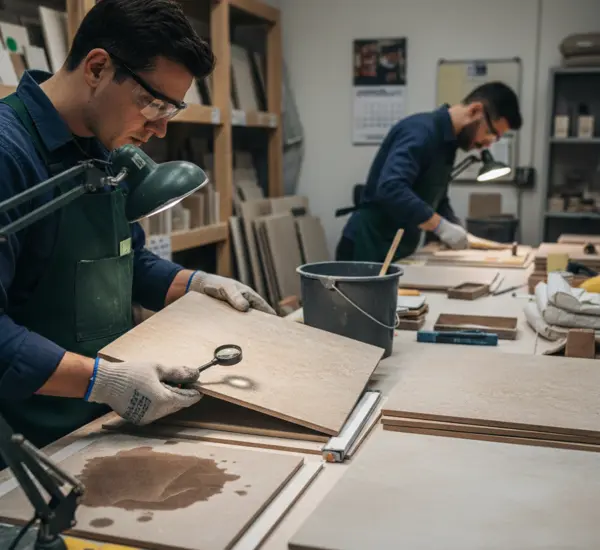
Factors That Determine Tile Grade Classification
Porcelain tile quality depends on the materials used in manufacturing, as indicated by porcelain tile certification, but it primarily depends on tile thickness. Thin, Grade 1 tiles are not of inferior quality compared to higher-grade classifications; they simply serve different functions. A thicker, more resilient tile may be better suited for high-traffic flooring, while a thinner, lighter porcelain tile is ideal for wall installations.
The PEI scale organizes tile types as follows:
Grade 1
The least resilient porcelain tile, Grade 1 applies exclusively to wall installations. It's inappropriate for floors or countertops. These remain popular for kitchen backsplashes or bathroom walls since they still deliver numerous advantages of stronger porcelain tiles, including water and stain resistance, appealing patterns and colors, plus minimal maintenance requirements.
Grade 2
For low-traffic areas such as bathrooms or bedrooms, Grade 2 tiles can be used as flooring. They are not designed to withstand heavy foot traffic and should not be used for commercial floor installations. This versatile tile also works exceptionally well as a wall covering. Explore our tile and stone collection to find the perfect options for your space.
Grade 3
Most residential floor installations utilize Grade 3. They accommodate moderate foot traffic and routine wear, proving suitable for light commercial applications like offices or compact retail spaces. Grade 3 tiles work perfectly for residential kitchens, family rooms, and hallways, plus perform well on countertops. They also function outdoors as porcelain tile.
Grade 4
For most commercial environments, Grade 4 tile receives recommendation. It's engineered for heavy traffic and frequently appears in restaurants, retail shops, offices, and other locations requiring durable, easy-maintenance flooring. Many homeowners select these for laundry rooms and mudrooms, or as exterior porcelain pavers for patios.
Grade 5
The most resilient porcelain tiles, Grade 5 applies to locations with extremely heavy foot traffic and substantial wear demands. They're prevalent in schools, hospitals, grocery stores, and industrial facilities. Grade 5 tiles resist harsh chemicals, though their primary emphasis on durability means they offer fewer color and pattern options.

Additional Factors When Selecting Tile
PEI ratings for porcelain tile highlight the tile's strength and resilience, yet other factors matter when identifying the optimal tile for your project. These include:
Coefficient of friction, which calculates the effort required to move an object across the tile surface and signals slip resistance. The suggested COF reaches at least 0.6 for flat surfaces and 0.8 for ramps and inclines. Based on your installation location, you may want a higher COF; for example, slip-resistant tiles receive recommendation for bathrooms, kitchens, and other moisture-prone zones.
Shade variation characterizes the differences in color, texture, or design among tiles from identical production runs. Variations span from nearly consistent to highly diverse, producing a distinctive, artistic appearance. Tile selection proves equally important. Evaluate size, shape, mosaic configurations, and colors to align with your design requirements.
Browse Nova Tile and Stone's website or shop localto discover our porcelain tile selection, including porcelain wall tile. Each listing supplies critical information, including recommended applications, COF, dimensions, and more. We provide tiles appropriate for every purpose, style, and budget.
Conclusion
Selecting the appropriate porcelain tile grade transforms from overwhelming to straightforward once you understand the PEI rating system. This standardized classification empowers you to match tile durability with your specific application needs, whether installing wall coverings in a guest bathroom or flooring in a bustling commercial kitchen. Remember that higher grades don't inherently mean better quality, they simply indicate enhanced abrasion resistance for demanding environments.
Grade 1 tiles deliver exceptional beauty and water resistance for walls, while Grade 5 tiles provide unmatched durability for industrial settings. By considering PEI ratings alongside factors like coefficient of friction, shade variation, and your design vision, you'll confidently choose porcelain tiles that perform beautifully for years to come. Take time to evaluate your space's traffic patterns, moisture exposure, and functional requirements before making your final selection, ensuring your investment delivers both aesthetic appeal and lasting performance.
Note: Some images on this page may be conceptual renderings created to illustrate design possibilities and may not depict actual installations.
Frequently Asked Questions
Can I use Grade 3 porcelain tile in my bathroom shower?
Yes, Grade 3 porcelain tile works excellently for bathroom showers. While the PEI rating addresses abrasion resistance, porcelain's inherent water absorption rate below 0.5% makes it naturally suitable for wet environments. For shower floors, prioritize tiles with a higher coefficient of friction (at least 0.6) to prevent slipping. Grade 3 tiles handle moderate foot traffic and moisture exposure, making them ideal for residential bathroom applications including shower walls and floors.
What's the difference between porcelain tile grades and quality?
Porcelain tile grades measure abrasion resistance and durability rather than manufacturing quality or aesthetic value. A Grade 1 tile designed for walls can exhibit the same superior craftsmanship, water resistance, and visual appeal as a Grade 5 tile built for industrial floors. The grade simply indicates appropriate usage based on expected wear. All porcelain tiles undergo the same rigorous high-temperature firing process; the grade classification helps you match the tile's hardness level with your installation location's traffic demands.
Are Grade 5 porcelain tiles worth the investment for residential homes?
Grade 5 tiles typically exceed residential requirements unless you're installing flooring in extremely high-traffic areas like busy mudrooms or commercial-style kitchens. Most homeowners find Grade 3 or Grade 4 tiles provide sufficient durability for residential applications while offering broader design selections. Grade 5 tiles prioritize function over aesthetics, resulting in limited color and pattern choices. Consider Grade 4 for areas like entryways and laundry rooms where enhanced durability proves beneficial without sacrificing design flexibility.
How does the coefficient of friction relate to PEI ratings?
PEI ratings and coefficient of friction measure different performance characteristics. PEI ratings evaluate abrasion resistance and surface hardness, determining where tiles withstand wear from foot traffic. Coefficient of friction measures slip resistance, indicating how much traction the tile surface provides. A Grade 5 tile with exceptional durability might have low slip resistance without proper texturing. When selecting tiles for wet areas or high-traffic zones, examine both ratings, choose the appropriate PEI grade for durability needs, then verify the COF meets safety requirements for your specific application.
Can Porcelain Tile Grades Be Installed Outdoors?
Grades 3, 4, and 5 porcelain tiles are well-suited for outdoor installations due to their low water absorption rates and durability. However, outdoor applications require considerations beyond PEI ratings. If you live in a climate with freezing temperatures, ensure the tile is frost-resistant, as water expansion can cause cracking. Choose tiles with a higher coefficient of friction (minimum 0.6) to maintain slip resistance on patios and walkways. Grade 4 and Grade 5 tiles are especially suitable for high-traffic outdoor areas, such as commercial patios or poolside installations, where both durability and safety are essential. Visit our about us page to learn more about our company and the range of tiles we offer.