Elevating Property Worth With Strategic Tile Choices
Savvy property owners recognize that strategic material selection directly impacts resale potential. Porcelain tiles represent one of the smartest upgrades you can implement, delivering immediate visual appeal and lasting performance that prospective buyers actively seek.
Unlike temporary cosmetic fixes, porcelain installation creates tangible equity increases through its combination of aesthetic versatility, structural resilience, and minimal upkeep requirements. Real estate professionals consistently report that updated tile work ranks among the top five renovation features that accelerate sales and command premium pricing.
This guide reveals exactly how porcelain tiles amplify property worth, which applications deliver maximum returns, and how to select finishes that attract today's discerning buyers.
The Financial Impact of Quality Porcelain Tiles
Premium tile installation stands out during property evaluations because it signals meticulous maintenance and quality-conscious ownership. Appraisers specifically note updated surfaces when calculating comparable market values, particularly in kitchens and bathrooms where material durability directly affects longevity estimates.
Key value drivers include:
- Reduced replacement cycles: Porcelain's 50+ year lifespan eliminates future renovation concerns for buyers
- Lower insurance premiums: Water-resistant surfaces in wet areas reduce potential damage claims
- Energy efficiency: Thermal mass properties help stabilize indoor temperatures, cutting utility costs
- Universal appeal: Neutral porcelain finishes attract broader buyer demographics than trendy alternatives
Renovations featuring high-quality porcelain options typically recover 70-85% of installation costs at resale, with kitchen backsplash updates averaging 78% return on investment according to remodeling cost analyses. This outperforms most decorative upgrades while providing immediate enjoyment during ownership.
Porcelain vs. Other Tile Materials: Property Value Comparison
Feature | Porcelain Tiles | Ceramic Tiles | Natural Stone | Vinyl/Laminate |
Lifespan | 50+ years | 20-30 years | 30-40 years | 10-15 years |
Water Absorption | <0.5% | 3-7% | 1-5% | Variable |
Resale Appeal | Excellent | Good | Very Good | Fair |
ROI Impact | 70-85% | 60-70% | 65-75% | 40-55% |
Maintenance Cost | Minimal | Low | Moderate-High | Moderate |
Buyer Perception | Premium quality | Standard upgrade | Luxury material | Budget option |
Strategic Applications That Maximize Returns
Placement decisions significantly influence how buyers perceive value. Focus installation efforts where visual impact and functional benefits intersect for optimal appraisal outcomes.
Kitchen Backsplash Upgrades
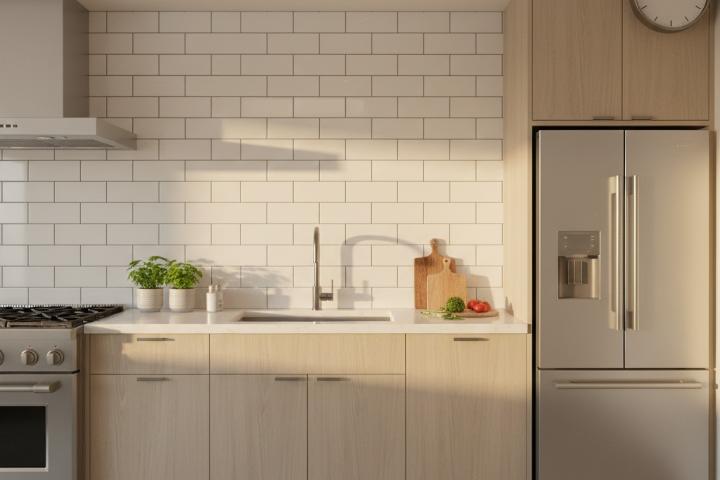
Kitchen backsplash applications deliver disproportionate value relative to material investment. A refreshed backsplash immediately modernizes the space while protecting walls from cooking splatter and moisture damage.
White porcelain tiles remain the safest choice for maximum buyer appeal, creating clean backdrops that accommodate any cabinet color or countertop material. Classic subway tile patterns particularly resonate with buyers seeking timeless design that won't require updating.
Bathroom Renovations
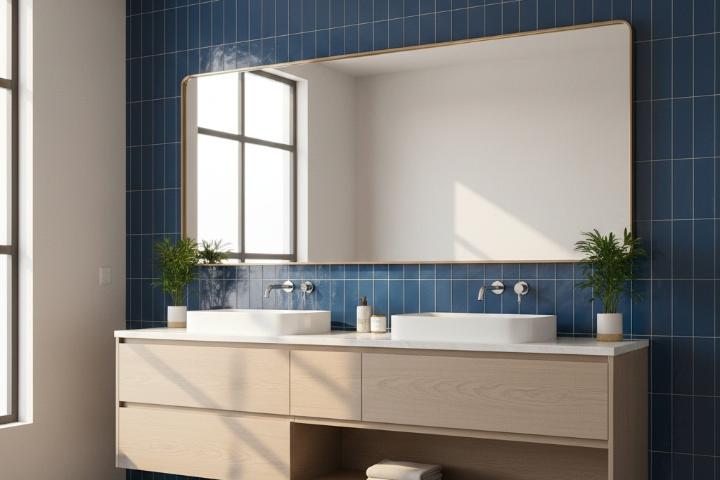
Comprehensive bathroom updates using porcelain yield exceptional returns because buyers heavily weight these spaces during property evaluations. Dated bathroom finishes frequently become negotiation leverage, while refreshed surfaces eliminate concerns.
Marble porcelain tiles deliver luxury aesthetics without the maintenance burden of genuine marble, appealing to buyers who want elegance with practicality. The natural stone appearance elevates perceived quality while maintaining the easy-care properties that busy homeowners require.
Entryway and Mudroom Installations
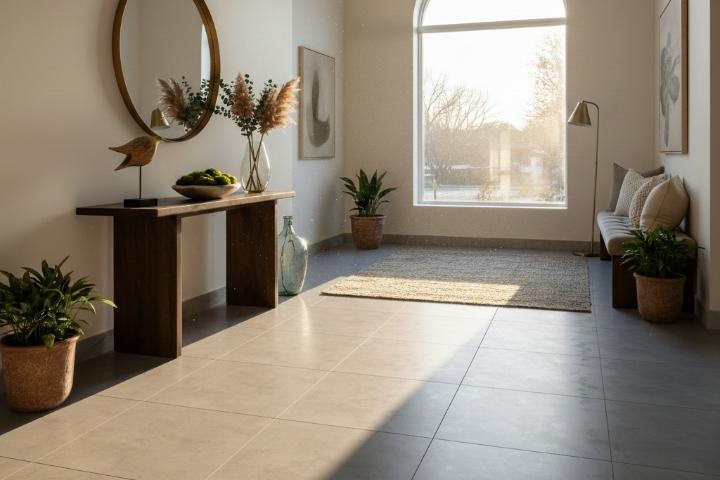
First impressions begin at the entry, where matte porcelain tiles provide slip-resistant surfaces that handle weather exposure without showing wear. These practical installations demonstrate thoughtful design while protecting flooring investment.
Porcelain tiles in entryways create memorable focal points that distinguish properties from competing listings. Thoughtful color application signals attention to detail that extends throughout the home, building buyer confidence in overall property condition.
Outdoor Living Spaces
Porcelain decking and patio installations represent emerging value opportunities as outdoor living areas gain importance in buyer priorities. Frost-proof porcelain withstands temperature extremes while maintaining appearance, unlike natural stone that chips and degrades.
Tiles harmonize with landscaping while providing durable surfaces for furniture placement and entertaining areas. These installations expand perceived living space, a critical factor in property valuations.
Design Selection for Broad Market Appeal
Strategic finish and color choices ensure renovations attract the widest buyer pool rather than reflecting personal taste that might limit market size.
Color Psychology in Property Sales
Black porcelain tiles work best as accent elements rather than dominant surfaces, creating definition without overwhelming spaces. Strategic black tile borders or inset details add sophistication while maintaining neutral foundation colors.
Timeless color schemes incorporating soft neutrals enable buyers to visualize their furnishings in the space, reducing psychological barriers to making offers.
Finish Selection Guidelines
Ceramic porcelain tiles with textured surfaces provide visual interest without the maintenance concerns of heavily sculpted alternatives. Subtle texture adds dimension while maintaining cleaning ease that appeals to time-conscious buyers.
Contemporary preferences lean toward matte porcelain tiles that eliminate harsh glare and conceal minor wear better than glossy alternatives. This finish choice particularly suits floor applications where high-traffic patterns might show on reflective surfaces.
Pattern and Layout Considerations
Installation patterns influence spatial perception and style longevity. Classic layouts like running bond or straight stack remain neutral choices that avoid dating properties with trend-specific patterns.
Large-format porcelain minimizes grout lines for streamlined contemporary aesthetics that photograph well in listings. Conversely, traditional subway tile dimensions provide familiar comfort that broad buyer demographics recognize and appreciate.
Selecting Quality Porcelain for Investment Properties
Material quality directly affects installation longevity and buyer perception. Distinguishing genuine porcelain from lesser alternatives protects renovation investments.
Verification and Certification
Reputable suppliers provide porcelain certification documentation confirming water absorption rates below 0.5%, the defining characteristic separating true porcelain from ceramic alternatives labeled as porcelain.
Certified products guarantee performance standards that maintain appearance and integrity throughout ownership, eliminating premature replacement costs that erode property value gains.
Professional Installation Requirements
Professional installation preserves manufacturer warranties and ensures proper substrate preparation, waterproofing, and adhesive selection that DIY approaches often compromise. Buyers increasingly request installation documentation during due diligence, recognizing that proper technique affects longevity.
Quality installation also prevents common failures like hollow spots, lippage, and grout deterioration that create negative impressions during property tours.
Sample Evaluation Process
Physical samples reveal true color, finish characteristics, and quality indicators that online images cannot convey. Requesting samples enables side-by-side comparison with existing finishes and lighting condition testing.
Evaluating samples under natural daylight and artificial lighting prevents color mismatches that could require costly corrections. This step particularly matters for large-area installations where subtle tone variations become pronounced.
Comprehensive Product Selection
Accessing diverse inventory ensures finding exact matches for existing installations or complementary materials for multi-surface renovations. Full product lines provide consistent quality across different tile types, simplifying specification and ordering.
Working with knowledgeable suppliers who understand property value implications helps prioritize selections that balance aesthetic goals with resale considerations. Expert guidance prevents trendy choices that might limit future buyer appeal.
Porcelain Installation: Pros and Cons for Property Owners
Advantages:
- Exceptional durability withstands decades of use without replacement needs
- Water impermeability prevents moisture damage in wet areas, protecting structural integrity
- Stain resistance maintains appearance despite exposure to cooking oils, wine, and household chemicals
- Fade resistance preserves color in sunlit areas where other materials deteriorate
- Design versatility accommodates any aesthetic from contemporary to traditional
- Increased buyer confidence through premium material perception
Considerations:
- Higher initial investment compared to vinyl or basic ceramic alternatives
- Professional installation recommended for warranty protection and proper performance
- Cold surface temperature in unheated spaces without radiant heating
- Weight considerations may require structural evaluation for upper-floor installations
- Hard surface acoustics transmit sound differently than carpet or cork
- Cutting difficulty requires specialized tools for field modifications
5-Step Process for Value-Maximizing Tile Selection
Step 1: Assess Current Property Position
Evaluate existing finishes, target buyer demographics, and comparable property features in your market. Understanding what competitors offer helps identify differentiation opportunities that justify premium pricing.
Step 2: Prioritize High-Impact Areas
Focus budgets on spaces buyers scrutinize most intensely: kitchen backsplashes, primary bathrooms, and entry areas. These locations deliver disproportionate perception value relative to material costs.
Step 3: Select Timeless Colors and Patterns
Choose neutral porcelain colors and classic layouts that appeal to broad buyer segments. Avoid trendy colors or dramatic patterns that might require updating before sale.
Step 4: Verify Material Authenticity
Confirm porcelain classification through certification documentation and supplier reputation. Request samples to evaluate quality indicators like consistent color, sharp edges, and uniform thickness.
Step 5: Secure Professional Installation
Hire certified tile installers who provide warranty protection and follow manufacturer specifications. Quality installation preserves material performance and creates documentation buyers value during due diligence.
Sourcing Premium Porcelain From Reliable Suppliers
Quality tile selection begins with supplier relationships built on inventory depth, technical expertise, and customer support that extends beyond initial purchase.
Established suppliers maintain diverse porcelain collections spanning contemporary designs and traditional formats, ensuring specification flexibility for any property style. This breadth prevents settling for suboptimal alternatives when preferred options lack availability.
Specialized tile retailers provide value through material knowledge that helps property owners understand performance differences between products at similar price points. This guidance proves essential when balancing budget constraints against long-term property value goals.
Local showroom access combines personal service with immediate inventory availability, accelerating project timelines while building relationships that support future renovation needs. Visiting physical displays provides scale perspective and installation inspiration that online browsing cannot replicate.
Customer support extends beyond purchase through installation guidance, maintenance recommendations, and warranty assistance. These services protect renovation investments while ensuring porcelain installations deliver anticipated property value increases.
For projects requiring architectural interest, dimensional porcelain options create focal points that elevate perceived quality without overwhelming spaces. Strategic accent placement demonstrates design sophistication that buyers recognize and value.
Conclusion
Strategic porcelain tile installation represents one of the most reliable methods for increasing property values while enhancing daily living quality. The combination of aesthetic versatility, structural performance, and minimal maintenance creates compelling value propositions for prospective buyers.
Focusing investments on high-impact areas like kitchen backsplashes and primary bathrooms delivers optimal returns through spaces buyers scrutinize intensely. Selecting neutral colors and timeless patterns ensures broad market appeal that translates into faster sales and premium pricing.
Quality material sourcing through reputable suppliers protects renovation investments through certified products and professional installation support. These foundational decisions determine whether tile installations truly elevate property values or simply represent cosmetic updates.
Ready to begin your value-building renovation? Explore premium porcelain collections designed for property enhancement, request complimentary samples to evaluate quality firsthand, or connect with tile specialists who understand property value optimization. Discover available colors that create market appeal while reflecting your aesthetic preferences.
Frequently Asked Questions
How much property value does porcelain tile installation typically add?
Quality porcelain tile installations generally recover 70-85% of material and installation costs at resale, with kitchen backsplash updates averaging 78% return on investment. The exact value increase depends on application area, material quality, and local market conditions. Primary bathroom renovations featuring porcelain typically yield the highest returns, while entry and living area applications provide moderate value increases.
Should I choose porcelain or natural stone for maximum property value?
Porcelain tiles typically deliver superior property value returns compared to natural stone because they offer similar aesthetics with lower maintenance requirements that buyers appreciate. Modern porcelain replicates marble, travertine, and slate appearances while eliminating sealing, staining, and etching concerns associated with genuine stone. Buyers increasingly recognize these practical advantages, particularly in high-use areas like kitchens and bathrooms.
What porcelain colors work best for property resale?
Neutral porcelain colors including white, light grey, greige (grey-beige blends), and soft taupe maximize buyer appeal by complementing diverse decorating styles. These colors photograph well in listing presentations and allow buyers to envision personal furnishings without requiring immediate updates. While bold colors like blue or green can create distinctive focal points, reserve them for accent applications rather than dominant surfaces.
Does porcelain tile size affect property value perception?
Larger porcelain tiles (12x24 inches or greater) create contemporary aesthetics and minimize grout lines, which many buyers associate with modern, high-end properties. However, classic subway tile dimensions (3x6 inches) remain popular for their timeless appeal and broad demographic attraction. The optimal size depends on property style, target buyer demographics, and application area. Both formats maintain strong resale value when properly installed.
How long does porcelain tile installation take for a typical kitchen backsplash?
Professional porcelain backsplash installation typically requires 2-3 days including surface preparation, tile setting, and grout curing time. Simple layouts in standard kitchens may complete within one day, while complex patterns or large areas extend timelines. The process includes substrate inspection, waterproofing if needed, precise tile placement, grout application, and final sealing. Proper installation protects your investment and ensures the property value benefits that quality porcelain provides.