Porcelain tiles are premium ceramic tiles made from refined white clay, feldspar, kaolin, and quartz, fired at extremely high temperatures (1200°C) to create a dense, durable, and nearly waterproof flooring material with less than 0.5% water absorption.
Porcelain tiles outperform standard ceramic tiles in durability, moisture resistance, and longevity, making them ideal for both residential and commercial applications. Key characteristics include:
- Durability: Withstands heavy foot traffic for 50+ years
- Water Resistance: Less than 0.5% absorption rate
- Versatility: Suitable for floors, walls, countertops, and outdoor spaces
- Low Maintenance: Requires only routine sweeping and damp mopping
- Design Options: Available in glazed, matte, textured, and polished finishes
This guide covers porcelain tile types, benefits, applications, and buying tips to help you choose the right tiles for your project.
The History of Porcelain Tiles
Tile manufacturing dates back further than most people realize. Historians believe Egyptians pioneered ceramic tile production around the 5th century. Over time, ceramic tiles evolved, spawning numerous variations including porcelain.
The term "porcelain" derives from the Italian word "porcellana," meaning cowrie shells or clay-based earthenware. Originally, artisans used porcelain to craft dolls and fine dinnerware until the 15th century brought new applications.
China revolutionized porcelain use during the 15th century by creating tiles for the famous Porcelain Tower of Nanjing. Craftsmen hand-painted these tiles, making them extremely expensive and limiting their use to grand palaces and royal residences. Only the wealthiest households could afford such luxurious flooring materials.
Technological advancements eventually made porcelain tiles accessible to everyday homeowners, transforming them from exclusive luxury items into practical flooring solutions. Centuries later, porcelain remains one of the most sought-after flooring options available, prized for combining timeless elegance with modern performance.
Porcelain vs. Ceramic Tiles
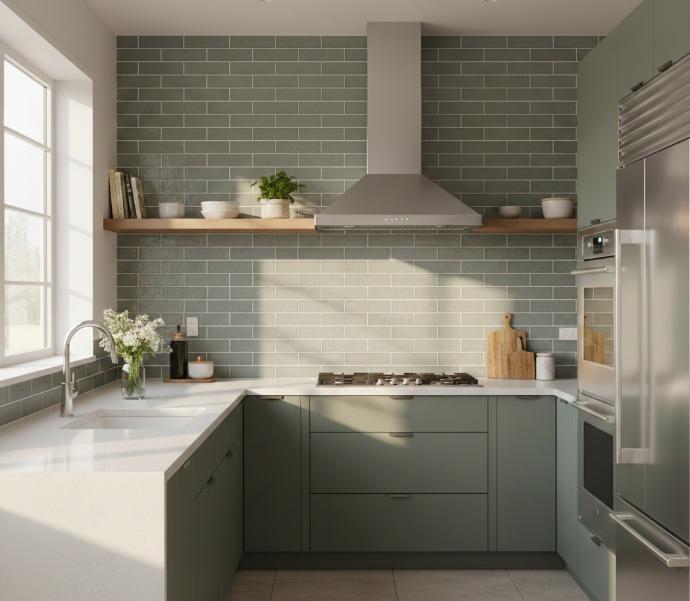
Porcelain tiles represent an enhanced version of ceramic tiles. Despite their similar appearance at first glance, these two tile types differ significantly in composition and performance. Porcelain tiles offer superior durability, greater strength, and enhanced resistance capabilities compared to standard ceramic.
You can distinguish between them by examining their surfaces. Porcelain displays smooth finishes while ceramic presents coarser textures. The density difference also means porcelain tiles weigh more and resist moisture better than their ceramic counterparts. The Tile Council of North America (TCNA) certifies true porcelain tiles based on strict water absorption standards.
How Manufacturers Produce Porcelain Tiles
Porcelain tiles consist of refined white clay, feldspar, kaolin, and quartz. Manufacturers blend these ingredients with color pigments to achieve desired hues, then thoroughly mix, dry, and powder the mixture.
Machines press this powdered material under extreme pressure to form tile shapes. Inkjet printers then apply various textures and designs suited for different room applications. A glaze layer enhances moisture resistance before the baking process begins.
During baking, tiles undergo extreme heat reaching approximately 1200°C in specialized kilns. This intense process eliminates all remaining moisture and transforms soft clay into hardened material, creating a durable, non-porous, and rigid product. After cooling, workers polish and cut tiles into final shapes ready for installation.
Benefits of Porcelain Tiles
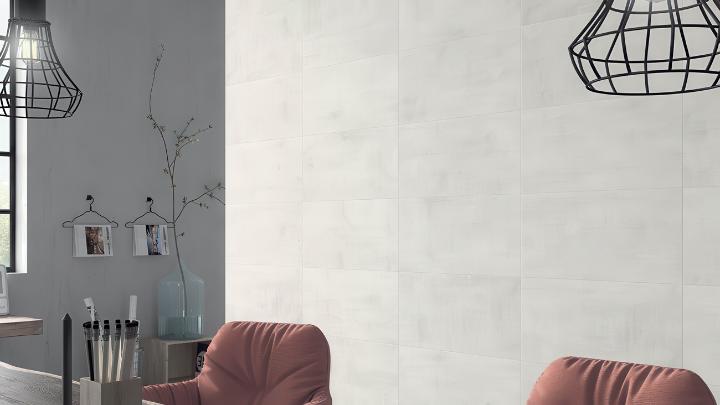
Porcelain floor tiles possess a distinctive presence and replicate virtually any material so convincingly that only close inspection reveals the difference. Here are the key advantages that make porcelain tiles a smart investment:
Exceptional Durability Porcelain tiles rank among the most long-lasting flooring options available. Once installed, expect decades of beautiful performance without replacement. The manufacturing process using refined clay at extremely high temperatures creates tiles with greater thickness and density than comparable alternatives. These tiles withstand any environment while maintaining their aesthetic appeal year after year.
Simple Cleaning Requirements Dirty porcelain tiles require only sweeping and wiping with a damp cloth for routine maintenance. For deeper cleaning, add several drops of vinegar to your mopping water and clean the floor. Your porcelain tiles will look pristine again without harsh chemicals or expensive cleaning products.
Superior Water Resistance Porcelain tiles achieve near-complete waterproofing with water absorption rates below 0.5%. This characteristic makes them ideal for kitchens, bathrooms, laundry rooms, and other wet areas. Since porcelain retains no moisture, mold and bacteria cannot grow, and tile deterioration becomes a non-issue. Modern porcelain tiles also resist frost, making them suitable for outdoor patios and pool surrounds.
Ideal for High-Traffic Areas Cracking and chipping plague high-traffic zones with inferior flooring materials. Porcelain tiles eliminate these concerns entirely. These tiles withstand heavy foot traffic without showing wear, proving stiff, robust, and sturdy enough for commercial and public spaces. Porcelain resists wear and tear, performing excellently even under the roughest daily conditions.
Extensive Design Options Porcelain tiles come in countless varieties, from attention-grabbing designs to sophisticated patterns that suit every taste. Choose from different color combinations, sizes, and textures for both floor and wall applications. Modern printing technology allows porcelain to mimic natural stone, hardwood, concrete, and other materials with remarkable realism.
Drawbacks to Consider
While benefits far outweigh limitations, acknowledge these potential drawbacks:
- Installation Complexity: Porcelain tiles require professional installation due to their weight and precision cutting needs
- Higher Price Point: Costs more than ceramic alternatives, though pricing has become increasingly competitive
- Significant Weight: Verify your building structure can handle the additional load before upper-floor installations
Types of Porcelain Tiles
Different porcelain tile varieties offer specific characteristics worth understanding before making your selection.
Glazed Porcelain Tiles The most popular option featuring an extra glossy finish layer applied after baking for enhanced waterproofing and visual appeal. These tiles come in various colors, finishes, and patterns, making them perfect for spill-prone areas like kitchens and bathrooms. However, glazed tiles offer slightly less strength than unglazed versions and may lose their sheen over extended time periods.
Unglazed or Matte Porcelain Tiles These tiles lack any glaze layer, allowing natural clay coloring or added pigments to create earthy, natural appearances. Unglazed porcelain features rough surfaces, greater durability, and excellent tolerance for climate variations. Two main subcategories exist: full-body porcelain tiles maintain consistent composition, color, and patterns throughout their entire thickness, while double-charged tiles feature two fused clay layers creating unique designs and exceptional durability.
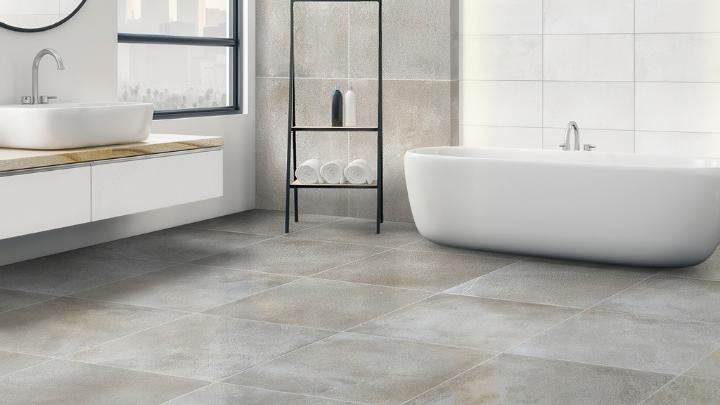
Textured or Stone-Look Porcelain Tiles Options range from wood and brick looks to stone, bamboo, and textile finishes. Manufacturers finish these tiles before baking, achieving rough, rugged appearances ideal for outdoor applications. These tiles enhance both walls and floors with magnificent visual appeal while providing slip resistance. Our Contemporary Slate 12x24 Porcelain Tile showcases this style beautifully with natural and grip finish options.
Polished Porcelain Tiles Diamond polish pads create smooth, shiny surfaces resembling natural stone like marble or granite. While these tiles remain water and stain-resistant, proper sealing prevents microscopic pores from trapping dirt and maintains their lustrous appearance over time.
Where to Use Porcelain Tiles
Versatile, durable, and elegant, porcelain tiles work anywhere from kitchens to basements to outdoor spaces. Their hypoallergenic properties eliminate allergy concerns, making them suitable for any room.
Kitchens: Porcelain tiles decorate floors, walls, backsplashes, and countertops throughout kitchen spaces. They clean easily, require minimal maintenance, and resist high temperatures from cooking activities. Their stain resistance handles oil splatters and food spills without permanent damage.
Bathrooms: Moisture-resistance capabilities make porcelain ideal for wet environments. Unlike natural stone that requires sealing, porcelain prevents mold and mildew accumulation naturally. Anti-skid options provide safety on wet surfaces and last for decades without replacement.
Living Rooms: Available in numerous shades, textures, patterns, and finishes, porcelain tiles complement any living room design aesthetic. Digitally printed wall tiles create striking accent walls for modern interiors. Large-format options minimize grout lines for seamless, elegant appearances.
Hallways and Staircases: High-traffic entryways demand durable, attractive flooring. Porcelain tiles deliver elegant looks with anti-skid properties that prevent accidents while maintaining warmth underfoot.
Exterior Spaces: Balconies, terraces, gardens, pool surrounds, and patios benefit from weather-resistant porcelain. These tiles withstand freeze-thaw cycles, UV exposure, and heavy outdoor foot traffic without deteriorating.
Commercial Spaces: Resilient nature and dynamic color ranges make porcelain tiles excellent for offices, retail stores, restaurants, and other commercial environments requiring attractive, durable flooring solutions. Architects and designers frequently specify porcelain for high-performance commercial projects.
Countertops: Looking beyond floor and wall applications, porcelain makes stunning countertops. For natural stone slab options for your countertops and kitchen islands, explore our slab collection.
Buying Tips for Porcelain Tiles
Follow these guidelines when selecting porcelain tiles for your space:
Understand Tile Classifications: Porcelain tiles receive grades based on durability according to ANSI standards:
- Class 1: Wall applications for aesthetic purposes only
- Class 2-3: Kitchens and wet areas with light to moderate traffic
- Class 4: Areas with moderate to heavy foot traffic
- Class 5: Commercial applications requiring maximum durability
Select Appropriate Sizes: Large formats create seamless appearances while reducing grout lines for easier cleaning. Smaller formats work better for intricate designs and smaller spaces.
Choose Colors and Finishes Wisely: Porcelain tiles come in every hue imaginable with finishes including rustic matte, structural, lustrous, and crystalline options. Consider your room's lighting and existing décor when selecting colors.
Check Slip Ratings: For wet areas and outdoor installations, verify tiles meet appropriate slip resistance standards for safety.
Order Samples First: Always see and feel tiles before committing to a large purchase. Physical samples reveal true colors, textures, and quality better than photos alone.
Shop Porcelain Tiles With Us
At Nova Tile and Stone, we make finding the perfect porcelain tiles easy. Learn more about our company and why homeowners throughout Northern Nevada and Northern California trust us for their tile projects.
Our $1 Sample Program: Try before you buy with samples shipped free to your door. We cut our 4"x4" samples to order so you see exactly what your product will look like installed in your space.
Free Design Consultations: Our design experts help you find the perfect tile for your project and budget. We take the guesswork out of selecting colors, sizes, and finishes that work for your space and lifestyle. Book your free consultation today.
Visit Our Showrooms: See our porcelain tile collections in person at any of our four convenient locations in Reno, Minden, Sacramento, and Fernley, or choose home delivery for added convenience.
100% U.S.-Based Customer Service: Our trained team is available Monday through Friday, 7:30am to 4:00pm PST, ready to help you design your dream space. Contact us or call 775-374-6682.
Trade Program: If you work in the industry, apply for our Trade Program to access free samples, custom pricing, and expert service tailored for professionals.
Featured Products
Ready to start browsing? Shop our complete porcelain tile collection online today.
Conclusion
Porcelain tiles represent one of the smartest flooring investments for any space. Their combination of exceptional durability, water resistance, frost tolerance, and ability to withstand extreme conditions makes them suitable for virtually any residential or commercial application.
Beyond practical benefits, porcelain tiles deliver stunning aesthetics that enhance any environment with elegant, sophisticated appearances. Evaluate your specific needs, consider traffic patterns and moisture exposure, then select the appropriate tile classification and finish. With proper selection and professional installation, your porcelain tiles will serve your space beautifully for decades to come.
Ready to explore porcelain tile options? Browse our online collection or visit any of our four showroom locations to start your project today.
Frequently Asked Questions
What is the difference between porcelain and ceramic tiles?
Porcelain tiles undergo firing at higher temperatures (around 1200°C) using refined clay, feldspar, kaolin, and quartz, creating denser tiles with water absorption rates below 0.5%. Ceramic tiles use coarser clay, fire at lower temperatures, and have higher porosity. Porcelain offers superior durability and moisture resistance compared to standard ceramic options.
Can porcelain tiles be used outdoors?
Yes, porcelain tiles make excellent outdoor flooring choices. Their frost resistance, durability, and ability to withstand harsh weather conditions make them ideal for patios, balconies, terraces, and pool surrounds. Select outdoor-rated tiles with appropriate slip resistance ratings for safe exterior installations.
How do you maintain and clean porcelain tiles?
Porcelain tiles require minimal maintenance. Sweep away debris and wipe with a damp cloth for routine cleaning. For deeper cleaning, add white vinegar to your mopping water. Polished porcelain may need periodic sealing to maintain its lustrous appearance and prevent dirt accumulation.
Are porcelain tiles slippery when wet?
Standard polished porcelain tiles can become slippery when wet. However, anti-skid and textured options exist specifically for wet areas like bathrooms, kitchens, and pool decks. Check slip resistance ratings and choose matte or textured finishes for improved traction in moisture-prone spaces.
How long do porcelain tiles typically last?
Properly installed and maintained porcelain tiles can last 50 years or more. Their exceptional durability and resistance to scratches, stains, and moisture ensures long-term performance without replacement. Higher-grade tiles (Class 4-5) offer even greater longevity under demanding commercial conditions.