Porcelain tile is a dense, durable flooring material made from refined clays fired at high temperatures, offering superior moisture resistance (less than 0.5% water absorption), stain resistance, and longevity compared to ceramic tile. It's ideal for bathrooms, kitchens, and high-traffic areas, available in two main types: through-body (color throughout) and glazed (protective coating). Porcelain tile requires professional installation due to its density and cutting difficulty, but delivers decades of performance with minimal maintenance using pH-neutral cleaners and weekly damp mopping.
Key advantages: Handles heavy foot traffic, resists moisture and stains, works with radiant heating, mimics natural stone and designer patterns, suitable for floors, walls, and countertops.
Important considerations: Feels cold without radiant heating, requires flat and stable subfloor (concrete, cement board, or plywood), needs professional installation for warranty protection, and may crack under heavy impact.
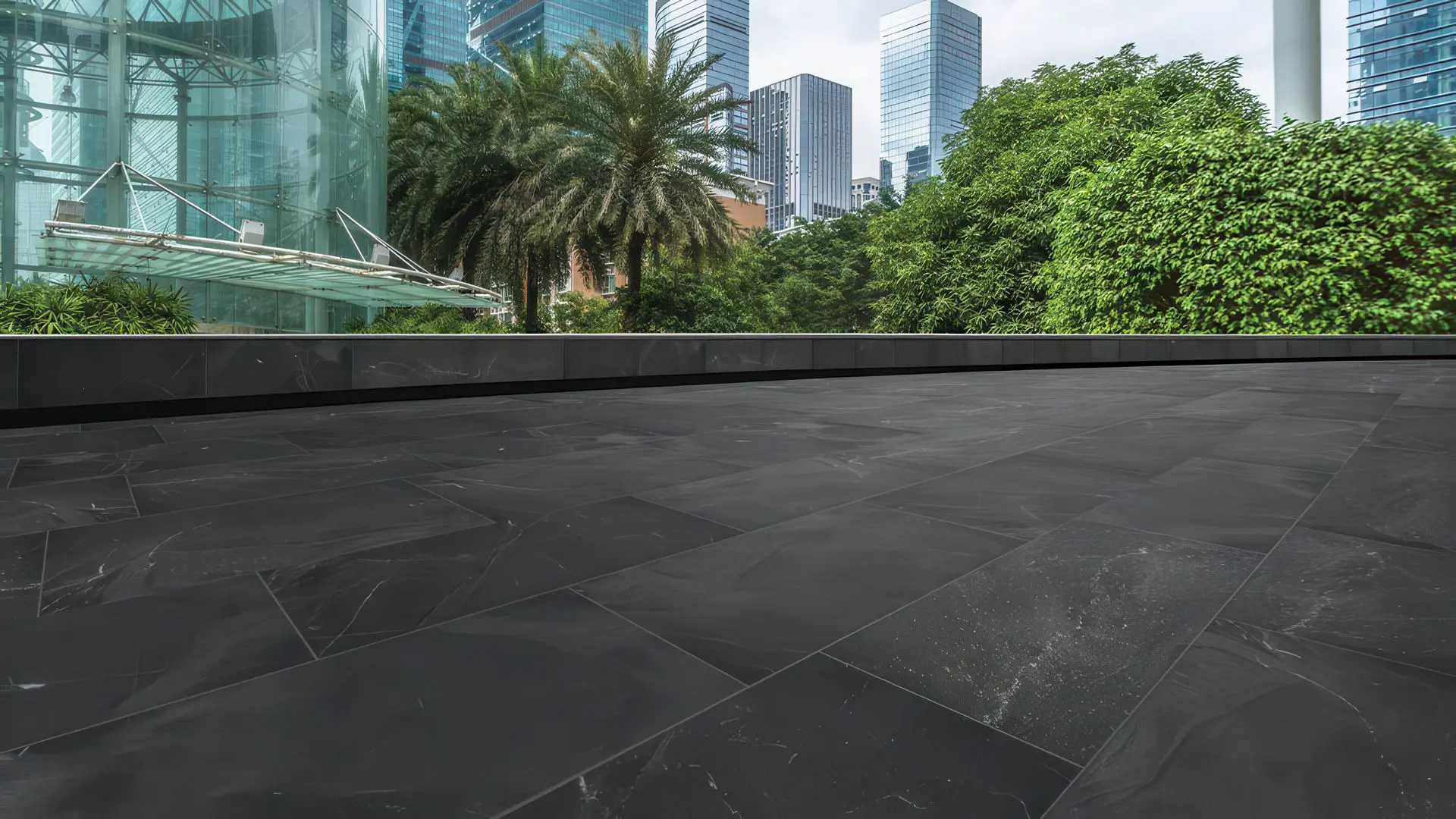
Premium Material for Diverse Uses
Porcelain tile options, such as Contemporary Slate Look Porcelain Tile, regularly appear in bathroom flooring projects. Porcelain provides denser construction, minimal porosity, and enhanced hardness versus ceramic tile choices, offering better stain and moisture resistance. Moreover, it pairs effectively with radiant floor heating to keep feet warm on cold mornings.
The product's flexibility reaches past bathrooms to kitchen areas, entryways, and main living zones. Its water-repelling qualities position it as particularly ideal for locations experiencing spills and elevated humidity. Property owners recognize how porcelain functions in moisture-heavy environments while retaining structural soundness.
Outstanding Design Flexibility
Porcelain offers remarkable aesthetic versatility. Tile choices can mimic natural stone like granite, marble, and limestone. Current designs draw influence from worldwide locations and fashion movements, displaying surfaces resembling leather textures, fabric looks, and even animal-themed prints. This flexibility positions porcelain as appropriate for multiple interior styles, ranging from classic to contemporary looks.
The finish choices extend from matte to high-gloss, permitting customization to align with individual tastes and practical needs. Textured finishes deliver slip resistance, while polished finishes create sophisticated elegance for formal areas.

Two Main Porcelain Tile Categories
Porcelain tile exists in two basic forms:
Through-body. Color and pattern run completely through this tile style, hiding chips or surface wear. Strong and lasting, it contains no glaze layer prone to wearing down. It suits flooring, walls, and countertops. This manufacturing technique guarantees a consistent look even with light wear over time. The uniform makeup throughout positions through-body porcelain as especially useful for commercial spaces and heavy-traffic residential zones.
Glazed. A protective coating completely covers this tile, typically delivering color. It offers strength and density while providing the widest range of colors and designs. The glazed finish creates an extra protective layer against daily use. Manufacturers apply glaze in different thicknesses, with heavier coatings designed for floors and lighter glazes fitting for walls.
Key Considerations for Porcelain Tile Selection
Durability Check? Porcelain tile handles heavy foot traffic and water contact, offering years of service. Its strong build positions it as perfect for busy home areas. The product resists fading from sun exposure and keeps its look through decades when installed and maintained correctly. Learning more about us can give you insight into our commitment to high-quality materials and expert craftsmanship.
Porcelain Tile Certification: Choosing certified porcelain tile ensures you receive a product that meets industry standards for durability, moisture resistance, and safety. Certification guarantees consistent quality and performance, giving homeowners and designers confidence in their selection.
Maintenance Requirements: Porcelain cleans simply. Wipe water spills quickly, sweep or vacuum regularly, and damp mop weekly. Avoid harsh materials like steel wool and scouring pads. Unglazed porcelain requires more frequent care. Routine maintenance keeps the tile looking good and increases its lifespan. Using pH-neutral cleaners maintains the surface without causing harm or reducing the shine.
Base Requirements: Porcelain tile installation needs a subfloor that's flat, smooth, and structurally stable. Suitable bases include concrete slabs, cement backer board, underlayment-grade plywood, and existing tile when correctly prepared. Appropriate substrate prep ensures lasting installation results and prevents later problems. Any movement or deflection in the subfloor can cause cracked tiles or grout failure later. Following the ANSI Standard for subfloor preparation helps ensure compliance with industry guidelines and long-term performance.
Key Facts About Porcelain
Porcelain forms from refined clays and minerals fired at extremely high temperatures, producing a harder and denser product than ceramic tile. Porcelain resists stains, moisture, bacteria, and odors. It withstands scratches and fire while coming in multiple shapes, colors, and styles. The firing method produces a material with below 0.5% water absorption, making it nearly immune to moisture damage.
Keep in mind that tile feels cold underfoot without radiant heating installed below, and standing on it for long periods can create discomfort. Also, tiles can crack from heavy impacts, and grout can stain over time without proper maintenance. These points should influence your decision. The hardness that makes porcelain durable also means dropped objects are more likely to shatter on impact compared to softer flooring types.
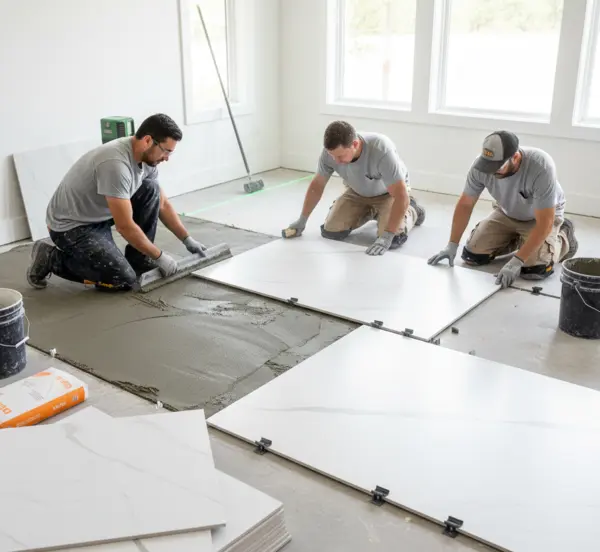
Professional Installation Advised
Porcelain installation poses challenges because of cutting difficulty. The material's density needs specialized tools and skills. Thus, professional installation is usually advised to guarantee correct placement, alignment, and durability of your investment. Professional installers, such as those at a trusted Tile and Stone Company, know expansion joint requirements, correct thinset choice, and layout plans that maximize visual appeal while reducing waste. Professional installation also protects warranty coverage and lowers the risk of expensive mistakes during setup.
Conclusion
Porcelain tile stands as a smart flooring and surface solution for homeowners seeking durability, style, and long-term value. Its superior density and moisture resistance make it ideal for bathrooms, kitchens, and high-traffic areas throughout your home. Whether you prefer the authentic look of natural stone or contemporary designer patterns, porcelain delivers endless aesthetic possibilities to match your vision. While the material requires professional installation and proper substrate preparation, the investment pays off through decades of reliable performance with minimal maintenance.
By understanding the differences between through-body and glazed options, along with proper care requirements, you can select the perfect porcelain tile that enhances your space while standing up to daily demands. Consider consulting with tile professionals and choosing to shop local to explore samples and ensure your installation meets the highest standards for lasting beauty and functionality.
Frequently Asked Questions
What makes porcelain tile different from ceramic tile?
Porcelain tile features denser construction and lower water absorption rates than ceramic tile, with less than 0.5% porosity compared to ceramic's higher absorption levels. This density results from firing refined clays and minerals at extremely high temperatures, creating a harder, more durable product. Porcelain offers superior stain resistance, moisture protection, and scratch resistance, making it suitable for high-traffic areas and moisture-prone spaces. While both materials work well for various applications, porcelain's enhanced durability and water resistance make it the preferred choice for demanding environments like bathrooms, kitchens, and commercial settings.
Can I install porcelain tile myself, or do I need a professional?
Professional installation is strongly recommended for porcelain tile projects. The material's extreme density requires specialized cutting tools and techniques that most DIY enthusiasts don't possess. Professional installers understand critical factors like expansion joint placement, proper thinset selection, substrate preparation requirements, and layout planning that maximizes visual appeal while minimizing waste. Improper installation can lead to cracked tiles, grout failure, and voided warranties. While DIY installation might seem cost-effective initially, professional work ensures your investment lasts decades and maintains its appearance. The expertise of trained installers protects against costly mistakes and guarantees proper placement and alignment.
How do I maintain and clean porcelain tile flooring?
Porcelain tile maintenance is straightforward and requires minimal effort. Wipe up water spills promptly to prevent potential staining, especially on unglazed surfaces. Sweep or vacuum regularly to remove dirt and debris that could scratch the surface. Damp mop weekly using pH-neutral cleaners specifically designed for tile surfaces, avoid harsh chemicals, steel wool, or abrasive scouring pads that can damage the finish. Unglazed porcelain requires slightly more frequent cleaning than glazed varieties. For grout lines, periodic cleaning with appropriate grout cleaners helps prevent discoloration. This simple routine preserves your tile's appearance and extends its lifespan through decades of use.
Will porcelain tile work with my radiant floor heating system?
Yes, porcelain tile pairs excellently with radiant floor heating systems. The material's density and thermal conductivity allow it to absorb and distribute heat efficiently throughout your space. This combination is particularly popular in bathrooms and kitchens, where the warmth underfoot creates comfortable environments during cold mornings. Without radiant heating, porcelain naturally feels cool to the touch, which some homeowners find uncomfortable during winter months or for extended standing periods. When planning radiant heating installation, inform your tile installer beforehand, as this affects thinset selection and installation techniques. The heating system should be installed and tested before tile placement to ensure proper function and avoid future complications.
Is porcelain tile suitable for all rooms in my home?
Porcelain tile works exceptionally well throughout most home areas, including bathrooms, kitchens, entryways, living rooms, and laundry rooms. Its water resistance makes it particularly ideal for moisture-prone spaces, while its durability handles high-traffic zones effectively. The material resists fading from sunlight, staining, bacteria, and odors, making it a hygienic choice for any room. However, consider that porcelain feels hard and cold underfoot without radiant heating, which might be less comfortable in bedrooms or areas where you stand for long periods. The hardness that provides durability also means less cushioning for dropped objects and potentially more fatigue during extended standing. Evaluate each room's specific needs, foot traffic patterns, and comfort requirements when deciding where to install porcelain tile.