What are the pros and cons of porcelain tile flooring? Porcelain tile offers exceptional durability, complete waterproofing, stain resistance, and low maintenance with no sealing required. It resists scratches, chips, and cracks while replicating premium materials like marble and hardwood. However, porcelain tile costs more than ceramic, requires professional installation due to its weight and specialized cutting needs, feels cold and hard underfoot, and may need subfloor reinforcement. Despite higher upfront costs, porcelain tile lasts decades and suits high-traffic areas, moisture-prone spaces, and outdoor applications.

Understanding Porcelain Tile
For thousands of years, ceramic tile has been produced and continues to be one of the most recognizable and adaptable materials in interior design. It's frequently applied to floors and walls alike, appreciated for its affordability, extensive selection of colors and designs, and classic appeal. As a design element, ceramic tile provides versatility and visual appeal, establishing it as a favored choice in kitchens, bathrooms, and other spaces.
While porcelain tile shares similarities in its fundamental makeup, it represents much more than simply an enhanced version of ceramic. Both materials start with clay that gets shaped into various forms and thicknesses, receives a protective glaze, and undergoes firing in a kiln. This is where their manufacturing processes differ significantly, as outlined by industry standards like the ANSI A137.1-2022 Standard for Ceramic Tile.
Porcelain tile utilizes a more purified, higher-quality clay that undergoes compression to achieve substantially greater density. It also experiences firing at notably higher temperatures and under increased pressure. These manufacturing distinctions create a tile that delivers superior strength and durability while offering enhanced water resistance and improved performance in high-traffic or moisture-heavy environments. Understanding the differences between porcelain vs non-porcelain tile can help you make an informed decision. As a design selection, porcelain frequently becomes the preferred option when durability and functionality take precedence, especially in exterior applications or busy living spaces.
Benefits to Evaluate:
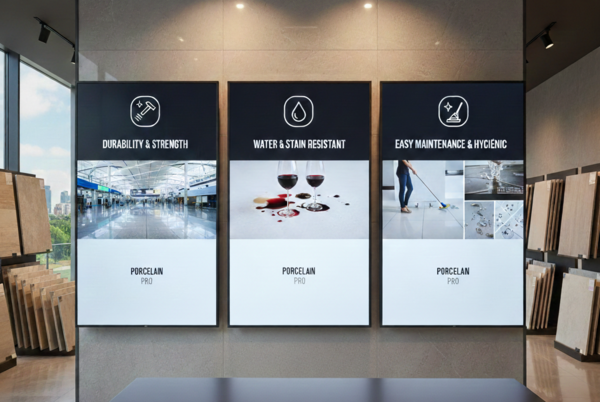
Porcelain tile delivers exceptional durability. Its extremely hard and dense composition provides resistance to wear, scratches, chips, and cracks. This characteristic makes it an ideal selection for households with pets and energetic children. The material's strength also suits high-traffic zones, explaining its widespread use in hotels, restaurants, retail spaces, and other commercial establishments. Property owners with rental units may find it particularly valuable since it won't require replacement for many decades.
A distinguishing feature that separates porcelain tile from alternative flooring materials is its water resistance, it's actually completely waterproof. This quality makes it an outstanding flooring choice for spaces susceptible to moisture, including bathroom tile and kitchen tile applications. The National Kitchen and Bath Association recognizes porcelain as a top choice for wet environments due to these properties.
Thanks to its waterproof nature, this contemporary tile also demonstrates remarkable stain resistance, eliminating concerns about tracked-in mud from pets and household members, food spills, or children's creative activities. This translates to effortless cleaning with minimal cleaning solutions, and most of us are working to minimize chemical usage in our homes, including harsh cleaning agents. Porcelain tile will not accommodate germs, mold, or mildew growth.
You'll appreciate its low-maintenance requirements. Unlike natural stone flooring options, porcelain tile never requires sealing to preserve its waterproof characteristics. It doesn't need polishing, waxing, buffing, or refinishing.
Regarding simple maintenance, porcelain tile can replicate the appearance of demanding flooring materials like marble, travertine, wood, and even metal. An advanced, high-tech inkjet printing technology produces tile that mimics marble so convincingly that close inspection would be necessary to distinguish the difference, enabling you to achieve an elegant, luxurious design aesthetic without the maintenance concerns associated with authentic marble. You can enjoy hardwood flooring, or its visual equivalent in locations where you'd typically avoid installing wood, such as bathrooms. For contemporary design inspiration, explore today's bathroom tile trends. Porcelain tile can duplicate the characteristics of metallic tile, including an aged patina that remains permanent.
Beyond choosing from numerous tile patterns, it's also manufactured in a broad range of shapes and sizes. This provides complete creative freedom for your design vision. From classic contemporary slate to modern terrazzo look tiles, porcelain's versatility allows for endless design possibilities.
Contemporary porcelain tile is frost-resistant, making it appropriate for exterior installations. It's perfect for finishing a three-season room, patio, or pool deck. Some property owners also install it in kitchens or family rooms and extend the identical style to outdoor areas, establishing a cohesive aesthetic. Industry events like Coverings showcase the latest innovations in outdoor porcelain applications.
Lastly, if a porcelain tile cracks or breaks under exceptional circumstances, replacing the entire floor isn't necessary. Simply remove the damaged tile and install a replacement. Proper tile edge protection during installation can help prevent damage and ensure long-lasting results.
Drawbacks to Evaluate:
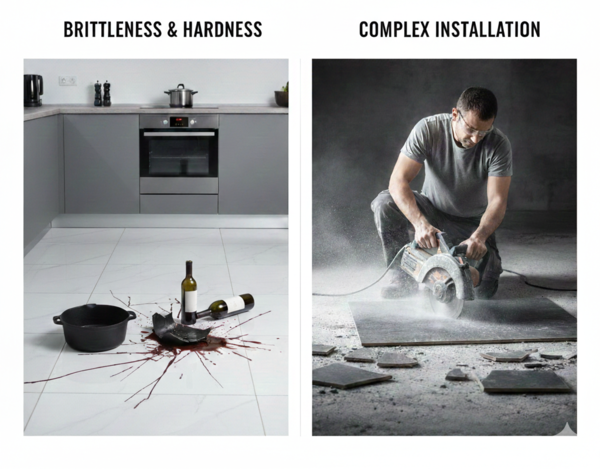
While porcelain tile delivers outstanding durability, it can occasionally chip, particularly along the edges. This concern is less noticeable with through-body porcelain but remains a consideration. Typically more costly than ceramic and other standard flooring alternatives, porcelain tile provides excellent wear resistance and longevity, frequently lasting for decades, establishing it as a solid investment. Nevertheless, the upfront installation cost is usually substantially higher.
An additional factor contributing to porcelain flooring expenses is the labor cost for installation. Unlike alternative flooring types, porcelain tile installation isn't really suitable as a DIY project. The material is exceptionally heavy, requires specialized cutting equipment, and is unforgiving of errors. A skilled, professional tile installer certified through programs like the Ceramic Tile Distributors Association is advised. Understanding tile layout tips and tricks can help you appreciate the complexity involved in professional installation.
The density of porcelain tile can create challenges, requiring verification that your subfloor and structural supports possess adequate strength to accommodate the extra weight. Strengthening your floor structure may also add to installation expenses.
Relative to other flooring materials, including hardwood flooring, natural stone, or vinyl tile, porcelain tile can be less comfortable underfoot because of its hardness. It feels colder when walking on it, particularly during winter months. If you're interested in under-floor heating, however, porcelain tile works exceptionally well for this application.
During home renovation planning, property owners frequently consider their return on investment. They aim to confirm that their expenditure will result in a higher sale price should they choose to list their home eventually. Regrettably, porcelain tile isn't recognized for boosting a home's value, despite its desirable characteristics. That said, an attractive tile floor can make your property significantly more appealing, facilitating a quicker sale!
Conclusion
Porcelain tile stands out as a versatile and durable flooring solution that offers significant advantages for both residential and commercial spaces. Its exceptional water resistance, low maintenance requirements, and remarkable durability make it particularly well-suited for high-traffic areas and moisture-prone environments. The ability to replicate premium materials like marble and hardwood while maintaining superior performance characteristics provides homeowners with aesthetic flexibility without sacrificing practicality.
However, the decision to install porcelain tile should factor in considerations such as higher upfront costs, professional installation requirements, and the material's hardness underfoot. While it may not dramatically increase property value, its longevity and timeless appeal make it a worthwhile investment for those prioritizing durability and ease of maintenance. Ultimately, weighing these advantages against the drawbacks in the context of your specific needs, budget, and lifestyle will help you determine whether porcelain tile is the right flooring choice for your space.
Ready to explore porcelain tile options? Browse our tile and stone collection or shop tiles by color to find the perfect match for your design scheme. For personalized assistance with your project, contact us to discover how we can help bring your design vision to life.
Frequently Asked Questions
Is porcelain tile better than ceramic tile?
Porcelain tile offers superior performance compared to ceramic tile due to its higher density and enhanced durability. It's fired at higher temperatures using more refined clay, resulting in better water resistance, greater strength, and improved wear resistance. While ceramic tile works well for many applications, porcelain tile is the better choice for high-traffic areas, moisture-heavy environments, and outdoor installations where frost resistance is needed. Learn more about us and explore our porcelain selections.
Can I install porcelain tile myself to save money?
Porcelain tile installation is generally not recommended as a DIY project. The material is exceptionally heavy, requires specialized cutting equipment, and is unforgiving of installation errors. Professional installation ensures proper handling, precise cutting, and correct installation techniques that prevent costly mistakes. While DIY installation might seem cost-effective initially, hiring a skilled, professional tile installer is advised to ensure optimal results and longevity. View the products we carry and shop local at our showroom for expert guidance.
Does porcelain tile need to be sealed like natural stone?
No, porcelain tile does not require sealing to maintain its waterproof properties. Unlike natural stone flooring that needs regular sealing, porcelain tile is inherently water-resistant and low-maintenance. It doesn't need polishing, waxing, buffing, or refinishing either, making it one of the most hassle-free flooring options available. This characteristic contributes to its long-term cost-effectiveness and ease of care.
Why does porcelain tile feel so cold underfoot?
Porcelain tile's density and hardness contribute to its cold feeling, especially during winter months. The material doesn't retain heat like carpet or wood flooring, making it less comfortable to walk on in colder conditions. However, this characteristic makes porcelain tile an excellent conductor for radiant under-floor heating systems. Installing heated flooring beneath porcelain tile can effectively address this drawback while maintaining all the material's beneficial properties. Explore our Crystal Quartzite Look Porcelain Tile and Cascade Metallic Look Porcelain Tile that work well with underfloor heating.
Will installing porcelain tile increase my home's resale value?
Porcelain tile isn't specifically recognized for significantly boosting a home's resale value, despite its desirable characteristics and durability. However, an attractive, well-installed tile floor can make your property considerably more appealing to potential buyers, which may facilitate a quicker sale. The investment in porcelain tile is better viewed as a long-term value proposition due to its decades-long lifespan and minimal maintenance requirements rather than as a direct return-on-investment improvement. Browse our shop or check our Voyage Marble Look Porcelain Tile option that will enhance your home's appeal.