Porcelain tile flooring is a premium ceramic material that lasts 50 years or longer, absorbs less than 0.5% water, and resists scratches, stains, and fire damage. The primary advantages include exceptional durability for high-traffic areas, near-waterproof performance for bathrooms and kitchens, minimal maintenance requirements, and versatile designs that replicate natural stone or wood. The main disadvantages are higher upfront costs than standard ceramic or vinyl flooring, the need for professional installation due to the material's density and hardness, and a cold feel underfoot during winter months. Fired at temperatures above 2,000°F, porcelain creates one of the most durable and long-lasting flooring options available for both indoor and outdoor applications.
Before making your final decision, understanding the complete picture helps ensure you choose the right flooring for your lifestyle and home. This guide breaks down everything you need to know about the advantages and disadvantages of porcelain tile flooring to help you make an informed choice.
| Porcelain Tile Overview | |
|---|---|
| Advantages | Disadvantages |
| Stunning visual appeal | Higher upfront cost |
| Exceptional durability | Complex installation |
| Water and stain resistance | Heavier weight |
| Minimal maintenance | Cold underfoot |
| Ideal for high traffic and outdoor use | Can be slippery when wet |
| Fireproof and heat resistant | Grout requires maintenance |
| Long-lasting value | Sound amplification |
What Is Porcelain Tile?
Porcelain tile is a premium ceramic tile crafted from refined clay and fired at extremely high temperatures exceeding 2,000°F. This intense firing process creates an incredibly dense, hard surface that outperforms traditional flooring materials in nearly every category. The Tile Council of North America establishes the industry standards that define true porcelain based on water absorption rates and manufacturing specifications.
The result is a versatile and beautiful flooring option suitable for both residential and commercial applications, renowned for its resilience and stunning design capabilities. Unlike standard ceramic tile, porcelain offers greater density, uniformity, and significantly improved durability, making it the ideal upgrade from conventional flooring materials. You can explore our porcelain tile collection to see the full range of styles and finishes available.
Porcelain Tile Advantages
1. Stunning Visual Appeal
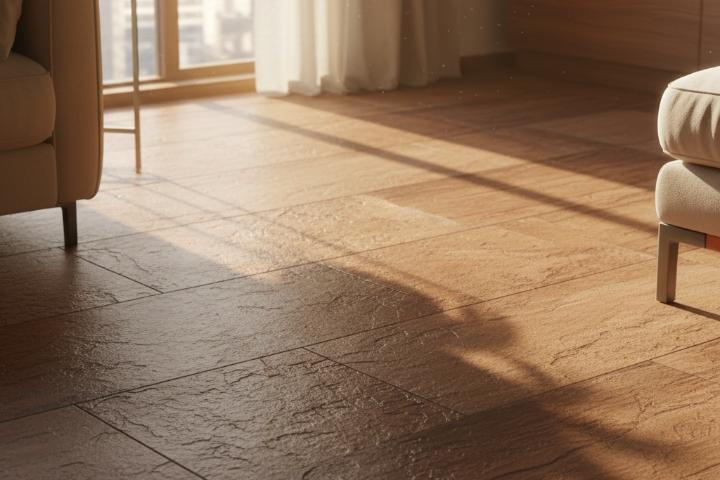
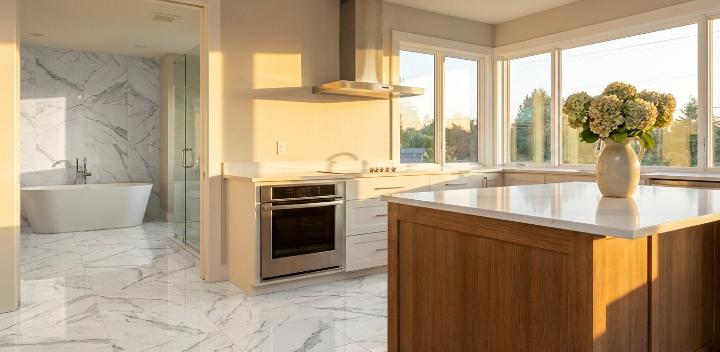
Porcelain offers an incredible range of design options that can replicate everything from natural stone to realistic wood grain patterns. Whether you prefer the sophistication of marble-look porcelain tiles or the warm, rustic charm of wood-effect porcelain, there's a style to complement any aesthetic vision.
Modern manufacturing techniques allow for intricate patterns and diverse color palettes that were previously impossible to achieve. These tiles combine striking visual appeal with remarkable strength, handling the demands of both indoor and outdoor environments with ease. Design professionals featured at events like the International Surface Event consistently highlight porcelain's versatility as a leading trend in contemporary flooring design.
2. Exceptional Durability
Porcelain tile ranks among the most durable flooring types available today. Manufactured at higher temperatures and pressures than standard ceramic, porcelain consists of high-quality components that deliver outstanding resistance to scratches and stains.
For a reliable durability indicator, look for a PEI (Porcelain Enamel Institute) rating of 4 or 5. This classification confirms the tile can withstand heavy residential and commercial foot traffic without showing wear. The TCNA porcelain tile certification program verifies that tiles meet these rigorous performance standards.
3. Water and Stain Resistance
Porcelain tile excels in moisture-prone environments thanks to its dense composition with fewer air pockets. This density makes porcelain floor tiles harder and more impervious than many natural stone alternatives, including options like natural stone slabs that may require additional sealing.
The stain resistance proves equally impressive. Porcelain's smooth, non-porous surface prevents spills from penetrating and causing permanent discoloration. Even stubborn stains can be removed with minimal effort using standard household cleaning products.
4. Minimal Maintenance Required
Imagine spilling a glass of red wine or tracking in muddy footprints. With porcelain tile, cleanup becomes effortless. The dense, non-porous surface prevents liquids and stains from absorbing into the material.
Forget about special sealants or harsh chemicals. Regular sweeping, mopping with mild detergent, and occasional spot cleaning are all that's needed to maintain porcelain tile's pristine appearance for decades. This translates to less time scrubbing and more time enjoying your beautiful floors.
5. Excellent for High Traffic Areas
Flooring professionals consistently recommend porcelain tile over standard ceramic in busy areas due to its superior resistance to wear and breakage. When subjected to extra weight and pressure, porcelain demonstrates incredible strength and damage resistance.
This advantage extends to outdoor applications, where porcelain offers weather resistance comparable to natural stone but with superior consistency and lower maintenance requirements. From pool decks to outdoor patios, these tiles withstand freeze-thaw cycles and UV exposure without fading or cracking. Options like slate-look porcelain tile provide the natural aesthetic homeowners love with enhanced durability for demanding applications.
6. Fireproof and Heat Resistant
Porcelain tile provides inherent fire resistance, adding a layer of safety to your home. While this doesn't make your home fireproof, porcelain floors won't contribute fuel to spread flames. In the event of smaller fires, porcelain tile withstands significant heat without damage.
The excellent heat resistance also makes porcelain tiles fully compatible with radiant floor heating systems. You can enjoy porcelain's beauty while adding the luxury of warm floors during cold winter months.
7. Long-Term Value
Quality porcelain tile represents a wise long-term investment. With proper care, porcelain floors can last 50 years or more, delivering exceptional value over time. When you calculate the cost per year of ownership, porcelain often proves more economical than flooring options requiring replacement every 10-15 years.
Porcelain Tile Disadvantages
1. Higher Upfront Cost
Porcelain tiles carry a higher initial investment than many flooring alternatives, which can be a consideration for budget-conscious homeowners.
However, the long-term value often justifies this expense. The combination of extreme durability and minimal maintenance requirements means porcelain delivers excellent return on investment over its lifespan.
2. Complex Installation Process
Installing porcelain tiles demands precision, skill, and specialized tools. This material doesn't forgive mistakes easily. DIY attempts frequently result in uneven layouts, cracked tiles, or poor adhesion that compromises the floor's integrity and appearance.
For optimal results and long-term performance, professional installation is strongly recommended. The investment in expert installation protects your tile investment and ensures a flawless finished product.
3. Significant Weight
While porcelain's density contributes to its strength, it also means considerable weight. This factor requires attention, particularly for upper-floor installations in older homes.
Before beginning any project, ensure your floor joists can support the additional load. A structural assessment can identify whether reinforcement is necessary to prevent future problems.
4. Cold Underfoot
Porcelain tile can feel cool underfoot, especially during winter months. This characteristic may be unwelcome in bedrooms or living areas where warmth is preferred.
Fortunately, solutions exist. Radiant floor heating installed beneath your tiles transforms them into a comfortable, warming surface. Strategically placed area rugs also provide warmth while adding decorative appeal to high-traffic zones.
5. Slippery When Wet
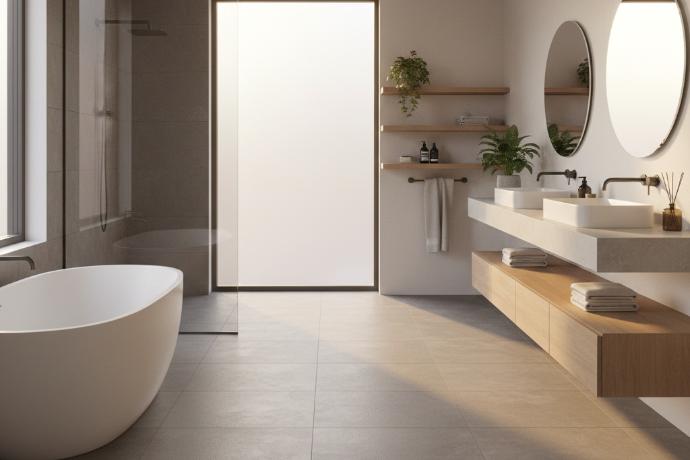
Some porcelain tiles, particularly those with glossy finishes, can become slippery when wet, creating potential safety concerns. This consideration is especially important for bathrooms, entryways, and any areas prone to moisture.
The solution lies in tile selection. Opting for textured finishes provides necessary grip and traction without sacrificing style, ensuring safety in wet areas throughout your home.
6. Grout Maintenance Requirements
While porcelain tiles themselves require minimal care, the grout lines between them demand more attention. Grout is porous and susceptible to mold, mildew, and staining without proper sealing and regular cleaning.
Over time, grout may require professional cleaning or replacement. Regular maintenance with appropriate cleaners and periodic resealing helps prevent discoloration and extends grout lifespan significantly.
7. Sound Amplification
Porcelain's hard surface can amplify sounds, making footsteps and dropped objects seem louder than they would on softer flooring materials. This effect becomes more noticeable in homes with high ceilings or open floor plans.
Strategic placement of area rugs, thoughtful furniture arrangement, and acoustic treatments can effectively reduce echoes while preserving the tile's visual appeal.
Is Porcelain Tile Right for Your Home?
Porcelain tile may be perfect if you want:
- Style and strength combined in one material that handles busy households, children, and pets
- Easy maintenance with simple cleaning routines that free up your time
- Worry-free performance in wet areas like bathrooms, laundry rooms, and entryways
- Long-term value from flooring that lasts decades without replacement
Porcelain may not be ideal if:
- Budget constraints are significant, as the initial investment exceeds some alternatives
- You prefer DIY installation, since porcelain requires professional expertise
- Warmth underfoot is essential, unless you plan to add radiant heating
Why Choose Nova Tile and Stone for Your Porcelain Tile
At Nova Tile and Stone, we make selecting the perfect porcelain tile simple and stress-free. Learn more about our company and the values that drive our commitment to quality. Here's what sets us apart:
Expert Design Consultations - Our knowledgeable design team provides free consultations to help you navigate the vast selection of porcelain options. We'll guide you toward tiles that match your style preferences, functional requirements, and budget.
$1 Sample Program - See and feel your tile choices before committing. Our affordable sample program lets you take tiles home to view them in your actual lighting conditions and alongside your existing decor.
Extensive Selection - Browse our curated collection of premium porcelain tiles in every style, from natural stone looks to contemporary wood grains. Our showrooms feature the latest trends and timeless classics.
Four Convenient Showroom Locations - Visit one of our showrooms in Reno, Minden, Sacramento, or Fernley to explore our full porcelain tile selection. Our showrooms allow you to see large displays and compare options side by side.
Serving Northern Nevada and Northern California - We proudly serve homeowners and contractors throughout the region with quality products and exceptional customer service. Contact us today to schedule your free design consultation.
Conclusion
Porcelain tile stands as one of the most versatile and durable flooring options available to homeowners today. Its combination of stunning aesthetics, exceptional durability, water resistance, and low maintenance requirements makes it an excellent choice for kitchens, bathrooms, entryways, and living spaces throughout your home.
While the higher upfront cost and installation complexity require consideration, the long-term benefits often outweigh these factors. A properly installed porcelain floor can serve your family beautifully for 50 years or more, delivering outstanding value and timeless style.
When weighing your flooring options, consider your specific needs, lifestyle, and budget. For most homeowners seeking a balance of beauty, durability, and practicality, porcelain tile delivers on every front.
Featured Products
Frequently Asked Questions
How long does porcelain tile flooring last?
Porcelain tile flooring typically lasts 50 years or longer with proper installation and basic maintenance. Its exceptional durability comes from the high-temperature firing process that creates an extremely dense, wear-resistant surface. Unlike carpet or vinyl that may need replacement every 10-15 years, porcelain maintains its appearance and structural integrity for decades, making it one of the longest-lasting flooring investments available.
Is porcelain tile suitable for outdoor use?
Yes, porcelain tile performs excellently in outdoor applications. Its low water absorption rate (less than 0.5%) allows it to withstand freeze-thaw cycles without cracking. Porcelain also resists UV fading, maintaining its color despite sun exposure. For outdoor installations, select tiles with appropriate slip ratings and ensure proper installation with suitable outdoor-rated adhesives and grouts.
What is the difference between porcelain and ceramic tile?
The primary differences lie in composition, density, and durability. Porcelain is made from finer, more refined clay and fired at higher temperatures (over 2,000°F) than ceramic tile. This process creates a denser, harder material with a water absorption rate below 0.5%, compared to ceramic's 3% or higher. Porcelain offers superior durability, stain resistance, and suitability for high-traffic and outdoor areas, while ceramic provides a more budget-friendly option for lighter-use spaces.
Can porcelain tile be installed over existing flooring?
In some cases, porcelain tile can be installed over existing flooring, but this depends on several factors. The existing floor must be structurally sound, level, and firmly attached. Installation over vinyl, ceramic tile, or concrete may be possible with proper preparation and the right adhesive products. However, installation over carpet, hardwood, or damaged subfloors is not recommended. A professional assessment ensures your specific situation allows for successful overlay installation.
How do you maintain and clean porcelain tile floors?
Porcelain tile requires minimal maintenance compared to other flooring types. For daily care, sweep or vacuum to remove dirt and debris that could scratch the surface. Mop weekly with warm water and a mild pH-neutral cleaner. Avoid harsh chemicals, ammonia-based products, or abrasive scrubbers that could damage the tile surface. For grout maintenance, seal grout lines annually and clean with appropriate grout cleaners to prevent staining and mildew growth. Promptly wipe up spills to maintain the floor's pristine appearance.