Porcelain tiles are among the most sought-after flooring and wall covering options in modern homes. Their exceptional durability and timeless appeal make them a worthy investment. However, maintaining their pristine appearance requires consistent care. Without proper cleaning techniques, even the highest-quality porcelain tiles can lose their luster over time.
Daily foot traffic, spills, and environmental factors take their toll on tile surfaces. Understanding maintenance fundamentals helps homeowners preserve the beauty of their installations. This comprehensive guide reveals professional cleaning methods and preventive measures. You'll discover simple strategies that protect your investment while keeping surfaces gleaming. Whether installed in kitchens, bathrooms, or living areas, proper care extends tile longevity significantly.
Throughout this article, you'll learn effective daily cleaning routines and deep-cleaning techniques. We'll explore how different tile finishes require specific approaches. You'll also gain insight into protecting grout lines and preventing common staining issues. Let's examine the proven methods that maintain porcelain tile elegance for decades to come.
Why Proper Porcelain Tile Care Matters
Investing in quality tile installation represents a significant financial commitment for any homeowner. Proper maintenance protects this investment while ensuring surfaces remain visually stunning. Without regular care, dirt accumulation can dull tile surfaces and compromise their aesthetic appeal. Understanding maintenance importance helps homeowners make informed decisions about cleaning practices and product selection.
The right cleaning approach prevents permanent damage to tile surfaces and grout lines. Abrasive cleaners or harsh chemicals can erode protective sealants and cause discoloration. Professional-grade maintenance techniques preserve the original finish while extending surface lifespan dramatically. For kitchen backsplash installations, maintaining cleanliness becomes especially crucial due to grease exposure and food splatters.
Regular maintenance offers numerous advantages beyond aesthetic appeal. Clean tiles contribute to healthier indoor air quality by reducing dust and allergen accumulation. Well-maintained surfaces also enhance property value when considering future resale opportunities. Below are key benefits of establishing proper tile care routines:
• Preserves the original shine and color vibrancy of your tile surfaces
• Prevents grout deterioration and reduces the need for costly repairs
• Minimizes bacterial growth in moisture-prone areas like bathrooms and kitchens
• Extends the functional lifespan of your tile installation by decades
• Maintains slip resistance on floor tiles, improving household safety
Essential Daily Cleaning Techniques For Different Tile Finishes
Different porcelain tile finishes demand tailored cleaning approaches to maintain their distinctive characteristics. Understanding these variations ensures optimal results without compromising surface integrity. Each finish type responds differently to cleaning products and methods. Let's explore effective techniques for various popular tile options available from leading suppliers.
White Porcelain Tiles
White porcelain tiles create bright, spacious interiors that exude modern elegance. However, these surfaces show dirt and staining more readily than darker alternatives. Daily sweeping removes loose debris that could scratch the surface during mopping. Use pH-neutral cleaners mixed with warm water for routine maintenance. Avoid bleach-based products as they can cause yellowing over time.
For stubborn marks, create a paste using baking soda and water. Apply gently with a soft cloth, then rinse thoroughly. This natural solution effectively lifts stains without harsh chemical exposure. White tiles in high-traffic areas benefit from weekly deep cleaning sessions to maintain their crisp appearance.
Black Porcelain Tiles
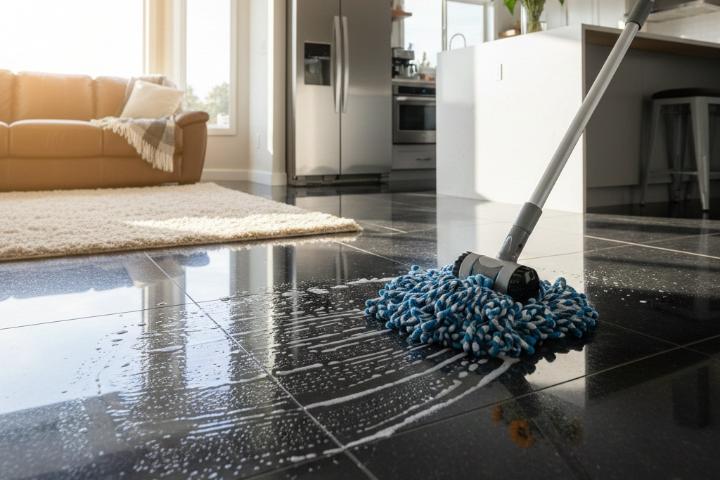
Black porcelain tiles bring dramatic sophistication to contemporary spaces. These surfaces reveal water spots, soap residue, and dust more visibly than lighter colors. Microfiber mops work exceptionally well for capturing particles without leaving streaks. After cleaning, buff surfaces dry with a clean cloth to prevent water marks.
Vinegar solutions effectively remove soap scum but should be diluted properly to avoid damaging grout. Mix one part white vinegar with three parts water for safe application. Black tiles showcase fingerprints prominently, especially on glossy finishes. Regular maintenance prevents buildup that diminishes their striking visual impact.
Grey Porcelain Tiles
Grey porcelain tiles offer versatility while concealing minor imperfections between cleaning sessions. Their neutral palette complements various design schemes from industrial to minimalist aesthetics. Standard maintenance involves sweeping followed by damp mopping with mild detergent. These tiles typically require less frequent deep cleaning than lighter alternatives.
Steam cleaning works particularly well on grey tiles, effectively sanitizing without chemical residues. The high temperature dissolves grime while killing bacteria naturally. Ensure proper ventilation during steam cleaning to manage moisture levels appropriately. Grey tiles maintain their appearance well with basic weekly maintenance routines.
Blue And Green Porcelain Tiles
Blue porcelain tiles create calming environments reminiscent of coastal or spa-inspired settings. Green porcelain tiles introduce natural, organic elements that connect indoor spaces with nature. Both colored options require gentle cleaning to preserve their vibrant hues. Harsh chemicals can fade pigments over extended periods.
Use color-safe cleaners specifically formulated for decorative tiles. Avoid acidic solutions that might interact with certain glaze formulations. Regular dusting prevents particle accumulation that dulls colored surfaces. These specialty tiles benefit from professional-grade sealants that protect against premature fading while simplifying ongoing maintenance tasks.
Marble-Look And Textured Porcelain Tiles
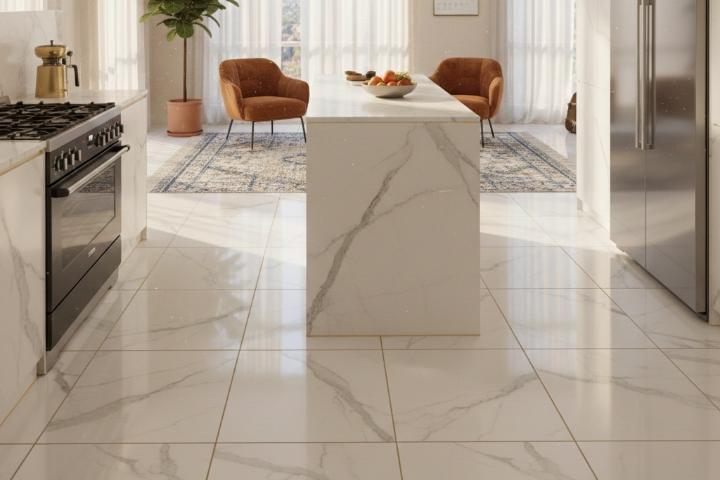
Marble porcelain tiles replicate natural stone elegance without the high maintenance requirements. Their veining patterns hide minor dirt accumulation effectively. Clean these surfaces using products designed for stone-look materials. Avoid acidic cleaners that could etch the surface or alter its appearance over time.
Textured ceramic porcelain tiles add dimensional interest but trap debris within their surface variations. Soft-bristle brushes help dislodge particles from recessed areas during cleaning. Following brushing, mop with clean water to remove loosened dirt. These tiles may require slightly more attention than smooth finishes but reward homeowners with unique visual character.
Glossy Versus Matte Porcelain Tiles
Glossy porcelain tiles reflect light beautifully, enhancing perceived room brightness. However, they show water spots and streaks more readily than matte alternatives. After mopping, always dry glossy surfaces with a clean towel. This extra step prevents mineral deposits from hard water that create cloudy film.
Matte porcelain tiles offer superior slip resistance, making them ideal for bathroom installations. Their textured surface conceals minor scratches and wear patterns effectively. While easier to maintain than glossy options, matte finishes can harbor dirt in microscopic pores. Periodic deep cleaning with specialized products maintains their refined, understated appearance without excessive effort or expense.
Cleaning Frequency Comparison
Tile Type | Daily Maintenance | Deep Cleaning |
White/Light Colors | Sweep and damp mop | Weekly |
Dark Colors | Dry buff after mopping | Bi-weekly |
Textured Finishes | Brush and vacuum | Monthly |
Glossy Surfaces | Wipe dry immediately | As needed |
Step-By-Step Professional Cleaning Guide
Achieving professional-level results requires following systematic cleaning procedures that address surface and grout needs. This methodical approach ensures thorough cleaning while protecting tile integrity. Whether maintaining residential or commercial installations, these steps deliver consistently excellent outcomes. Proper preparation and technique selection make the difference between mediocre and outstanding results.
Step 1: Remove Loose Debris
Begin by thoroughly sweeping or vacuuming the entire tiled area. This critical first step prevents scratching during subsequent wet cleaning. Pay special attention to corners and edges where dust accumulates. Use vacuum attachments designed for hard surfaces to avoid damaging tile or grout. Removing loose particles ensures cleaning solutions work more effectively on actual dirt rather than surface debris.
Step 2: Prepare Your Cleaning Solution
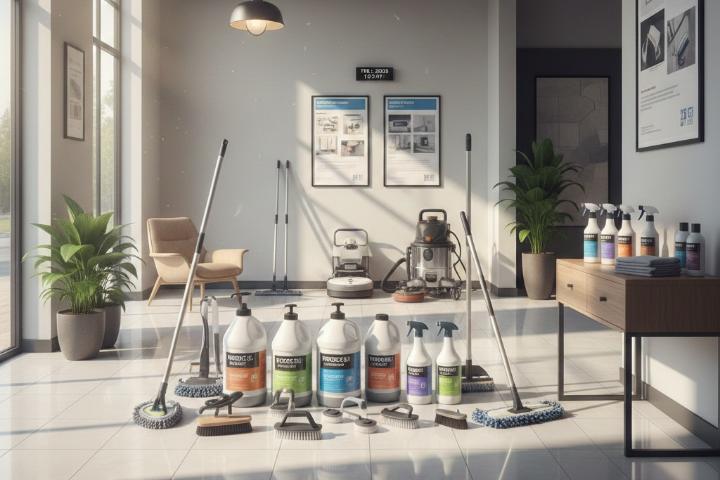
Mix pH-neutral tile cleaner according to manufacturer specifications in a clean bucket. Warm water activates cleaning agents more effectively than cold water alone. For routine maintenance, a simple mixture of mild dish soap and water suffices. Avoid using too much cleaner as residue can attract dirt faster. Test new cleaning products on inconspicuous areas before full application to verify compatibility with your specific tile.
Step 3: Apply And Clean Systematically
Work in small sections, applying cleaning solution with a microfiber mop or soft cloth. Allow the solution to dwell for several minutes to break down stubborn dirt. Scrub gently using circular motions, applying extra attention to grout lines. For wall tiles, work from top to bottom to prevent streaking. Rinse your mop frequently in clean water to avoid redistributing dirt across clean areas.
Step 4: Rinse Thoroughly
After cleaning, rinse surfaces with clean water to remove all cleaning solution residue. Residual cleaner attracts dirt rapidly, negating your cleaning efforts. Change rinse water frequently to ensure genuine rinsing rather than reapplication. For smaller areas, spray bottles filled with clean water provide excellent control. Proper rinsing prevents dulling and maintains tile brightness between cleaning sessions.
Step 5: Dry And Inspect
Immediately dry tiles using clean, absorbent towels or microfiber cloths. This final step prevents water spots and reveals any missed areas requiring additional attention. Inspect grout lines for discoloration or damage that might need targeted treatment. Proper drying also reduces slip hazards on floor installations. Take time to appreciate your freshly cleaned surfaces and note any areas needing future maintenance focus.
Professional Cleaning Methods: Pros And Cons
Pros:
• Delivers consistent, professional-quality results throughout your home
• Protects tile warranty by using manufacturer-approved cleaning methods
• Extends tile lifespan significantly through proper care techniques
• Prevents costly repairs by addressing issues before they escalate
Cons:
• Requires time investment for proper execution and drying periods
• Initial learning curve to master techniques for different finishes
• May need specialized products for specific stains or tile types
Protecting Your Investment With Quality Materials
Selecting premium tile products from reputable suppliers forms the foundation of long-lasting installations. Quality materials resist staining and maintain their appearance with less intensive maintenance requirements. When sourcing tiles for your project, partnering with experienced specialists ensures access to superior products. Industry professionals at established showrooms offer valuable guidance on selecting appropriate materials for specific applications.
Expert consultation helps homeowners navigate countless tile options available in today's market. Understanding technical specifications, finish characteristics, and maintenance requirements prevents costly mistakes. Many suppliers provide sample programs allowing customers to evaluate tiles in their actual lighting conditions before committing. This hands-on approach ensures complete satisfaction with final selections.
Supporting local businesses offers distinct advantages over big-box retailers. Local specialists provide personalized service, technical expertise, and ongoing support throughout installation and maintenance. They understand regional climate challenges and recommend appropriate products accordingly. Building relationships with knowledgeable suppliers creates resources for addressing future questions or concerns about tile care and maintenance strategies.
Industry events like Surfaces Conference showcase cutting-edge tile technologies and maintenance innovations. Staying informed about industry developments helps homeowners make educated decisions. Professional organizations provide technical resources that address installation standards and best practices. Leveraging these resources ensures optimal performance from your porcelain tile investment throughout its service life.
Conclusion
Maintaining beautiful porcelain tiles requires consistent effort but rewards homeowners with enduring elegance. Understanding proper cleaning techniques for various finishes prevents damage while preserving aesthetic appeal. Daily maintenance combined with periodic deep cleaning keeps surfaces looking showroom-fresh for decades. The systematic approach outlined in this guide simplifies what might initially seem overwhelming.
Protecting your tile investment begins with selecting quality materials from knowledgeable suppliers. Professional guidance ensures appropriate product selection for your specific needs and environmental conditions. Regular care prevents costly repairs while maintaining property value. Your commitment to proper maintenance demonstrates appreciation for quality craftsmanship and design excellence.
Ready to transform your space with stunning porcelain tiles that stand the test of time? Explore the extensive collection at this trusted resource to discover options that perfectly complement your vision. Expert staff provide personalized assistance ensuring successful project outcomes. Start planning your tile transformation today and enjoy beautiful, easy-to-maintain surfaces for years to come.
Frequently Asked Questions
How often should I clean my porcelain tiles?
Daily sweeping or vacuuming removes loose debris, while damp mopping should occur weekly in high-traffic areas. Deep cleaning every month maintains optimal appearance. Adjust frequency based on household activity levels and specific room usage patterns.
Can I use vinegar to clean porcelain tiles?
Diluted vinegar works effectively on porcelain surfaces but should never be used on grout. Mix one part vinegar with three parts water to avoid damaging sealants. Rinse thoroughly after application and limit frequency to prevent gradual grout erosion.
What is the best way to remove stains from porcelain tiles?
Create a paste using baking soda and water for organic stains. Apply to affected areas and let sit for 10 minutes before gently scrubbing. For stubborn stains, use specialized tile cleaners designed for your specific finish type.
Do porcelain tiles need sealing?
Most porcelain tiles do not require sealing due to their low porosity. However, grout lines should be sealed to prevent staining and moisture penetration. Reapply grout sealant annually or as recommended by the product manufacturer.
How do I prevent scratches on my porcelain tile floors?
Place protective pads under furniture legs and use entry mats to trap abrasive particles. Sweep regularly before mopping to remove grit that causes micro-scratches. Avoid dragging heavy objects across tile surfaces whenever possible.