Transforming Spaces with Timeless Elegance
Porcelain tiles bridge timeless tradition and modern innovation, offering design versatility for every aesthetic vision. From minimalist contemporary homes to richly layered classic interiors, these tiles adapt seamlessly. Available in countless finishes, colors, and patterns, they bring durability without compromising style.
Whether refreshing a single room or planning a complete renovation, understanding porcelain tile styles helps you create cohesive, lasting spaces. These tiles withstand heavy foot traffic while maintaining their pristine appearance for decades. They resist stains, moisture, and wear better than many alternatives.
This guide explores how premium tile solutions evolve across design eras, offering practical insights for selecting tiles that complement your unique vision and lifestyle requirements.
Why Porcelain Tile Matters for Modern Living
Porcelain tiles deliver exceptional performance across residential and commercial applications, combining aesthetic appeal with practical benefits. Their dense composition makes them less porous than ceramic alternatives, providing superior moisture resistance. This characteristic proves invaluable in bathrooms, laundries, and outdoor areas.
The versatility of porcelain extends to kitchen backsplash installations, where current color trends meet functional requirements. These surfaces resist heat, oils, and acidic splashes while maintaining their appearance. Regular cleaning requires only mild soap and water, saving time and maintenance costs.
Key advantages include:
• Exceptional durability withstanding decades of use without showing significant wear or fading
• Water resistance ideal for moisture-prone areas including bathrooms, kitchens, and entryways
• Low maintenance requiring minimal effort to keep surfaces looking pristine and professional
• Design flexibility spanning traditional to contemporary aesthetics across multiple room types
• Eco-friendly composition often containing recycled materials and supporting sustainable building practices
Industry standards established by ANSI certification programs ensure quality consistency across manufacturers. These rigorous testing protocols verify slip resistance, breaking strength, and frost tolerance. Certified products meet specific performance criteria, giving homeowners confidence in their investment.
Design Applications Across Every Style Spectrum
Porcelain tiles accommodate diverse design philosophies, from heritage-inspired patterns to sleek minimalist installations. Understanding various options helps homeowners align selections with enduring color palettes and spatial requirements. Each style category offers unique visual characteristics suited to specific environments.
White Porcelain Tiles: Luminous Foundation
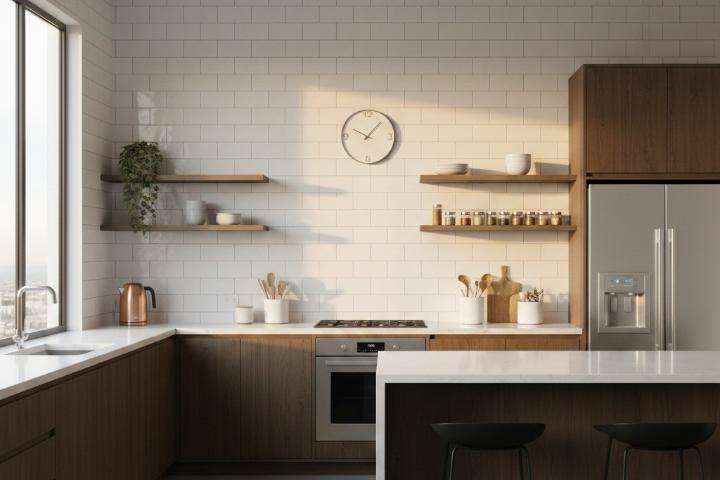
White porcelain tiles create airy, expansive atmospheres that amplify natural light throughout rooms. Their neutral base complements virtually any color scheme while providing visual continuity. Matte finishes offer subtle elegance, while glossy surfaces reflect light dramatically.
These tiles excel in small bathrooms where maximizing perceived space matters most. Subway patterns remain perennially popular, delivering contemporary design appeal with traditional roots. Large-format white tiles minimize grout lines, creating seamless modern aesthetics.
Black Porcelain Tiles: Bold Statement Surfaces
Black porcelain tiles introduce dramatic contrast and sophisticated depth to interior spaces. These surfaces anchor design schemes while providing striking visual weight. Glossy black finishes create mirror-like reflections, adding glamour to powder rooms and accent walls.
Matte black tiles deliver industrial-chic character without overwhelming smaller spaces. Their understated texture complements metal fixtures and minimalist cabinetry. Professional installation ensures proper layout, which you can explore through curated tile collections showcasing various black tile applications.
Grey Porcelain Tiles: Versatile Neutrals
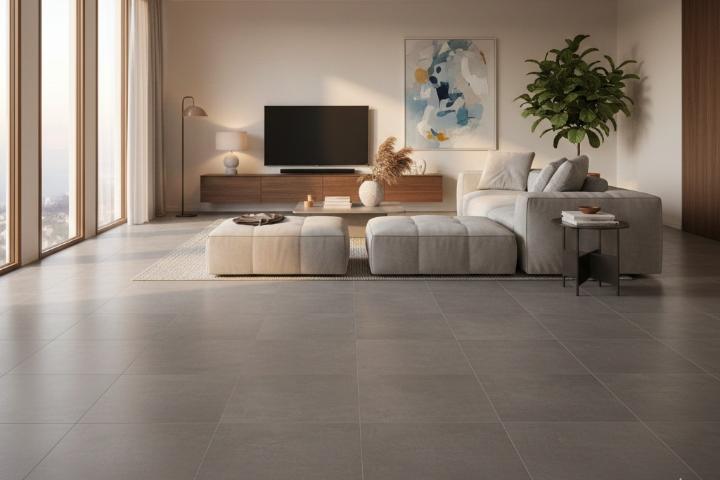
Grey porcelain tiles offer remarkable versatility, bridging warm and cool color temperatures effortlessly. Light greys brighten rooms while maintaining sophisticated restraint. Darker charcoal tones ground spaces with substantial presence. This spectrum accommodates transitional, modern, and industrial design directions.
Textured grey tiles mimicking concrete or natural stone add dimensional interest without pattern complexity. These surfaces pair beautifully with wood tones, creating balanced material palettes. Grey tiles hide minor dirt better than pure white while avoiding black's intensity.
Blue Porcelain Tiles: Calming Aquatic Tones
Blue porcelain tiles evoke tranquility and freshness, particularly suitable for bathrooms and spa-inspired retreats. Soft powder blues suggest vintage charm, while deep navy tones convey modern confidence. Textured finishes add tactile dimension, preventing surfaces from appearing flat or monotonous.
Mediterranean-inspired patterns featuring blue motifs create focal points on kitchen backsplash installations. Geometric blue tiles introduce playful energy to laundry rooms and mudroom applications. These colors remain timeless while feeling distinctly personalized.
Green Porcelain Tiles: Natural Harmony
Green porcelain tiles bring organic vitality indoors, referencing botanical themes and natural landscapes. Sage greens offer muted sophistication compatible with Scandinavian and farmhouse aesthetics. Emerald tones deliver luxurious richness, especially effective in contemporary design contexts.
Olive and forest greens ground spaces while connecting interior environments to outdoor views. These earthy tones complement natural wood cabinetry and brass fixtures beautifully. Green tiles create calming environments conducive to relaxation and rejuvenation.
Marble Porcelain Tiles: Luxury Without Maintenance
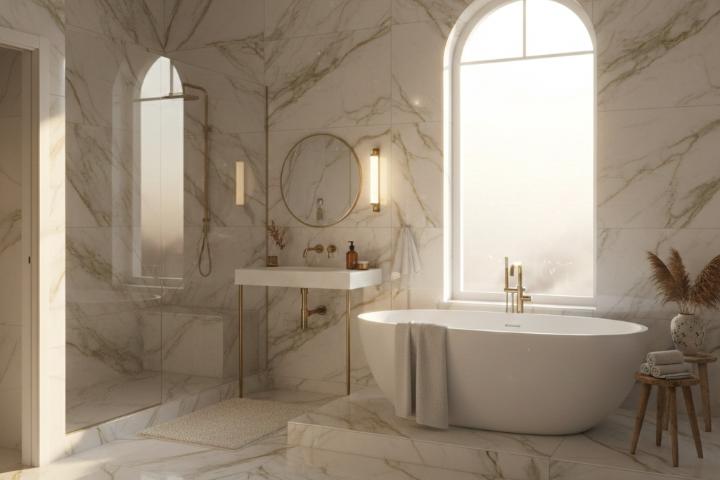
Marble porcelain tiles replicate natural stone's elegance while eliminating sealing requirements and staining concerns. Advanced printing technologies capture veining details and color variations convincingly. These tiles cost significantly less than genuine marble while offering superior durability.
Carrara-inspired white marble patterns suit classic interiors, while dramatic black marble alternatives create contemporary drama. Large-format marble tiles minimize seams, enhancing realistic appearance. Explore various marble styles through extensive product selections featuring diverse veining patterns.
Glossy vs. Matte: Finish Considerations
Glossy porcelain tiles reflect light brilliantly, making spaces appear larger and brighter. These finishes suit formal living areas and accent walls. However, glossy surfaces show water spots and fingerprints more readily, requiring frequent cleaning in high-traffic zones.
Matte porcelain tiles provide subtle elegance with superior slip resistance for floors. Their non-reflective surface hides minor imperfections and requires less frequent cleaning. Understanding porcelain certification standards helps identify appropriate finishes for specific applications, ensuring both safety and aesthetic success.
Porcelain Tile Style Comparison
Style | Best For | Design Effect |
White Porcelain | Small bathrooms, kitchens | Bright, expansive feel |
Black Porcelain | Accent walls, powder rooms | Dramatic, sophisticated |
Grey Porcelain | Living areas, all rooms | Versatile, timeless |
Marble Porcelain | Foyers, master baths | Luxurious, elegant |
Finding Your Perfect Tile Match
Selecting appropriate porcelain tiles requires balancing aesthetic preferences with practical considerations. Start by evaluating your space's lighting conditions, existing color palette, and functional requirements. Consider consulting design experts who understand local installation requirements and regional style preferences.
Sample programs allow homeowners to evaluate tiles under actual home lighting before committing to full orders. This eliminates guesswork regarding color accuracy and texture appearance. Many suppliers, including those offering locally sourced options, provide free sample programs with convenient shipping.
Professional guidance proves particularly valuable when coordinating multiple tile types within single projects. Experts help calculate accurate quantities, accounting for waste and pattern matching. They also advise on appropriate underlayment and installation methods conforming to industry installation standards.
Step-by-Step Selection Guide
Follow this systematic approach to streamline your porcelain tile selection process:
Step 1: Assess Your Space
Measure room dimensions carefully, noting architectural features like niches, windows, and door swings. Photograph existing elements you plan to keep, including cabinetry, countertops, and fixtures. Natural and artificial lighting significantly affects tile appearance.
Step 2: Define Your Style Direction
Collect inspiration images reflecting your aesthetic preferences. Identify common elements across your favorites, whether specific colors, patterns, or textures. Consider long-term satisfaction rather than fleeting trends when making selections aligned with emerging design movements.
Step 3: Order Samples
Request samples of your top three to five tile choices. View them in your actual space at different times throughout the day. Place samples against existing finishes to verify compatibility. Consider both individual tile beauty and overall pattern effect.
Step 4: Verify Technical Specifications
Confirm tiles meet appropriate ratings for intended locations. Floor tiles require different specifications than wall tiles. Review technical installation handbooks for specific application requirements.
Step 5: Calculate Quantities and Order
Add ten to fifteen percent extra for cuts, waste, and future repairs. Purchase all tiles from the same production lot to ensure color consistency. Verify delivery timelines align with project schedules before finalizing orders.
Porcelain Tiles: Advantages and Limitations
Advantages:
• Superior durability outlasting many flooring alternatives while maintaining appearance through decades of use
• Moisture resistance making them ideal for bathrooms, kitchens, and outdoor installations without degradation
• Low maintenance requiring only routine cleaning without special treatments or periodic refinishing
• Design versatility offering countless colors, patterns, and textures suitable for any aesthetic direction
• Cost-effectiveness providing long-term value despite higher initial investment compared to alternatives, especially when sourced through innovative distribution channels
Limitations:
• Cold surface temperature underfoot during winter months without radiant heating systems installed beneath
• Professional installation typically required for optimal results, increasing overall project costs beyond material expenses
• Hard surface offering less cushioning than resilient flooring, potentially causing fatigue during prolonged standing
• Breakage risk when heavy objects drop, although individual tiles can be replaced if extras purchased
Conclusion
Porcelain tiles offer unmatched versatility for homeowners seeking durable, beautiful surfaces that withstand time and trends. From classic white subway patterns to contemporary marble reproductions, these materials adapt to evolving aesthetic preferences. Their practical benefits complement visual appeal, delivering long-term value.
Whether updating a kitchen backsplash or renovating entire rooms, thoughtful tile selection transforms ordinary spaces into personalized retreats. Understanding various styles, finishes, and technical specifications empowers confident decision-making. Professional guidance and quality materials ensure successful installations that exceed expectations.
Ready to explore porcelain tile possibilities for your next project? Discover comprehensive selections and expert support that simplify the design process from initial inspiration through final installation, creating spaces you will cherish for years ahead.
Frequently Asked Questions
What makes porcelain tiles different from ceramic tiles?
Porcelain tiles feature denser composition fired at higher temperatures than ceramic tiles, resulting in lower water absorption rates below 0.5%. This superior density provides enhanced durability, frost resistance, and stain resistance. Porcelain tiles suit both interior and exterior applications, while ceramic tiles primarily work indoors.
Can porcelain tiles be used outdoors?
Yes, porcelain tiles excel in outdoor applications due to minimal water absorption preventing freeze-thaw damage. Select tiles specifically rated for exterior use with appropriate slip resistance ratings. Proper installation with adequate drainage ensures long-lasting outdoor performance across various climate conditions.
How do I clean and maintain porcelain tiles?
Regular sweeping or vacuuming removes loose dirt, while damp mopping with mild pH-neutral cleaners maintains appearance. Avoid harsh abrasives or acidic cleaners that could damage grout or decorative finishes. Periodic grout sealing protects against staining, though porcelain tiles themselves require no sealing.
Are large-format porcelain tiles harder to install?
Large-format tiles require precise substrate preparation and specialized installation techniques to prevent lippage and cracking. Professional installers use leveling systems and modified thin-set mortars designed for large tiles. While installation complexity increases, the finished result offers fewer grout lines and contemporary aesthetics.
What tile finish works best for bathroom floors?
Matte or textured finishes provide superior slip resistance for bathroom floors compared to glossy options. Look for tiles with appropriate slip resistance ratings, particularly for wet areas. Textured surfaces also hide water spots better while maintaining sophisticated appearance suitable for spa-like bathroom environments.