Eco‑friendly porcelain tiles combine environmental responsibility with stunning design. These sustainable tiles reduce your carbon footprint while elevating interior aesthetics. Modern homeowners seek materials that align with green living principles without compromising style or performance.
Porcelain tiles manufactured through sustainable processes offer exceptional durability and timeless appeal. They contain recycled content, consume less energy during production, and last decades longer than conventional alternatives. This longevity means fewer replacements and reduced waste.
Discover how these tiles transform spaces into environmentally conscious sanctuaries. You'll learn selection criteria, design applications, and maintenance strategies for sustainable home improvement. And if you’re exploring broader design inspiration, Elle Decor’s 2026 kitchen paint color trends show how eco‑friendly surfaces pair beautifully with upcoming palettes.
Let’s explore why eco‑friendly porcelain surfaces deserve consideration for your next renovation project.
Why Eco-Friendly Porcelain Tile Matters for Sustainable Living
Sustainable building materials dramatically reduce environmental impact while maintaining superior quality standards. Eco-friendly porcelain tiles address climate concerns through reduced emissions and responsible manufacturing. Selecting these tiles supports circular economy principles and healthier indoor air quality.
Traditional tile production consumes massive energy and generates substantial waste streams. Green manufacturing techniques reclaim materials, optimize kiln temperatures, and minimize water usage. These improvements translate to lower environmental costs without sacrificing aesthetic versatility or structural integrity.
For kitchen backsplash installations, sustainable porcelain provides heat resistance and moisture protection. The dense composition withstands daily cooking activities while remaining easy to sanitize. These surfaces resist staining better than porous alternatives, reducing harsh chemical cleaners.
Key environmental benefits include:
- Recycled content integration reduces landfill waste and virgin material extraction
- Energy-efficient firing processes lower carbon emissions during manufacturing
- Long lifespan minimizes replacement frequency and construction waste
- VOC-free composition promotes healthier indoor environments
- Local sourcing options reduce transportation-related emissions
 Conceptual rendering
Design Applications and Style Options
Sustainable porcelain tiles adapt to virtually any design vision through diverse finishes and formats. Contemporary manufacturing produces convincing stone replicas, wood textures, and artistic patterns. These options suit minimalist, traditional, and eclectic interior schemes.
Color selection influences spatial perception and complements existing decor elements. Neutral tones provide timeless foundations, while bold hues create focal points. Finish choices between matte and glossy surfaces affect light reflection and cleaning requirements. Browse color-coordinated collections to visualize these possibilities.
Installation patterns transform standard tiles into architectural statements. Herringbone layouts add dynamic movement, while grid patterns emphasize clean geometry. Consider professional layout planning guidance to maximize visual impact and material efficiency.
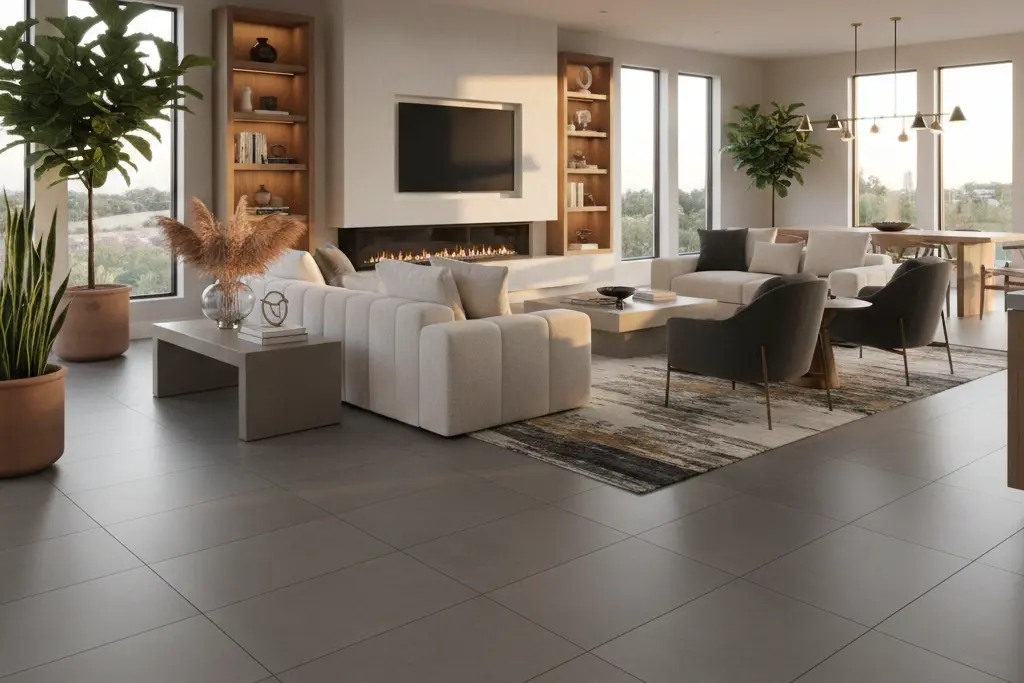 Conceptual rendering
Grey Porcelain Tiles for Modern Sophistication
Grey porcelain tiles deliver contemporary elegance without overwhelming visual presence. This neutral foundation accommodates bold accent colors and metallic fixtures. The versatile tone suits both residential and commercial applications. Explore contemporary slate look porcelain tile for flooring inspiration.
Lighter grey shades maintain spaciousness while adding subtle depth. Darker charcoal tones ground design schemes and provide dramatic contrast. Multi-toned grey variations mimic natural stone with enhanced durability. Check current bathroom tile trends incorporating these timeless hues.
White Porcelain Tiles for Bright Spaces
White porcelain tiles amplify natural light and create airy atmospheres in compact rooms. These versatile surfaces pair beautifully with any color palette or design style. They make small bathrooms appear larger and enhance kitchen luminosity.
Textured white finishes hide minor imperfections while maintaining brightness levels. Glossy variants reflect maximum light but show water spots more readily. Matte options offer sophisticated elegance with easier maintenance routines.
Black Porcelain Tiles for Bold Statements
Black porcelain tiles create striking focal points and define architectural boundaries. This dramatic choice emphasizes geometric patterns and creates sophisticated contrast. Balance dark surfaces with lighter elements to prevent overwhelming spaces.
Glossy black finishes reflect ambient light and add glamorous depth. Matte black surfaces absorb light for moody, intimate atmospheres. Consider professional installation techniques to achieve flawless results with dark materials.
Marble-Look and Matte Porcelain Finishes
Marble-look porcelain tiles replicate luxury stone without quarrying environmental costs. Advanced printing technology captures authentic veining patterns and color variations. These sustainable alternatives cost less and require simpler maintenance.
Matte porcelain tiles provide slip resistance and minimize glare in high-traffic areas. The subtle finish conceals fingerprints and water marks effectively. This practical choice suits families seeking low-maintenance durability. Review ceramic versus porcelain comparisons to understand performance differences.
Blue and Green Porcelain Tiles for Natural Ambiance
Blue porcelain tiles evoke tranquil coastal environments and promote relaxation. Ocean-inspired shades range from soft aqua to deep navy tones. These colors work exceptionally well in bathroom settings and spa-like retreats.
Green porcelain tiles bring botanical freshness indoors while supporting biophilic design principles. Sage, emerald, and forest tones connect interiors with nature. These earth-inspired hues complement sustainable living philosophies.
Selecting the Right Eco-Friendly Porcelain for Your Project
Choosing appropriate tile specifications ensures optimal performance and aesthetic satisfaction. Consider application requirements, traffic levels, and maintenance preferences. Understanding material properties prevents costly mistakes and future disappointments.
Porcelain tile ratings indicate durability under different conditions. The Mohs hardness scale measures scratch resistance from 1 to 10. Porcelain typically rates between 7 and 8, exceeding most natural stones.
Water absorption percentages determine suitability for wet environments. Porcelain absorbs less than 0.5 percent, making it ideal for showers and exterior applications. This impermeability prevents mold growth and structural damage. Explore product specifications for detailed technical information.
Porcelain vs Ceramic Tiles Comparison
Feature | Eco-Friendly Porcelain | Standard Ceramic |
Water Absorption | Less than 0.5% | 3-10% |
Durability Rating | 7-8 Mohs | 5-6 Mohs |
Recycled Content | 0.1–0.4% | Minimal |
Lifespan | Up to 40% | 20-30 years |
Frost Resistance | Excellent | Limited |
Pros and Cons of Eco-Friendly Porcelain Tiles
Advantages:
- Superior durability withstands heavy foot traffic and impact
- Waterproof composition prevents moisture damage and mold growth
- Recyclable materials reduce environmental footprint throughout lifecycle
- Stain resistance maintains appearance with minimal cleaning effort
- Versatile designs mimic natural materials at lower costs
For industry context, organizations like the Tile Contractors’ Association of America (TCAA) emphasize professional standards and responsible practices, reinforcing how eco‑friendly porcelain tiles align with broader commitments to quality and sustainability.
Considerations:
- Professional installation recommended for proper substrate preparation
- Initial investment higher than basic ceramic options
- Cold surface temperature may require radiant heating systems
- Weight considerations for second-floor installations
For technical guidance, the Tile Council of North America’s ANSI standards provide detailed benchmarks that help ensure proper installation, performance, and compliance across different applications.
5-Step Guide to Choosing Eco-Friendly Porcelain Tiles
1. Assess Your Space Requirements: Measure the installation area accurately and determine traffic patterns. Calculate 10 percent extra material for cuts and future repairs.
2. Research Sustainability Certifications: Look for third‑party environmental certifications and recycled content percentages. Verify manufacturer commitments to responsible production practices.
3. Request Physical Samples: Order samples to evaluate colors under your specific lighting conditions. Test texture preferences and finish compatibility with existing elements.
4. Compare Technical Specifications: Review water absorption rates, slip resistance ratings, and warranty coverage. Match tile specifications to intended application requirements.
5. Plan Installation Timeline: Schedule professional installers and coordinate material delivery dates. Prepare spaces by removing existing surfaces and addressing substrate issues. For added inspiration, explore upcoming industry gatherings in Dezeen’s 2026 design events guide, where sustainability and innovation in materials are key themes.
Discovering Quality Sustainable Tile Solutions
Finding reliable suppliers simplifies the selection process and ensures quality standards. Established retailers offer curated collections featuring certified eco-friendly options. They provide technical support and design consultation throughout your project.
Reputable tile specialists stock diverse sustainable porcelain inventories with immediate availability. Their showrooms allow hands-on evaluation of textures, colors, and finishes. Knowledgeable staff guide customers toward appropriate selections for specific applications.
Sample programs let homeowners test materials in actual spaces before committing to full orders. This risk-free approach prevents expensive mistakes and confirms design decisions. Many suppliers ship samples quickly to facilitate timely project planning.
Local showrooms provide personalized service and support community businesses. Regional suppliers often maintain relationships with skilled installers who understand product specifications. Visit nearby locations to experience materials firsthand and receive expert recommendations.
Comprehensive product catalogs organize tiles by size, style, and color for efficient browsing. Filter tools narrow selections based on budget, application, and aesthetic preferences. Explore organized collections to streamline your search process.
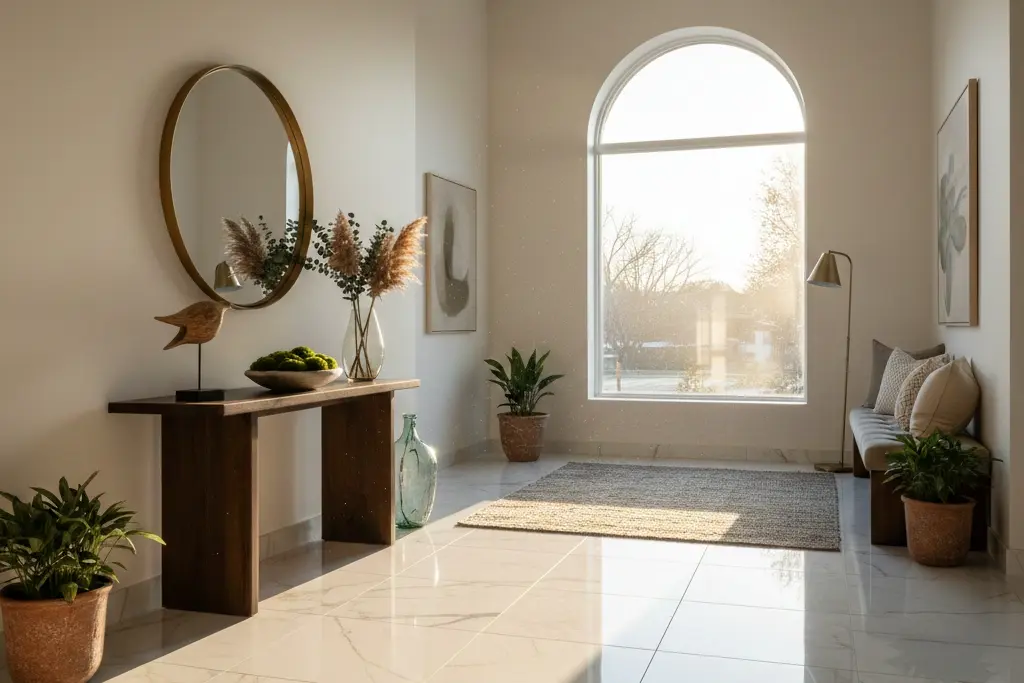 Conceptual rendering
Specialized terrazzo-look porcelain combines sustainability with retro-modern charm. These designs incorporate recycled aggregates while delivering distinctive visual interest. Such innovative products demonstrate how eco-friendly choices enhance rather than limit creativity.
Size variations affect installation complexity and visual impact. Standard formats simplify layouts, while larger planks create seamless contemporary looks. Brows dimension options to identify ideal proportions for your space.
Expert guidance transforms overwhelming choices into confident decisions. Reach out through direct consultation channels to discuss specific project requirements and receive personalized recommendations tailored to your vision.
Conclusion
Eco-friendly porcelain tiles represent the convergence of environmental responsibility and sophisticated design. These durable surfaces reduce ecological impact while delivering exceptional performance and aesthetic versatility. Selecting sustainable materials demonstrates commitment to planetary health without compromising interior beauty.
From kitchen backsplash installations to comprehensive floor renovations, porcelain tiles offer practical solutions for conscious homeowners. Their longevity, low maintenance requirements, and diverse design options make them intelligent investments. Recycled content and efficient manufacturing processes further strengthen their environmental credentials.
Transform your space with materials that honor both style and sustainability. Explore comprehensive selections at leading suppliers who prioritize quality and environmental stewardship. Start planning your next project with expert guidance and discover how eco-friendly porcelain tiles elevate living spaces.
Frequently Asked Questions
Eco-friendly porcelain tiles contain recycled materials, use energy-efficient manufacturing processes, and produce minimal waste. Their exceptional durability reduces replacement frequency, lowering long-term environmental impact. Many manufacturers implement water reclamation systems and renewable energy sources.
Regular sweeping removes abrasive dirt particles that could dull surfaces. Clean with pH-neutral cleaners and warm water using microfiber mops. Avoid harsh chemicals that harm both tiles and indoor air quality.
Yes, porcelain's low water absorption rate makes it frost-resistant and suitable for exterior applications. Choose textured finishes for slip resistance on patios and walkways. Ensure proper installation with appropriate drainage systems.
Porcelain tiles are denser and less porous than ceramic tiles due to higher firing temperatures. This creates superior water resistance, durability, and suitability for demanding environments. Porcelain also maintains color consistency throughout the tile body.
Specialized retailers offer certified eco-friendly porcelain products. Look for suppliers providing sample programs and environmental certifications. Request sustainability documentation before purchasing to verify green manufacturing claims.