Porcelain tile is the better choice for most bathroom applications due to its superior water resistance and durability, while ceramic tile works well for walls and low-moisture areas at a lower cost. The key difference comes down to water absorption: porcelain absorbs less than 0.5% moisture compared to ceramic's 3-7%, making porcelain ideal for shower floors, bathroom floors, and wet areas.
Ceramic tiles, fired at lower temperatures (below 1,650°F vs. porcelain's 2,250°F), are softer, easier to cut, and more affordable.
Choose porcelain for: Bathroom floors, showers, wet rooms, high-traffic bathrooms, and areas with radiant floor heating.
Choose ceramic for: Bathroom walls, backsplashes, accent areas, powder rooms, and budget-conscious projects.
Whether you're refreshing a guest powder room or tackling a complete bathroom renovation, understanding these key differences will help you select the right tile for each area of your space. At Nova Tile and Stone, we help homeowners throughout Northern Nevada and Northern California find the perfect tile for every project. This guide breaks down everything you need to know about both materials, from manufacturing and installation to maintenance and long-term performance.
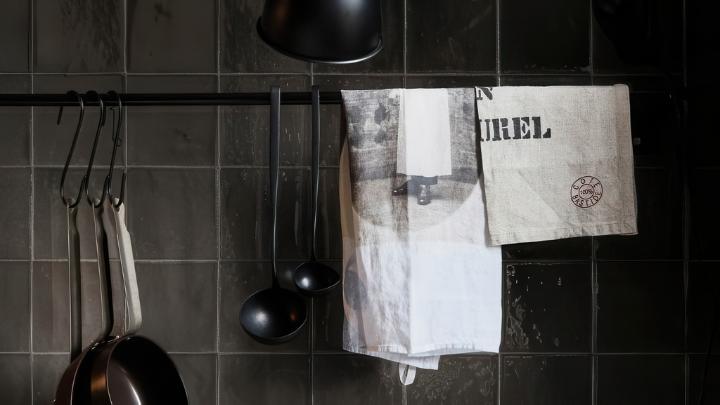
Understanding Ceramic Tiles
Ceramic tiles have been a popular choice for bathroom applications for decades, thanks to their accessibility, creative potential, and ease of installation. Let's explore what makes ceramic tiles a viable option for your bathroom project.
How Ceramic Tiles Are Made
Ceramic tiles are crafted from a blend of natural clays, shaped, dried, and fired in a kiln at temperatures typically below 1,650°F. This manufacturing process creates a durable surface, though ceramic tends to be more porous compared to porcelain. However, once glazed, ceramic becomes significantly more resistant to water and stains, making it a practical choice for bathroom wall applications.
One of ceramic's biggest advantages is its design versatility. Manufacturers can produce an impressive range of colors, finishes, and textures, giving homeowners plenty of creative flexibility when designing their bathroom spaces to align with current interior design trends.
Best Applications for Ceramic Tiles
In bathroom settings, ceramic tiles perform exceptionally well on walls, vanity backsplashes, and surfaces that don't experience direct water contact. They're an excellent choice for accent walls, decorative features, and areas that bring character to the space without requiring heavy-duty moisture resistance.
For shower floors or high-moisture zones, ceramic should only be used if specifically rated for wet areas. Their lighter weight also makes them a practical choice for upstairs bathrooms where minimizing structural load is a consideration.
Pros of Ceramic Tiles
- Easy to cut and shape, making them ideal for fitting around bathroom fixtures like sinks and mirrors
- Budget-friendly, allowing for stylish upgrades without overspending
- Available in a wide range of finishes and colors to suit any bathroom design
- Lighter weight reduces structural concerns during installation
Cons of Ceramic Tiles
- More prone to cracking if heavy objects are dropped, especially on floors
- Can absorb moisture if unglazed, potentially leading to long-term damage
- Not recommended for use inside showers or around tubs with constant water exposure
- Less durable than porcelain in high-traffic areas
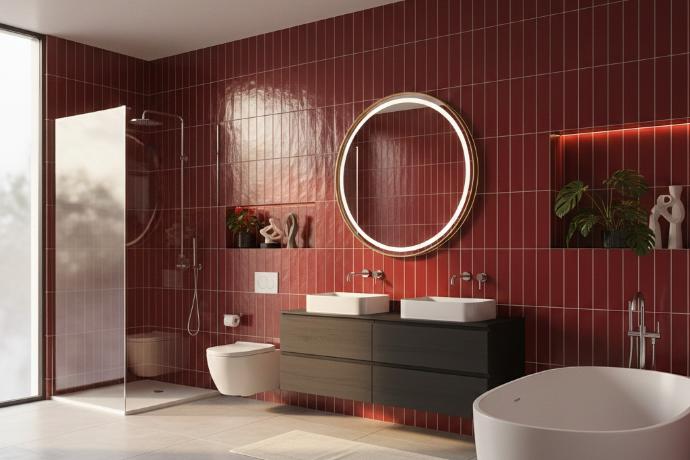
Understanding Porcelain Tiles
If you're looking for a tile that can handle daily wear and constant moisture exposure, porcelain stands out as one of the most dependable options available. Here's what sets porcelain apart and why it might be the right choice for your bathroom renovation.
How Porcelain Tiles Are Made
Porcelain tiles are manufactured from ultra-fine clay and fired at significantly higher temperatures, typically around 2,250°F. This intensive firing process creates tiles that are denser, harder, and considerably less porous than their ceramic counterparts.
A key distinguishing feature is porcelain's low water absorption rate, which must be 0.5% or less to qualify as true porcelain according to ASTM industry standards. This characteristic makes porcelain especially suitable for moisture-rich environments like bathrooms.
Porcelain tiles come in two main varieties: glazed porcelain, which features a protective surface coating, and through-body porcelain, where the color and pattern extend throughout the entire tile thickness. Through-body porcelain is particularly advantageous in busy bathrooms because it helps disguise chips and surface wear over time.
Best Applications for Porcelain Tiles
Porcelain is the top recommendation for bathroom areas that face constant moisture exposure, including floors, wet rooms, and shower surrounds. Its low absorption rate and exceptional durability make it perform remarkably well in spaces that demand resilience and water resistance.
Porcelain tiles are also an excellent choice for ground-level bathrooms, especially when paired with radiant floor heating systems, as they retain and distribute warmth effectively. If you're aiming for a bathroom that combines long-term functionality with a high-end aesthetic (like realistic stone or wood-look tile that stands the test of time), porcelain delivers on both fronts.
Pros of Porcelain Tiles
- Excellent thermal stability, making it ideal for use with underfloor heating systems
- Highly resistant to stains and discoloration, maintaining a clean appearance over time
- Available in larger format sizes for a seamless appearance with fewer grout lines
- Superior moisture resistance makes it suitable for showers and wet areas
- Exceptional durability for high-traffic bathroom floors
- Can realistically mimic natural materials like marble, wood, and stone
Cons of Porcelain Tiles
- Heavier than ceramic, potentially requiring additional subfloor support
- Limited color variation in through-body tiles compared to glazed finishes
- More difficult to cut and drill, increasing the risk of breakage without proper tools
- Higher upfront cost compared to ceramic options
- Professional installation often recommended

Key Factors for Choosing Between Ceramic and Porcelain
Selecting the most suitable tile for your bathroom requires careful consideration of the space's unique demands. Here's a breakdown of the key factors that should guide your decision.
Aesthetic Considerations
Both ceramic and porcelain tiles bring distinct visual strengths to bathroom design. Ceramic excels in color richness and surface variety, offering a canvas for bold, playful, or highly personalized designs. If you want to make a statement with vibrant colors or unique patterns that complement trending color palettes, ceramic provides that creative freedom.
Porcelain shines in its ability to realistically mimic natural materials. If you desire the refined look of marble, limestone, travertine, or hardwood without the associated maintenance requirements, porcelain offers that level of realism in a more durable, water-resistant form. Modern printing technology allows porcelain tiles to replicate natural materials with remarkable accuracy. Visit one of our showrooms in Reno, Minden, Sacramento, or Fernley to see the difference in person.
Installation Complexity
One of the most noticeable differences between ceramic and porcelain lies in the installation process. Ceramic tiles are generally easier to work with. They can be cut using a manual tile cutter and set with standard adhesives, making them a practical option for experienced DIY enthusiasts.
Porcelain tiles, being much denser and harder, require a wet saw for precise cuts. Their weight and rigidity demand greater care and experience during layout and placement. For those unfamiliar with tile installation techniques, working with porcelain can be challenging. To ensure a clean, long-lasting result in a moisture-sensitive space like a bathroom, reach out to our team for professional guidance.
Budget and Cost Analysis
When budgeting for bathroom tiles, balance upfront costs with long-term performance. Ceramic tiles are typically more budget-friendly, and their easier installation can also reduce labor costs if you're hiring professionals.
Porcelain tiles come at a higher price point, especially for premium styles that replicate natural stone or wood. Although the initial investment is higher, porcelain's exceptional durability and water resistance make it a wise long-term investment for bathrooms that experience frequent moisture and daily use. The minimal maintenance requirements can easily offset the initial expense over the tile's lifespan.
Lifespan and Durability
Both ceramic and porcelain tiles offer lasting value when installed and maintained correctly. Porcelain is renowned for its exceptional durability, often lasting 30 to 50 years or more without significant signs of wear. Its dense surface stands up admirably to everyday impact, moisture exposure, and staining.
Ceramic tiles have a respectable lifespan, typically ranging from 20 to 30 years, particularly when used on walls, backsplashes, or areas with minimal physical stress. While ceramic may be more susceptible to chips or cracks from impact, proper installation and appropriate placement can significantly extend its longevity.
Maintenance Requirements
Keeping bathroom tiles in excellent condition doesn't require complicated procedures. Both ceramic and porcelain tiles are non-porous when glazed and relatively easy to maintain.
For daily cleaning, a mild, non-abrasive cleaner combined with warm water is typically sufficient. This gentle approach preserves the surface finish and prevents buildup in humid bathroom environments. Avoid harsh or acidic chemicals, which can wear down the glaze over time.
For deeper cleaning, pH-neutral cleaners effectively lift soap scum and stains without damaging the tile surface. Use soft sponges or microfiber cloths rather than abrasive scrubbers, particularly on glossy finishes.
Grout Care
Grout plays a crucial role in the appearance and durability of your tile installation. It fills the joints between tiles, keeping them securely in place while blocking moisture from seeping behind the surface.
In areas with regular water exposure (shower floors, tub surrounds, and bathroom flooring), choose grout specifically rated for wet or high-humidity environments.
Regular grout maintenance is essential. Use alkaline-based cleaners that remove buildup without weakening the grout structure. Avoid acidic cleaning products, which can cause crumbling or cracking over time. Sealing grout lines periodically helps maintain their appearance and water resistance.
Conclusion
Choosing between ceramic and porcelain tiles ultimately depends on your bathroom's specific needs, your budget, and your design preferences. Ceramic tiles offer excellent value, creative flexibility, and easier installation, making them ideal for walls, backsplashes, accent areas, and bathrooms with lighter use. Porcelain tiles provide superior durability, moisture resistance, and longevity, making them the preferred choice for floors, shower surrounds, wet rooms, and high-traffic bathrooms.
For many homeowners, the best approach combines both materials strategically: using ceramic for decorative wall applications where design variety matters most, and porcelain for floors and wet areas where performance is paramount.
By understanding the strengths of each tile type and matching them to specific applications within your bathroom, you can create a space that's both beautiful and built to last. Whether you're planning a simple refresh or a complete bathroom transformation inspired by the latest design innovations, seeing samples in person can help you visualize how different materials will look and feel in your space.
At Nova Tile and Stone, we offer free design consultations and a $1 sample program so you can test tiles in your home before committing. Browse our ceramic and porcelain tile selection online or visit us in person to get started on your bathroom project.
Featured Products
Frequently Asked Questions
Can I use ceramic tiles on my bathroom floor?
While ceramic tiles can be used on bathroom floors, they're generally better suited for low-traffic areas or powder rooms that don't experience heavy moisture exposure. For main bathrooms, master baths, or any floor area adjacent to showers and tubs, porcelain tiles are the recommended choice due to their superior water resistance (less than 0.5% absorption vs. ceramic's 3-7%) and durability. If you do choose ceramic for flooring, ensure it has a PEI rating of 3 or higher and is specifically rated for floor use.
Is porcelain tile worth the extra cost for a bathroom renovation?
For bathrooms that experience daily use and constant moisture exposure, porcelain tile is typically worth the additional investment. Its low water absorption rate, exceptional durability, and resistance to staining mean lower long-term maintenance costs and a longer lifespan (30-50 years vs. ceramic's 20-30 years). For guest bathrooms or powder rooms with minimal water exposure, ceramic may provide adequate performance at a lower price point.
Can I install ceramic or porcelain tiles over existing bathroom tile?
In some cases, yes. If the existing tile surface is clean, level, and firmly bonded, new tiles can be installed directly over it using appropriate adhesive. However, this approach raises the floor height, which could affect thresholds, door clearances, cabinetry, and plumbing fixtures. It's best to consult a professional installer to determine whether overlay installation is suitable for your specific bathroom.
Which tile type is better for shower walls and floors?
For shower applications, porcelain tile is generally the superior choice for both walls and floors due to its extremely low water absorption rate (less than 0.5%) and resistance to moisture damage. While glazed ceramic can work on shower walls in some situations, porcelain provides better long-term performance in the consistently wet environment of a shower enclosure. For shower floors specifically, choose porcelain tiles with textured or matte finishes to ensure adequate slip resistance.
How do I know if a tile is true porcelain versus ceramic?
True porcelain tiles must have a water absorption rate of 0.5% or less, as defined by ASTM standards. When shopping, look for tiles that are specifically labeled as porcelain and check the manufacturer's specifications for water absorption rates. Through-body porcelain tiles will show consistent color throughout when viewed from the side, while glazed ceramic tiles typically have a different colored body beneath the surface glaze. When in doubt, ask our experts for technical specifications.