Waterproof flooring, such as rigid-core LVP or sealed porcelain tile, can handle standing water and full submersion without swelling or warping, while water-resistant flooring, such as laminate or engineered hardwood, only tolerates brief spills before moisture causes damage. In Kings Beach, California, a lakefront community on the north shore of Lake Tahoe, this difference affects flooring decisions more than it would in a typical inland home, since the town's narrow, hillside-backed lakeshore setting means sand, snowmelt, and lake water regularly reach entries, kitchens, and lower levels. Nova Tile and Stone helps homeowners in the area weigh both options based on how each room in a lake home actually gets used.
What "Waterproof" Actually Means
A truly waterproof floor can have water sit on its surface for an extended period, or even be submerged, without the material absorbing moisture, swelling, or coming apart at the seams. Rigid-core luxury vinyl plank (LVP) and stone-plastic composite (SPC) flooring are built this way from the core out, so there is no wood content to break down when wet. Porcelain tile and properly sealed natural stone fall into this category as well, since the tile body itself does not absorb water once installed correctly.
What "Water-Resistant" Actually Means
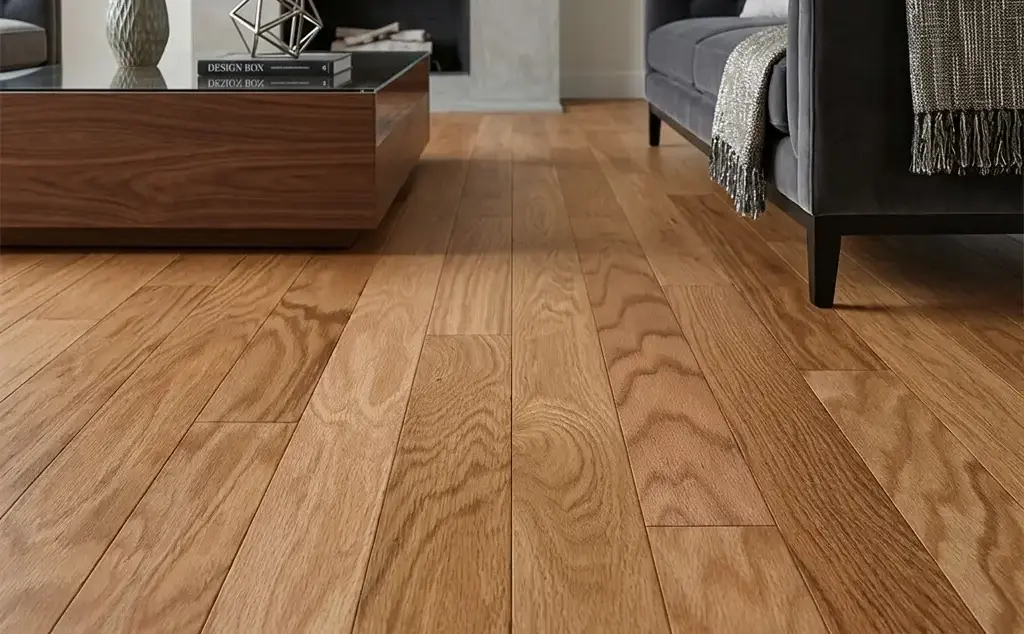
Water-resistant flooring can handle a spill that gets wiped up quickly or everyday humidity, but it is not built to withstand standing water. A U.S. Department of Energy guide on flooring for wet areas of the home notes that laminate flooring can tolerate some exposure to water, but excessive saturation, spills, or standing water can still cause the planks to swell and buckle. Traditional engineered hardwood follows a similar pattern: its layered construction makes it more moisture-tolerant than solid hardwood, but it can still swell or warp if water is left sitting on it rather than wiped up. That distinction is exactly why the marketing term "waterproof" gets used loosely, when the more accurate label for many popular products is water-resistant.
Why This Matters for Kings Beach Homes
Much of the local housing stock includes lakefront cabins, vacation rentals, and second homes that see heavier seasonal traffic than a typical full-time residence. Wet swimsuits, ski gear, sand, and snowmelt move through entryways and kitchens far more often here than in a standard suburban home, and because so many properties sit on a grade rather than flat ground, water and grit tend to travel downhill toward entry points and lower levels regardless of layout. A rental property or cabin that changes occupants frequently also means moisture issues, like a slow leak under a sink, can go unreported for longer, which raises the stakes for choosing a floor that tolerates worst-case exposure rather than best-case care.

Waterproof Options That Fit a Lake Home
Rigid-core LVP and SPC flooring comes in a wide range of wood-look and stone-look finishes, and it stays warmer underfoot than tile or stone, which makes it a comfortable fit for entries and lower-level living spaces that see the most lake traffic.
Porcelain tile offers a broader range of colors and textures than most other waterproof options and works equally well indoors or on covered exterior spaces like patios and entryways. To be classified as true porcelain rather than standard ceramic, tile must meet an industry water-absorption standard of 0.5 percent or less, which is part of why it performs so consistently in wet, high-traffic settings.
Natural stone, including granite, quartzite, and dolomite, offers the highest-end look of the three categories, though it requires periodic resealing to maintain its water resistance over time.

Matching the Material to the Room
No single waterproof material is the right fit for every space in a lake home, since sand, moisture exposure, and foot traffic vary widely from one room to the next.
Entries, mudrooms, and kitchens see the heaviest combination of tracked-in sand and water, which makes fully waterproof flooring worth the investment in these spaces. Dust, sand, and grit are the primary threat to a resilient floor's finish, which is why regular sweeping matters as much as the material choice itself. Rigid-core LVP or SPC with a thicker wear layer, generally 20 mil or more, tends to hold up better against this kind of grit than tile glaze or polished stone, which can dull with repeated abrasion.
Living rooms and great rooms see less sand and standing water, so porcelain tile or sealed natural stone can be a better fit where the goal is a higher-end natural material look and the room gets more careful use.
Bedrooms and other low-traffic upper-level spaces are the areas where water-resistant engineered hardwood remains a reasonable option, since exposure to sand and standing water is minimal.
Maintenance Notes for Lakefront Conditions
Whichever material ends up in a given room, a few habits help it hold up longer against lakefront conditions. For sealed natural stone, a quality sealer typically carries a lifespan of ten to fifteen years, though sealing needs vary by product and use. Resealing on that general schedule helps the surface continue resisting moisture over time. Doormats at entry points, along with a quick rinse of sandy shoes or gear before coming inside, cut down on how much abrasive grit ever reaches the floor in the first place, regardless of which material is installed.
Get Local Guidance for Your Kings Beach Project
Choosing between waterproof and water-resistant flooring often comes down to how each room in your home is actually used. Nova Tile and Stone offers free design consultations at our Reno showroom, located at 12835 Old Virginia Rd, Suite 24, Reno, NV 89521, where you can see and feel LVP, porcelain tile, and natural stone in person before deciding what fits your Kings Beach home. Call us at (775) 331-6682 to schedule a visit or ask questions about your specific project. Tile samples are available for $1 each so you can test colors and finishes against your existing space.
Conclusion
Waterproof and water-resistant flooring both have a place in a Kings Beach home. The right choice depends on what each room is actually exposed to, rather than a single blanket decision for the whole property. Entries, kitchens, and lower levels generally justify the investment in fully waterproof materials, while quieter, drier rooms can still work well with water-resistant options. Weighing that room by room tends to hold up better over time than choosing one flooring type for the entire house.
Frequently Asked Questions
Yes. Waterproof flooring resists water at the surface and through the core material, but grout lines, seams, and edges where the floor meets a wall or cabinet can still allow water to reach the subfloor if they are not properly sealed or maintained over time.
Installation cost depends more on the specific material chosen than on whether it is labeled waterproof or water-resistant. Rigid-core LVP is often comparable to or less expensive than engineered hardwood, while natural stone typically costs more than either option regardless of its water rating.
Rigid-core waterproof flooring is generally more forgiving of minor subfloor imperfections than tile or stone, which require a flat, stable surface for proper installation. Any flooring type still performs best over a properly leveled and prepared subfloor.
In many cases, rigid-core LVP can be installed over existing tile or hardwood if the surface is clean, flat, and structurally sound. Tile and natural stone installations typically require the existing flooring to be removed first.
Not necessarily. Rooms with regular exposure to snowmelt, lake water, or high foot traffic, such as entries and kitchens, benefit most from waterproof flooring, while lower-traffic rooms like bedrooms can often use water-resistant options without issue.
Note: Some images on this page may be conceptual renderings created to illustrate design possibilities and may not depict actual installations.