Subway tile is a rectangular ceramic or porcelain wall tile, typically glazed and installed in a brick-like offset pattern, valued for its light-reflecting surface and straightforward upkeep. It has become a common choice for kitchens and bathrooms in high desert climates like Bishop, California, where bright sun and dry air make an easy-to-clean, glare-friendly surface especially practical. Nova Tile and Stone offers a curated range of subway tile styles through our Minden showroom, which supports design projects throughout Bishop and the surrounding Eastern Sierra.
A Design Classic That Still Feels Fresh
Long before it appeared in residential kitchens, this rectangular wall covering lined the platforms of early twentieth century subway stations, chosen for its glossy finish and practical upkeep. A brief history of subway tile traces how the material moved from public transit into private homes over the following decades.
What began as a utilitarian choice for high traffic spaces gradually became a design staple, prized for the way its simple geometry reflects light and pairs with almost any color palette. That same versatility explains why the look remains popular today, whether paired with modern cabinetry or layered into a more traditional room.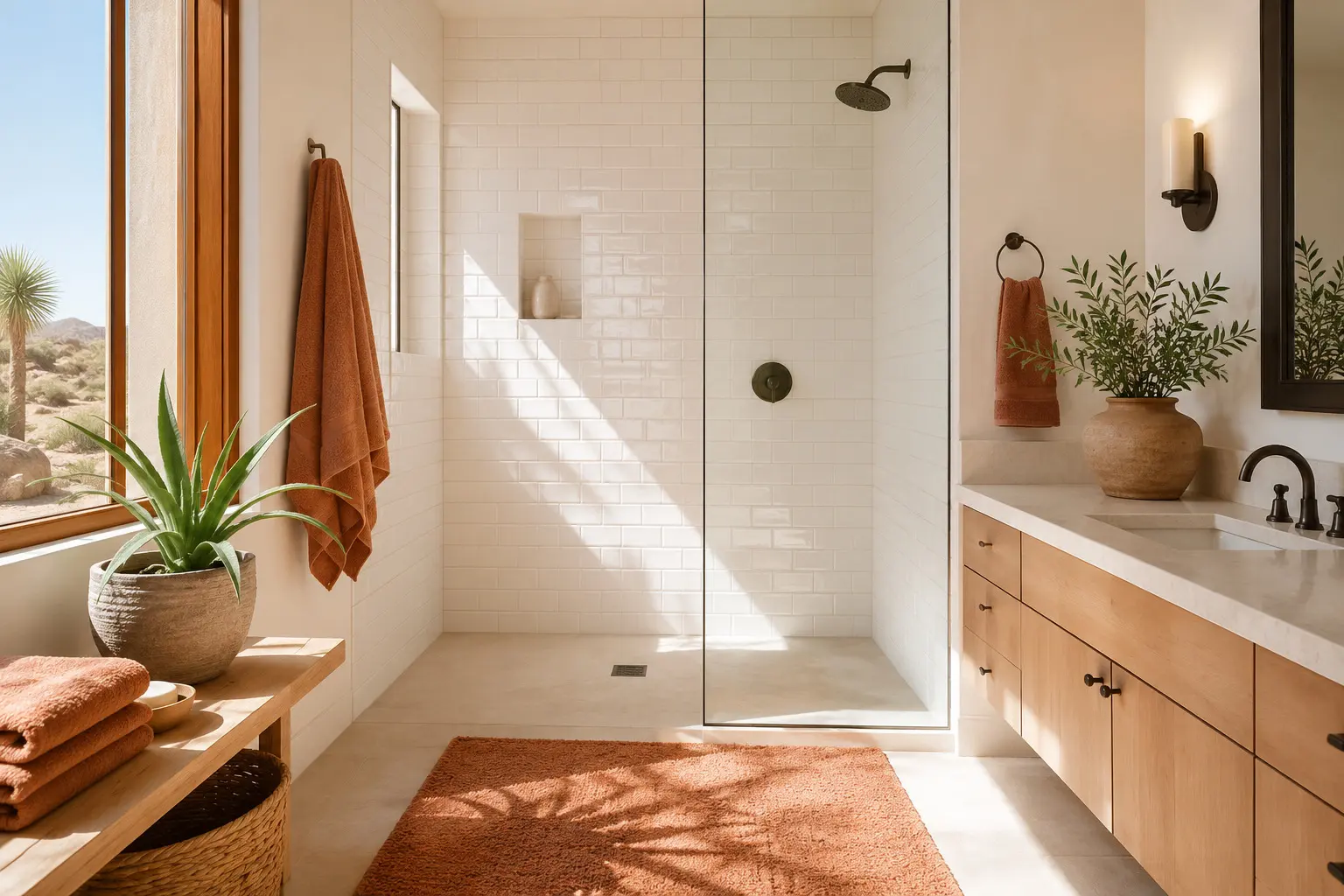
Why This Tile Style Suits Bishop's High Desert Homes
Bishop sits at roughly 4,100 feet in the Owens Valley, in the rain shadow of the Sierra Nevada, a position that helps explain why the area averages only around five to seven inches of rain in a typical year and sees no shortage of strong, direct sun. A glazed ceramic or porcelain option holds its color well under that kind of sun exposure, which matters for south facing kitchens and bathrooms that catch light most of the day.
Many households in the area also deal with dry, dusty conditions, so a surface that wipes clean without holding onto residue makes daily upkeep simpler. Ceramic and porcelain choices are generally stain resistant, but spills should be cleaned promptly to keep grout lines looking fresh.
Wide day-to-night temperature swings, common throughout the Owens Valley, are also worth considering when choosing a finish and size, since larger format pieces and smaller mosaic pieces can respond differently to seasonal shifts in a home's interior climate. For homeowners weighing options for a busy kitchen or a full bathroom refresh, exploring the full range of surfaces we carry shows how the same silhouette can appear in dozens of colors, textures, and edge profiles.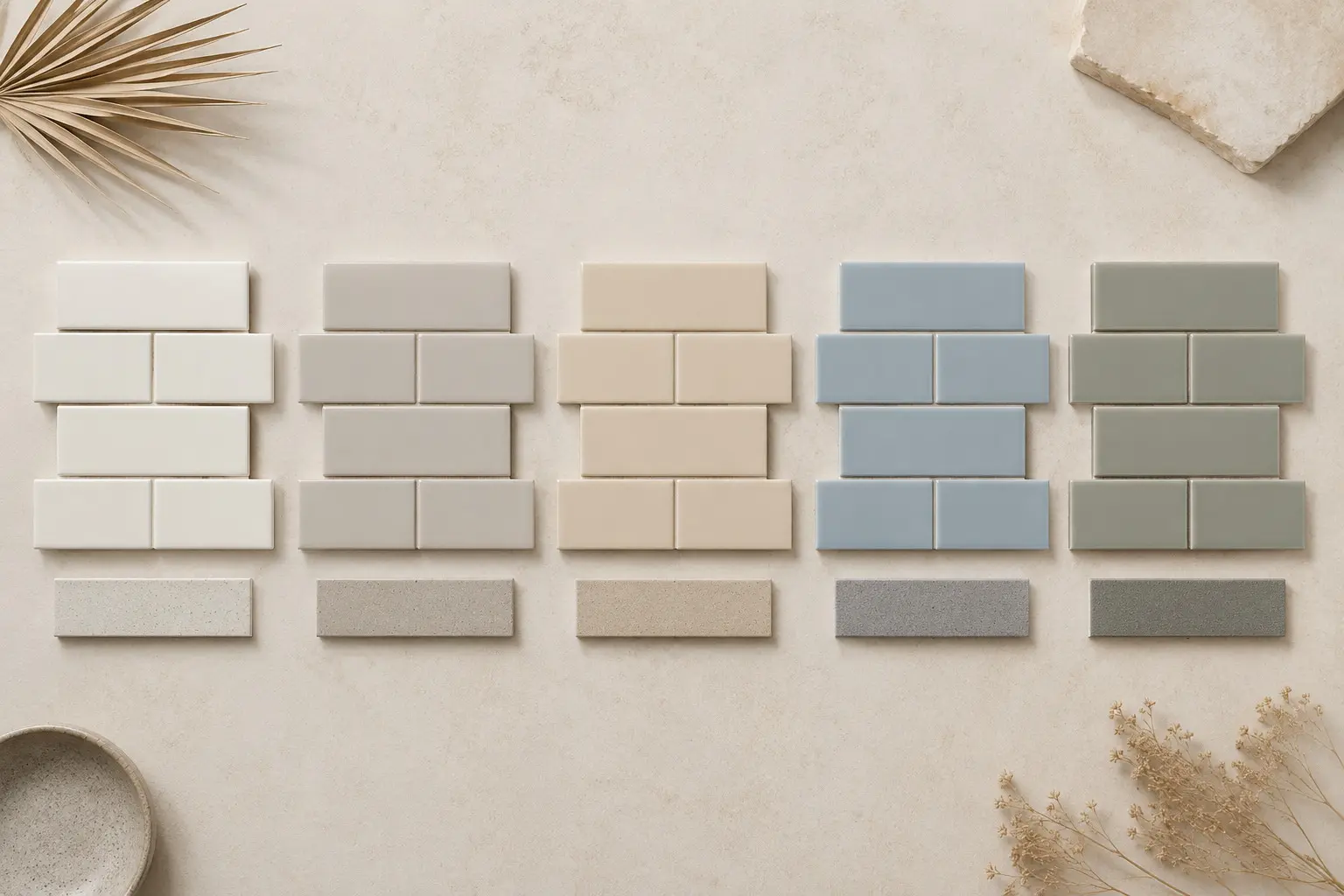
Complementary Colors and Grout Choices for a High Desert Palette
Color plays as large a role as material when planning a project in this part of California. Warm whites, soft greige tones, and pale sand shades tend to echo the surrounding high desert landscape and work well with the natural light common throughout the valley.
Cooler blues and greens can still work, particularly in a bathroom, though they read differently under the area's bright, direct sun compared to a shaded coastal room. Grout color deserves equal consideration, since a close match to the tile keeps a wall looking uniform, while a contrasting shade emphasizes the grid pattern and adds a more graphic quality to the finished space.
A darker grout can also help disguise everyday marks in a busy kitchen, which is one reason it remains a popular choice for high traffic spaces. Testing a few tile and grout combinations under actual room lighting, rather than relying on a single sample alone, tends to produce the most accurate sense of how a finished wall will look once complete.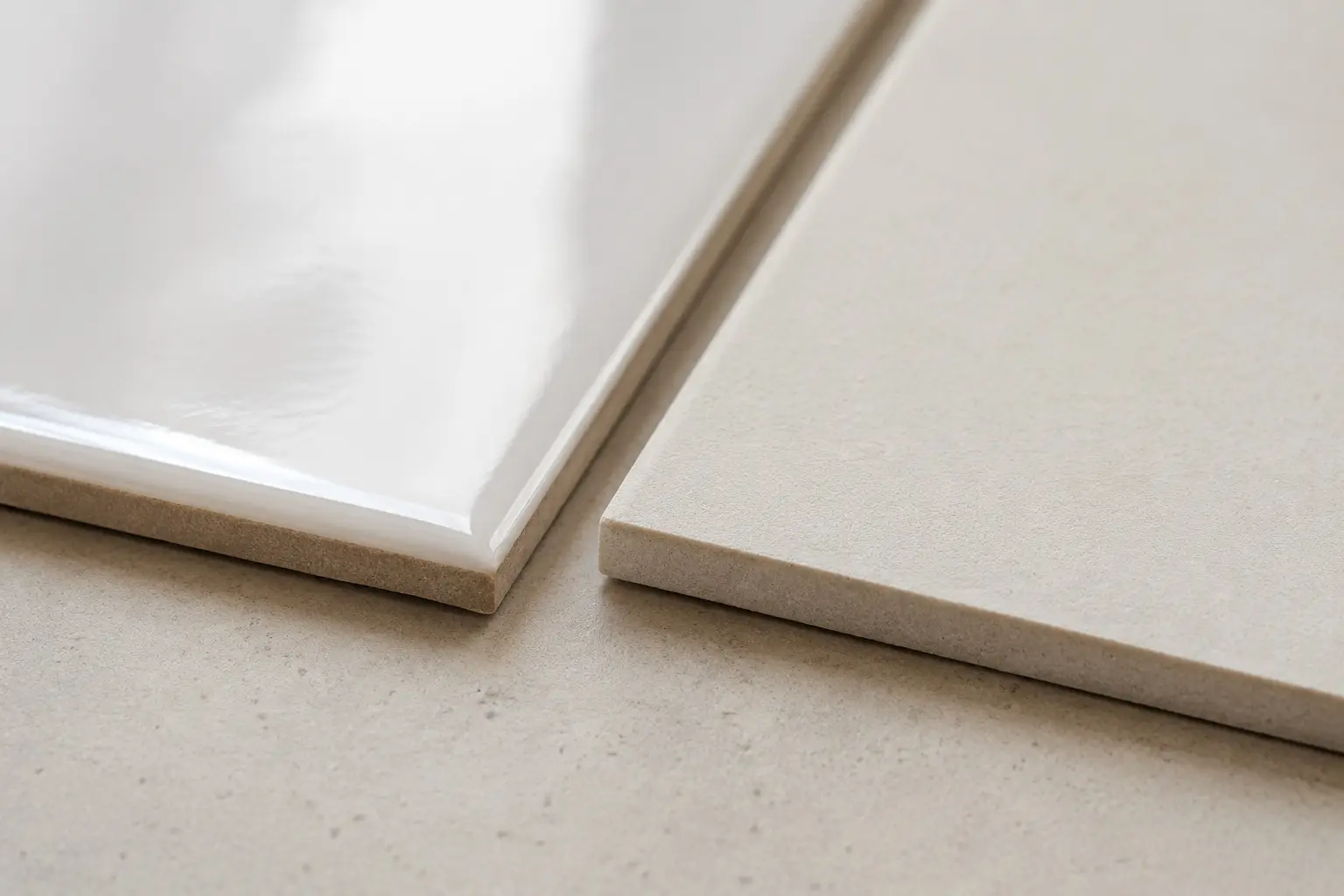
Materials, Finishes, and Sizes Worth Exploring
Classic ceramic remains a popular starting point, and pieces such as the Cyprus Bianco line show how a simple white glaze can still carry subtle texture and depth. Porcelain versions offer similar visual appeal with added resistance to moisture, though standing water should not be left sitting for long periods on any glazed surface.
Glass and natural stone interpretations of the same shape bring a different kind of shine, often used as an accent rather than covering an entire wall. Anyone comparing options across every category, not just this rectangular shape, can start by browsing the full tile catalog online for a broader sense of what is available.
Matte finishes tend to suit larger, sunlit rooms where a glossy surface might otherwise feel overly reflective, while a glossy option can help brighten a smaller bathroom or a windowless powder room. Because proportions matter so much with this style, it helps to compare pieces sorted by size before narrowing down a direction, since a longer plank shape reads very differently than a traditional brick dimension.
Layout and Pattern Ideas That Change the Whole Look
The pattern chosen for this tile shape has as much impact on the finished room as the material itself. A traditional running bond keeps the look understated, while a herringbone or basketweave arrangement adds movement and a more custom feel.
Shoppers who already have a design direction in mind may prefer browsing selections organized by style to see how finishes group together before settling on a layout. Vertical stacking is another direction gaining traction, often used to make a narrow wall or backsplash feel taller. In a galley style kitchen, a horizontal running bond can visually widen a narrow space, while a vertical stack draws the eye upward in a room with higher ceilings.
For a closer look at these options, our full guide to subway tile layout patterns walks through several of these arrangements in more detail, which can be a useful reference while narrowing down a direction for a specific room.
Where This Tile Style Makes the Biggest Impact
Kitchen backsplashes remain the most common application, largely because the tile's reflective surface brightens a workspace without overwhelming it. Bathroom walls and shower surrounds are a close second, particularly in homes where a bright, easy to wipe surface is preferred over painted drywall.
Laundry rooms, mudrooms, and small commercial storefronts can also make good use of the look, often paired with a contrasting grout color for extra definition. Wherever it is used, the glazed surface holds up well to everyday wiping and light contact, which is part of why it performs so well in high traffic spots like an entryway or a busy kitchen prep area.
Bringing the Look Home Through Our Minden Showroom
While Bishop does not have a standalone location of its own, it falls within the service area of our Minden showroom, part of Nova Tile and Stone's regional network of design centers. Anyone planning a project can schedule a free design consultation to walk through options one on one rather than guessing from photos alone.
Our team can help match samples to a specific room, lighting condition, or existing color scheme, and there is no pressure to decide on the spot. The showroom carries an extensive selection of tile styles, sizes, and finishes suited to the region, and the Minden location page has more detail on what to expect during a visit.
It sits within reach of Bishop for anyone willing to make the drive out to see samples firsthand, and the showroom can also be found here for those who like to plan a route in advance.
Conclusion
Subway tile has earned its lasting popularity by pairing timeless proportions with a surface that holds up to daily life, an especially useful combination in a sun-drenched, high desert setting like Bishop. Whether the goal is a full kitchen renovation, a refreshed bathroom, or a small accent wall in an entryway, the range of finishes now available makes it easy to find a version that fits both the home's style and its climate.
Comparing a few samples in person, and asking questions along the way, tends to make the final decision feel far more confident than working from photos alone. In a valley that averages roughly five to seven inches of rain a year and sees strong sun year-round, this adaptable material works equally well in a mountain cabin kitchen or a small downtown storefront.
Its rectangular shape, most often seen in a 3x6 inch size, reflects light well and pairs easily with many cabinet and fixture colors, which is part of why it has remained a common choice for both kitchens and bathrooms over the decades.
Glazed ceramic and porcelain versions generally hold up well in sunlit, dry conditions, and unlike natural stone tile, they typically do not need periodic resealing to maintain that performance.
The classic dimension is 3x6 inches, though options now range from elongated plank sizes like 4x12 to smaller mosaic style pieces, in glossy, matte, and textured finishes, which can be compared by browsing tiles sorted by size or by style.
Yes, many small businesses and storefronts use the same rectangular shape for its clean look and easy upkeep, typically on walls and counter fronts rather than floors, often adjusting the grout color or pattern to fit the space.
Our Minden showroom offers a free design consultation, where tile samples can be reviewed in person alongside countertop and cabinet finishes already on the showroom floor before committing to a direction for a specific room.
Frequently asked questions