Why Does Hard Water Leave Marks on Bathroom Tile?
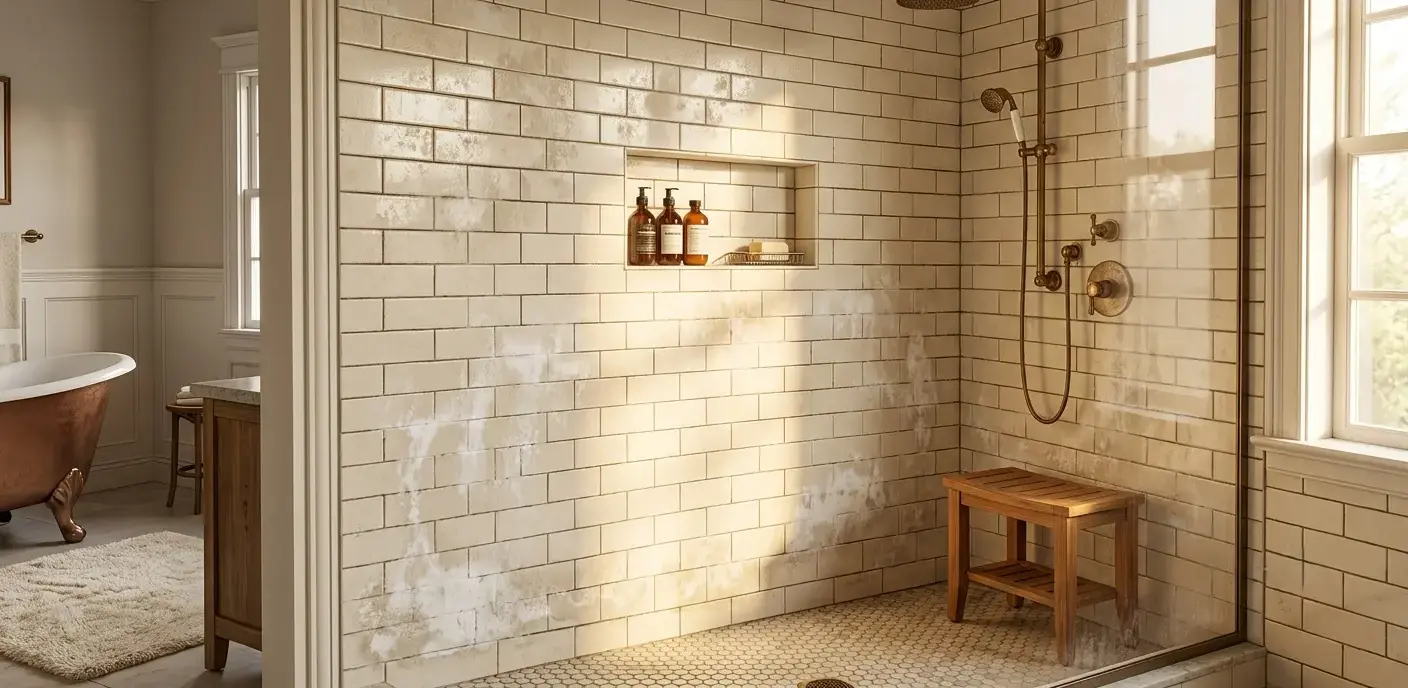
Hard water stains on tiles form when mineral-rich water evaporates and leaves calcium and magnesium deposits on the surface. These cloudy white or chalky marks show up most often on shower walls, tub surrounds, and bathroom floors across Wadsworth, Fallon, Silver Springs, Stagecoach, and Fernley homes, where groundwater tends to carry a higher mineral content. Regular cleaning slows buildup, but the right tile finish and material make a bigger long-term difference.
Wadsworth bathrooms see this issue often because local water supplies pull from mineral-heavy sources. As water splashes across ceramic, porcelain, or stone-look tile and dries, dissolved minerals settle into the surface texture and grout lines. Glossy finishes tend to show spotting faster than matte or textured options, though every finish benefits from prompt wiping after use. Homeowners planning a bathroom refresh often ask which tile finishes and materials hold up best against constant moisture, and the answer depends on porosity, glaze quality, and cleaning routine.
Water hardness levels differ from one neighborhood to the next, even within the same town, since groundwater mineral content depends on the specific well or municipal source feeding a home. A household on one side of Wadsworth might notice heavier spotting than a home just a few miles away, which is one reason a single cleaning routine does not work equally well for every bathroom. Testing a small, hidden tile area with a new cleaner before treating the whole shower is a reasonable first step regardless of location.
 Conceptual rendering
Benefits of Removing Hard Water Stains on Tiles
Clearing mineral buildup from bathroom tile brings more than a brighter look. A few real advantages stand out for homeowners across northern Nevada:
- Restores a clean, bright appearance to shower walls and floors, though buildup can return without regular upkeep.
- Helps preserve grout color and texture, though grout still benefits from periodic resealing.
- Reduces buildup that can dull glazed surfaces over time, though glaze quality varies by tile line.
- Supports easier long-term cleaning once mineral deposits are cleared, though local water hardness affects how often spots reappear.
- Improves overall bathroom appearance before hosting guests or listing a home, though results depend on tile porosity and finish.
Removing hard water stains restores a tile's original color and shine, though results vary by material. Porcelain and glazed ceramic generally respond well to gentle cleaning, while textured stone-look tile may need a specialized, pH-balanced cleaner to avoid dulling the finish. Homeowners across Fernley, Fallon, Silver Springs, Wadsworth, and Stagecoach often notice the biggest improvement on shower doors and tub surrounds, where standing water sits longest.
Addressing mineral spotting early helps prevent deeper buildup that can eventually dull a glaze over time. Browse the full range of finishes ahead of a remodel to choose tile that resists spotting from the start, rather than fighting stains once the tile is already in place.
Simple Steps to Remove Hard Water Stains from Tile
- Mix a mild, pH-balanced cleaner with warm water rather than reaching for abrasive powders that can scratch glazed surfaces.
- Apply the solution to affected tile and grout, then let it sit for a few minutes to loosen mineral deposits.
- Scrub gently with a soft cloth or non-abrasive pad, working in small sections to avoid streaking.
- Rinse thoroughly with clean water and dry with a soft towel to prevent new spots from forming.
- Repeat weekly in high-splash areas like shower walls, since consistent care limits future buildup better than occasional deep cleaning.
Hard Water Effects on Tile Finishes and Materials
Different tile finishes and materials respond differently to constant moisture and mineral exposure. Understanding these differences helps homeowners in Wadsworth and nearby communities choose tile that stays easier to maintain long after a bathroom refresh. The comparison below outlines how common finishes typically hold up against hard water spotting, based on general material characteristics rather than lab-tested specifications for any single product line.
Tile Type | Typical Porosity | Spotting Risk | Maintenance Level |
Glazed Porcelain | Low | Low to Moderate | Low |
Glazed Ceramic | Low to Moderate | Moderate | Low to Moderate |
Stone-Look Porcelain (textured) | Low | Moderate | Moderate |
Grout (sanded or unsanded) | High | High | Moderate to High |
Advantages and Considerations for Hard Water Areas
Advantages:
- Smooth glazed surfaces are generally easier to wipe clean than heavily textured finishes.
- Lighter grout colors show mineral buildup sooner, which can prompt quicker cleaning before stains set in.
- Larger-format tile reduces the total grout surface exposed to splashing water.
Considerations:
- No glaze or sealant is permanent, so all finishes benefit from a regular cleaning routine.
- Textured and leathered finishes can look distinctive but may trap mineral deposits in surface grooves.
- Local water hardness varies by household, so results can differ even with the same tile finish.
 Conceptual rendering
Glazed Ceramic and Porcelain Tile
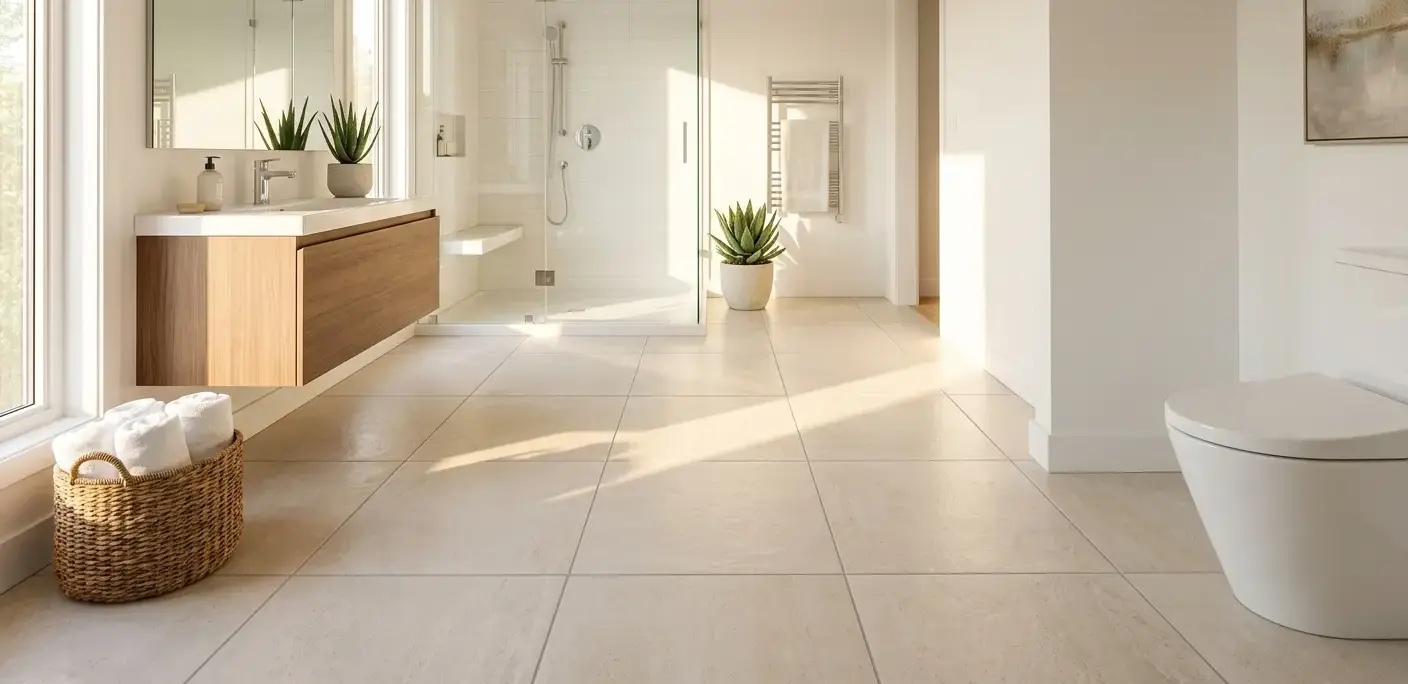
Glazed porcelain and ceramic tile generally resist moisture absorption better than unglazed surfaces, since the glaze creates a smooth, low-porosity barrier. Mineral deposits tend to sit on top of the glaze rather than soaking in, which usually makes wiping away hard water spots more straightforward. A matte or textured glaze can help disguise minor spotting between cleanings, though it still benefits from periodic wipe-downs. Browse the shop tiles by color page to compare glazed options in different tones for a Wadsworth bathroom refresh.
Natural Stone-Look Tile
Stone-look porcelain tile mimics the appearance of marble or travertine while offering different care needs than genuine stone. Because the surface is still porcelain, it resists staining in a similar way to standard glazed tile, though textured or leathered-look finishes can trap mineral deposits in surface grooves. Designers featured at the International Surface Event often highlight stone-look porcelain for its low-maintenance appeal in busy bathrooms. Wiping these areas promptly after showers helps keep the finish looking consistent, though heavier mineral content in local water may call for more frequent attention.
Grout Lines and Sealant
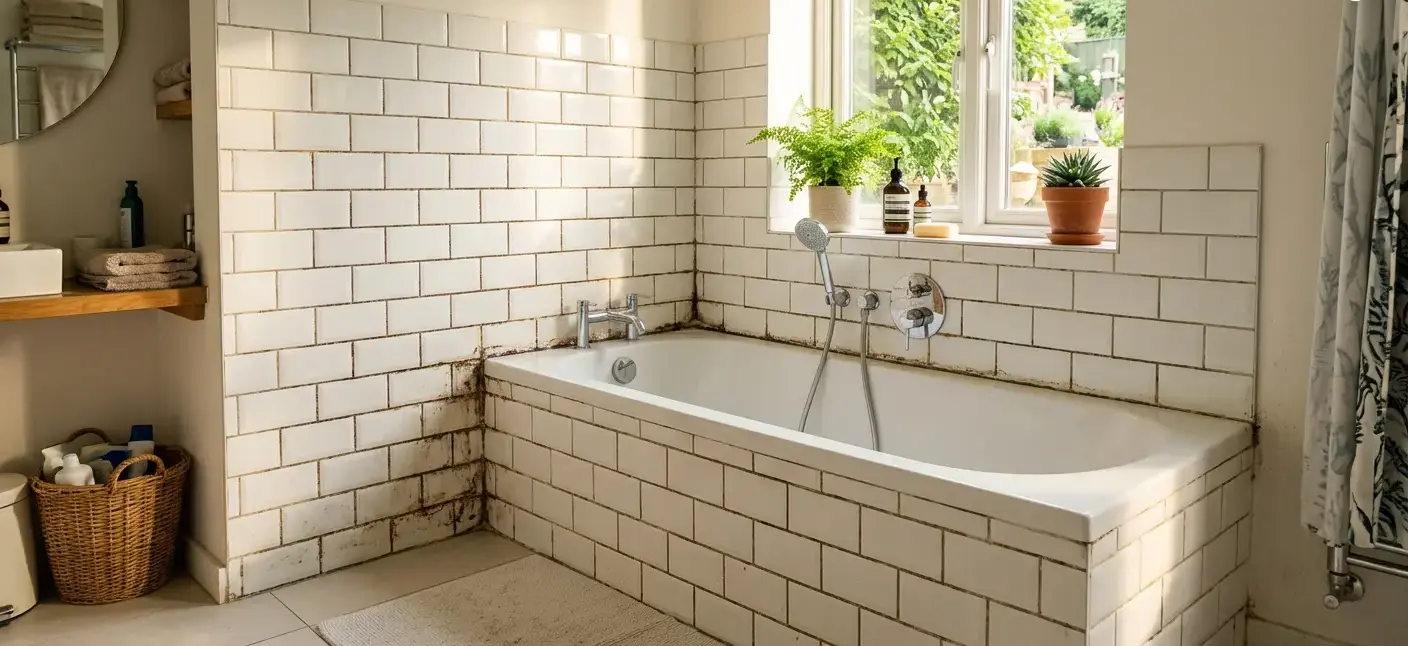
Grout lines typically absorb more moisture than the tile itself, making them a common spot for mineral buildup and discoloration. A quality sealant slows this process, though no sealant is permanent and periodic resealing keeps grout looking its best. Coverage from events like those featured in Dezeen's 2026 events guide often points to larger-format tile as a trend that reduces the total grout surface exposed to hard water splashes, though grout width still depends on tile size and edge type rather than a single universal fix.
 Conceptual rendering
A simple at-home water hardness test kit can help a household understand how much mineral content is actually present before choosing a tile finish. Households with notably hard water may lean toward glazed porcelain for easier upkeep, while those with softer water have more flexibility to select a textured or leathered finish purely for appearance. Neither approach is right or wrong, since personal cleaning habits and how often a bathroom gets used both factor into how noticeable spotting becomes over time.
How Nova Tile and Stone Supports Wadsworth Homeowners
Choosing a tile finish that resists hard water spotting is easier with guidance from someone familiar with the material's real-world performance. Nova Tile and Stone stocks a wide selection of glazed porcelain, ceramic, and stone-look tile suited to bathrooms across Fernley, Fallon, Silver Springs, Wadsworth, and Stagecoach.
Ordering a $1 tile sample with free shipping lets homeowners test a finish's look and feel at home before committing to a full bathroom project. Browse the shop to compare current tile options. Visit a local shop to see finishes in person and ask about care routines for hard water areas.
Speaking with Nova's tile specialists helps match a finish to a household's specific water hardness and daily bathroom use. Contact the team with questions about care for a specific tile line before making a final decision.
Expert guidance matters most when a bathroom sees heavy daily use, since the wrong finish choice can mean more frequent cleaning for years. A quick conversation about current water conditions in Fernley, Fallon, Silver Springs, Wadsworth, or Stagecoach can point toward a finish that fits both the intended look and the realistic maintenance a household is willing to keep up. Getting this decision right before a purchase saves time later.
Our latest content
Check out what's new in our company !
Conclusion
Hard water stains on tiles are a common concern in Wadsworth bathrooms, but choosing the right finish and keeping up a simple cleaning routine helps bathroom surfaces stay bright for years to come. Local water conditions across Fernley, Fallon, Silver Springs, Wadsworth, and Stagecoach vary, so matching tile material to a household's specific water hardness makes a real difference over time. Exploring Nova's full tile selection gives homeowners a starting point for comparing finishes before a bathroom refresh. Book your free consultation today!
Frequently Asked Questions
Hard water stains form when mineral-rich water evaporates and leaves calcium and magnesium deposits on the tile surface, most often in shower areas with frequent moisture exposure.
Grout is more porous than tile, so it tends to absorb minerals from hard water faster, which can lead to discoloration and a rougher texture over time.
A mild, pH-balanced cleaner applied with a soft cloth works well for most tile finishes, followed by a thorough rinse and dry to prevent new spotting.
Glazed porcelain and ceramic generally resist mineral buildup better than heavily textured finishes, since the smooth glaze gives minerals less surface area to cling to.
Yes, service areas include Fernley, Fallon, Silver Springs, Wadsworth, and Stagecoach, with tile selections suited to bathrooms across northern Nevada.