Shower tile ideas for Reno bathrooms center on three factors: slip-resistant flooring rated for wet foot traffic, a waterproofing membrane that meets ANSI A118.10, and a tile material suited to the area's hard water, such as large-format porcelain, natural stone like marble or travertine, or glass mosaic used as an accent. Reno's water supply blends Truckee River surface water with groundwater from area wells, which means mineral buildup on shower glass and grout happens faster here than in softer-water regions, making material choice and grout type more important than in a typical remodel. The same water system serves the broader Truckee Meadows area, including Sparks and Spanish Springs, so the same material considerations apply across the region rather than to Reno alone. The region's high desert climate has lower ambient humidity than coastal areas, which shifts more of the moisture-management burden onto the shower's waterproofing system, since proper bathroom exhaust ventilation alone is not enough to offset a shower that is not built to shed water correctly in the first place.
Shower Tile Materials That Hold Up in Reno Bathrooms
Porcelain tile is a common choice for Reno showers because it is dense, low-porosity, and available in large formats that cut down on grout lines, which is where mineral deposits tend to collect first. Marble-look and concrete-look porcelain in particular give homeowners the visual weight of natural stone without the sealing schedule that comes with actual marble or travertine.
Natural stone is still a strong option for Reno bathrooms that want a one-of-a-kind look, especially marble, travertine, and quartzite. Stone requires periodic sealing to resist water and staining, and that maintenance step matters more in a hard water environment since untreated stone can etch or discolor faster when exposed to mineral-heavy water day after day.
Glass and mosaic tile show up most often as accent bands, niche liners, or full accent walls rather than full shower surrounds, since they pair well with a larger-format field tile and give a shower some visual texture without covering every surface in small grout joints.
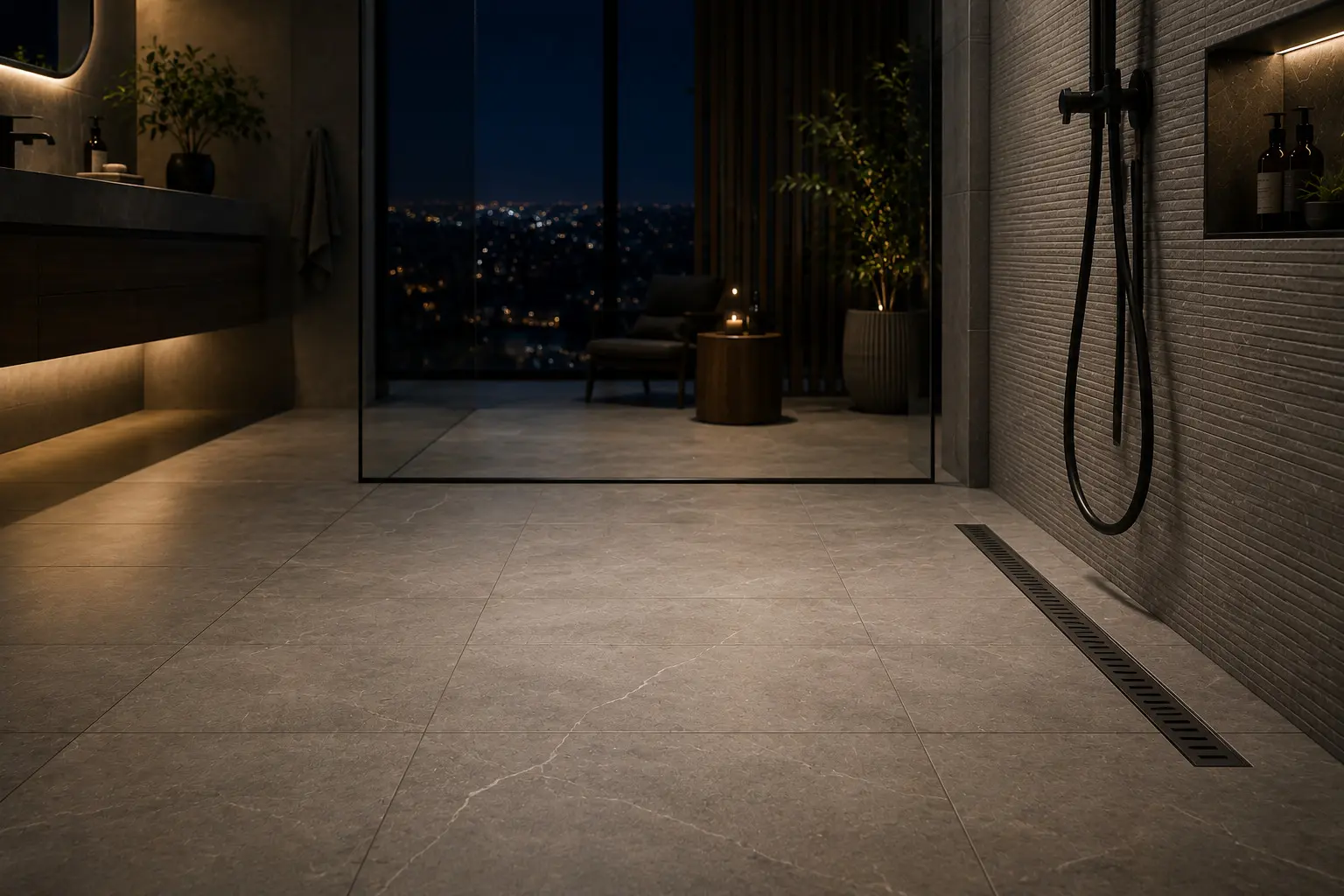
Slip-Resistant Flooring for Shower Floors
Shower floors are classified differently than the rest of a bathroom under the tile industry's slip-resistance framework. Standard bathroom floors that may get wet, like the area just outside the shower, fall under what the American National Standards Institute classifies as "Interior, Wet," which calls for tile with a minimum measured wet dynamic coefficient of friction (DCOF) of 0.42. Shower floors themselves fall into a stricter category. Public and private showers are classified as "Interior, Wet Plus," and it is generally accepted that hard surface flooring in this category should carry a minimum wet DCOF of 0.50 or higher, along with features like enhanced texture or tighter grout spacing to improve traction and drainage.
In practice, that means asking specifically about a tile's shower floor rating rather than assuming any porcelain or stone tile is suitable underfoot. Textured porcelain, small-format mosaic, which naturally adds more grout lines and traction, and certain honed or flamed stone finishes tend to meet this threshold more reliably than large-format polished tile.
Waterproofing Standards Behind the Tile
The tile itself is only half of a shower's water resistance. Behind the surface, showers need a waterproofing system that meets ANSI A118.10, the industry specification for load-bearing, bonded waterproof membranes used under thin-set tile and stone installations. This standard covers both sheet-applied membranes, which bond to the substrate with thin-set mortar, and liquid-applied membranes that cure into a continuous barrier. Model plumbing codes, including the Uniform Plumbing Code, reference this same ANSI standard when setting requirements for shower pan liners and wall membranes. That is why a reputable installer will be able to name the standard a given membrane meets rather than simply describing it as waterproof.
Grout, Sealant, and Reno's Hard Water
Grout and sealant choice matters more here than in areas with naturally soft water. Because the water supply has variable mineral content depending on the blend of surface and well water at any given time, standard cementitious grout in a shower will show mineral scale on the surface faster than it would in a low-mineral market. Epoxy grout resists staining and scale better than standard cement-based grout and is worth the added cost for shower applications specifically, even if it is not necessary elsewhere in the home. Whatever grout is used, sealing it on a regular schedule and cleaning glass and tile surfaces with a product designed to dissolve mineral deposits rather than just soap residue will keep a shower looking new considerably longer.
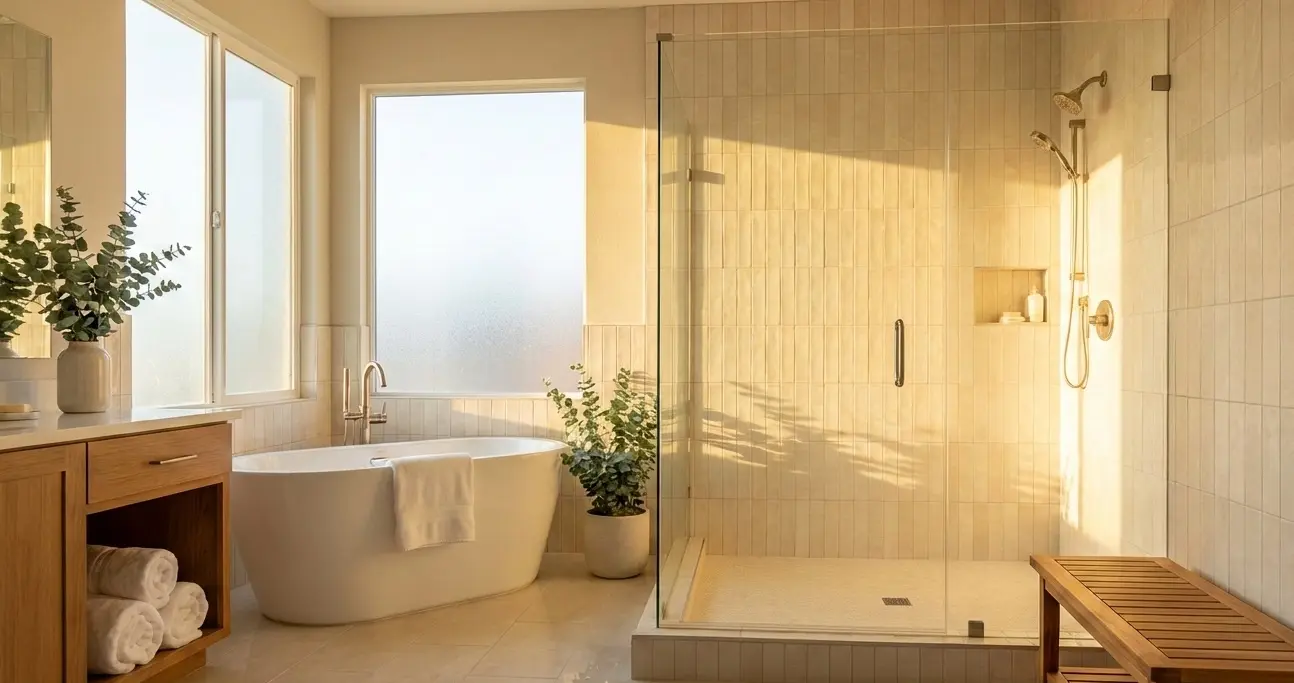
Layout and Pattern Ideas for Reno Shower
A few layout choices tend to come up often in Reno bathroom projects:
- Large-format field tile with a contrasting niche. A 12x24 or larger porcelain field paired with a mosaic-lined niche gives a shower a built-in focal point without adding maintenance across the whole surround.
- Herringbone or vertical stack on an accent wall. This works well in the smaller, older bathrooms common in neighborhoods like Old Southwest and Old Northwest Reno, where a single statement wall can make a compact shower feel more intentional.
- Curbless entries with linear drains. These read as more modern and also simplify slope planning, which matters when a waterproofing membrane and slip-resistant floor tile both need to work together across the pan.
- Half-height tile with a painted upper wall. A budget-conscious option that still gets full tile coverage in the splash zone, which is where most of the wear happens anyway.
Conclusion
Choosing shower tile in Reno comes down to matching material and slip resistance to how the space will actually be used, then backing that choice with a waterproofing system built to the correct ANSI standard. A tile that looks right but is not rated for wet foot traffic, or a shower assembled without a properly specified membrane, tends to show problems within a few years rather than holding up for the life of the bathroom. The right grout and a regular sealing routine round out the decision, and they matter more here than in many other markets given how quickly local water can leave mineral residue on glass and tile surfaces. Getting these decisions right at the planning stage, rather than after installation, is what separates a shower that looks good on day one from one that still looks good five years later.
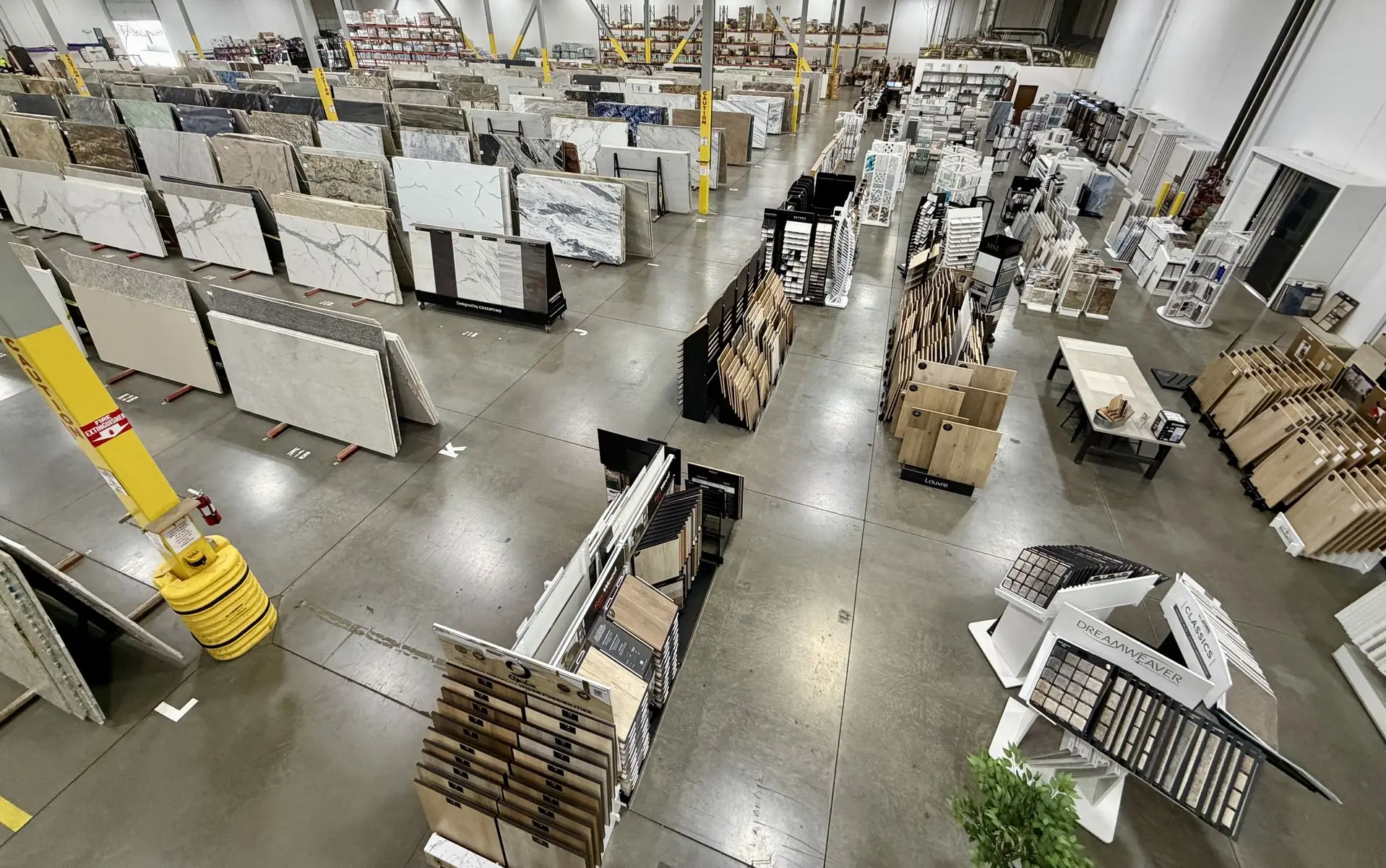
Nova Tile and Stone's Reno showroom, located at 12835 Old Virginia Road, Suite 24, Reno, NV 89521, carries porcelain, natural stone, and mosaic tile suited to shower applications. The showroom can be reached at (775) 331-6682, and more details are available on our website.
Frequently Asked Questions
Large-format porcelain tends to require the least upkeep, since its low porosity resists staining and its fewer grout lines mean less surface area for mineral scale to collect on compared to smaller tile or natural stone.
Not necessarily. Many Reno bathrooms use a coordinating field tile on the walls with a smaller-format or more textured tile on the floor, since floor tile needs to meet a higher slip-resistance standard than wall tile, which never gets walked on.
Yes. Most shower installations call for a modified thin-set mortar rather than standard mastic or adhesive, since it needs to bond tile to a waterproofing membrane and hold up under constant moisture exposure in a way that regular wall or floor adhesive is not designed for.
Grout line width is typically driven by the tile size and manufacturer specification, but slightly wider joints on a shower floor can actually help with traction, since more frequent grout lines are one of the features used to meet the stricter slip-resistance category for shower floors.
Yes. Darker tile and glossy, polished finishes tend to show water spots and mineral residue more visibly than lighter or matte finishes, which is worth factoring in for a Reno shower given the local water's mineral content.
Note: Some images on this page may be conceptual renderings created to illustrate design possibilities and may not depict actual installations.