Porcelain and ceramic tile differ mainly in density and water absorption. Porcelain is fired at a higher temperature from denser clay, giving it a water absorption rate below 0.5 percent, while ceramic tile typically absorbs 3 to 7 percent. This makes porcelain the stronger choice for bathrooms, kitchens, entryways, and outdoor spaces, while ceramic tile works well in bedrooms, accent walls, and other lower-moisture, lower-traffic areas at a lower cost. For Grass Valley homeowners weighing new flooring or wall tile, the right choice depends on which room the tile is going into, how much moisture and foot traffic it will see, and your budget. Our Sacramento showroom is a convenient stop for browsing both material types in person.
What Porcelain and Ceramic Tile Actually Are
Ceramic and porcelain tile both start with clay, but the similarities mostly end there. Ceramic tile is made from a coarser clay body and fired at lower temperatures. It is typically covered with a glazed surface layer, which gives it its color and pattern while the body underneath stays a lighter, more porous material.
Porcelain tile is made from a denser, more refined clay, often blended with sand and feldspar, and fired at higher temperatures. This process produces a tile with a much tighter internal structure. Some porcelain tiles are "through-body," meaning the color runs consistently through the entire thickness of the tile rather than sitting only on a glazed top layer.
That difference in density is the reason porcelain and ceramic tile behave so differently once installed.
Water Absorption and Where That Matters
One of the clearest technical differences between the two materials is water absorption rate, which is measured using ASTM C373 testing. Porcelain tile typically absorbs less than 0.5 percent of its weight in water, which classifies it as impervious. Ceramic tile usually falls somewhere between 3 and 7 percent water absorption, depending on the specific product. The ANSI standards that govern these classifications are maintained and updated by the Tile Council of North America.
For Grass Valley homes, this matters most in bathrooms, laundry rooms, mudrooms, and any exterior application like a covered patio or entryway. Lower water absorption means less risk of moisture working its way into the tile body over time, which is especially relevant in older Nevada County homes with less consistent ventilation or in rooms that see frequent temperature swings, such as homes at higher elevation around Grass Valley and the surrounding Sierra foothills.
Ceramic tile is not automatically a poor choice for these spaces. Properly installed and sealed, ceramic performs fine in most residential bathrooms. But for a shower floor, an outdoor patio, or a mudroom that takes on snow and mud through the winter, porcelain's lower absorption rate gives it a practical edge.
Slip Resistance for Bathrooms and Entryways
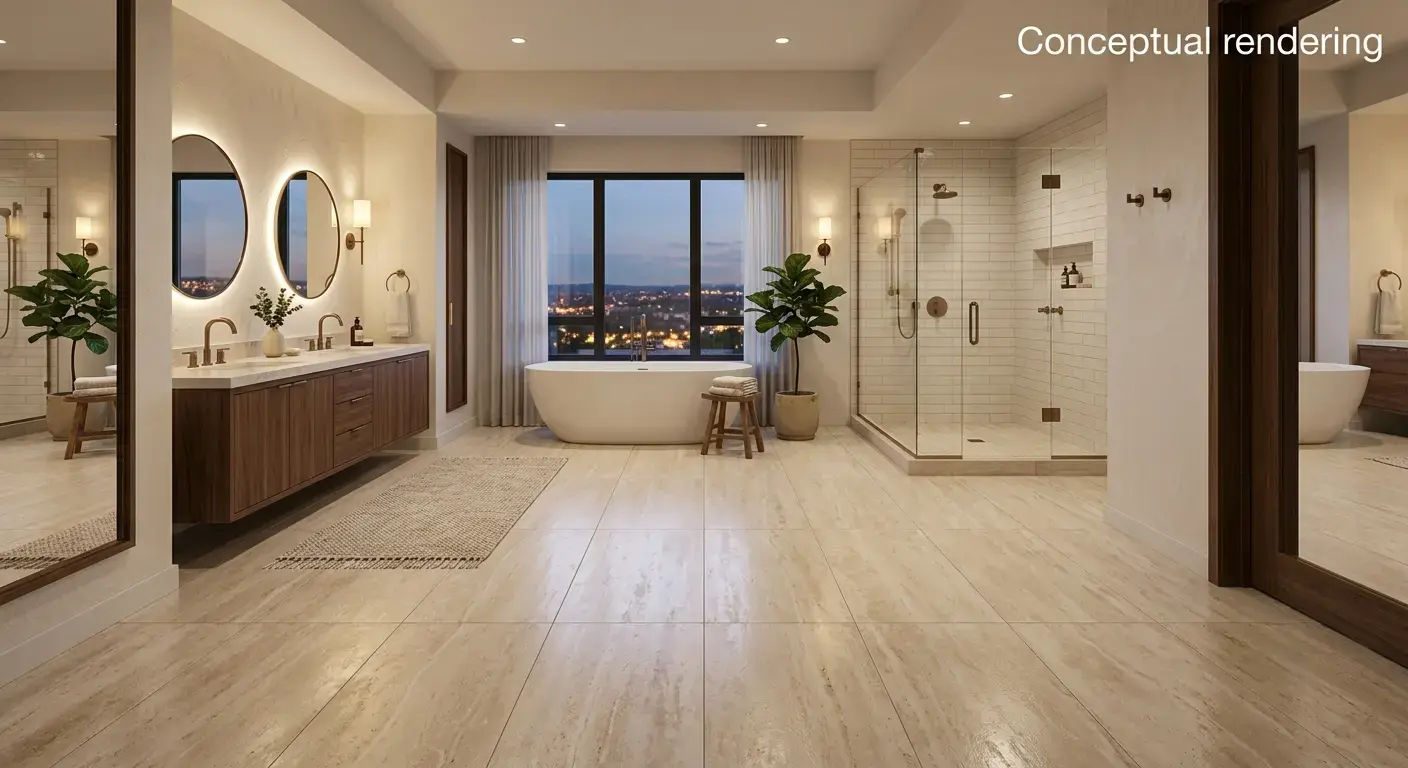
Slip resistance is measured using the DCOF (dynamic coefficient of friction) test outlined in ANSI A326.3. Both porcelain and ceramic tile are available in a wide range of DCOF ratings, since slip resistance depends on the surface texture and finish applied to the tile rather than the base material itself. Products carrying the porcelain tile certification mark have been independently tested against these water absorption and performance benchmarks.
This means the porcelain versus ceramic decision is less important here than the finish decision. A honed or matte porcelain and a matte-finished ceramic can perform similarly for slip resistance, while a highly polished version of either material will be more slippery when wet. For bathroom floors, shower floors, and entryways that see rain, snow melt, or pool water, we recommend looking at the DCOF rating on the specification sheet rather than assuming one material is automatically safer than the other.
Durability and Everyday Wear
Porcelain's denser structure generally makes it more resistant to chipping and cracking under impact, which is one reason it shows up so often in high-traffic commercial spaces. For a home, this translates to better performance in entryways, kitchens, and hallways where dropped pans, furniture legs, and daily foot traffic add up over years. Browsing our full tile, stone, and flooring selection side by side can help you compare how different materials hold up under everyday wear.
Ceramic tile holds up well in lower-traffic areas like bedrooms, powder rooms, and accent walls. Because the color and pattern sit in the glaze layer on ceramic tile, a deep chip can expose the lighter tile body underneath, which becomes visible as a different color than the surface. On through-body porcelain, a chip is far less noticeable because the material underneath matches the surface color.
Abrasion resistance for glazed tiles is tested using the PEI rating system, and this rating applies to both porcelain and ceramic products. Checking the PEI class for a specific tile, rather than assuming porcelain always outperforms ceramic on this measure, gives a more accurate picture of how a particular product will hold up in your space.
Cost Differences
Ceramic tile is generally the more affordable option per square foot, largely because of the lower-temperature firing process and simpler manufacturing. This makes it a practical choice for large-area projects, rental properties, or budget-conscious renovations where the performance demands are lower, such as bedroom floors or wall tile that will not see heavy foot traffic or moisture.
Porcelain tile typically costs more per square foot, and through-body porcelain costs more still. Installation costs can also run slightly higher for porcelain, since its density makes it harder to cut and can require different tools or blades. For Grass Valley homeowners weighing a full-home flooring project against a single bathroom remodel, this cost gap is often a deciding factor in where porcelain gets used and where ceramic makes more financial sense. Comparing current pricing on our tile shop page can help narrow down options before visiting in person.
Which Rooms Fit Which Material
A simple way to think about the choice is by room and by how much moisture, temperature change, and daily wear a space sees.
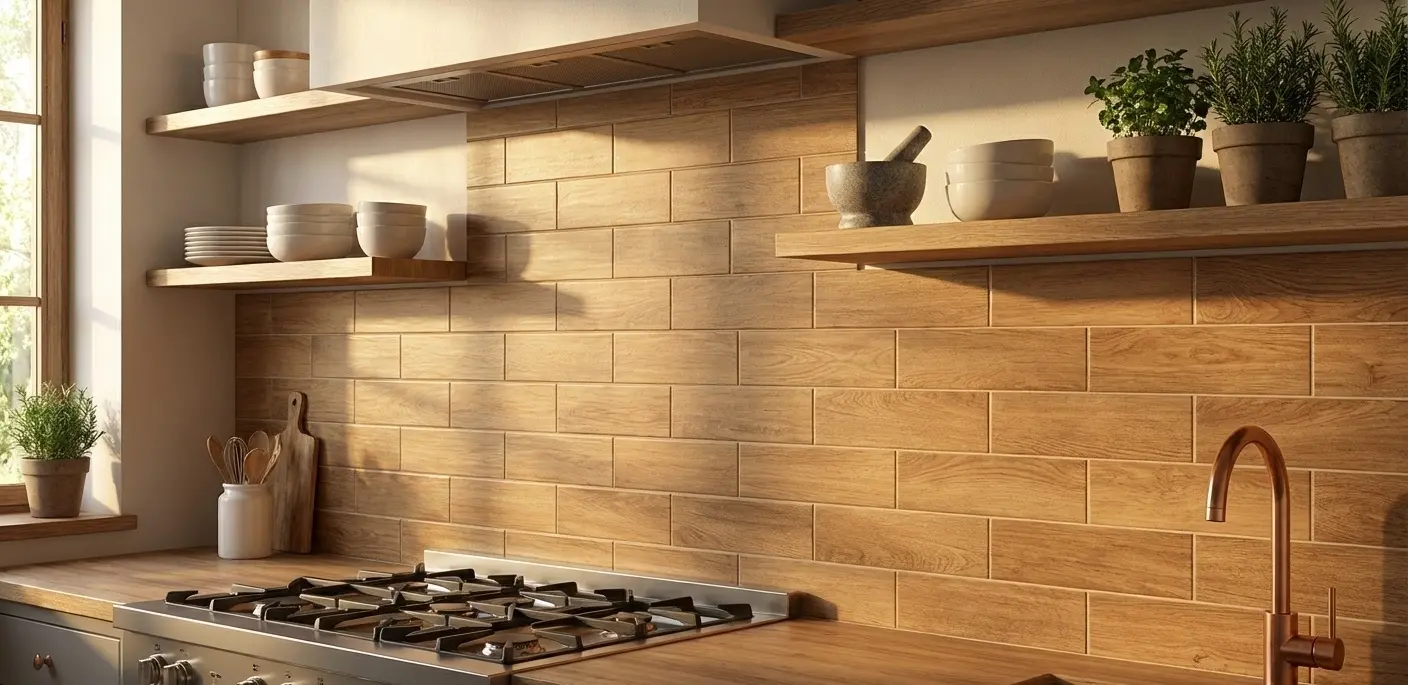
Bathrooms and showers benefit from porcelain's lower water absorption, particularly on shower floors and anywhere water pools. Kitchens see enough foot traffic and occasional spills that porcelain's added durability is worth considering, especially near sinks and stoves. Entryways and mudrooms, which take the brunt of Grass Valley's wet winters and dusty summers, are also a strong match for porcelain. A slate-look option like Contemporary Slate porcelain tile works well in these grip-finish applications.
Bedrooms, closets, and low-traffic powder rooms are reasonable places for ceramic tile, where the performance gap matters less and the cost savings can be put toward other parts of a renovation. Accent walls and backsplashes, which see no foot traffic and limited moisture exposure, are another area where ceramic's lower cost and wide design range make sense.
Outdoor applications, including covered patios and pool surrounds, generally call for porcelain rated for exterior use, since exposure to freeze and thaw cycles at Grass Valley's elevation puts more stress on tile than most interior rooms.
Design and Style Considerations
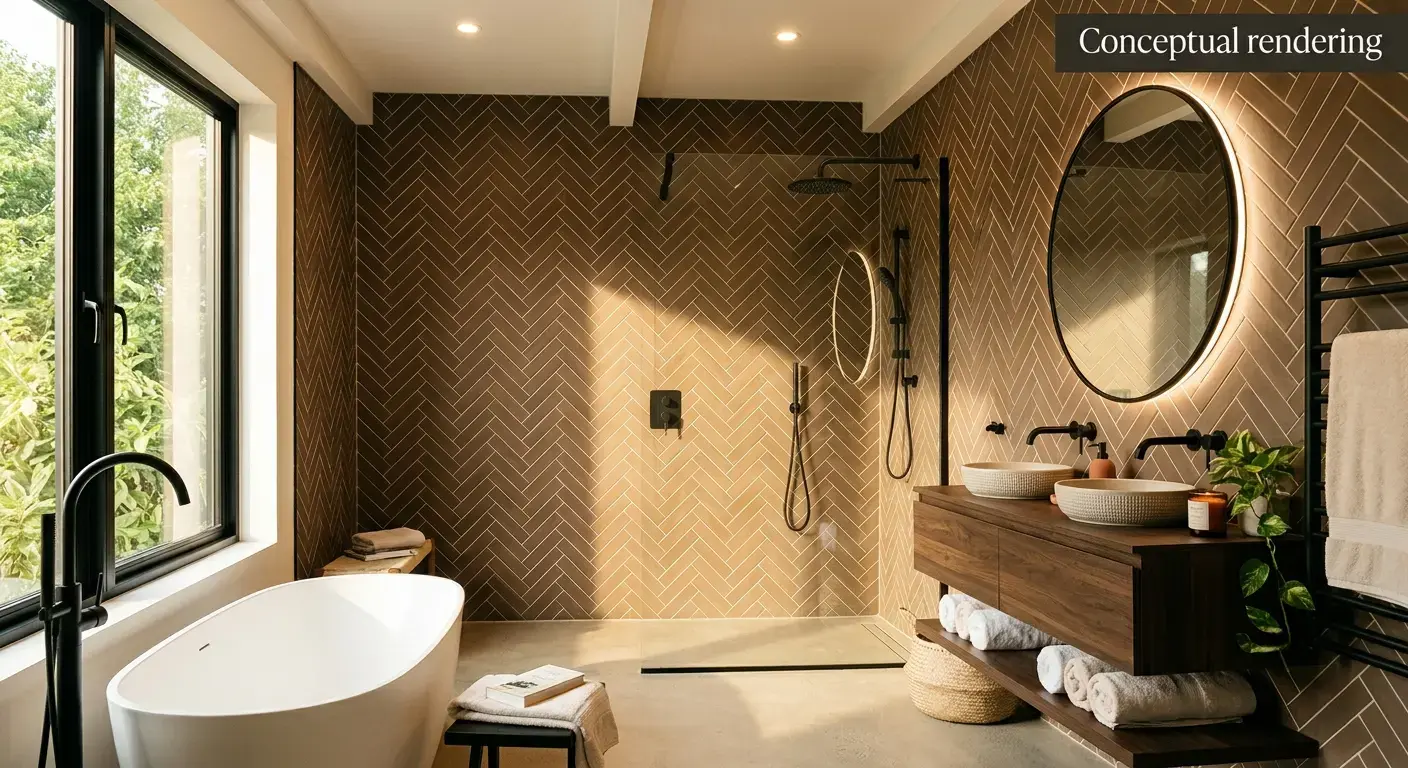
Both materials are manufactured in a wide range of looks, including wood-look planks, natural stone patterns, and solid colors in matte, polished, and textured finishes. Porcelain technology has advanced to the point where wood-look and marble-look porcelain tiles are difficult to distinguish from the materials they imitate, even at close range. A pattern like Terrazzo matte finish porcelain tile is one example of this design flexibility applied to a classic look.
Ceramic tile also offers strong design flexibility, particularly for decorative and mosaic tile where intricate patterns and smaller format pieces are common. If a project calls for a highly detailed mosaic backsplash or a patterned accent wall, ceramic is often just as viable a starting point as porcelain, since the design details usually matter more than the base material in these smaller, low-traffic applications.
Installation Considerations
Porcelain's density, which gives it better durability and water resistance, also makes it more difficult to cut and install. Professional installers often need diamond blades or wet saws designed for denser materials, and improper installation can lead to cracking during the cutting process. Ceramic tile is generally easier and faster to cut, which can translate into lower labor costs for large-format installations.
Both materials require a stable, properly prepared subfloor. Porcelain in particular is less forgiving of an uneven substrate, since its rigidity means it will not flex to accommodate small imperfections the way some other flooring materials might. A qualified installer familiar with both materials can advise on subfloor prep specific to your home and the tile you choose.
Making the Decision for Your Grass Valley Project
There is no single correct answer between porcelain and ceramic tile. The right choice depends on the specific room, the amount of moisture and traffic it sees, your budget, and the look you are trying to achieve. For high-moisture or high-traffic areas like bathrooms, kitchens, and entryways, porcelain's lower water absorption and added durability often make it the more practical long-term choice. For bedrooms, accent walls, and other lower-demand spaces, ceramic tile can deliver the same design impact at a lower cost.
Bringing a floor plan or a few photos of the space you are working on to our nearest showroom lets our design team walk through both material options side by side and match a tile to the specific demands of your project. You can book a design consultation online, or read more about our company's history as a family-owned business serving Northern California and Nevada.
Conclusion
Choosing between porcelain and ceramic tile comes down to matching the material to the room. Porcelain's lower water absorption and greater density make it well suited to bathrooms, kitchens, entryways, and exterior applications, while ceramic tile remains a practical and design-flexible option for bedrooms, accent walls, and other lower-traffic spaces. Reviewing water absorption, DCOF, and PEI ratings for a specific product, rather than relying on general assumptions about porcelain versus ceramic, gives the clearest picture of how a tile will perform in your home.
Our Sacramento showroom, located at 6100 Warehouse Way, Sacramento, CA 95826, phone (916) 913-6682, carries a wide selection of both porcelain and ceramic tile and can help Grass Valley area homeowners find the right fit for their project.
Note: Some images on this page may be conceptual renderings created to illustrate design possibilities and may not depict actual installations.
Frequently Asked Questions
Not necessarily. Porcelain generally offers lower water absorption and greater durability, but ceramic tile performs well in lower-traffic, lower-moisture spaces and typically costs less. The better choice depends on the specific room and how it will be used.
Yes, ceramic tile can be used in a shower when properly installed and sealed, though its higher water absorption rate compared to porcelain means porcelain is often preferred for shower floors and areas with constant water exposure.
Porcelain is fired at higher temperatures using denser clay materials, which increases manufacturing costs. It can also be more difficult and time-consuming to cut and install, which may add to labor costs.
Check the tile's DCOF rating, which measures slip resistance under the ANSI A326.3 testing standard. A higher DCOF rating generally indicates better traction, particularly important for bathroom floors, entryways, and outdoor applications.
Porcelain's low water absorption and resistance to freeze and thaw stress make it a solid choice for entryways, mudrooms, and exterior applications in areas like Grass Valley that see wet winters and temperature swings at higher elevation.