Granite, marble, and quartzite countertops are a popular renovation choice for Genoa, NV's historic homes because natural stone offers the same long-term durability the town's own architecture has relied on since the 1800s. Founded in 1851 as a trading post called Mormon Station, Genoa is Nevada's oldest permanent settlement, and its Genoa Historic District has been listed on the National Register of Historic Places since 1975. For homeowners renovating a kitchen or bathroom in a town built to last this long, natural stone is a countertop material that ages the same way: slowly, and with character.
Serving Genoa's Historic Homes From Our Minden Showroom
Genoa's historic district is part of the same Carson Valley service area our Minden showroom covers, just a short drive from Genoa's original streets. That proximity means homeowners renovating a Genoa kitchen or bath can see full slabs in person rather than choosing a stone from a photo alone.
Renovating in a town this old often means working around a house built for a different century. Stone countertops fit naturally into that setting because they are, in their own way, older than the house itself. A granite or quartzite slab formed over geologic time carries a kind of permanence that manufactured surfaces are still working to imitate. Homeowners curious about the full range of materials before narrowing down to natural stone can start with our full showroom collection.
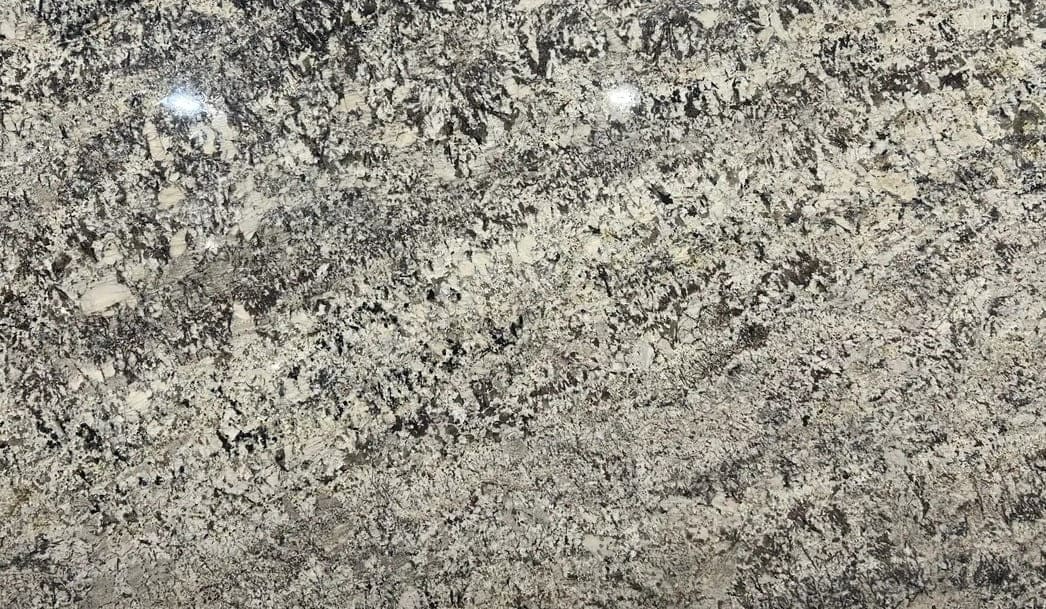
Granite
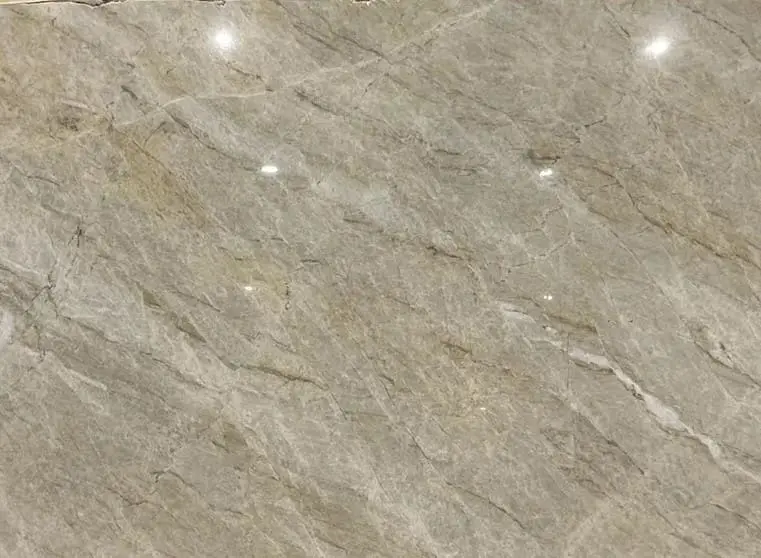
Quartzite
How Granite And Quartzite Actually Form
Understanding where these materials come from helps explain why no two slabs ever read exactly alike. Granite is an intrusive igneous rock, meaning it crystallizes slowly from magma that never reaches the surface. Because that cooling happens gradually over a long stretch of time deep in the earth's crust, individual mineral grains of quartz, feldspar, and mica have room to grow large enough to see with the naked eye. Geologists describe this coarse, visible crystal structure as one of the clearest ways to identify granite in the field, and it is also what gives a granite countertop its familiar speckled look.
Quartzite starts from an entirely different rock and a different process. A quartz-rich sandstone gets buried and squeezed during mountain-building events, and the heat and pressure fuse the original sand grains into a tightly interlocking mosaic, erasing most of the layering that sandstone once had. The resulting stone tends to read lighter and more uniform than granite, closer in appearance to marble, while holding onto a hardness that rivals granite on the Mohs scale. Two stones, two entirely different geologic stories, which is one reason a photo online rarely captures what a slab actually looks like on a showroom floor.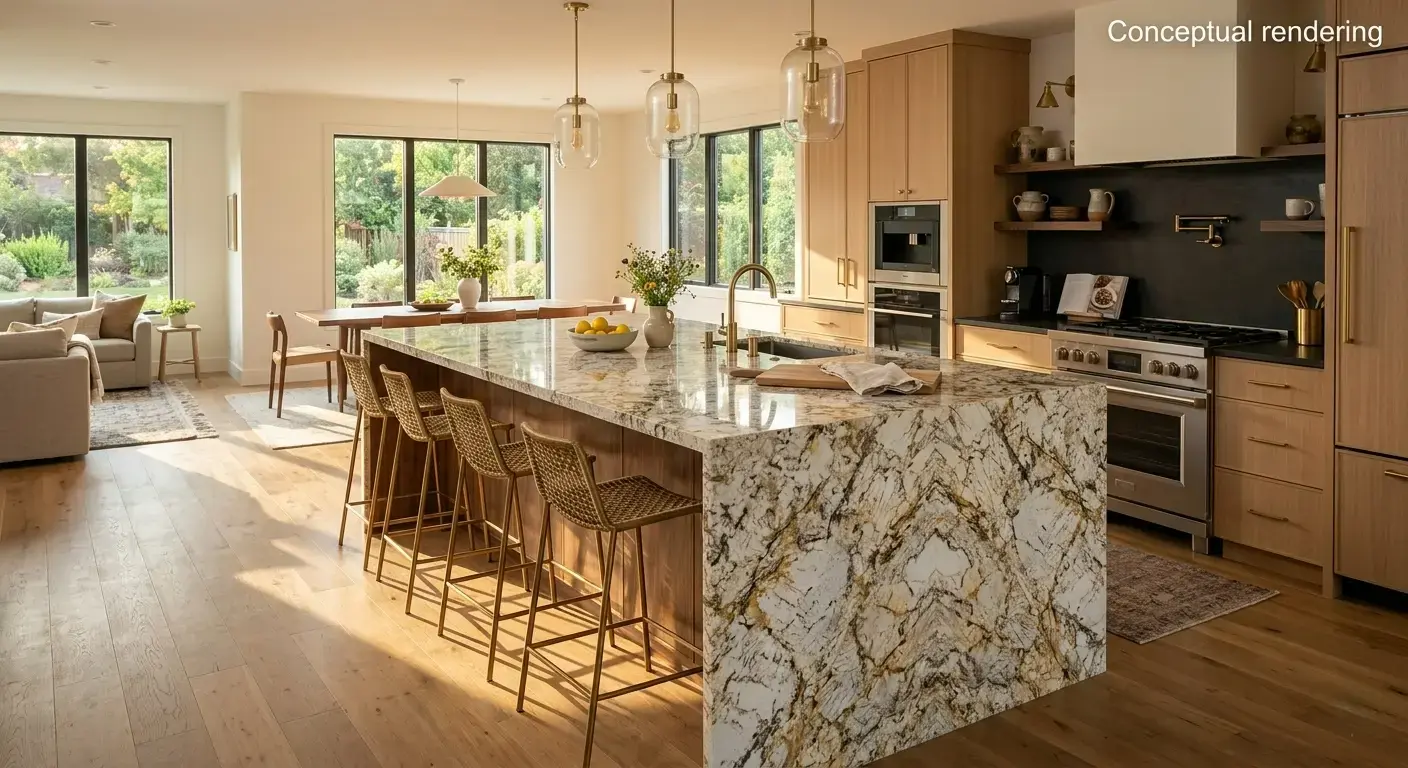
Matching Stone Character To An Older Home
Granite remains one of the most requested options for kitchens throughout Carson Valley, largely because of the range of natural patterns available within a single quarry block. It holds up well to the daily traffic of a working kitchen, provided it's installed correctly and a cutting board stays close by, since the surface can still be scratched or dulled by direct contact with a knife.
Marble tends to appeal to homeowners restoring a Victorian-era kitchen or bathroom, since its veining and softer color palette echo the kind of ornamentation found in 1800s architectural styles. It calls for a bit more attention than granite: spills are best wiped up quickly, and routine sealing goes a long way toward keeping the surface looking the way it did on installation day, particularly around sinks and cooking areas.
Quartzite splits the difference for households wanting marble's lighter aesthetic paired with granite's resilience. It has become a popular middle ground at our Minden showroom for homeowners who want a period-appropriate look without sacrificing daily durability, though how well a specific slab resists UV fading can depend on its color and finish, which is worth discussing before choosing one for a sunlit kitchen window or a bathroom vanity that catches afternoon light.
Considering Carson Valley's Climate
Genoa sits at nearly 4,800 feet in elevation against the base of the Carson Range, giving the town a warm-summer Mediterranean climate classification with dry summers and cooler, occasionally snowy winters. That thinner, high-elevation air also means stronger sun exposure than lower-altitude towns see, which is part of why UV performance is worth asking about when choosing a stone for a kitchen with generous window light. Indoors, the dry climate is generally gentle on stone surfaces compared to more humid regions, though even a naturally moisture-resistant slab shouldn't sit under standing water for long stretches, which matters most around a farmhouse sink or a clawfoot tub common in older Carson Valley homes.
Temperature swings between a cold morning and a heated kitchen rarely trouble most stone types. What matters more is the specific installation: slab thickness, edge profile, and support all affect how a countertop performs in a particular layout, which is why each application is worth evaluating on its own rather than assuming every slab will behave identically. A conversation with a design professional familiar with historic Genoa properties can help identify which stone handles a particular renovation's quirks, from uneven original cabinetry to the narrow galley kitchens common in floor plans built well over a century ago.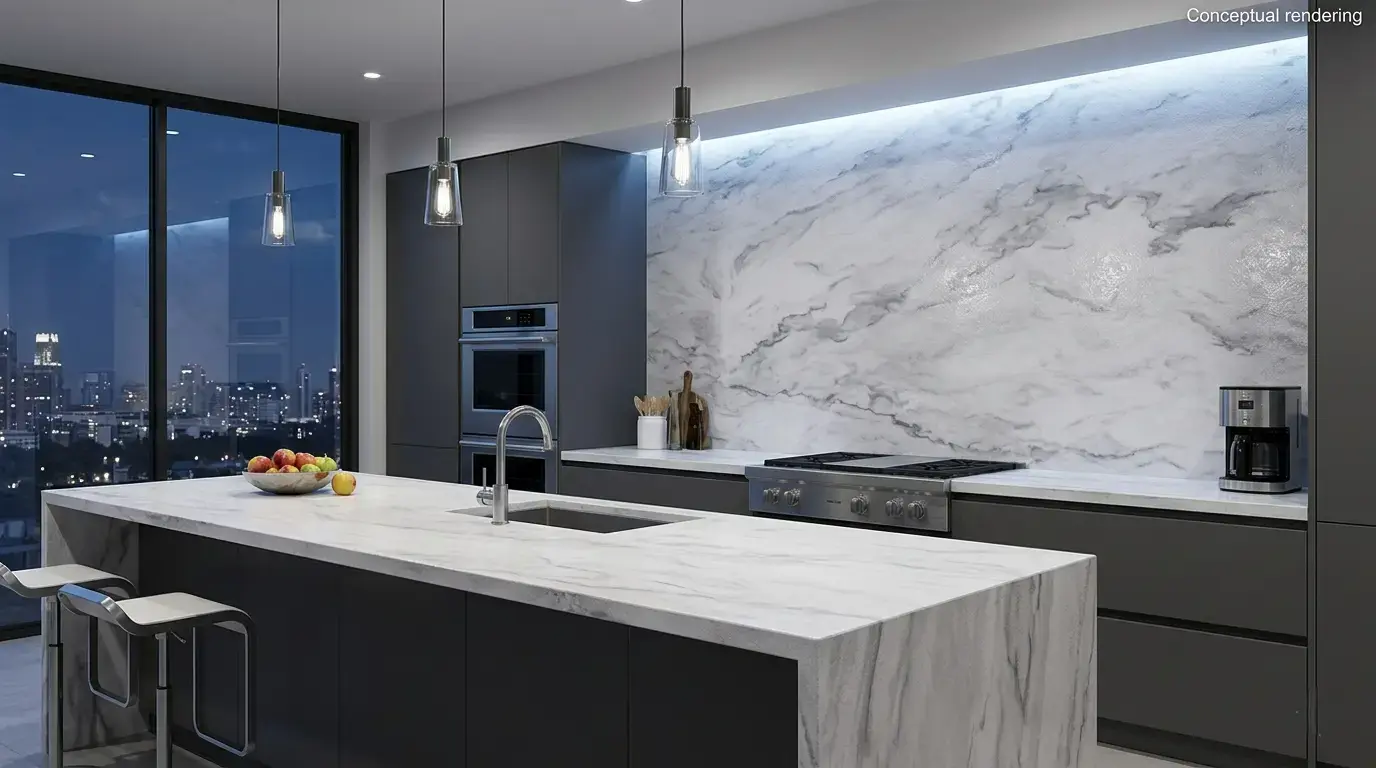
Bringing Original Character Into A Modern Kitchen
One of the more satisfying parts of a Genoa renovation is preserving what makes a historic home distinct while updating the parts that see daily wear. Original wood beams, transom windows, and built-in cabinetry often stay in place, while the countertop becomes the element that bridges old and new. A honed granite finish softens the reflective sheen of polished stone, giving a period kitchen a more subdued look that sits comfortably next to worn hardwood floors or a vintage farmhouse sink.
Homeowners weighing several directions at once, whether that means comparing granite against quartzite or deciding how far to lean into a Victorian aesthetic versus a more transitional look, often find it useful to see full slabs rather than samples online. Our live slab inventory is photographed and updated weekly, so what appears in a browser matches what sits on the showroom floor. For anyone who wants a second opinion without a sales push, a free design consultation can help narrow down finish, edge profile, and stone type before committing to a slab.
Contractors and designers working across several Genoa or Carson Valley properties at once may also find value in a trade account, which streamlines ordering across multiple historic renovation projects without slowing down a build schedule.
Nova Tile and Stone has served Carson Valley homeowners since 2005, and that family ownership shows up in the kind of unhurried, detail-focused conversations that historic home renovations tend to require. A modern kitchen still has to function for a busy household, and matching the right natural stone to a century-old floor plan is rarely a one-size-fits-all decision. Anyone ready to compare finishes in person can book an appointment at our Minden showroom, with directions to the showroom putting it just off Highway 395, a short drive from Genoa's historic district.
The showroom is located at 2548 Business Pkwy, Minden, NV 89423, and can be reached at (775) 783-4970.
Conclusion
Genoa's identity as Nevada's oldest town gives any renovation project a certain weight, and the materials chosen for a kitchen or bathroom should hold up to that same standard. Granite, marble, and quartzite each bring a different balance of character and daily performance, and the right choice usually comes down to how a homeowner plans to live in the space, not just how it should look on moving day. Understanding where these stones come from, how Carson Valley's climate interacts with them, and how they will sit alongside a home's original details all make for a more confident decision before any material is cut for installation.
Frequently Asked Questions
Yes. Natural stone has been used in home construction for centuries, which makes it a natural complement to Victorian-era architecture and older Carson Valley floor plans. Granite, marble, and quartzite each bring distinct veining and color variation that pair well with original woodwork and vintage fixtures found throughout the historic district.
Genoa is part of the same Carson Valley service area our Minden showroom covers. Homeowners in Genoa's historic district can visit us there to see full slabs in person before choosing a countertop material.
Granite is an igneous stone that cools slowly from magma, giving it a coarse, visibly speckled crystal pattern and a wide range of natural coloring. Quartzite forms when sandstone is metamorphosed under heat and pressure, producing a harder, more uniform stone that often looks closer to marble. Both hold up well in daily use, though each responds differently to sealing and finish choices.
Older homes sometimes have uneven cabinetry, narrow layouts, or original fixtures that affect how a countertop is measured and fitted. Discussing these details ahead of time with a design professional helps identify which stone and edge profile will work best alongside an existing floor plan without disrupting the home's original character.
Our Minden showroom is just off Highway 395 at 2548 Business Pkwy, a short drive from the Genoa Historic District. Full slabs are on display and updated regularly, which is the most reliable way to judge color, veining, and finish before committing to a material.
Curious About Something Else?