Natural stone countertops are solid or engineered slabs, such as granite, marble, quartz, or slate, installed as durable, heat- and water-resistant surfaces for kitchens and bathrooms. Each material differs in hardness, porosity, and maintenance needs, which affect how well it holds up to daily cooking, cleaning, and the dry, high-desert climate that defines the Truckee Meadows. Granite and quartz are generally the most scratch- and stain-resistant options for busy kitchens, marble offers a softer, more porous surface best suited to lower-traffic areas, and slate provides a budget-friendly, low-maintenance alternative. Choosing the right one comes down to balancing durability, upkeep, and cost against how the space is actually used.
The rest of the guide breaks down each material's pros and cons, what drives pricing, and how to clean and maintain a stone countertop over time.
What Types of Natural Stone Countertops Are Available in Reno?
The Classics
Slate Countertops
Slate is a compact, dense stone, typically black but also available in green, red, or grey tones. It resists water and heat, requires minimal upkeep, and can be buffed to erase scratches and scuffs. It also tends to cost less than granite or marble. That said, the surface beneath a slate countertop must be reinforced to support its weight.
Granite Countertops
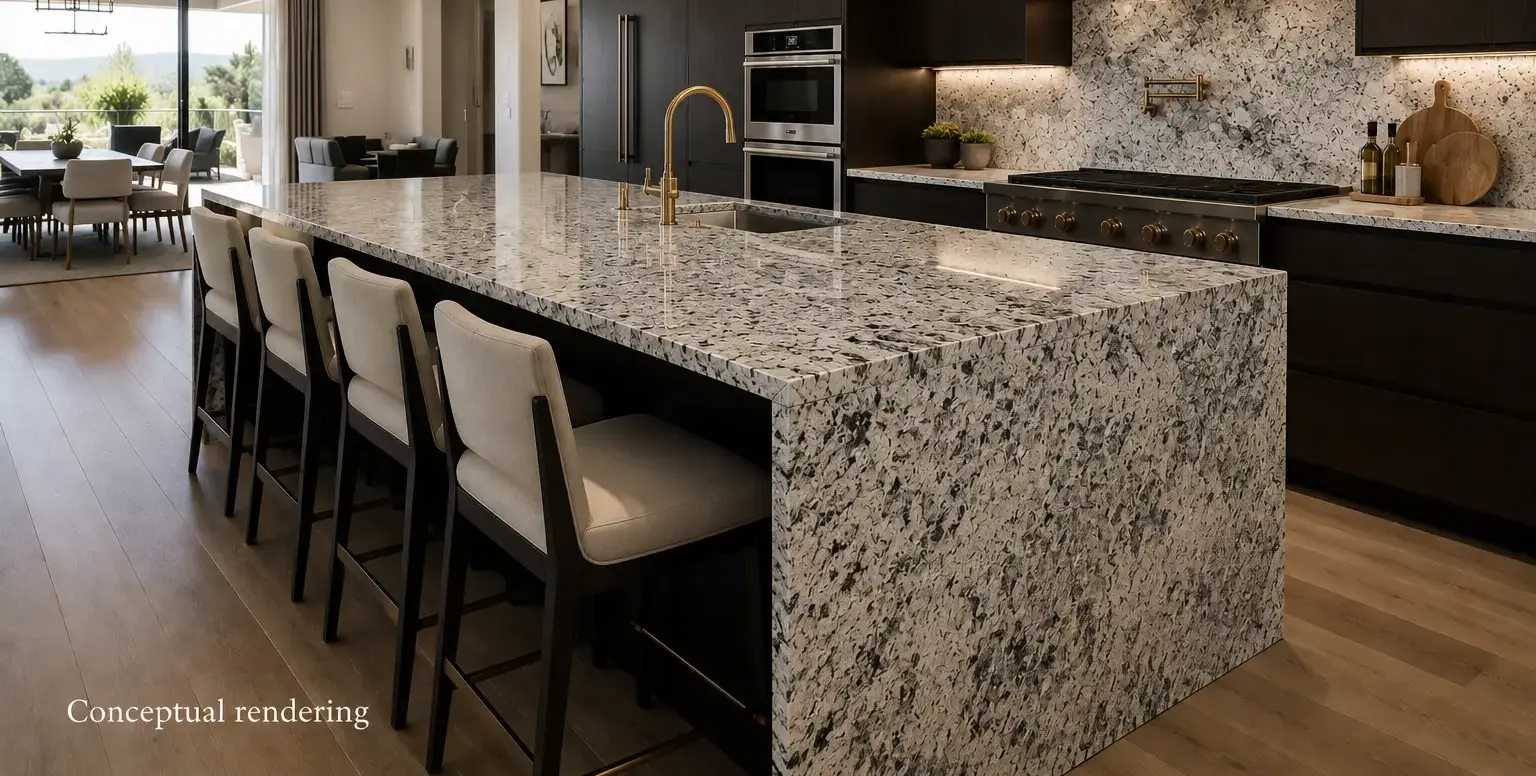
Granite is a polished stone often ranked as the top countertop choice. It's available in numerous colors and textures, resists water, heat, and stains, even against spills like oil or lemon juice, and needs little maintenance. On the downside, granite's substantial weight calls for reinforced cabinetry underneath, and it carries a higher price tag.
Marble Countertops
Marble is a soft, smooth luxury stone that comes in many colors and patterns. It delivers a strong, durable surface with low maintenance needs and resists both water and heat. However, it stains easily and reacts poorly to food exposure such as lemon juice or oil, so sealing is essential to guard against spills.
Because of this, marble isn't ideal for use across an entire kitchen. Its weight also demands adequately reinforced cabinetry.
Quartz Countertops
Quartz is an engineered surface made from roughly 90-95% natural crystals combined with resins and pigments. This blend creates a non-porous surface that resists stains, scratches, and heat while blocking bacterial growth. Quartz comes in a broad range of colors and patterns, can replicate the look of natural stone, and offers consistent shade uniformity throughout. It's easy to maintain, skips the need for sealants, and its durability has made it a favorite for modern kitchens.
Keep in mind that quartz slabs are just as heavy, so cabinetry needs to be built to handle the load. And although it handles heat well, using trivets under hot cookware is still smart practice to avoid damage.
New Trends
Sintered Stone
This material undergoes controlled metamorphic processing, giving it strong resistance to stains, UV exposure, and high heat. It works especially well in outdoor kitchens or contemporary spaces, blending durability with visual appeal, which makes it a natural fit for the outdoor kitchen setups increasingly popular in South Reno and Damonte Ranch backyards.
Dekton
Dekton delivers outstanding heat resistance and is crafted from a mix of glass, quartz, and porcelain. Its dense makeup makes it a fit for both indoor and outdoor use, offering a refined look across multiple finishes. It brings together practicality and style in modern kitchen design.
Soapstone Countertops
This smooth, non-porous material stands out for its low-maintenance nature and built-in stain resistance. It comes in understated shades ranging from grey to deep green, and while its surface can pick up minor scuffs, these buff out easily.
What Determines the Cost of a Natural Stone Countertop in Reno?
Before comparing prices, it helps to start with how the space is actually used. Frequent cooks are usually better served by a stain- and scratch-resistant material like granite or quartz, while a lower-traffic bathroom vanity has more room for a softer stone like marble. Layout matters too. Many of Reno's older, historically established neighborhoods, like Old Southwest and Old Northwest, feature mid-century kitchen footprints, so material choice can also come down to what fits an existing space rather than a fully custom build.
From there, pricing depends on several key factors:
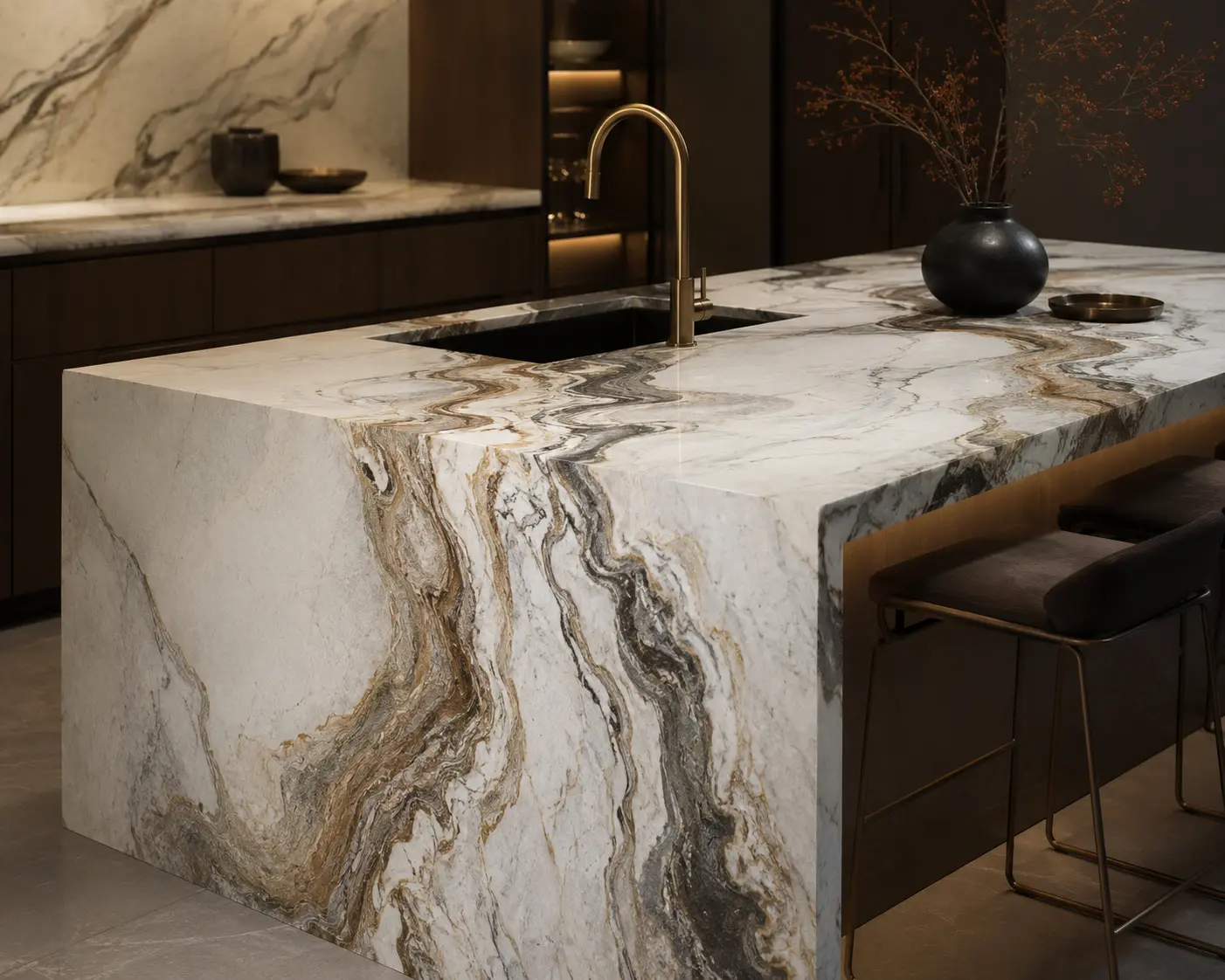
- Material quality: Stones with a flawless finish or rare, distinctive patterns, such as Carrara marble, come with a higher price tag due to their exclusivity and limited availability.
- Sourcing and origin: Locally quarried stones, like Canadian granite, are often more budget-friendly than imported varieties, which come with added shipping and import costs.
- Demand and rarity: Stones prized for unique performance or appearance, such as lava stone or certain quartz varieties, tend to carry higher price points due to strong market demand.
- Custom dimensions and thickness: Custom fabrication, including longer slabs and precision cuts, adds to labor and manufacturing costs, raising the overall project price.
Beyond the stone itself, it's worth factoring in installation costs separately. Heavier materials generally mean higher labor costs, since more time and equipment go into safely setting and leveling a large slab.
Picking a Finish That Matches Your Decor
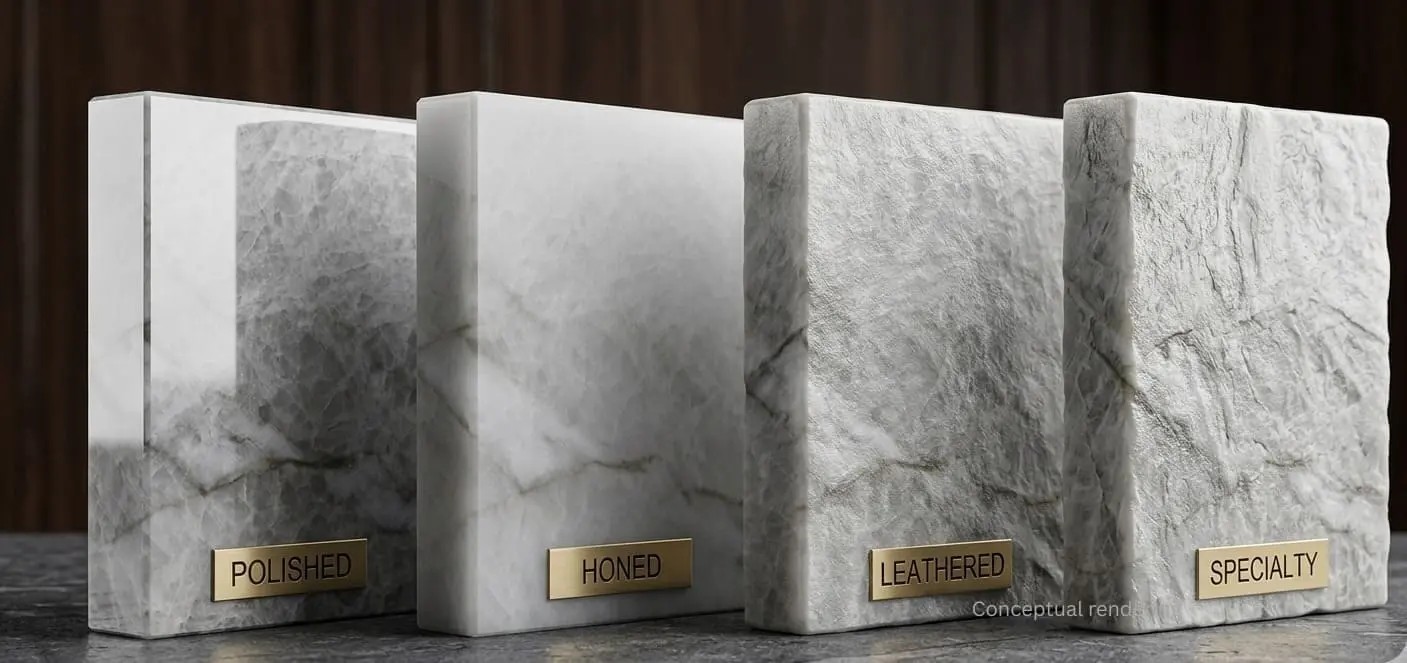
The right finish ties your countertop into the rest of your kitchen's design.
- Polished finishes suit modern kitchens, while matte or honed finishes create a darker, more industrial feel.
- A wide color selection lets you tailor your space, from classic white marble to deep, volcanic-inspired hues.
- Marble slabs with subtle or dramatic veining add a touch of luxury that complements a variety of decor styles.
Cleaning and Maintenance Tips for Natural Stone Counters in the Truckee Meadows
Choosing the right cleaning products is key to preserving both the look and performance of a natural stone countertop. The Natural Stone Institute's care and cleaning guidelines offer detailed, material-specific recommendations for homeowners who want to go deeper than the basics below.
- Products to use: Neutral cleaners, soft cloths, and stone-specific sealants. These help guard against stains and protect the finish over time.
- Products to avoid: Abrasive cleaners, acidic substances like vinegar or harsh chemicals, and rough scrubbing pads, all of which can cause lasting damage.
Water quality also plays a role in day-to-day upkeep. It varies by neighborhood across the Truckee Meadows, depending on the blend of river and well water supplying a given area, which can affect spotting and mineral buildup on a sealed surface over time. The Truckee Meadows Water Authority's water quality lookup tool lets homeowners check their specific area.
If the surface comes into contact with high heat or acidic liquids, clean it right away to prevent permanent marks. Reno's occasional wildfire smoke season, documented in ongoing air quality research from the Desert Research Institute, can also leave a fine layer of dust and residue on kitchen surfaces, so regular wipe-downs help keep sealants doing their job. Taking these precautions helps preserve the stone's natural beauty while extending its performance over time.
Conclusion
Choosing between granite, quartz, marble, and other natural stone options ultimately comes down to how you use your space, your maintenance preferences, and your budget. Each material brings its own balance of durability, appearance, and upkeep requirements, so weighing these factors against your daily habits will help you land on a countertop that serves you well for years, no matter what stage of remodeling or building your Reno-area home is in.
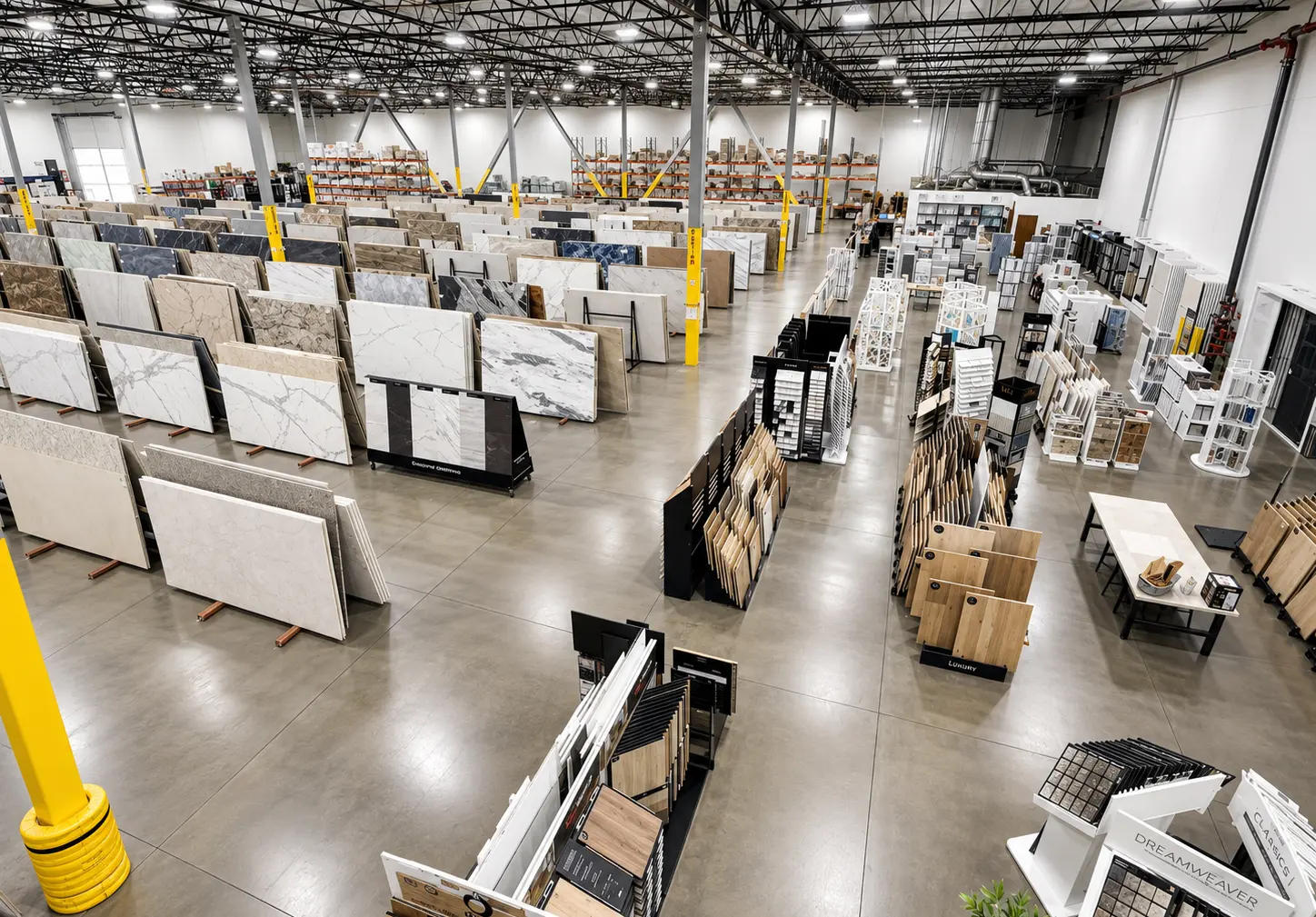
If you're ready to see these materials in person and get expert guidance on which stone fits your kitchen or bathroom project, visit Nova Tile and Stone at 12835 Old Virginia Rd, Suite 24, Reno, NV 89521, or call (775) 331-6682. We serve homeowners throughout Reno, Sparks, Spanish Springs, Sun Valley, Washoe Valley, Incline Village, and Verdi. Our team can walk you through samples, finishes, and care requirements to help you make a confident, informed decision. Learn more about our full range of countertop and flooring materials at our Reno location page.
Frequently Asked Questions
Both hold up well in high-use kitchens, but they differ in composition. Granite is a natural stone that needs periodic resealing to maintain stain resistance, while quartz is engineered and non-porous, so it never requires sealing. If low maintenance is your top priority, quartz has a slight edge; if you prefer the variation of a natural material, granite performs comparably well with routine care.
Professional installation is strongly recommended for natural stone countertops. Slabs like granite, marble, and quartz are heavy and require precise leveling and structural support underneath. Improper installation can lead to cracking, uneven surfaces, or damage to cabinetry, so working with an experienced installer helps protect your investment.
This depends on the stone's porosity. Granite typically needs resealing every one to three years, while marble may require more frequent sealing due to its higher porosity and sensitivity to acidic substances. A simple water test, placing a few drops on the surface and watching how quickly they absorb, can help you gauge when resealing is needed.
Slate tends to be one of the more affordable natural stone choices compared to granite or marble, while still offering solid heat and water resistance. Sourcing locally quarried stone rather than imported varieties can also reduce costs significantly, since it cuts down on shipping and import fees.
Most natural stone countertops, including granite, marble, and slate, resist heat well and can tolerate brief contact with hot cookware. That said, using trivets or hot pads is still good practice, especially with engineered materials like quartz, since repeated direct heat exposure over time can cause discoloration or minor surface stress even in heat-resistant stones.
Note: Some images on this page may be conceptual renderings created to illustrate design possibilities and may not depict actual installations.