LVP and laminate solve different problems, even though both are designed to mimic the look of hardwood or stone at a glance. LVP is built around a vinyl core, giving it an edge wherever water is a regular concern. Laminate is built around a wood fiber core instead, and that construction shows up as a firmer, more solid feel underfoot.
Nova Tile and Stone's Minden showroom sits in Carson Valley, in the Sierra Nevada foothills of Douglas County, an area known for dry summers, snowy winters, and a mix of older ranch properties, newer builds, and mountain cabins near Lake Tahoe. That range of home types is part of why this comparison rarely has one universal answer.
This guide moves room by room, from wet areas like kitchens to quieter spaces like bedrooms, then looks at appearance, sound, and how to compare both materials in person before deciding.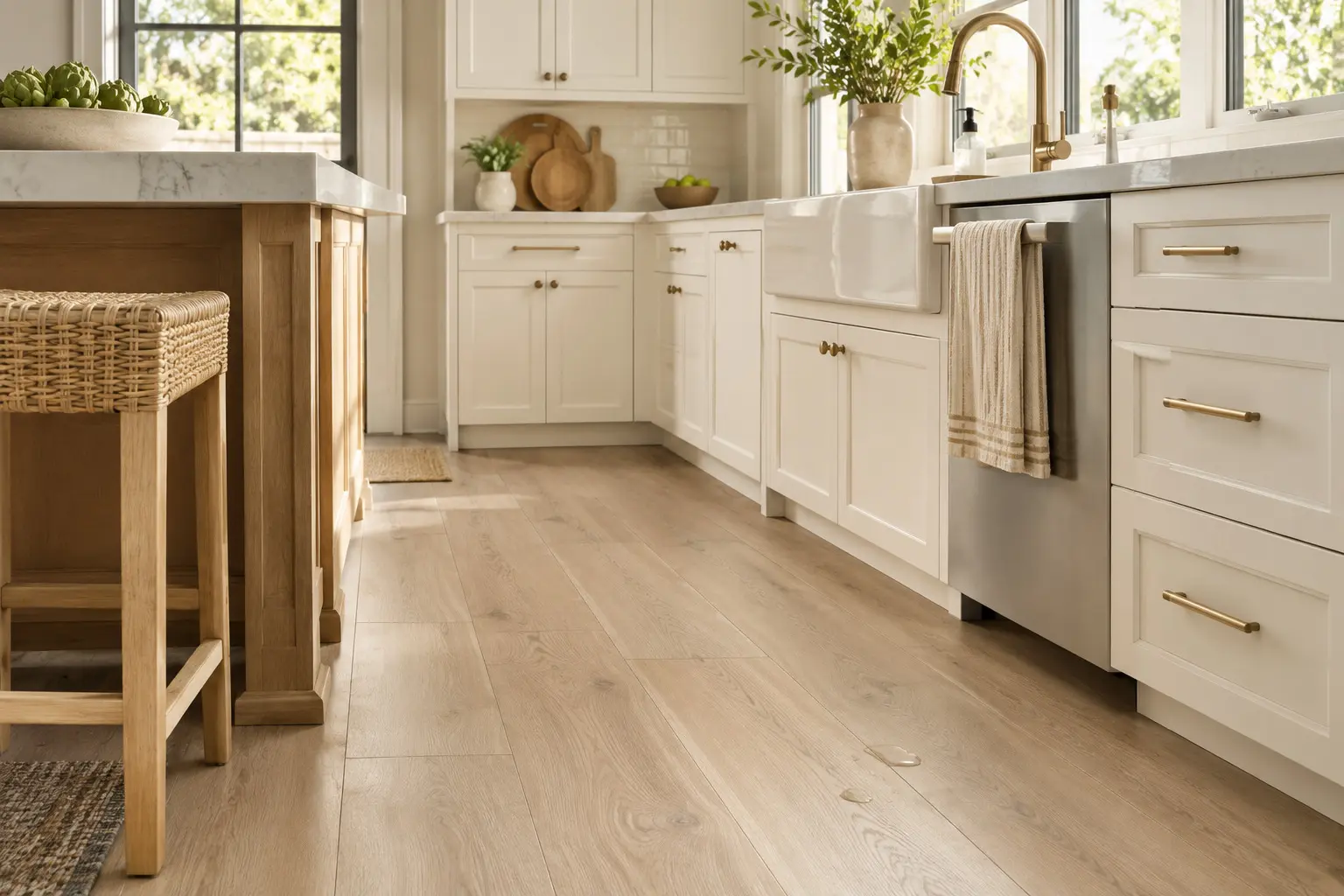
Kitchens, Bathrooms, and Other Wet Zones
Water exposure is usually the first thing homeowners weigh when comparing these two materials, and for good reason. LVP's vinyl construction shrugs off splashes, spills, and general kitchen or bathroom use without absorbing moisture the way a wood based product would.
LVP is moisture resistant, but standing water left sitting for long stretches should still be avoided on any flooring surface. In Carson Valley, entryways and mudrooms deal with this less from rain and more from snowmelt and mud tracked in through a real winter, since the area regularly gets measurable snow in the colder months.
Laminate can technically go in these rooms too, though its wood fiber core makes it a less common pick wherever water contact happens often. A homeowner who loves a laminate look in a kitchen might reserve it for a dry area farther from the sink and dishwasher instead.
Basements bring a different kind of moisture concern, and the mix of foundation styles around Minden, from older ranch properties to newer construction to cabins near the lake, means there is no single answer for how a given basement behaves. LVP tends to be the more forgiving pick below grade, though checking a specific space's moisture history matters regardless of flooring type.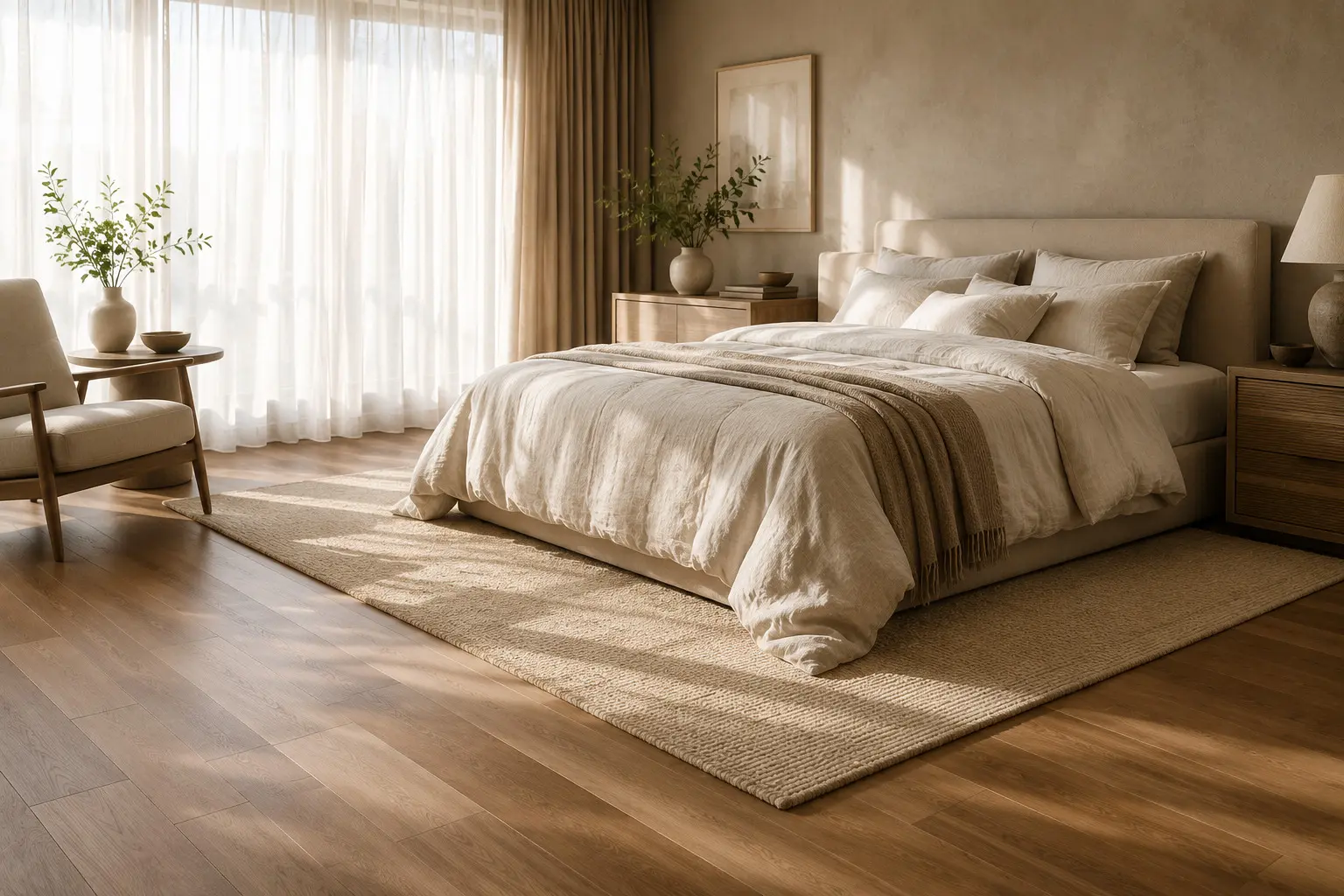
Bedrooms, Living Rooms, and Quieter Spaces
Once water stops being the main concern, the conversation shifts toward feel. Laminate's denser core creates a firmer surface that many homeowners compare to walking on solid hardwood, which is part of why it shows up so often in bedrooms, home offices, and living rooms.
The surface holds up well against everyday scratches, though heavier furniture and steady foot traffic can still leave a mark on any hard flooring over time. LVP works fine in these same rooms too, and some homeowners simply prefer its slightly softer feel underfoot, especially on Carson Valley's cold winter mornings before a house fully warms up.
Neither material wins this comparison outright. It really comes down to whether a household wants that firmer, hardwood like response or a bit more give underfoot.
How Texture, Grain, and Sheen Compare
Photographic printing gives both LVP and laminate their wood grain or stone look, and the quality of that printing varies from one collection to the next. Some finishes lean toward a matte, low sheen appearance that reads as more natural, while others carry a slight gloss that catches light differently across a room.
Embossing adds another layer here, since a textured surface that lines up with the printed grain feels more convincing underfoot than a flat one does. The North American Laminate Flooring Association is the ANSI-accredited standards body for laminate flooring, and its resources cover how these visual and performance layers are tested and rated.
Plank width and color matter here as well, since a wider plank in a lighter tone reads very differently than a narrow, dark option made from the same material. Carson Valley gets more clear, sunny weather than a lot of the country, so how a finish's sheen reads under strong natural light is worth seeing in person rather than judging from a photo alone.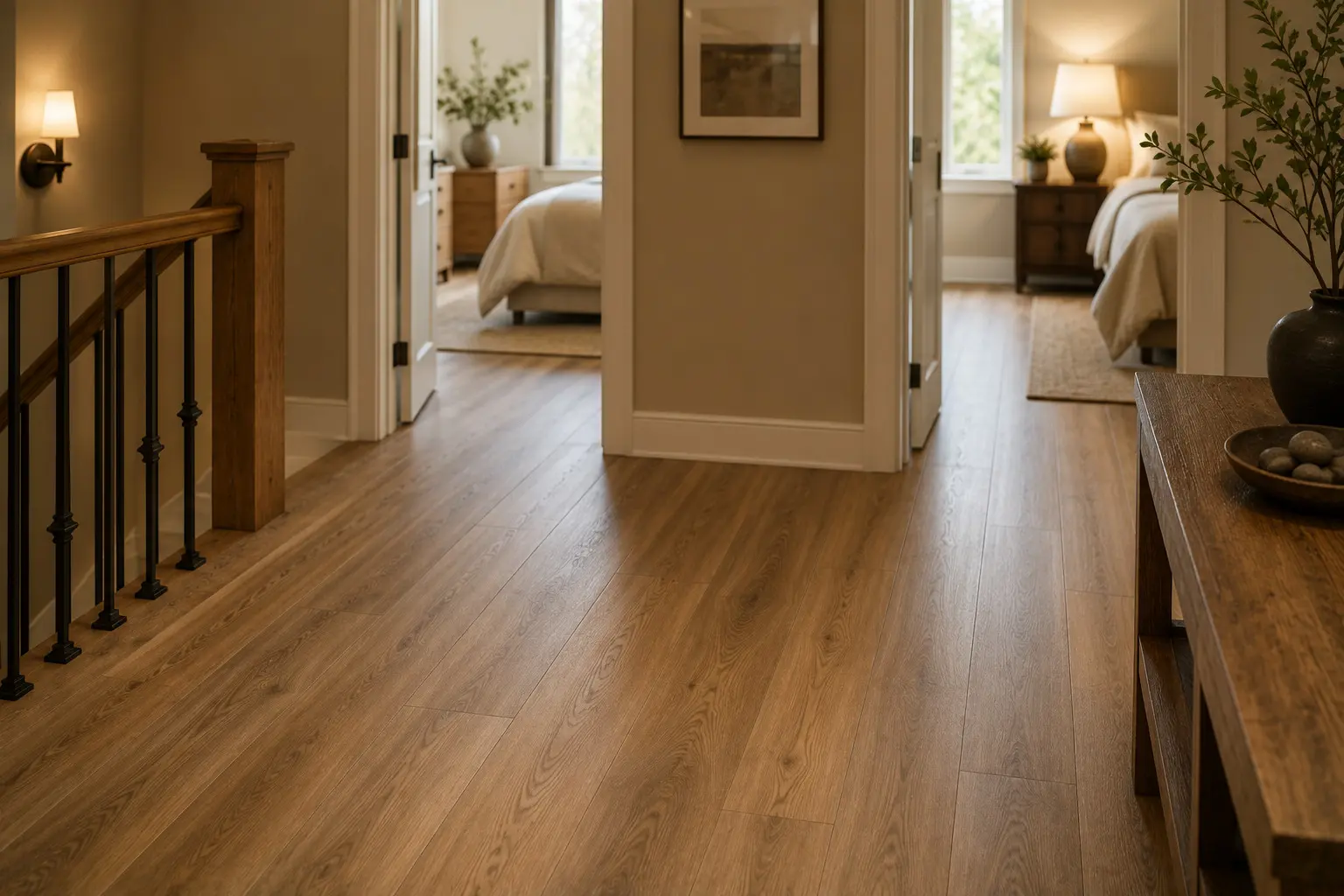
What Households Notice Underfoot Over Time
Sound is one of the more overlooked differences between these two materials, especially in homes with more than one story. Vinyl based planks generally absorb footsteps a little more quietly, while laminate's harder, denser core can carry a bit more sound between floors.
The Resilient Floor Covering Institute is an industry association that publishes general information on resilient flooring categories, including vinyl based products such as LVP, for homeowners who want a broader reference point. Subfloor type and any underlayment used can shift how noticeable this difference ends up being in a finished room.
Our Minden showroom carries LVP from several major manufacturers, alongside both wood core and stone core constructions, plus laminate finishes ranging from high gloss to matte. That range gives households room to weigh sound and feel against the specific look they want.
Matching Flooring to Daily Life
Households with pets, young kids, or heavy daily foot traffic frequently lean toward LVP for its combination of moisture handling and a slightly forgiving surface. Muddy paw prints after a walk in the snow, spilled water bowls, and general roughhousing are the kinds of everyday realities that make water tolerance matter more than it might in a quieter household.
Laminate fits naturally into homes where the priority is a firmer, more traditional feel in rooms that stay relatively dry. A home office, a formal living room, or a guest bedroom in a Gardnerville ranch home or a cabin near Genoa are reasonable places where laminate's strengths line up with how the space actually gets used.
Some homeowners split the difference entirely, choosing LVP for kitchens and bathrooms while placing laminate everywhere else. A mixed approach like this lets each room's flooring match its specific demands instead of asking one material to do everything.
How long a household plans to stay in a space is worth factoring in too, since a rental or transitional room may call for a different decision than a forever home. Matching the material to how long it needs to perform, rather than how a room looks on day one, tends to make the choice easier.
Browsing What Is Currently Available
Homeowners who want to compare options side by side can look through our full flooring selection to view tones, textures, and plank widths in one place. Seeing several finishes together often makes it easier to picture how a specific style might look once it covers an entire room.
For those who are flexible on exact style but curious what is available right now, our overstock sale section rotates through in-stock selections throughout the year. Checking back occasionally is worth doing, since what shows up there shifts as new options come and go.
For Design and Trade Professionals
Contractors, designers, and builders juggling several projects across Carson Valley at once may find it worthwhile to look into applying for a trade account, which offers a more streamlined way to source materials for multiple clients at a time. This path is built specifically with professionals in mind rather than single-project homeowners.
Seeing Samples Before You Commit
Photos and small swatches only tell part of the story, since lighting and room size can change how a color or texture actually reads once it is installed. A short free consultation gives homeowners a chance to talk through their specific rooms, habits, and preferences before settling on a direction.
Homeowners who prefer to see everything in person can also find our showroom location for a firsthand look at available styles. Walking a showroom floor tends to surface texture and sheen differences that are genuinely hard to catch in photos alone.
Conclusion
There is no single right answer between LVP and laminate, since the better fit depends entirely on which rooms are being redone and how a household actually lives in them day to day. LVP makes the most sense wherever moisture is a regular factor, from a snowy Carson Valley entryway in January to a lakeside cabin bathroom near Tahoe, while laminate holds its own in drier, quieter spaces where a firmer feel is preferred.
Nova Tile and Stone works with homeowners across Minden and the surrounding Carson Valley communities who are weighing exactly this kind of decision room by room. Comparing samples in person, thinking through daily habits, and matching material to room use are the details that end up mattering most once the flooring is actually down.
Taking a slower approach now, room by room, helps most homeowners avoid a mismatched choice they only notice after the flooring is already installed.
Frequently Asked Questions
LVP is built around a vinyl core that handles moisture well, while laminate uses a wood fiber core that creates a firmer surface better suited to drier rooms.
LVP is moisture resistant, but standing water should not be left sitting for long periods, so some care is still worthwhile even in bathrooms and other wet areas.
Yes, laminate's denser core can carry a bit more sound between floors, while LVP's vinyl construction generally absorbs footsteps a little more quietly.
Yes, many homeowners choose LVP for kitchens and bathrooms while picking laminate for bedrooms, offices, and other drier living spaces.
Scheduling a free consultation or visiting a showroom in person lets homeowners compare texture, color, and feel under real lighting before making a final choice.