Luxury vinyl plank (LVP) is a multi-layer synthetic flooring product that replicates the look of hardwood or stone, is fully waterproof, and costs significantly less than solid wood. It is a strong option for moisture-prone rooms, but choosing the right product requires understanding a few key specifications: core type (SPC or WPC), wear layer thickness, and UV resistance.
Reno's climate adds considerations that most general LVP guides do not address. The city sits at approximately 4,500 feet elevation, which increases UV intensity compared to lower-elevation cities. Combined with abundant direct sun and real seasonal temperature swings between cold winters and hot dry summers, homes here place higher demands on flooring than the climate in much of the country. These factors affect how LVP fades, expands, and performs over time in ways that are worth knowing before you buy.
This guide covers what LVP is and how it is constructed, the difference between SPC and WPC cores, how wear layer thickness affects durability, how LVP differs from laminate, how direct sun and UV exposure affect LVP in Reno specifically, floating versus glue-down installation, where LVP performs best in a home, and what to look for when comparing products in person.
What LVP Actually Is
Unlike the sheet vinyl or vinyl tile found in many older homes, modern LVP uses photographic printing technology and textured surface embossing to achieve a level of visual realism that earlier versions could not match.
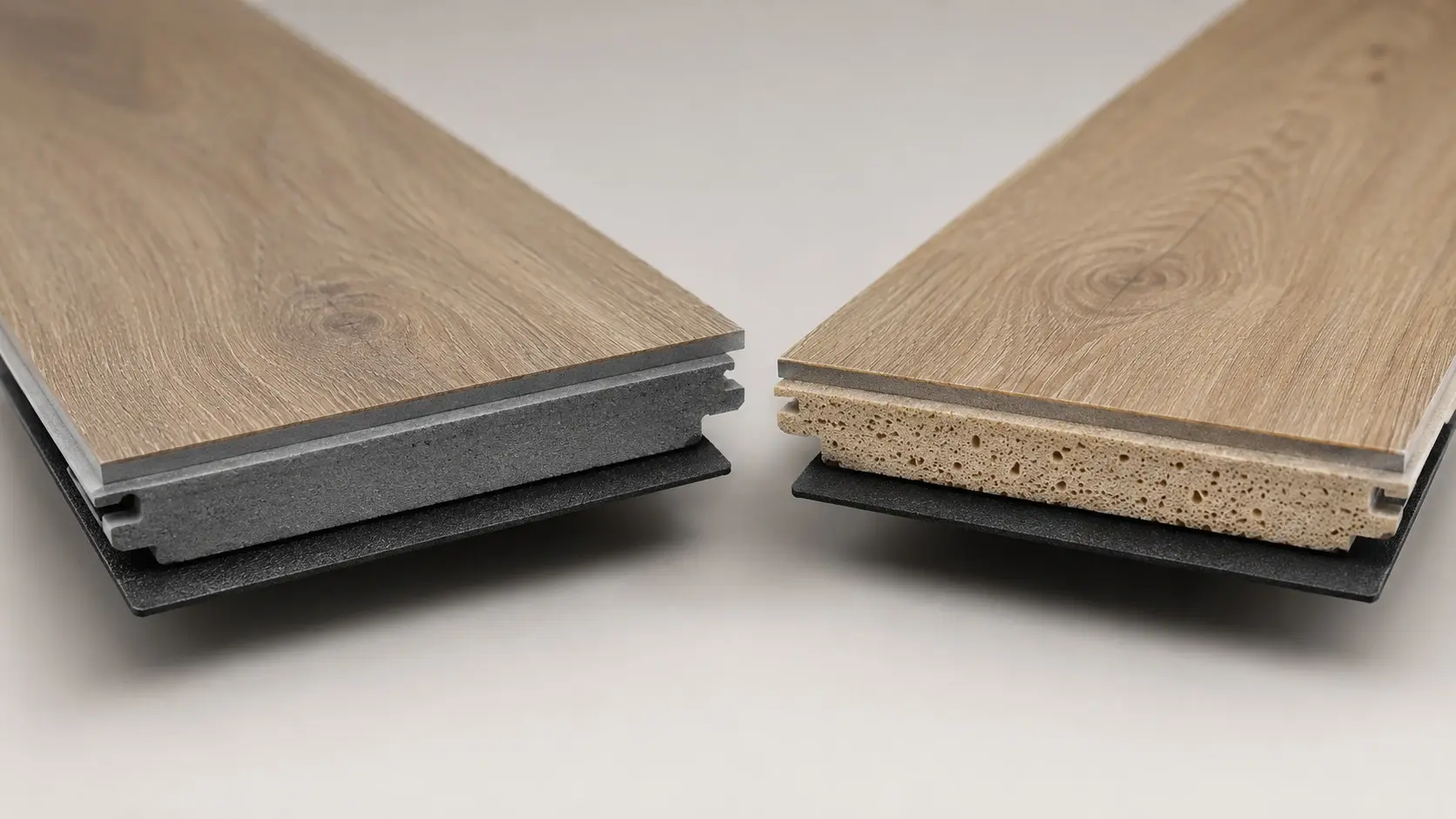
A standard LVP product is built from four layers: a backing or underlayment layer on the bottom, a rigid or semi-flexible core in the middle, a printed design layer above that, and a clear wear layer on top. Each layer has a job. The core determines rigidity and dimensional stability. The design layer creates the visual. The wear layer is what protects the floor from scratches, scuffs, and daily traffic. Performance requirements for this construction type are defined by ASTM F3261, the industry standard covering rigid core resilient flooring.
Of those four layers, the core and the wear layer are the two that most directly affect how a product performs in real-world conditions. Both are worth understanding before comparing products.
The Two Core Types: SPC and WPC
Most quality LVP today uses one of two rigid core constructions: SPC (Stone Plastic Composite) and WPC (Wood Plastic Composite). Understanding the difference between them is the first practical decision when comparing products, since each core type suits different rooms and use conditions. The Resilient Floor Covering Institute (RFCI), the North American trade body for the resilient flooring industry, provides technical guidance on both formats as part of its quality and certification standards.
SPC (Stone Plastic Composite) uses a dense blend of limestone powder, polyvinyl chloride, and stabilizers. The result is a very hard, rigid plank that resists denting under heavy loads and stays dimensionally stable across a wide range of temperatures. SPC is generally thinner than WPC for the same performance rating and is the better choice for high-traffic areas, rooms with heavy furniture, or homes with pets.
WPC (Wood Plastic Composite) uses a core made from wood flour or wood fibers combined with PVC resin and foaming agents, creating a softer, slightly cushioned structure. WPC planks tend to be thicker than SPC and feel warmer underfoot. They handle minor subfloor imperfections a bit more forgivingly, making them a practical choice for bedrooms, home offices, or spaces where comfort is the priority.
Both core types are fully waterproof. The waterproofing is structural, not a surface coating, so spills and moisture exposure do not degrade the core material itself. Subfloor moisture can still migrate under improperly sealed installations, however, and create adhesion or mold issues over time.
Wear Layer: The Number That Matters Most
The wear layer is the clearest indicator of how long an LVP floor will hold up under real-world conditions. It is measured in mils, where one mil equals one-thousandth of an inch. Wear layer thickness is a manufacturer-specified performance characteristic, and it is the single most useful number to compare when evaluating products side by side.
For most residential rooms, a 12-mil wear layer is the practical minimum for durability. Entry areas, hallways, kitchens, and other high-traffic zones benefit from 20 mil or higher. Households with large dogs or children tend to see noticeably better results with thicker wear layers, since the surface is more resistant to scratching from claws, shoes, and furniture movement.
Some manufacturers produce products at 6 or 8 mil for lower price points. Those products are not ideal for whole-home installations or households that see consistent daily use. The cost difference between 12-mil and 20-mil LVP is generally modest relative to the difference in longevity.
LVP vs. Laminate: A Quick Clarification
LVP and laminate flooring look similar in photos and are sometimes confused. The key difference is the core material and water resistance.
Laminate uses a high-density fiberboard (HDF) core with a photographic layer and wear layer on top, similar in structure to LVP. However, that HDF core is wood-based and is not waterproof. The USDA Forest Service's Wood Handbook documents that wood fiber panels are hygroscopic and absorb moisture, causing them to swell, a property that makes laminate susceptible to permanent damage when its core is exposed to prolonged water contact.
LVP uses a vinyl or composite core that is not affected by water. For any room with plumbing, pets, or active households, LVP is the more resilient choice. Laminate remains a reasonable option for dry areas like bedrooms and home offices where budget is a primary consideration.
LVP and Sunlight: A Consideration Worth Taking Seriously in Reno
Most general LVP buying guides mention that direct sunlight can cause fading and, in more severe cases, expansion and warping. That caveat is worth taking more seriously in Reno than in many other parts of the country.
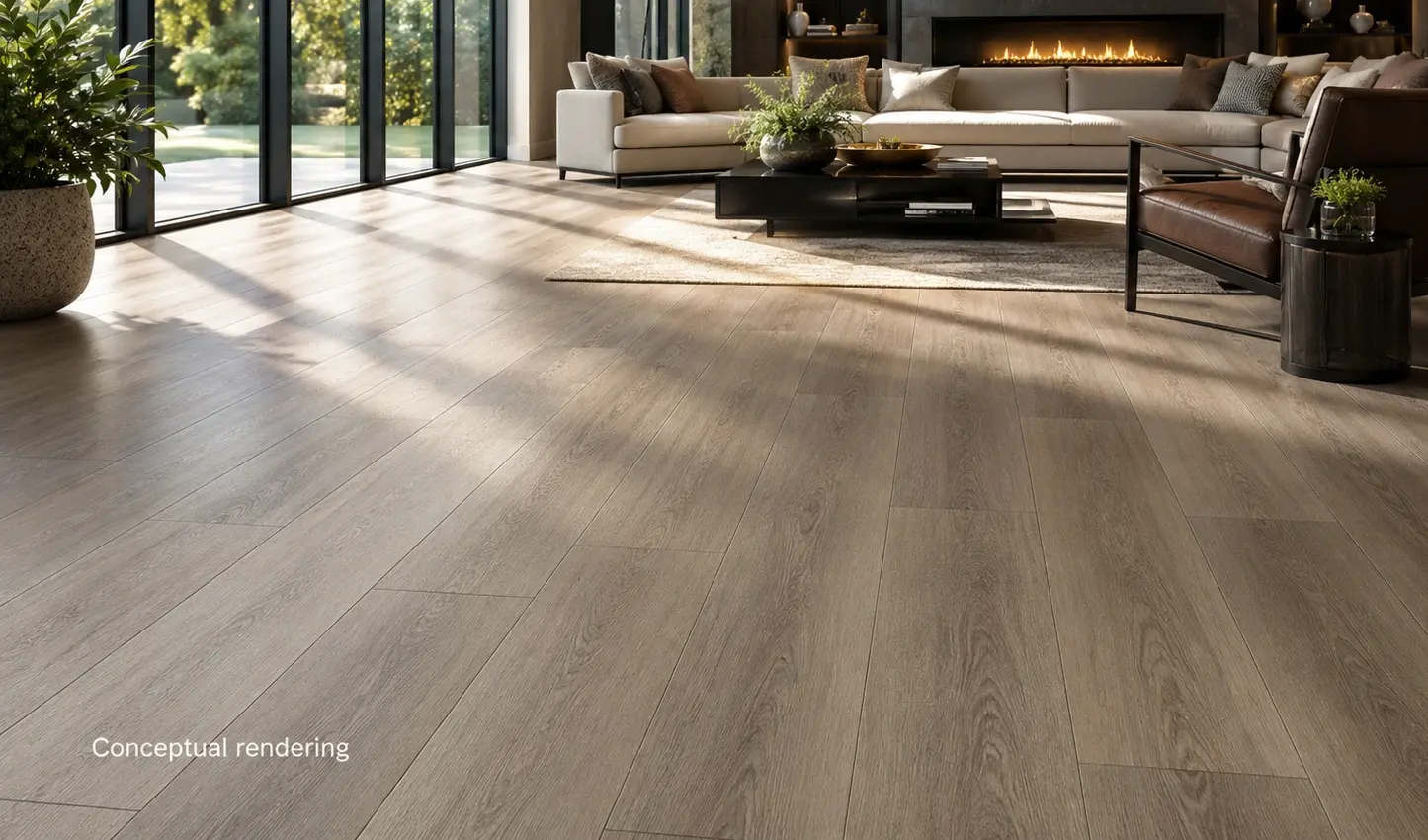
Reno receives abundant sun throughout the year, and homes with large south- or west-facing windows can experience sustained periods of intense direct light. UV exposure is also stronger at higher elevations because the atmosphere is thinner. According to the U.S. Environmental Protection Agency's UV Index guidance, UV levels increase by roughly 2% for every 1,000 feet of elevation gain. At 4,500 feet, that translates to UV loads roughly 9% higher than at sea level on the same clear day.
UV rays degrade the pigments in the LVP design layer over time, causing gradual fading that tends to be most visible in areas that receive consistent direct light. In more severe cases, heat from prolonged sunlight exposure can cause the floor surface to warm enough that the planks expand. This is an issue that proper installation technique, covered in the next section, addresses directly.
Practical steps to protect LVP in sun-exposed rooms include using window treatments or UV-blocking window film to reduce direct light during peak hours, choosing products with UV-resistant wear layers or fade-resistant warranties that explicitly mention UV exposure, and rotating area rugs periodically to distribute light exposure evenly across the floor.
When purchasing LVP for rooms with large windows or sliding glass doors, the product warranty language is a reliable guide: a manufacturer confident in UV performance will typically state it directly.
Installation: Floating vs. Glue-Down
Most residential LVP is installed as a floating floor, meaning planks click together and rest on top of the subfloor without adhesive. Floating installations require a perimeter expansion gap of approximately 1/4 to 3/8 inch around all fixed edges to allow for the natural expansion and contraction that occurs with temperature and humidity changes. In a climate with real seasonal swings between hot dry summers and cold winters, that gap matters. A floating installation done without proper expansion gaps can result in buckling over time as the floor has nowhere to move.
Glue-down installation bonds the planks directly to the subfloor and is used in commercial settings and in residential spaces with radiant heat systems or specific structural requirements. It reduces movement potential but requires clean, level subfloors and professional installation to execute correctly.
Before any LVP installation, the material should acclimate in the room where it will be installed. Most manufacturers recommend at least 48 hours at room temperature, with the space maintained between approximately 65°F and 85°F. This allows the planks to reach equilibrium with the room conditions before they are locked together.
What LVP Works Well For in a Reno Home
Knowing how LVP installs is one side of the decision. Knowing where it belongs in the home is the other.
LVP is a strong choice for kitchens, mudrooms, bathrooms, laundry rooms, and any room where moisture is a realistic concern. Its structural waterproofing means spills and humidity changes do not degrade the core, and, unlike carpet, it does not trap allergens or pet dander.
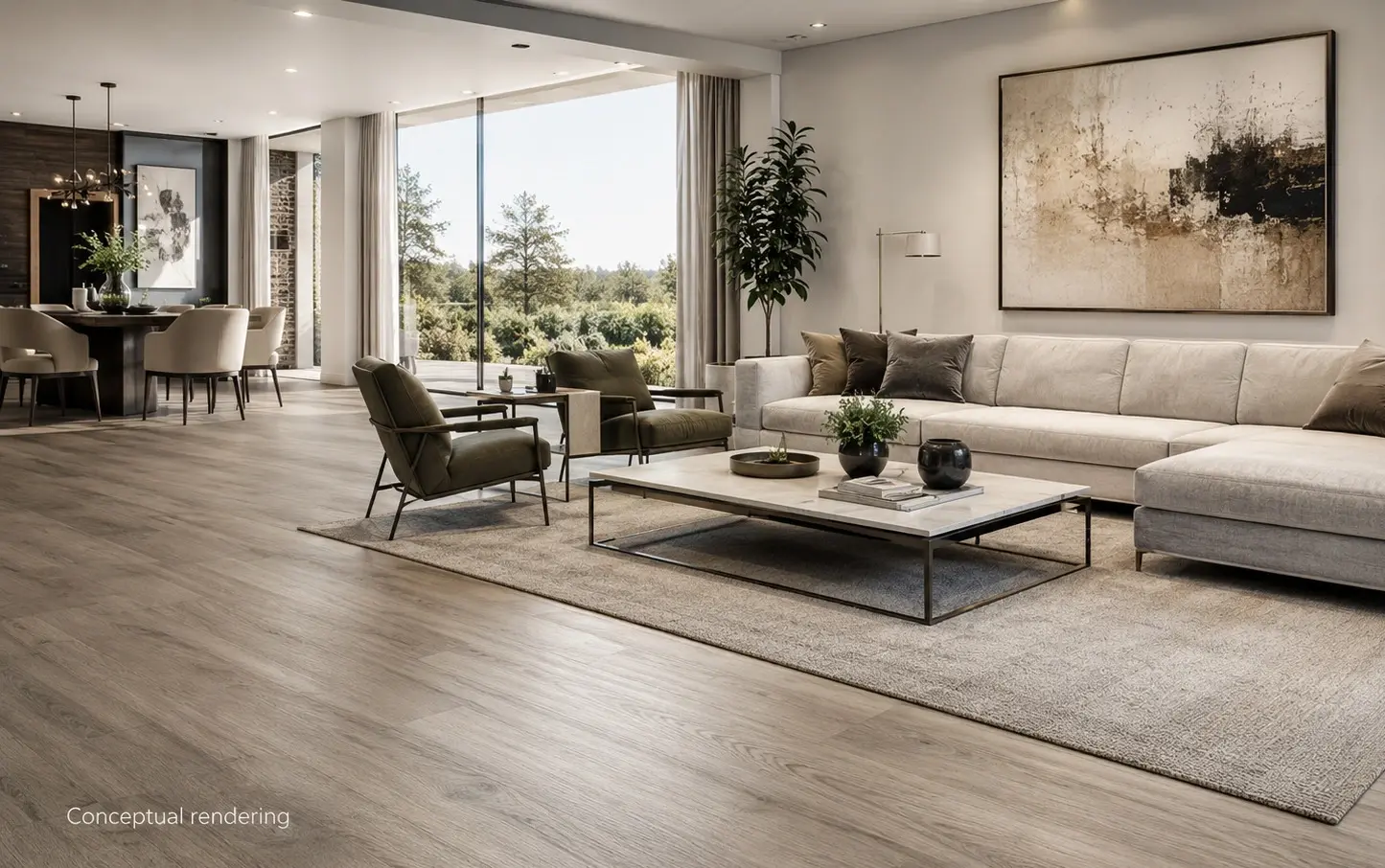
In bedrooms, LVP is a practical option when hardwood is not in the budget, though carpet is still preferred by many homeowners for its warmth and acoustic softness. In living areas, LVP works particularly well in open-plan spaces that flow into kitchen or dining areas, where a single continuous floor material simplifies the visual and the installation.
For Reno's older housing stock, particularly the mid-century ranch homes in areas like Old Southwest and Old Northwest Reno, LVP over an existing subfloor can be an effective way to update flooring without the added cost and complexity of solid hardwood installation. Many of those homes have subfloors that need minor leveling before installation, which a qualified installer can address as part of the project.
If you want expert guidance on selecting the right LVP for your home, schedule a free design consultation with the Nova Tile and Stone team. Contractors, designers, and other industry professionals can also apply for a trade account to access dedicated pricing and project support.
Conclusion
LVP is one of the harder flooring categories to evaluate accurately from small samples or screen photos. The photographic print layer repeats across planks in a pattern, and a 4-inch sample gives very little indication of how the visual repetition reads across a full room. The shade variation rating (V1 through V4, from uniform to substantial) affects how natural the floor looks at scale. Before committing to any product, it is worth seeing a larger display section in person and asking to compare core types and wear layer specs directly.
Core type, wear layer thickness, UV resistance, expansion gaps, and subfloor condition are not abstract details. Each one corresponds to a real failure mode that shows up months or years after installation when the wrong product ends up in the wrong room. For Reno homeowners, the local environment adds one more variable: a product that performs adequately in a low-sun, low-elevation climate may need a closer look here. That is a small additional layer of consideration, not a reason to avoid the material. It just means asking the right questions before buying.
Nova Tile and Stone's Reno showroom carries LVP and laminate as part of its flooring collection. The showroom is at 12835 Old Virginia Road, open Monday through Friday from 7:30 a.m. to 6:00 p.m. and Saturday from 9:00 a.m. to 3:00 p.m.
Frequently Asked Questions
Yes, with some caveats. LVP handles Reno's low humidity better than solid hardwood and its waterproof core makes it suitable for kitchens, bathrooms, and mudrooms. In rooms with significant direct sun exposure, UV-resistant products and window treatments help protect against fading and heat-related expansion.
SPC (Stone Plastic Composite) has a denser, harder core that handles heavy foot traffic, pets, and high-traffic rooms well. WPC (Wood Plastic Composite) has a softer, more cushioned feel underfoot, making it more comfortable for bedrooms and lower-traffic spaces. Both are fully waterproof.
For most residential rooms, 12 mil is the practical minimum. Kitchens, hallways, and entryways benefit from 20 mil or higher, especially in households with pets or children.
In many cases, yes. LVP can be floated over existing hard-surface floors if the subfloor is flat, stable, and within height tolerance for door clearances. Installations over vinyl sheet flooring or tile are common; installations over carpet are not recommended.
Hardwood offers a warmth, depth, and refinishability that LVP cannot fully replicate, and it tends to add more resale value. LVP costs less, installs more easily, and is more resistant to moisture and temperature fluctuation. For rooms where water exposure is likely, LVP is the more practical choice.
Note: Some images on this page may be conceptual renderings created to illustrate design possibilities and may not depict actual installations.