No, white subway tile is not out of style. It remains one of the most widely used materials for kitchen backsplashes and bathroom walls in Carson City homes, valued for its durability, light-reflecting surface, and ability to pair with almost any cabinet or fixture color. What actually changes year to year isn't the tile itself, it's the finish, grout color, tile size, and layout used with it. Updating those details, rather than replacing the tile, is usually enough to make a white subway tile installation look current again.
That distinction matters here, where housing stock ranges from 1870s Victorians in the West Side Historic District to newer construction climbing into the foothills near the Carson Range. What reads as timeless in one setting can look mismatched in another, so the real question isn't "is it dated" but "does it fit the house."
Why White Subway Tile Has Lasted This Long
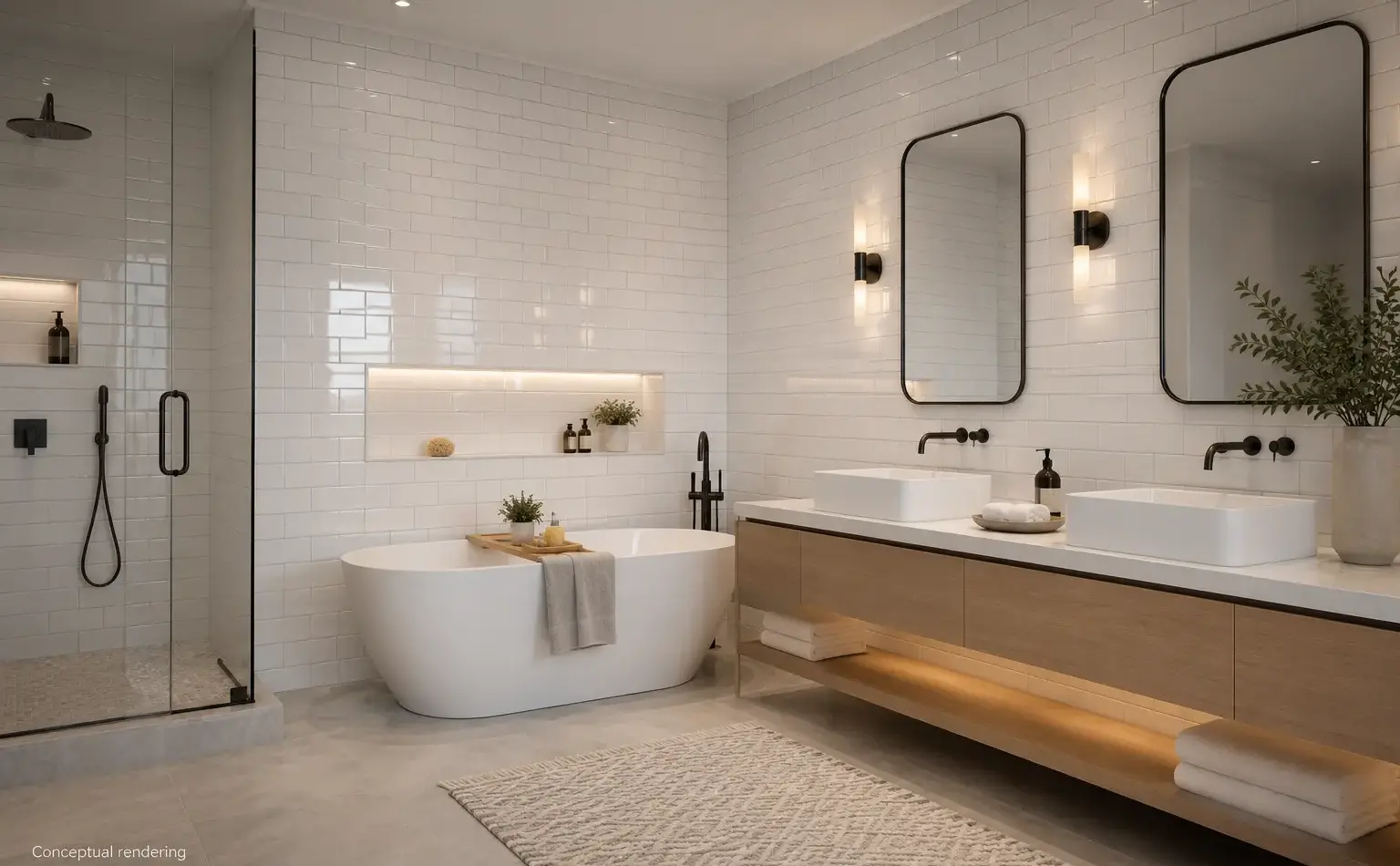
Whether a home is a downtown Victorian or a newer build in the foothills, the reasons white subway tile keeps showing up are the same. Subway tile earned its reputation for a practical reason. Its rectangular shape and easy-to-clean surface made it a natural fit for high-traffic, moisture-prone spaces long before it became a residential staple, and that practicality is largely why it has never fully left circulation the way more decorative trends do.
A collection of subway tile backsplash makeovers from professional kitchen designers shows how the format keeps returning across very different design styles because it works as a foundation rather than a statement piece. Cabinet colors, counter materials, and grout choices shift from one renovation to the next, but replacing those elements is far easier and cheaper than ripping out a backsplash, which is part of why the tile underneath tends to outlast whatever changes around it.
What's Actually Changing in 2026
The shift homeowners are noticing isn't away from subway tile. It's toward variation within it. According to recent coverage of 2026 bathroom tile trends, plain white tile isn't disappearing, but home decor trends have been moving toward more personalized and expressive design choices, which is nudging people toward color, texture, and pattern rather than abandoning the format altogether. In practice, that means:
Beveled edges instead of flat faces. A slight bevel catches light differently and adds dimension without changing the tile's footprint or cost significantly.
Warmer whites and off-whites. Bright, stark white is giving way to cream and ivory tones that read as less clinical, especially in older homes with warm wood trim.
Larger formats. Elongated 4x12 or 6x12 tiles reduce grout lines and modernize the classic brick pattern while keeping the rectangular shape intact.
Colored grout. Charcoal or warm gray grout against white tile is one of the simplest ways to update a subway tile installation without replacing the tile at all.
None of these require abandoning white subway tile. They're refinements, and most can be applied to a new installation for little to no added cost over the standard option.
White Subway Tile in Older and Newer Homes
Carson City's housing spans two distinct eras: downtown's West Side Historic District, where many properties date to the 1870s mining boom years, and newer subdivisions extending into the foothills toward the Carson Range. Many of the area's Victorian, Craftsman, and Colonial Revival homes have been restored with modern updates while keeping their original architectural details, which is part of what gives the neighborhood its value.
In a historic remodel, white subway tile in a classic running bond pattern tends to read as period-appropriate rather than trend-driven, since the format predates most of the design movements it now gets associated with. A beveled or handmade-look white tile can echo the age of the home without looking like a themed renovation. In newer foothill construction, homeowners have more flexibility to lean into current variations like larger formats, vertical stacking, or a warm-toned grout, since there's no existing architectural language to match.
Either way, the tile format itself isn't the constraint. It's worth thinking about how the backsplash or shower wall relates to the rest of the house, particularly in homes where preserving character is part of the appeal.
Practical Considerations for the High-Desert Climate
Carson City sits in a high-desert basin with a semi-desert climate, warm summers, cool winters, and a lot of sun throughout the year. That environment affects material decisions in a few practical ways. Glossy white tile reflects natural light effectively, which is useful in west-facing kitchens that get strong afternoon sun. Matte or honed finishes show less glare in rooms with large windows but can also show water spots more readily in bathrooms, so it's worth matching the finish to the room's actual use rather than choosing based on photos alone.
Dust and mineral buildup from the region's water are also common concerns. A tile with a simple edge profile and minimal texture tends to be easier to wipe down and keep looking clean over time, which matters in kitchens especially.
How to Keep White Subway Tile From Looking Dated
A few adjustments go a long way toward making a white subway tile installation feel current rather than default:
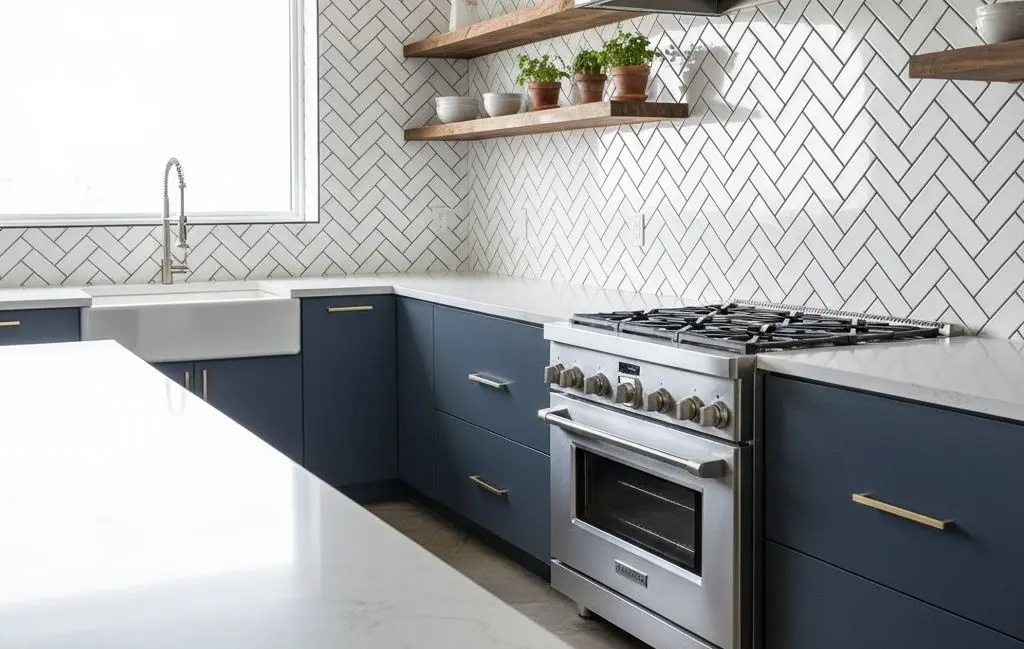
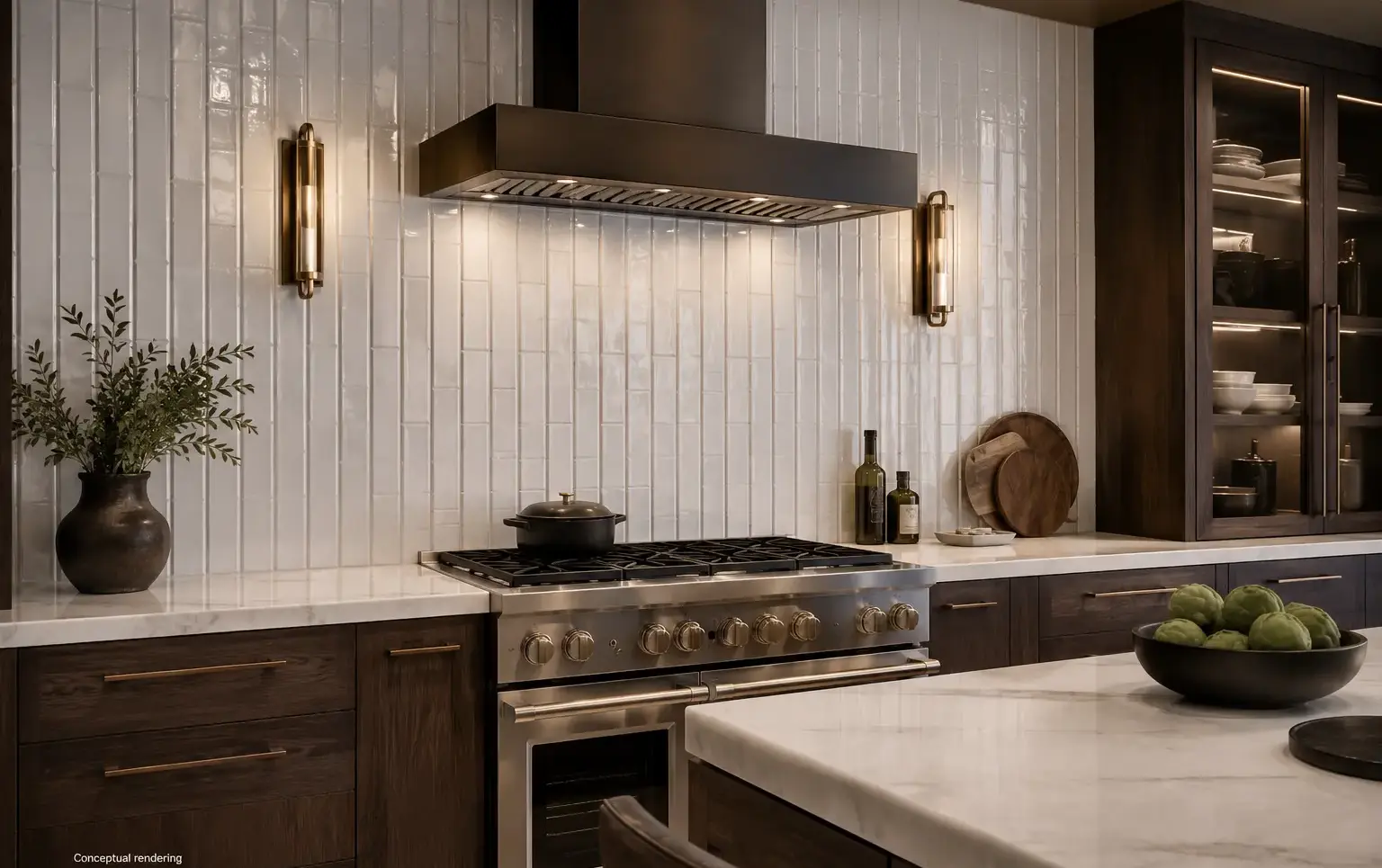
Change the pattern. Herringbone, vertical stack, or a simple offset other than the standard half-brick pattern shifts the visual immediately.
Add a trim detail. Framing the backsplash or shower wall with a contrasting pencil liner or bullnose edge gives the installation a finished, custom look without changing the tile itself.
Extend the tile higher. Running the backsplash to the ceiling or the full shower wall, rather than stopping at a standard height, reads as a more finished, current choice.
Mix finishes within the same room. Pairing a matte subway tile wall with a honed or polished stone countertop adds contrast without introducing a second color.
Visit Nova Tile and Stone
For homeowners weighing these choices in person, Nova Tile and Stone's Reno showroom at 12835 Old Virginia Rd, Suite 24, Reno, NV 89521 carries a range of white subway tile in different finishes, sizes, and edge profiles, along with the natural stone and quartz options often paired alongside it for countertops. The showroom serves customers throughout the region, including Carson City, and can be reached at (775) 331-6682. Tile samples are available to take home for $1 each. Nova Tile and Stone's design team offers free consultations to help sort through pattern, grout, and finish decisions, and as a material supplier, Nova Tile and Stone works alongside separate fabricators and installers to complete the project once materials are chosen.
Conclusion
White subway tile hasn't fallen out of style in Carson City, and there's no real evidence it's heading that direction. What's shifted is the range of ways homeowners now finish it: larger tile formats, contrasting grout, beveled edges, and pattern choices that go beyond the standard half-brick layout. In a city with as much architectural range as Carson City, from Victorian-era homes downtown to newer builds pushing into the foothills, that flexibility is exactly why the format has stuck around. The decision isn't really "white subway tile or something else." It's which version of white subway tile fits the house.
Frequently Asked Questions
It's unlikely to disappear the way more specific trends do. White subway tile has been in continuous residential use since the early 1900s and has already outlasted multiple full design cycles, including the farmhouse trend, mid-century revival, and now the shift toward warmer, nature-inspired palettes. Formats built around a specific color or pattern tend to date faster than a neutral, adaptable shape like this one.
Yes, typically. Herringbone and other angled patterns require more cuts, produce more waste, and take longer to install than a straight running bond layout, which usually adds to labor cost even when the tile itself is priced the same. Homeowners on a tighter budget often get a similar visual update by changing the grout color instead of the layout.
Not necessarily more maintenance, but different maintenance. Dark grout hides dirt and mineral buildup better than white grout, which shows staining more visibly over time. However, some colored grouts fade unevenly in areas that get direct sunlight, so a sealed epoxy grout is often recommended for kitchens with strong afternoon light exposure.
White subway tile pairs well with colored cabinetry precisely because it's neutral. It's a common choice behind navy, forest green, or black cabinets specifically because it keeps the backsplash from competing with a bolder cabinet color. The tile's simplicity is what makes it flexible across different color schemes, not a design limitation.
A properly installed ceramic or porcelain subway tile backsplash or shower wall commonly lasts 20 years or more without structural issues. What usually prompts a replacement isn't the tile failing. It's grout discoloration or a homeowner wanting a style update, both of which can often be addressed without removing the tile itself.
Note: Some images on this page may be conceptual renderings created to illustrate design possibilities and may not depict actual installations.